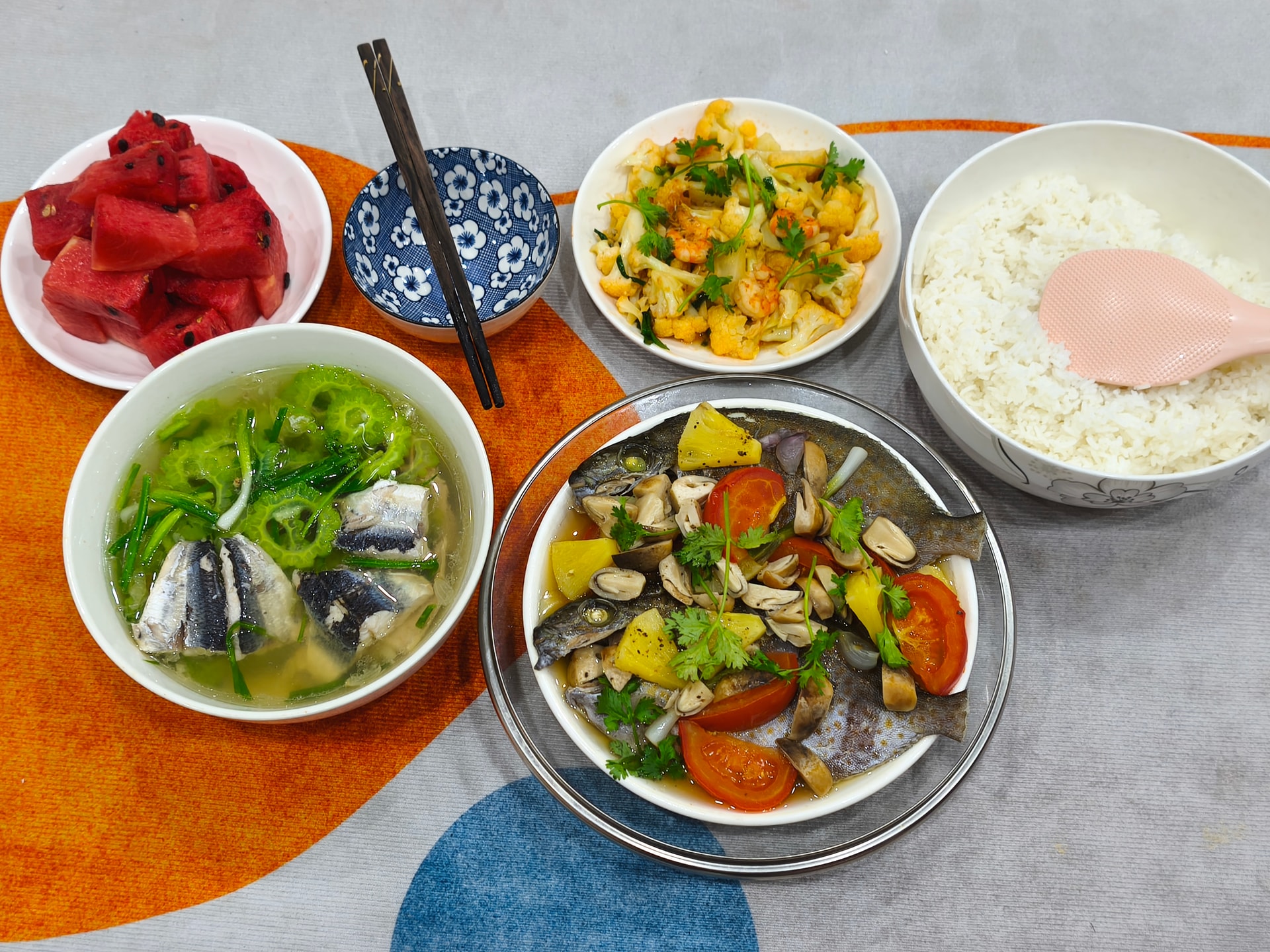
Cooking becomes a hot topic during exam season.
These days, the kitchen in Ms. Thanh Minh's family (Hai Chau ward) is almost entirely rehearsed to keep pace with her daughter's packed study schedule as she prepares for the 10th grade entrance exam. Dinner is usually later than before, and she prepares extra glasses of milk, plates of fruit, and snacks to help her daughter feel full during late-night study sessions. With her daughter's schedule so full of extra classes, sitting at her desk until nearly 11 PM every night, Ms. Minh can't help but feel anxious.
"Sometimes my child only eats a few spoonfuls of rice before rushing back to her room to study. My biggest worry is that she's lacking nutrients and losing energy. Often, I want to nourish her, but I'm confused about what to cook that's both easy to eat and helps her stay alert," Ms. Minh shared.
Ms. Minh's worries reflect the common sentiment of many parents during exam season. Many anxiously seek out brain-boosting milk, vitamins, or other nutritional supplements hoping to improve their children's memory and combat fatigue.
Meanwhile, Ms. Ngoc Thao (Son Tra ward) is worried because her son drinks coffee and energy drinks... to fight sleepiness. "I feel so sorry for him studying until 1 or 2 in the morning. Sometimes he even skips dinner. I prepare his food, but because he's so engrossed in his studies, he just leaves it there. When I remind him, he says he has to try harder to keep up with the lessons," Ms. Thao recounted.
According to experts, prolonged academic pressure leads many students to develop irregular eating habits, lack of sleep, and decreased physical fitness. Especially in Central Vietnam, where exam season often coincides with periods of intense heat, the body is more prone to dehydration, fatigue, and reduced concentration.
Associate Professor Dr. Nguyen Trong Hung, Director of the Center for Nutritional Counseling, Rehabilitation and Obesity Control (National Institute of Nutrition), stated that exam season is a time when the brain operates at a higher intensity than usual, while many students have unhealthy eating habits. This leads to rapid fatigue, increased stress, and reduced memory and concentration.
According to Mr. Hung, many parents still believe they need to "feed" their children a lot during exam season. However, the important thing is not to eat too much, but to eat the right foods and distribute nutrients appropriately to maintain stable energy for the brain.
Which vitamins and minerals help improve memory during exam season?
According to expert Le Thi Hai from the National Institute of Nutrition, in addition to eating a balanced diet, students during exam season need to pay attention to supplementing vitamins and minerals that support brain function, such as: B vitamins, C, D, iron, zinc, magnesium, and calcium.
B vitamins help with energy metabolism and support nerve transmission; iron helps reduce fatigue and concentration; magnesium helps reduce stress and improve sleep; and zinc, iodine, and vitamin D contribute to maintaining memory, learning ability, and alertness. These micronutrients are abundant in fish, eggs, milk, dark green vegetables, whole grains, nuts, and seafood. Experts recommend prioritizing supplementation through daily meals rather than overusing dietary supplements.


Nourishing the brain with the right food.
According to Associate Professor Dr. Nguyen Trong Hung, during the exam preparation period, students need to maintain a sufficient intake of four food groups: carbohydrates, protein, healthy fats, and vitamins and minerals.
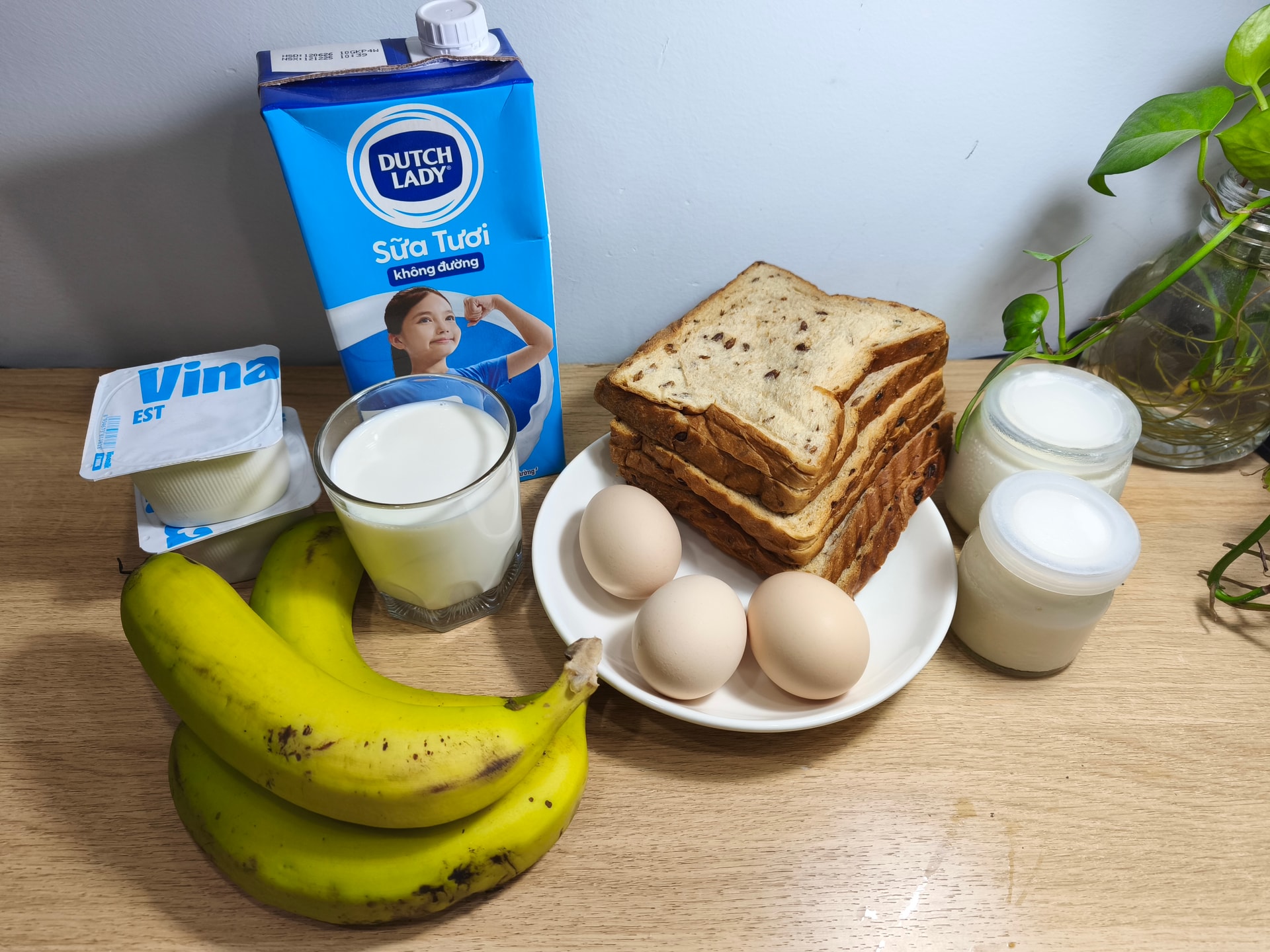
In particular, slow-absorbing carbohydrates, such as rice, potatoes, oats, and whole-wheat bread, help provide sustained energy and reduce feelings of drowsiness or hypoglycemia during study sessions.
Protein sources such as eggs, lean meat, fish, and dairy products help maintain physical strength and improve concentration.
In particular, seafood, walnuts, almonds, and black sesame seeds contain many healthy fats and omega-3s, which play a role in supporting brain function and memory.
Green vegetables and fresh fruits provide vitamin C, B vitamins, and minerals that help reduce stress and increase mental resilience.
"The most important thing is to eat regular meals, never skip breakfast, and avoid getting too hungry. Many students study late and then sleep in, skipping breakfast altogether, which deprives the brain of energy, making them easily tired and unable to concentrate," Mr. Hung noted.
Parents are also advised to limit their children's excessive consumption of energy drinks, coffee, or dietary supplements of unknown origin. Excessive coffee use can lead to insomnia, rapid heartbeat, anxiety, and reduced memory in students.
In the hot weather of Central Vietnam, students need to drink 1.5-2 liters of water each day to avoid dehydration. Even mild dehydration can cause headaches, reduced concentration, and rapid fatigue.
For meals before exams, students should prioritize easily digestible foods that are low in fat but still provide sufficient energy, such as rice, bread, eggs, lean meat, milk, and green vegetables. They should eat these foods about 2-3 hours before the exam to allow the body time to digest and the brain to have enough energy to function.
Conversely, greasy fried foods, unfamiliar foods, sugary drinks, or overeating can all make you feel sluggish, sleepy, or increase the risk of digestive problems on exam day.



According to experts, exam season is not the time for "overeating" or cramming nutrients quickly, but rather a period to build healthy eating habits, get enough sleep, and maintain a stable mental state. A scientifically designed diet not only helps students study better but also contributes to maintaining good health and mental stability before important exams.
Should you eat a late-night snack while studying late at night?
According to Associate Professor Dr. Nguyen Trong Hung, students who study late at night can still eat a snack, but it should only be a light supplement to maintain energy for the brain, not a main meal. Suitable foods include: warm milk with low sugar, bananas, yogurt, whole-wheat bread, nuts, or a boiled egg, as these are easy to digest, help stabilize blood sugar, and improve concentration.
It's important to limit your consumption of instant noodles, fried foods, bubble tea, soft drinks, and energy drinks, as these can easily cause bloating, difficulty sleeping, and weight gain. Experts recommend eating about 60-90 minutes before bedtime, following the principle of "light - early - small - easily digestible" to maintain energy for studying without affecting sleep.
Source: https://baodanang.vn/thuc-don-vang-3335969.html

















![[Video] Weather forecast for tonight and tomorrow, July 4, 2026: The remnants of Typhoon No. 1 will cause widespread and prolonged heavy rain in Northern Vietnam.](https://vphoto.vietnam.vn/thumb/402x226/vietnam/resource/IMAGE/2026/07/03/1783083905760_thum-dem-png.webp)