

An ambitious promise
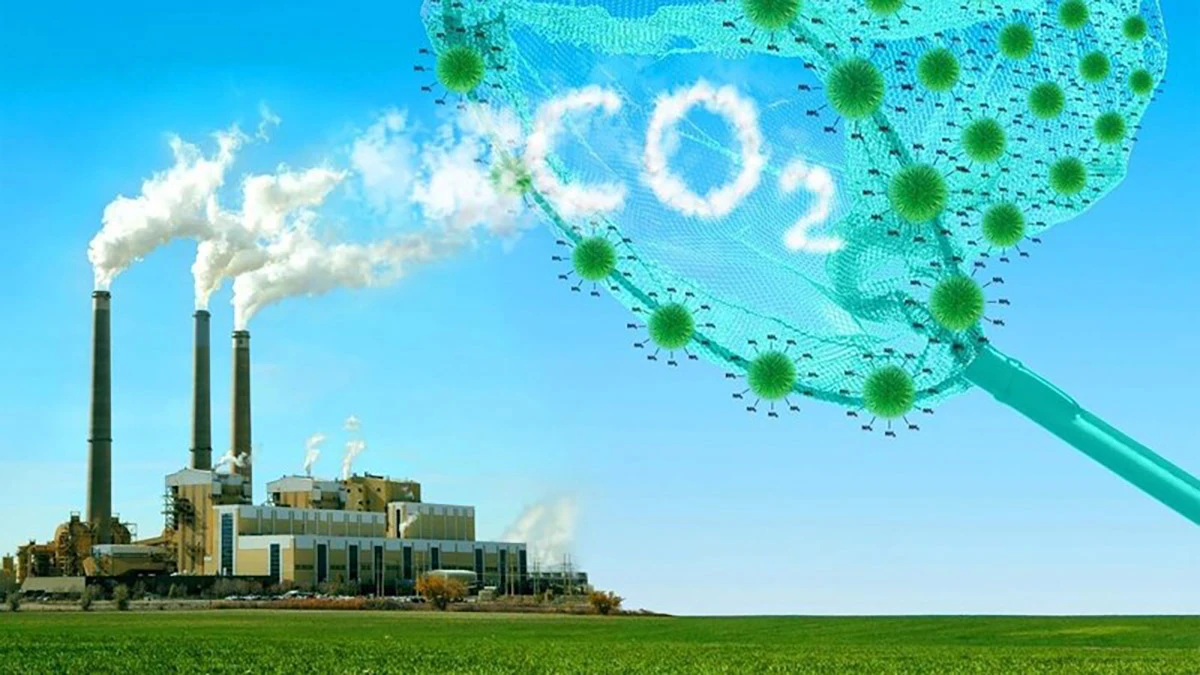
A major international issue is that industrial development and environmentally unfriendly lifestyles have released greenhouse gases, causing global warming and posing a risk of climate change. Numerous scientific studies have shown that greenhouse gases emitted from industry and daily life include many types, but carbon-containing gases are the most prevalent, with CO2 accounting for the highest proportion. Therefore, greenhouse gases are often quantified in terms of CO2 emissions. From this, the United Nations established the Framework Convention on Climate Change (UNFCCC) to bring together nations in the goal of finding unified solutions to address global climate change.
Since 1995, the Conference of Parties to the UNFCCC has met annually under the name COP to discuss climate change response. In 1997, the countries participating in the UNFCCC agreed to sign a document known as the Kyoto Protocol. Since 2005, the international community has held a global conference in Montreal, Canada, called COP11, linked to the Conference of Parties to the Kyoto Protocol - CMP1.
Among the COP-CMP conferences, two yielded significant solutions. Firstly, the COP19-CMP9 conference in Warsaw, Poland in 2013 decided to implement the REDD + framework aimed at limiting deforestation and forest degradation; conserving and increasing carbon sequestration through sustainable forest management.
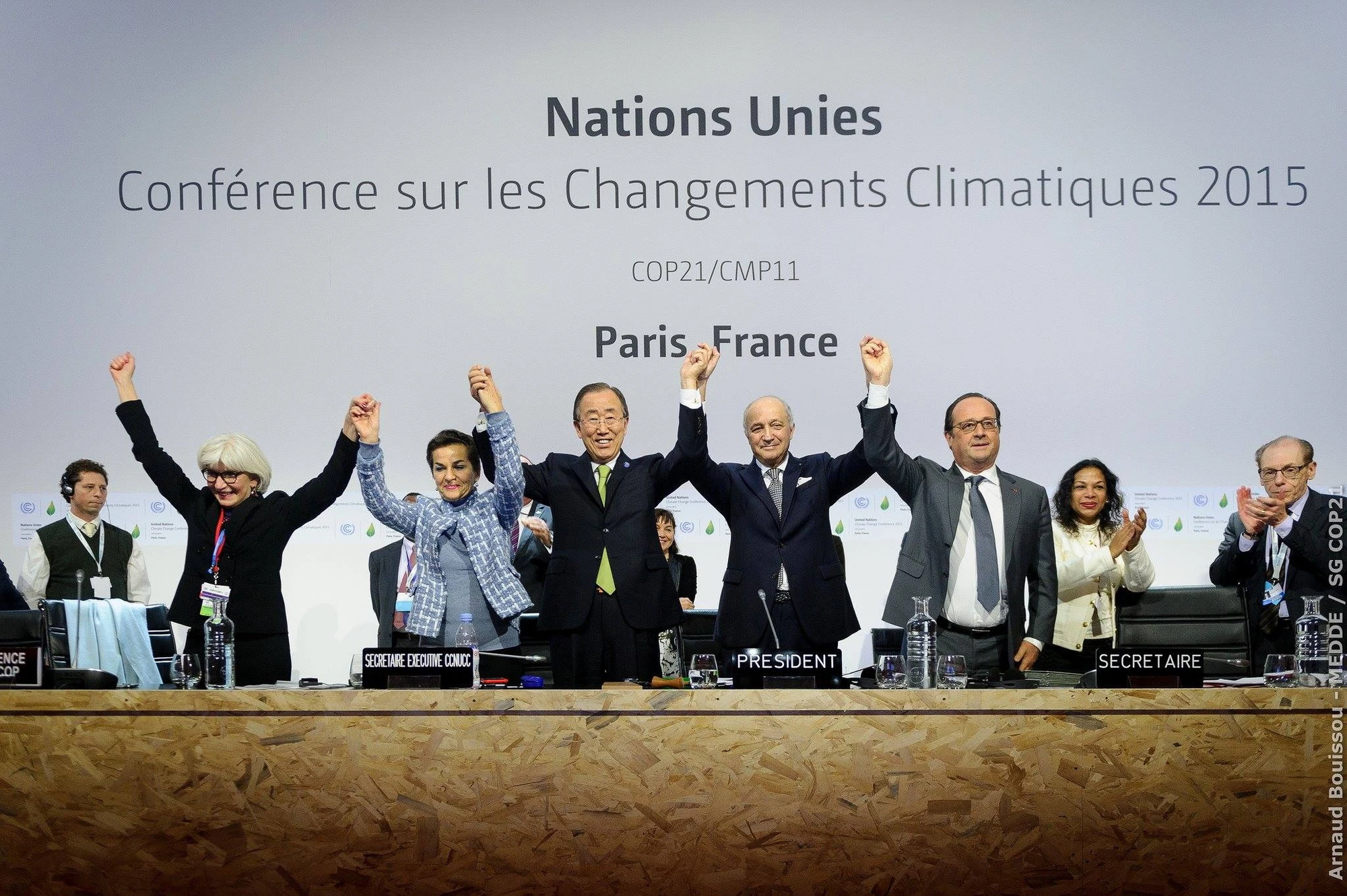
Secondly, the COP21-CMP11 conference in Paris, France, in 2015 adopted the Paris Agreement on managing climate change mitigation measures from 2020. The Paris Agreement introduced an initiative to establish a carbon trading market between emitters and absorbers. Since 2016, the COP-CMP conference has been linked to the CMA between the parties to the Paris Agreement; the COP22-CMP12-CMA1 conference was held in Marrakech, Morocco.
The main international goal is to collectively bring net emissions to "zero" as soon as possible. At the COP26-CMP16-CMA5 conference in Glasgow, UK in 2021, Vietnam's Prime Minister promised the international community that by 2050, Vietnam would achieve net emissions of "zero". The World Bank called this an ambitious promise requiring bold solutions with the support of the international community.
Carbon rights and carbon rights trading
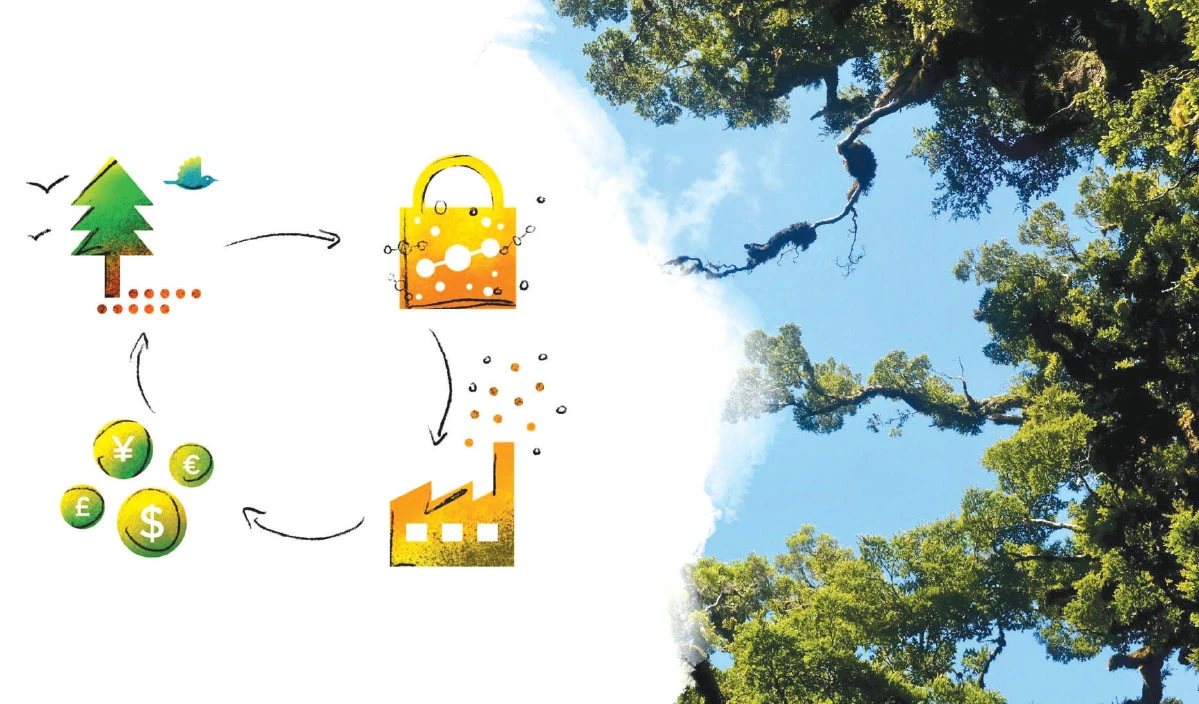
The process of forming the international idea described above shows that, in order to reduce greenhouse gas emissions, the COP21-CMP11 conference proposed establishing a carbon market between emitters and absorbers. Of course, the emitters would have to pay the absorbers, and this is called a carbon rights transfer market (since the commodity is not a carbon physical object but a right).
Current science has specifically studied to identify carbon sinks and their owners. The results can highlight the carbon sinks on Earth, including: (1) the ocean with a capacity of up to 38 trillion tons from carbonates and dissolved CO2 ; (2) the land with a capacity of 3 trillion tons from plant photosynthesis (most strongly from forests), decomposition of organic matter, dissolution of CO2 into wetlands and stored in fossil fuels such as coal, oil, etc.; (3) the atmosphere with a capacity of 800 billion tons absorbed from greenhouse gas emissions. These sinks show that we must change our development and lifestyles to reduce carbon from atmospheric sinks, reabsorb it into the oceans and land through plant photosynthesis, preserve water surface area and not use fossil fuels.
Looking at the carbon rights transfer market, it's clear that there will be many operational difficulties, specifically including:
1. Clean production and lifestyles always lead to higher costs for goods and services, meaning lower profits. Transitioning from an "unclean" to a "clean" process requires significant investment. Therefore, producers are hesitant to change. A carbon rights trading mechanism is a solution to regulate the profit margins between unclean and clean development. This process requires a high degree of voluntary participation.
2. The carbon market is global and cannot be addressed in isolation within each country. Therefore, it requires global consensus through international organizations linked to international commitments for joint implementation.
3. Carbon rights are intangible goods, so determining their quantity requires high-level scientific solutions to ensure accuracy in identifying who has emitted how much and who has absorbed how much.
4. In principle, the carbon rights market is a voluntary market, but within a single country, a legal framework can be established to regulate it. This is its unique characteristic: a combination of national obligation and global voluntariness.
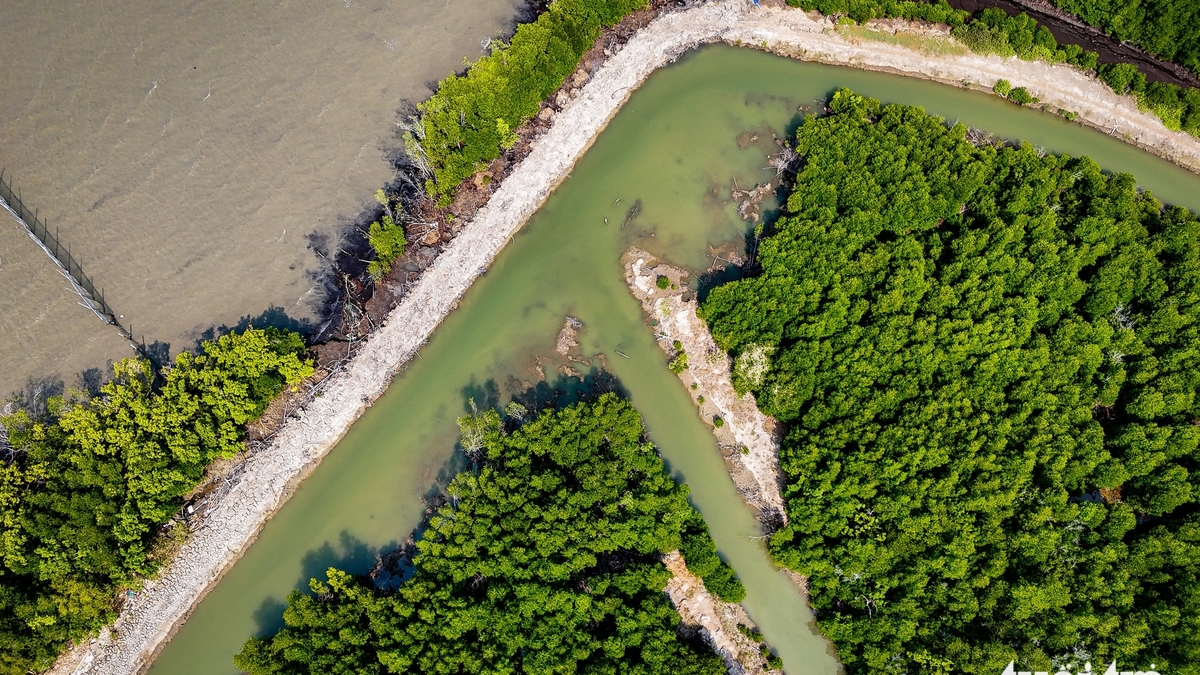
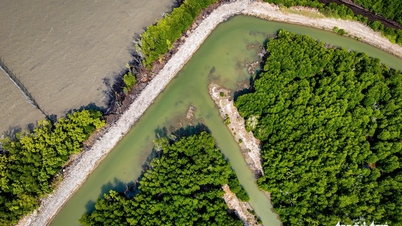
The theory is lengthy, but the essence of the issue is that to address climate change, we need to protect and develop natural carbon sinks such as forests, land, and oceans to absorb carbon from the atmosphere, and regulate benefits through carbon rights markets. Reducing the use of fossil fuels and shifting to clean energy that does not emit greenhouse gases is a process that requires the operation of a carbon rights market.
Carbon rights market in Vietnam
Currently, there are two relatively well-functioning funds in the world: the Forest Carbon Partnership Fund (FCPF) and the Green Climate Fund (GCF). Vietnam has been a member of the FCPF since 2008 and has received FCPF support for the implementation of the REDD + (2013-2020) project on preparing for greenhouse gas emission reduction from deforestation and forest degradation. The project aims to build organizational and technical capacity for central and local agencies in six provinces in the North Central region: Thanh Hoa, Nghe An, Ha Tinh, Quang Binh, Quang Tri, and Thua Thien Hue.
The North Central Region Emission Reduction Project, developed by the Ministry of Agriculture and Rural Development, has been included in the FCPF's results-based payment scheme based on forest area and quality. Vietnam and the FCPF signed the ERPA Agreement in Hanoi in 2020. Implementing the ERPA is a pilot project to establish a domestic forest carbon market linked to the global carbon market, while also creating an additional source of funding for direct investment in forests and increasing income for forest owners. Furthermore, this pilot project helps raise awareness of the value of forest carbon services.

Thus, the market for transferring carbon rights related to forest development has begun to take shape in international relations. Domestically, the law has only been able to collect a financial obligation from projects that reduce forest cover. Therefore, we have only experimented with the issue of forest carbon rights, and there has been no impact on the development of clean production and clean consumption. For example, a country needs to address the problems of coal-fired power plants, gasoline-powered transportation, food processing using fire, and the production of fired bricks or ceramics using coal... which are still widespread. Outdated production and living habits remain, and there have been no management efforts aimed at changing them.
To comprehensively address the transition to clean production, consumption, and living, the only solution is to operate a national carbon rights market, regulated by a legal framework that includes taxes on unclean processes to financially support clean processes. In addition, the government needs to encourage social organizations to launch campaigns promoting clean lifestyles and clean production. Only then can the Prime Minister's promise to the international community to reduce net emissions to "zero" by 2050 be realized.
Nghe An is a province within the ERPA agreement area on forest carbon trade, but it is still a pilot program. It is hoped that this program will move to the official phase to create momentum for forest protection and development. Nghe An leaders can certainly conduct campaigns to promote clean habits, lifestyles, consumption, and production, preparing for the expansion of the carbon rights market from forests to other production, consumption, and living processes.
Source

![[Image] National Assembly discusses the implementation of the socio-economic development plan.](https://vphoto.vietnam.vn/thumb/1200x675/vietnam/resource/IMAGE/2026/04/20/1776696707422_ndo_br_img-20260420-185419-jpg.webp)


![[Photo] General Secretary and President To Lam meets with National Assembly delegates from ethnic minorities.](https://vphoto.vietnam.vn/thumb/1200x675/vietnam/resource/IMAGE/2026/04/20/1776696701056_a1-bnd-8331-3342-jpg.webp)
































































Comment (0)