

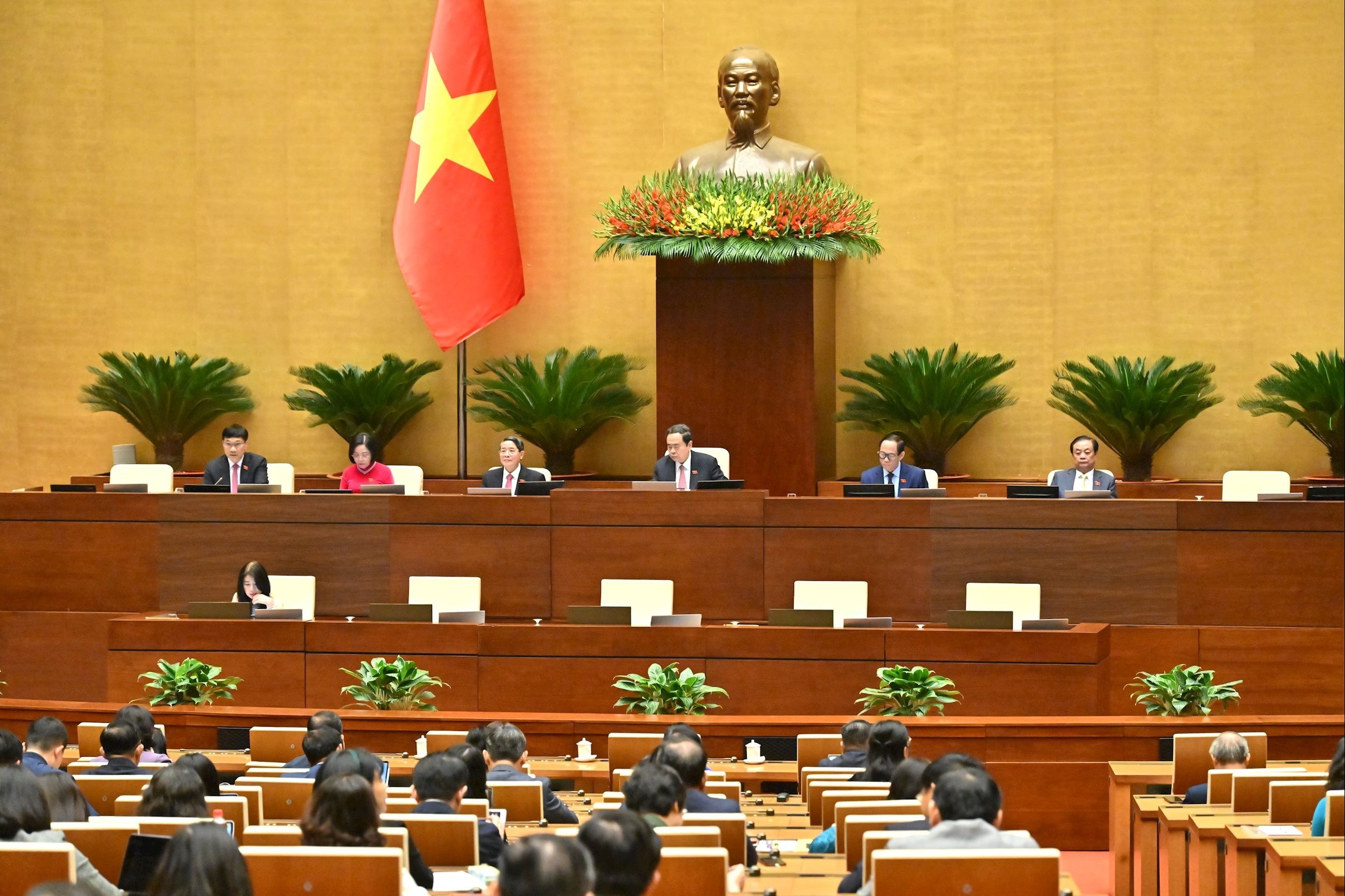
National Assembly Deputy Ha Sy Huan ( Thai Nguyen ):
A more robust and thorough hierarchical management system will enable the program to be implemented.
I appreciate the implementation mechanism of the Program, which involves overall central management and the issuance of guiding, supervisory, and inspection mechanisms and policies, along with thorough decentralization and delegation of authority, coupled with the allocation of resources to localities in the spirit of "local authorities decide, local authorities act, and local authorities are responsible."
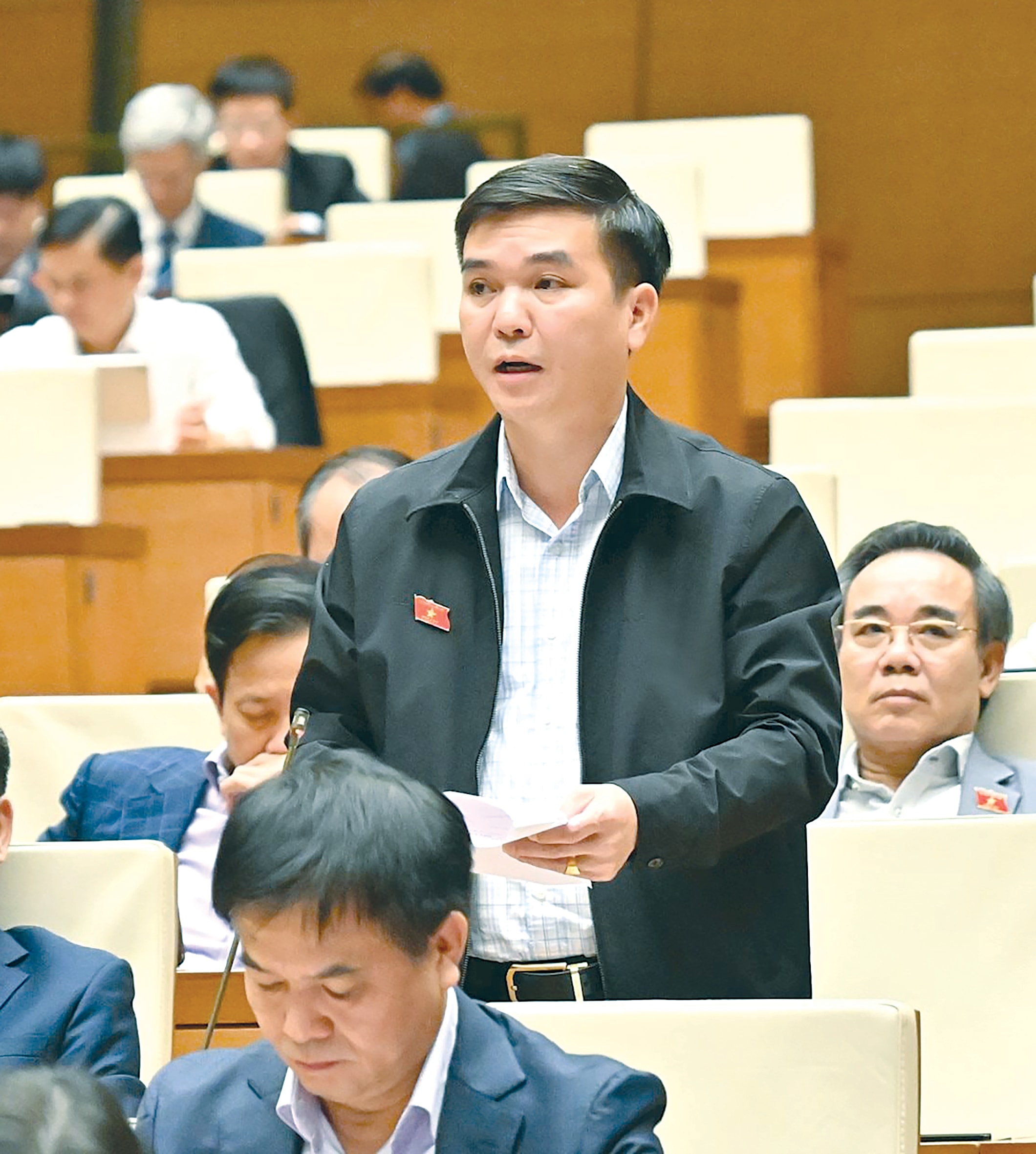
As indicated in the previous phase, the program's content largely focuses on investing in technical infrastructure and livelihood models to serve the people in communes and villages. Currently, we have a two-tiered local government system, with the commune level directly managing the area and having a better understanding of the target groups, cultural conditions, topography, and livelihoods of the locality. Therefore, to implement the principle of people's ownership and enhance the effectiveness of infrastructure investment, it is necessary to further decentralize the management and implementation of the program to the local government, delegating the decision-making power to the commune level to organize and implement the program.
The provincial level plays a guiding, inspecting, supervising, and providing technical and administrative support, empowering local authorities, specifically the People's Councils and People's Committees at the commune level, to decide on the list and implementation plan of appropriate models according to priority order for each stage, and to decide on the integration, coordination, or synchronization of components and funding sources of the program and projects in the area to avoid overlapping, scattered, fragmented investments and omissions of tasks.
National Assembly Deputy Mai Van Hai ( Thanh Hoa ):
Ensuring the feasibility of funding.
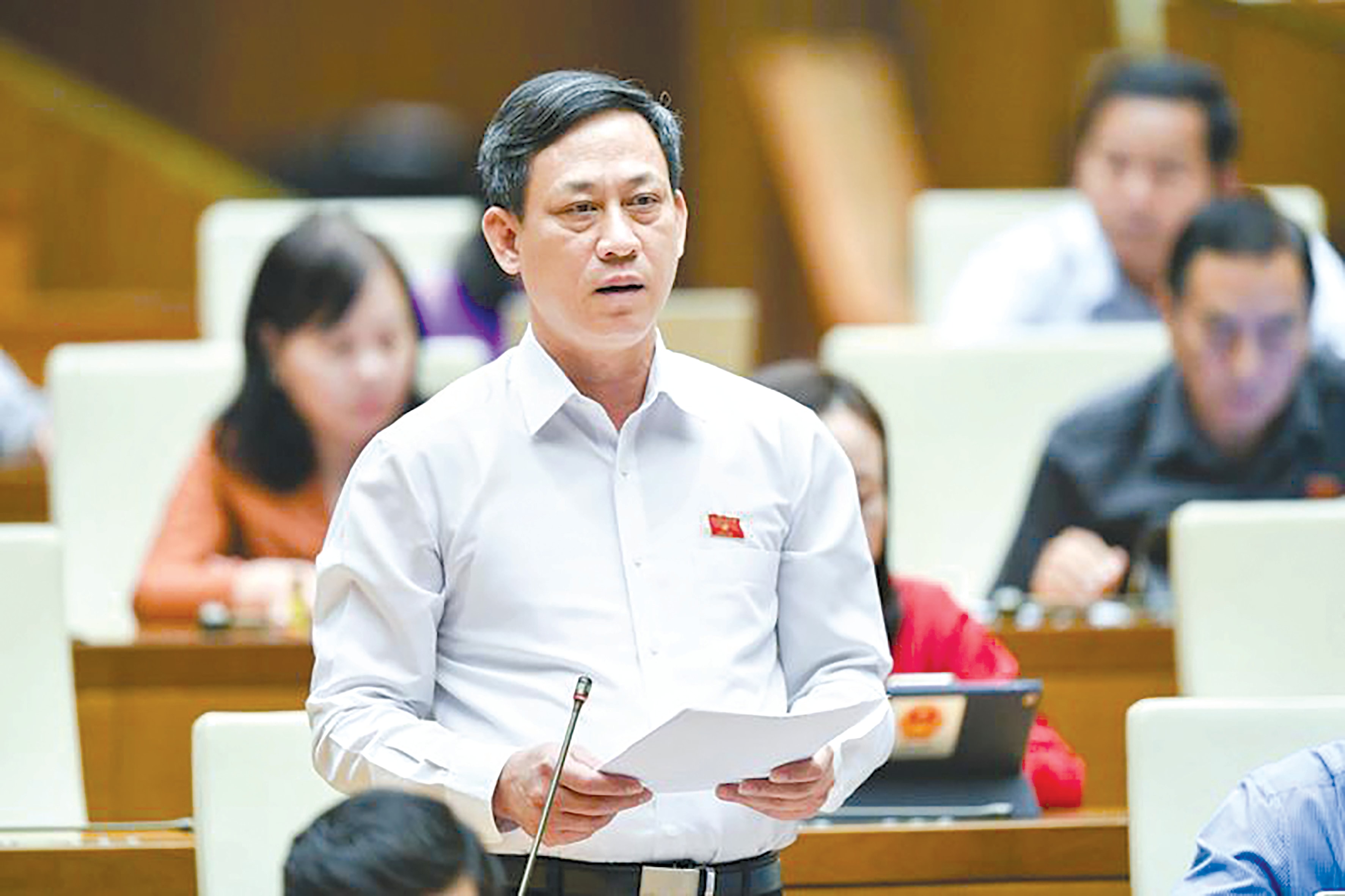
Under the conditions of provincial mergers and the implementation of a two-tiered local government model, the scale of provinces and communes is much larger than before, and the need for investment capital for infrastructure and the completion of new rural development criteria after reorganization is enormous. Many mountainous provinces and communes still face significant budgetary difficulties, with revenue not covering expenditures. In practice, most communes primarily rely on land use rights fees for new rural development projects. However, this funding source is no longer as readily available as before; localities only receive 80-85% of the land use fees, further exacerbating the difficulties in securing matching funds for the program.
Therefore, to ensure the feasibility of funding and the success of national target programs, I propose increasing balanced investment capital from the central budget and finding solutions to mobilize other legitimate sources of capital, such as capital from businesses, cooperatives, and individuals, in implementing target programs. This includes allocating increased central budget funds for the socio-economic development component in ethnic minority and mountainous regions.
National Assembly Deputy Pham Thi Kieu (Lam Dong):
Appropriate priority should be given to each region inhabited by ethnic minorities and mountainous areas.
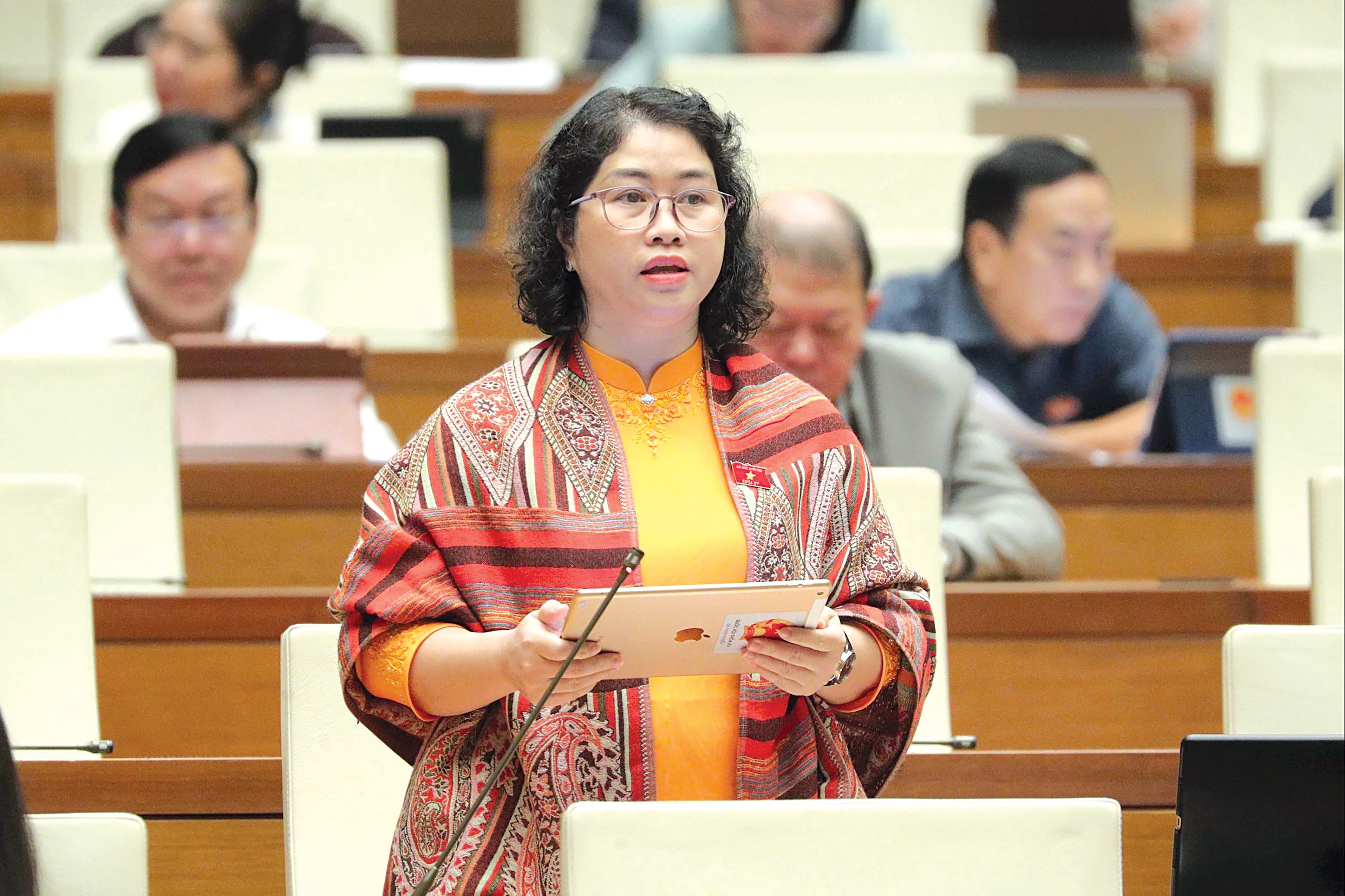
Over the past period, these three programs have brought about significant changes, transforming the face of rural areas daily, and significantly improving infrastructure, living standards, and essential services. In ethnic minority and mountainous regions, socio-economic development has made positive progress, and social security and welfare have been strengthened even under conditions of limited resources and a low starting point. These results show that the policies have been on the right track and have impacted the most vulnerable groups. However, the implementation process has also revealed many limitations, including complex guiding mechanisms, delays in issuing documents, and inconsistencies in interpretation and implementation among localities. Some tasks and investment targets overlap between programs, and resources are fragmented and dispersed. Although the National Assembly and the Government have issued many specific mechanisms to address these issues, the implementation progress in some localities remains slow and has not met practical requirements.
In this context, integrating the three national target programs into a single program presents an opportunity to reorganize resources, ensure unified management, reduce overlap, and increase efficiency and transparency in implementation. However, integration must be accompanied by the principle of not mixing the three programs, which have different objectives, implementation mechanisms, and approaches. In particular, appropriate priority must be given to each region inhabited by ethnic minorities and mountainous areas, which face the most difficulties and have the most specific needs.
National Assembly Deputy HOANG QUOC KHANH (Lai Chau):
Promptly provide guidance and implement the Resolution starting from the beginning of 2026.
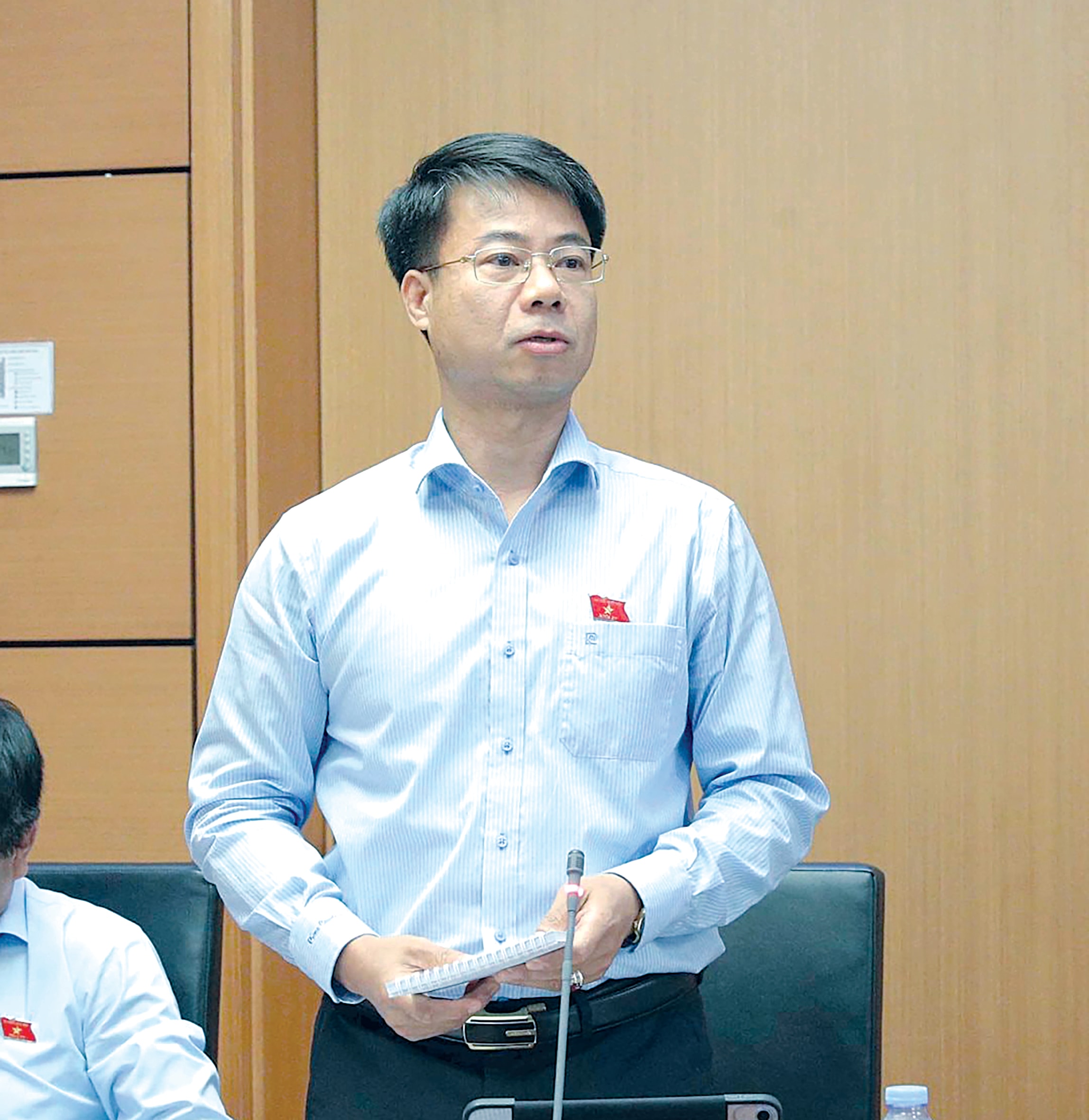
The consolidation of the three existing national target programs into a single unified program will help concentrate investment resources, align with the two-tiered local government organizational model, and contribute to promoting the construction of new rural areas in a modern, substantive, sustainable manner that is also adaptable to climate change.
For mountainous provinces and ethnic minority areas, the national target program is of paramount importance. It serves as a leading resource, helping to invest in essential infrastructure development, achieve sustainable poverty reduction, narrow the development gap with more developed regions, and contribute to national defense, security, and border stability. Therefore, immediately after the National Assembly approves the policy on this Program, the Government is requested to promptly develop and issue guiding documents and detailed regulations to ensure the Resolution is implemented synchronously and promptly from the beginning of 2026.
Source: https://daibieunhandan.vn/tich-integration-but-no-orchids-10401777.html
![[Photo] General Secretary and President To Lam visits and delivers a policy speech at Tsinghua University.](https://vphoto.vietnam.vn/thumb/1200x675/vietnam/resource/IMAGE/2026/04/14/1776164592318_vna-potal-tong-bi-thu-chu-tich-nuoc-tham-va-phat-bieu-chinh-sach-tai-dai-hoc-thanh-hoa-trung-quoc-8700658-5437-jpg.webp)
![[Photo] General Secretary and President To Lam and his wife begin their state visit to China.](https://vphoto.vietnam.vn/thumb/1200x675/vietnam/resource/IMAGE/2026/04/14/1776133794926_z7723148772587-ffefa3c4b1e54e100de1554593a862c6-jpg.webp)

![[Image] Expediting land clearance at Alley 310 Nghi Tam to facilitate the construction of Tu Lien Bridge](https://vphoto.vietnam.vn/thumb/1200x675/vietnam/resource/IMAGE/2026/04/14/1776160406551_ndo_br_z7724148990408-9e5d4777e3c4504998b4286178b2e66e-jpg.webp)














![[Photo] General Secretary and President To Lam receives Slovak Prime Minister Robert Fico](https://vphoto.vietnam.vn/thumb/1200x675/vietnam/resource/IMAGE/2026/04/13/1776080592076_a1-bnd-8227-6002-jpg.webp)




































Comment (0)