

At the age of 50, Vu Thanh Vinh surprised everyone by transforming himself into a "newcomer" when he ventured into the world of film. The director confessed that he wasn't afraid of skepticism, because this is a challenging field where he aspires to win over audiences with his stories and personal reflections, as a way to satisfy his passion for filmmaking after many years of being busy with television game shows.
After Two Salts, Vu Thanh Vinh once again tackles the theme of family, a familiar yet challenging subject. Transforming familiar ingredients into an appealing dish for moviegoers places considerable pressure on the director from Soc Trang .
With the genuine artistic sensibility nurtured from a poor childhood, he chose to approach this subject with a simple, heartfelt story. Perhaps it is for this reason that, despite their inexperience and awkwardness, they still manage to win people 's hearts.
The power of intimacy
The story of When one sister falls, the other helps her up. The story follows two orphaned siblings, Thuong (Le Khanh) and Luc (Thuan Nguyen). Growing up in poverty, Thuong remains strong-willed and determined to change her destiny. After achieving success, she wants her younger brother to follow the path she has "prepared." Unexpectedly, this imposition becomes the source of conflict, driving the two siblings apart.
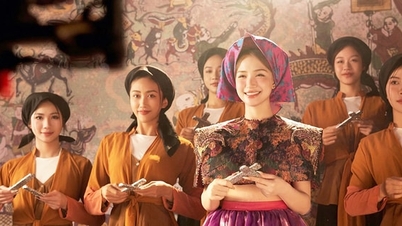
Script When one sister falls, the other helps her up. Developed by the Binh Bong Bot team - behind the success of Mai , the second highest-grossing Vietnamese film of all time. The film's creative team clearly demonstrated an understanding of audience preferences, skillfully selecting subtle glimpses into everyday life to build family relationships, making them appear familiar, relatable, and easily evoke empathy.
The screenwriters skillfully utilize contrast to create two opposing personalities: the sisters Thuong and Luc, both growing up from a childhood marked by loss, yet each developing completely different attitudes towards life. Thuong is intelligent, independent, and principled, but she confines herself within a cage of "responsibility." She juggles work, caring for and solving her younger brother's problems, not to mention a demanding boyfriend.
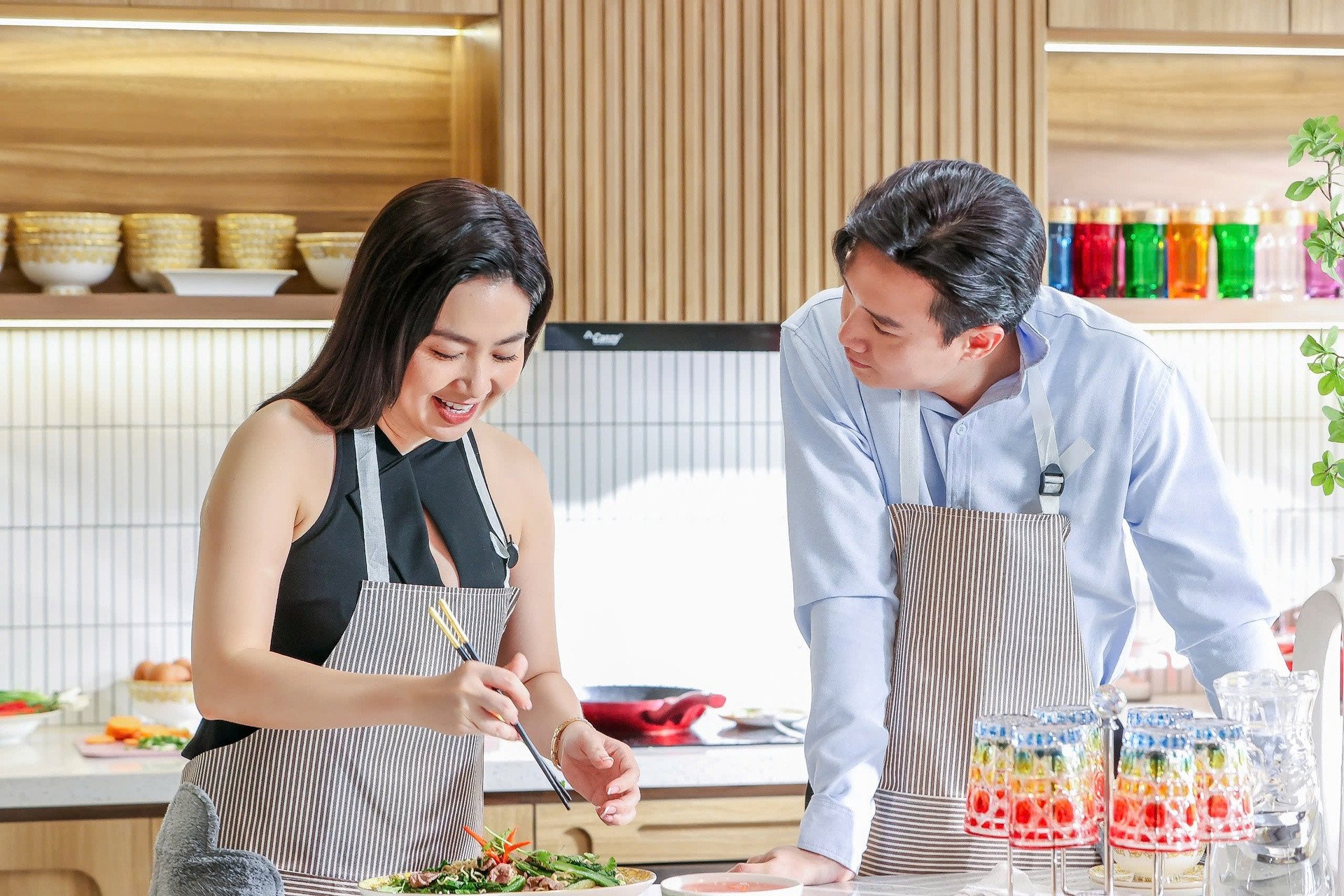
As for Luc, he yearned for freedom, wanting to do what he liked without needing the approval of his strict older sister. The more Thuong protected and forced him to follow her chosen path, the more Luc struggled to escape her toxic control. Here, a conflict arises: the sister's love becomes an imposition, while the brother's desire for freedom turns into a rebellious reaction.
This tragedy dealt a heavy blow to their seemingly close relationship. The naturalistic narrative style makes the story realistic, reflecting conflicts that any family might encounter.
It's noteworthy that the screenwriter and director didn't try to romanticize family relationships or direct attacks at anyone in particular. The characters all have their own problems. They stumble, make mistakes, and from those experiences, they learn to grow, accept, and understand.
Thuong is wealthy and successful, but not happy. What she needs is to learn how to express love appropriately, to allow Luc the right to stumble and make mistakes, instead of stubbornly following the path she believes is the only one leading to success. That is also how Thuong can free herself mentally and resolve her psychological issues – that is when she will truly find happiness.
As for Luc, what he needs is to learn self-control and take responsibility for his own thoughts and preferences. Living with the frustration of feeling controlled, along with the growing existential crisis after the accident that left him paralyzed, Luc needs to learn to accept himself and embrace love positively in order to heal himself.
Vu Thanh Vinh is making progress.
In this comeback, Vu Thanh Vinh shows encouraging progress compared to his debut film project. Hai Muoi . He tells stories more smoothly, even though he speeds up the pace, and sometimes shows a youthful personality by incorporating witty details and dialogue that "follow trends." That's why... When one sister falls, the other helps her up. not being overwhelmed by the heaviness of the tragedy.
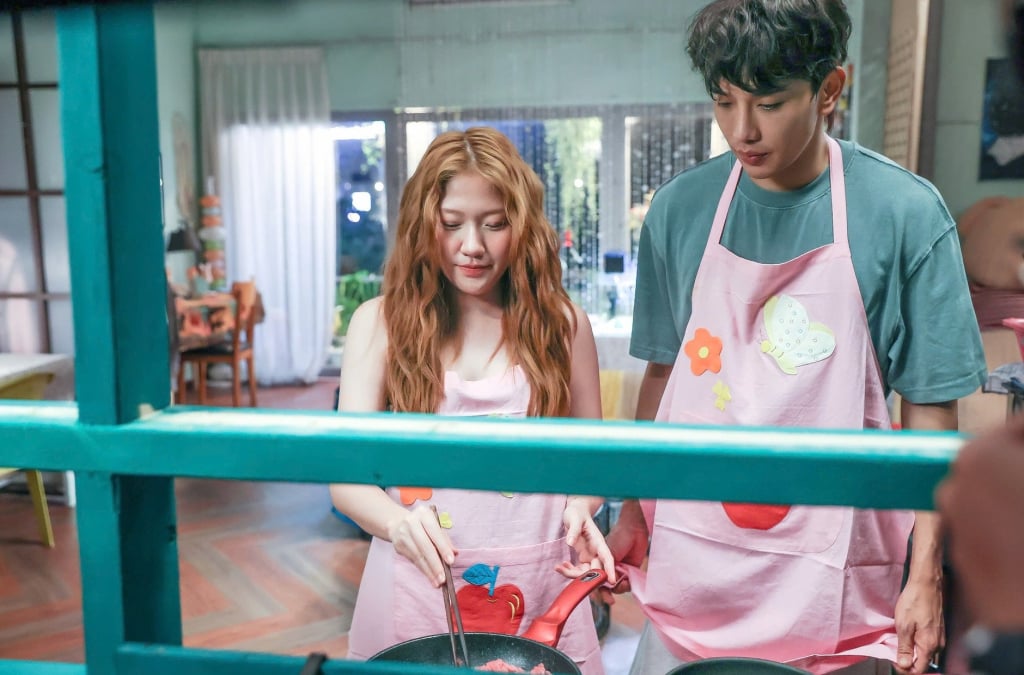
The film's pacing is relatively harmonious, from the sisters' tumultuous childhood to their adulthood, with unexpected twists and turns in their lives. The appearance of the characters Hai Au (Uyen An) and Doctor Truong (Quoc Truong) adds important pieces to the puzzle, and also serves as a test that multifaceted the portrayal of family relationships, adding new flavor.
In particular, the scene at the memorial dinner for his parents, which also served as Luc's birthday party, where the four-person family reunited, became a climax filled with emotion. The tit-for-tat exchanges between the two sides, along with the revelation of past secrets, pushed the already tense story towards new conflicts.
Placed alongside many other works on the same theme in the region, When one sister falls, the other helps her up. There are different choices when it comes to avoiding exaggerating individual feelings of loneliness or outlining overly dramatic emotional ranges to create an impression. Instead, Vu Thanh Vinh's creation borrows from familiar elements, such as family traditions, ancestral commemoration meals, and childhood memories, to create depth in the story of familial love. This is also the essence of the Vietnamese film, reflected in the resonance between family responsibility and kinship within a toxic environment, where individual elements tend to be neglected and silenced…
Unlike the storytelling style of many Western films, where the individual self is often glorified, When one sister falls, the other helps her up. The film focuses on the collective context, the norms, and the invisible pressures faced by family members. This discovery makes the film more relatable, despite some limitations and flaws in the storyline.
Vu Thanh Vinh's progress is also evident in his more effective filmmaking, from cleverly integrated flashbacks to moments of silence between climactic plot points, creating space for the audience to reflect.
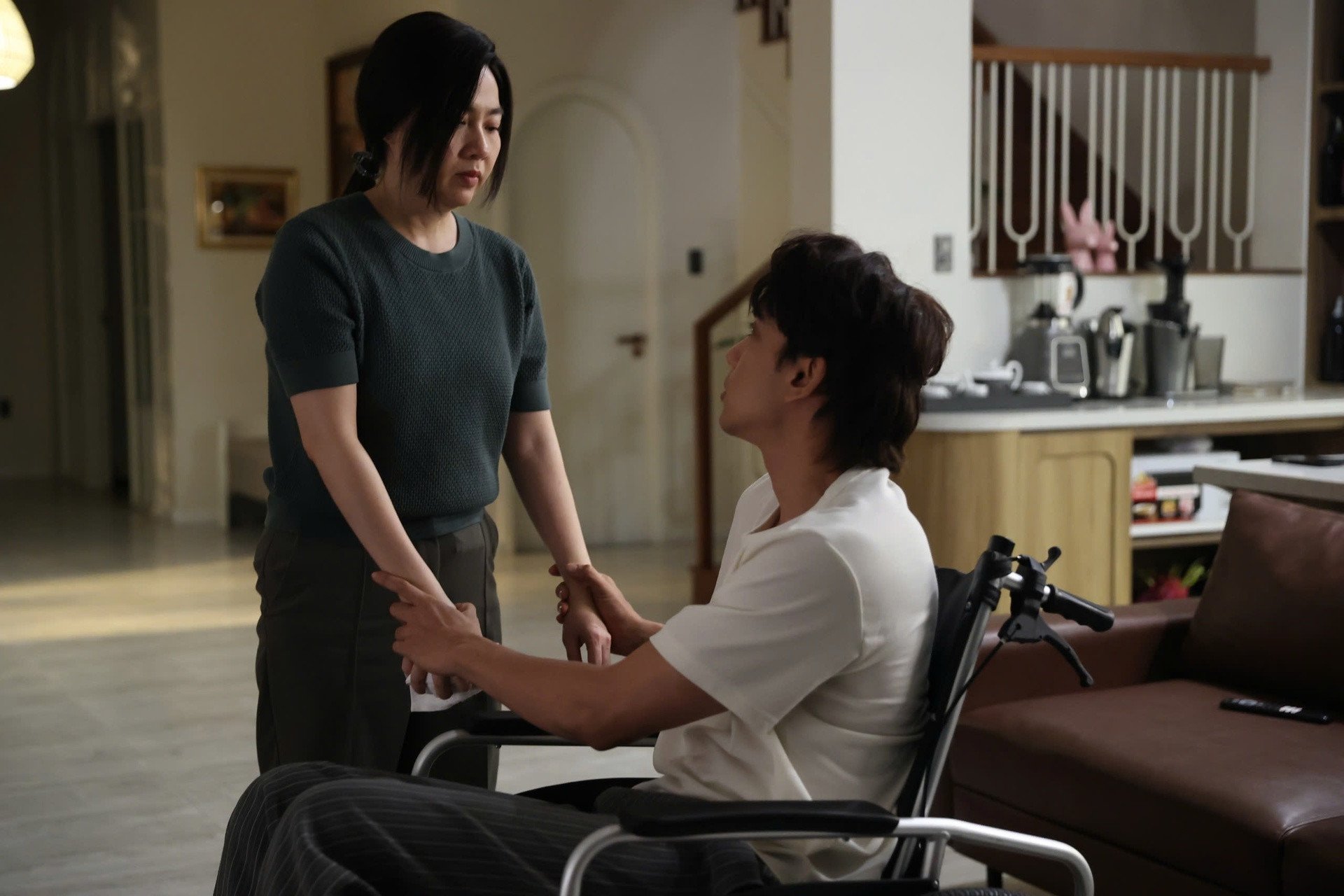
The film also scores points in its setting design, from the arrangement of contrasting images to the highlighting of many underlying themes throughout the movie. The contrast between the traditional incense-making village and the modern urban space serves as both a backdrop for the story and a metaphor for the gap between memory and the present, where family bonds are tested by fire amidst tragedies manifested in various forms.
Unfortunately, despite its clear strengths, Vu Thanh Vinh's film fell short in terms of box office revenue compared to others. Two Salts It premiered last year. The film has just opened with over [number] achievements. 6 billion VND - The numbers may not meet the production team's expectations.
Amidst a forest of highly entertaining films with diverse genres, from horror, action, comedy to animation, all fiercely competing, audience access to... When one sister falls, the other helps her up. This has inadvertently narrowed the scope. The film probably needs more effective marketing and communication campaigns to increase its chances of reaching the public.
Vu Thanh Vinh shared that after nearly 30 years working in television, he could still make a comfortable living without filmmaking. However, filmmaking is a challenge he has long yearned to conquer, a dream he has nurtured for many years. Therefore, even knowing that the playing field is harsh, the filmmaker from Soc Trang still wants to challenge himself.
Source: https://baoquangninh.vn/tiec-cho-chi-nga-em-nang-3378995.html






































































Comment (0)