The sixth-generation fighter jet is under development and is expected to bring about significant technological breakthroughs compared to previous generations.
Fourth-generation fighter aircraft are still widely produced around the world and are often categorized into sub-generations such as 4, 4+, and 4++. Improved versions of the fourth generation are often equipped with some features of fifth-generation aircraft.
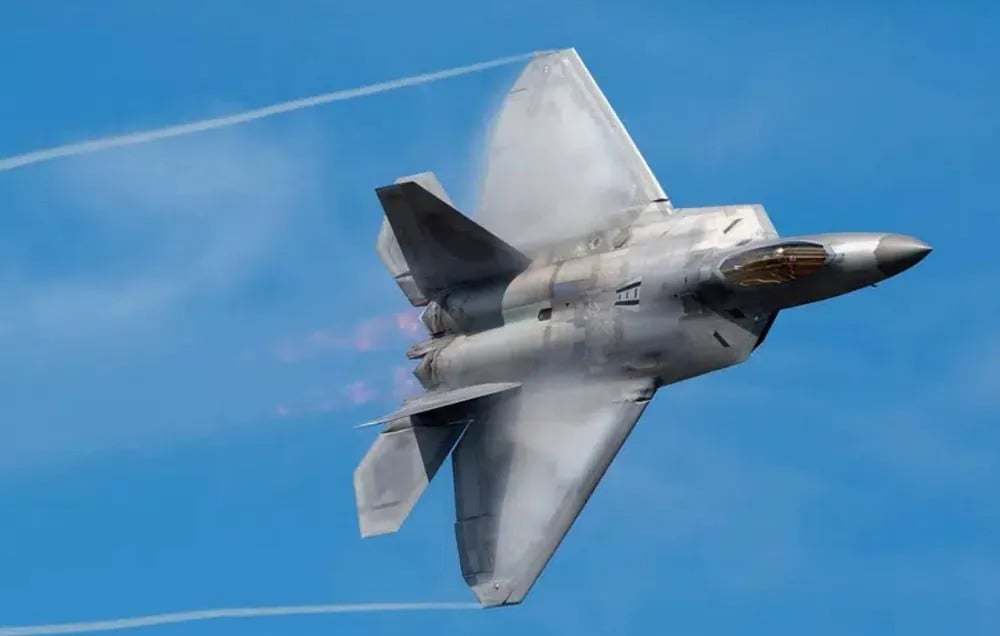
In 2005, the United States became the first country to deploy a fifth-generation fighter jet with the F-22 Raptor. Compared to previous generations of aircraft, the F-22 stands out thanks to its superior technological advancements.
As the first representative of the fifth generation, the most significant difference between the F-22 and fourth-generation aircraft is its stealth technology, which was integrated right from the design stage instead of focusing solely on aerodynamics and flight performance.
However, stealth capabilities are not the only factor that makes the F-22 special. This aircraft also possesses several core characteristics of the fifth generation, including a highly integrated computing system capable of connecting and interacting with other network platforms.
With its superior performance and multi-mission capability, the F-22 offers a significantly higher level of situational awareness compared to previous generations of fighter aircraft.
The F-22 also has the ability to fly supersonic without using afterburners, allowing it to maintain high speed without rapidly consuming fuel.
For an interceptor like the F-22, this capability allows it to approach targets at extremely high speeds while still ensuring sufficient fuel for combat.
Meanwhile, the F-16 Fighting Falcon – the US Air Force's fourth-generation mainstay fighter – can run out of fuel in just a few minutes if using afterburner mode.



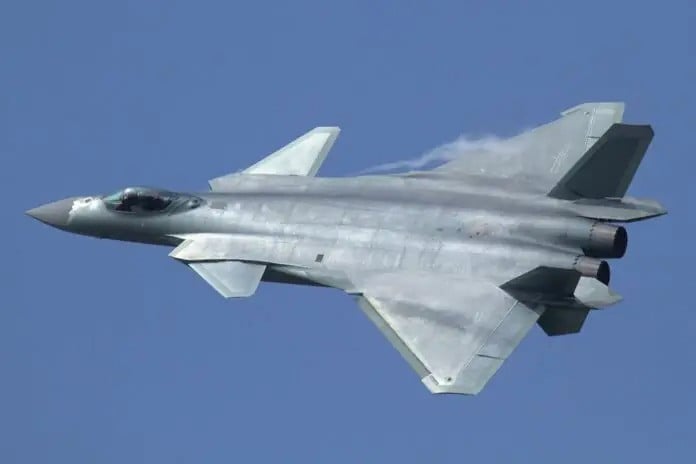
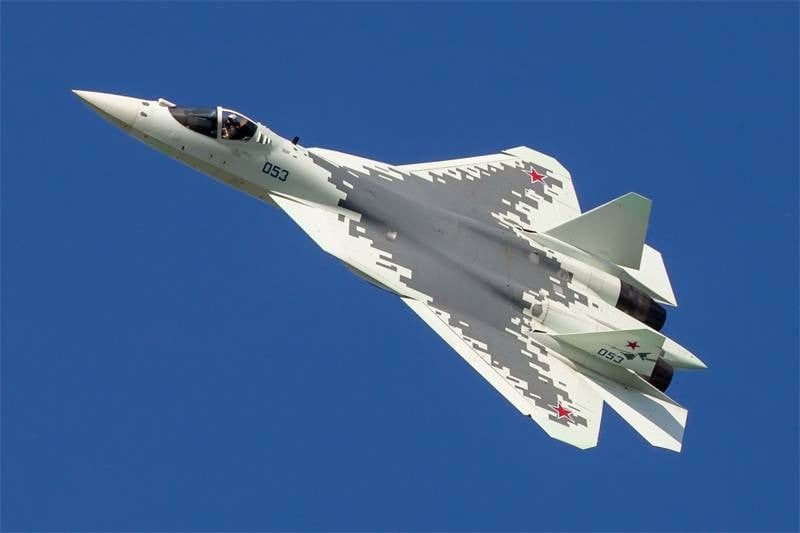
Currently, there are three fifth-generation fighter aircraft in operation worldwide: the F-22 and F-35 of the United States, the J-20 of China, and the Su-57 of Russia, although it is still under development.
Sixth-generation fighter jets: Breaking the boundaries of technology.
The sixth-generation fighter jet is currently under development and is expected to bring about technological breakthroughs compared to all previous generations.
Advances in core technologies are the foundation for revolutionary changes, not only in the design but also in the operation and use of next-generation fighter aircraft.
These advanced machines represent a combination of cutting-edge technology, strategic thinking, and groundbreaking design, pushing the boundaries of current air power capabilities.
They are not simply combat vehicles; they are "intelligent" systems equipped with artificial intelligence capable of processing massive amounts of data in real time, supporting rapid and accurate decision-making.
Sixth-generation fighter jets will possess high maneuverability and superior combat performance. They are equipped with advanced engines, modern flight control systems, and optimized design, enabling them to operate effectively in both close-range and long-range air combat.
Furthermore, they possess the ability to adapt flexibly to various tasks such as air defense, ground attack, reconnaissance, and operate in diverse combat conditions, providing a significant strategic advantage in the deployment and use of military forces.
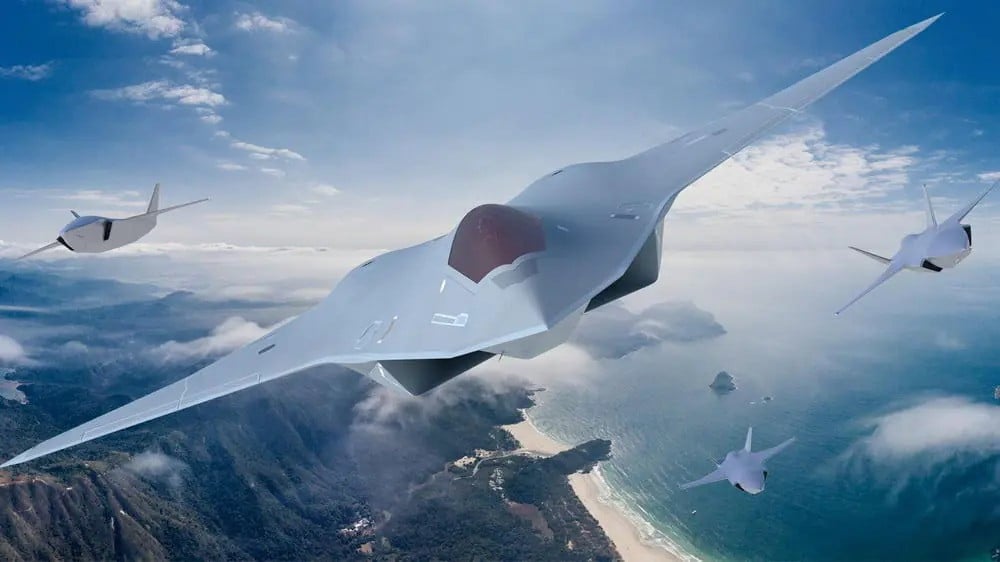
In terms of design, stealth technology will remain core. Sixth-generation fighter jets could be equipped with advanced skins that control heat distribution, reducing detectability by radar, infrared sensors, and heat-seeking systems, providing stealth capabilities across a wide range of signal spectra. Modular design will allow for quick component replacement and easy future upgrades.
In terms of capabilities, sixth-generation aircraft will be able to operate without a pilot. They can operate fully autonomously or be remotely controlled, opening up entirely new air combat tactics.



Advanced artificial intelligence systems will play a crucial role, not only in assisting with aircraft control but also in commanding squadrons of drones in both defensive and offensive missions.
In addition, they will be designed to generate a powerful electrical energy source, sufficient to power modern weapons such as lasers and hypersonic weapons.
Overall, the sixth-generation fighter jet marks a new step forward in air combat, combining advanced technology, high performance, and versatility.
They are a testament to the continuous development of military technology, helping to shape the future of global air power.
(According to Topwar)
Source: https://vietnamnet.vn/tiem-kich-the-he-thu-6-dot-pha-cac-ranh-gioi-cong-nghe-2383238.html


![[Photo] Strengthening character and expertise: Intense training for artillery soldiers.](https://vphoto.vietnam.vn/thumb/1200x675/vietnam/resource/IMAGE/2026/06/30/1782815602541_lu-368-1875-4571-jpg.webp)