


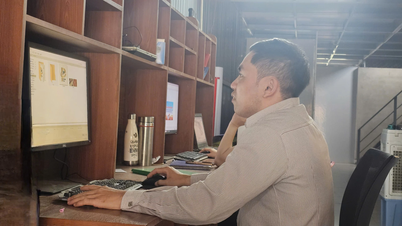
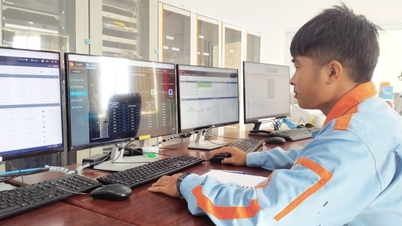
An Minh Power Company employees measure insulation resistance at a 22kV substation. Photo: THANH NHÃ
With prolonged hot weather and increased electricity demand, forming habits of saving and using electricity efficiently not only helps each family reduce living expenses but also contributes to reducing pressure on the power system, ensuring a safe and stable electricity supply.
Saving electricity has become a daily habit for Ms. Nguyen Thi Yen Linh's family in Dong Thai commune. Ms. Linh shared: "Previously, my family used many electrical appliances inefficiently, leading to high electricity bills. After adopting energy-saving practices as instructed by the electricity sector, my family has significantly reduced our monthly expenses."
According to Ms. Linh, in the past, during the hot season, she usually set the air conditioner to 24 ° C, but now she maintains it at 26-27 ° C to ensure both health and save electricity. In addition, she reminds family members to turn off unnecessary electrical appliances, especially during peak hours.
Ms. Nguyen Thi Diem My's family, residing in An Bien commune, also saves electricity through small but practical actions. When purchasing electrical appliances, she prioritizes products with energy-saving labels; at the same time, she reminds family members to unplug appliances such as televisions, sound systems, and electric fans when not in use to avoid unnecessary energy consumption. "When using the air conditioner at night, my family usually sets it to 27 ° C, combines it with a timer to turn it off, and uses a fan to take advantage of the cool air until morning. Thanks to this, we save about 20-30% on electricity costs each month," Ms. My said.
Given the increasingly evident impacts of climate change and rising electricity demand, saving electricity is no longer solely the responsibility of the power industry but has become a practical action for every citizen, every family, and the entire society. Every light bulb switched off at the right time, every air conditioner set appropriately, every small habit maintained daily… all contribute to a safer electrical system.
According to Dong Luu Nghiem, Deputy Director of An Giang Power Company, during hot weather, millions of electrical devices operate simultaneously due to a sharp increase in electricity demand. This not only increases electricity bills for many households but also puts significant pressure on the power system, posing a risk of overload and affecting the safe and continuous supply of electricity. “The prolonged hot weather has led to a sharp increase in electricity consumption in the province, with power usage at many times predicted to exceed peak levels compared to previous years. To ensure a safe and stable electricity supply and contribute to reducing pressure on the power system as well as the living costs of the people, we call on all citizens to use electricity economically and efficiently,” Mr. Nghiem said.
According to recommendations from An Giang Power Company, people should set air conditioners to 26 ° C or higher and combine them with electric fans to increase cooling efficiency and save electricity. At the same time, it is necessary to turn off lights, fans, televisions, and air conditioners when leaving the room; do not leave lights on or appliances running in unoccupied spaces. In addition, unplugging electrical devices when not in use is also essential because many devices still consume electricity even when switched off.
People should make the most of natural light and ventilation during the day to reduce the time spent using electrical appliances. Limiting the simultaneous use of multiple high-power appliances during peak hours helps reduce pressure on the power system. Prioritizing LED lights, energy-labeled appliances, and inverter technology is a one-time investment that yields long-term benefits. In addition, regular cleaning of air conditioners, electric fans, and refrigerators helps appliances operate more efficiently, extends their lifespan, and saves energy.
Source: https://baoangiang.com.vn/tiet-kiem-dien-mua-nang-a481284.html


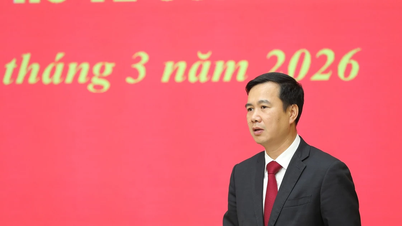
![[Photo] Conference announcing the Politburo's Decision on organizational and personnel matters](https://vphoto.vietnam.vn/thumb/1200x675/vietnam/resource/IMAGE/2026/04/01/1775017881825_bnd-2410-1472-jpg.webp)




![[Photo] Hue is breathtakingly beautiful during the season when the paulownia trees bloom.](https://vphoto.vietnam.vn/thumb/402x226/vietnam/resource/IMAGE/2026/04/01/1775007083317_anh-hue-dep-nao-lo_615_1775006800.png)




























































Comment (0)