

When it comes to dried shrimp, people in the Mekong Delta immediately think of dried shrimp from Ca Mau or Vinh Kim (Tra Vinh). However, dried shrimp from Ca Mau remains the most popular due to its distinctive flavor.
Making a fortune from freshwater shrimp.
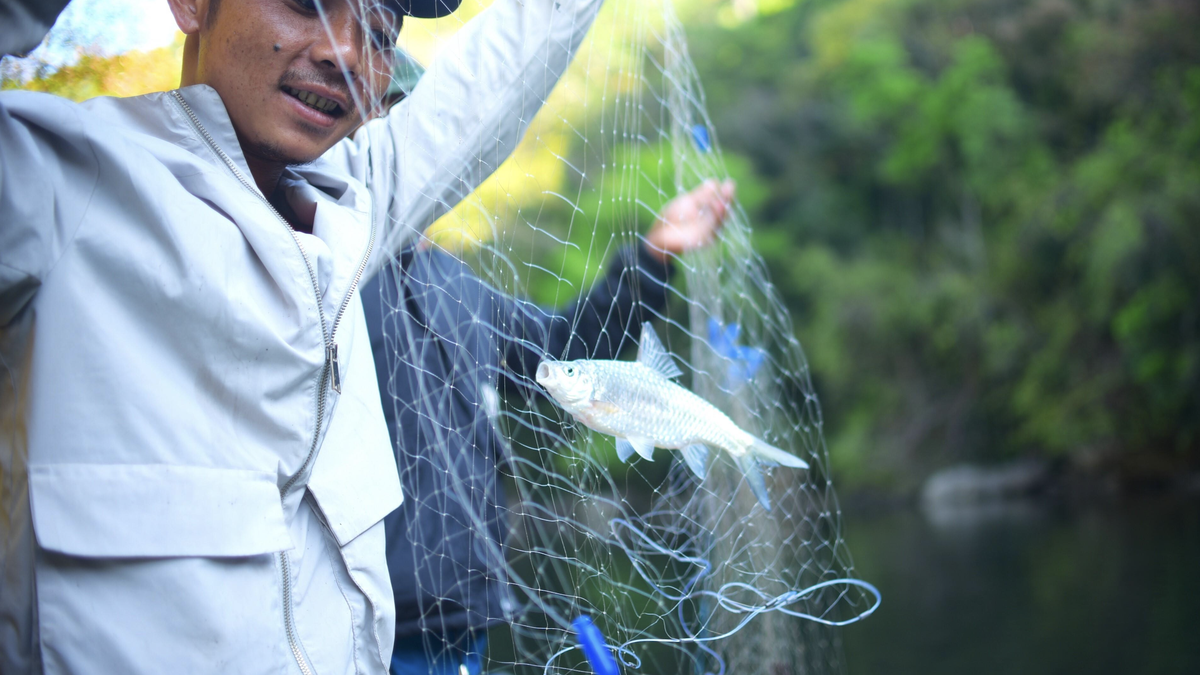
Ca Mau dried shrimp is made from freshwater shrimp, a type of naturally occurring shrimp. Unlike tiger shrimp and whiteleg shrimp, to date, no place has been able to produce freshwater shrimp larvae. Freshwater shrimp are abundant in shrimp farms, and people harvest them twice a month during the full moon and 30th of the lunar month.
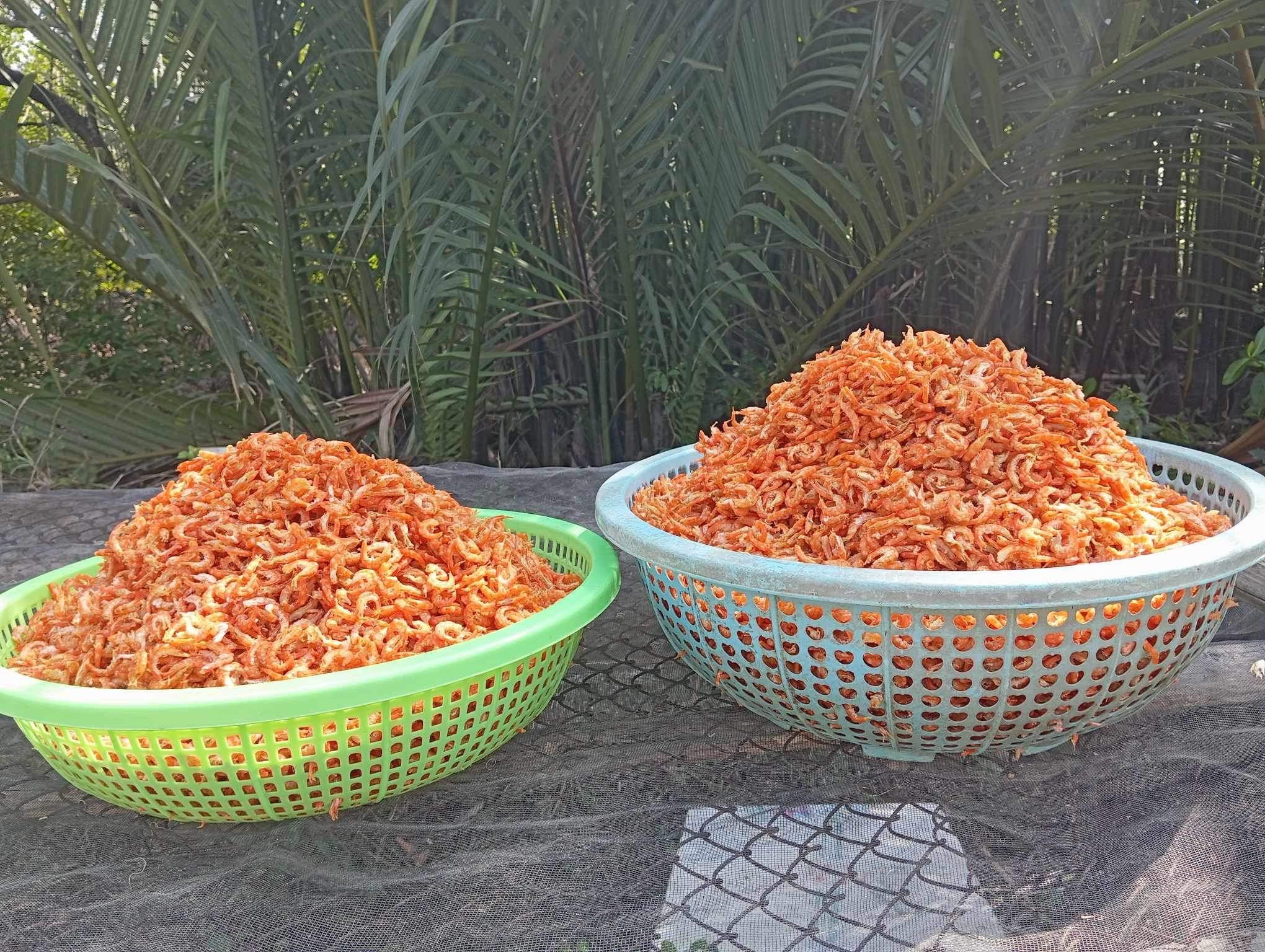
Ca Mau dried shrimp is made from freshwater shrimp, a type of naturally occurring shrimp.
Most connoisseurs will choose freshwater prawns rather than tiger prawns or whiteleg prawns (two types of prawns commonly farmed industrially). Fresh freshwater prawns can be stir-fried with salt, used in noodle soup, sour soup, boiled and wrapped in rice paper with fresh vegetables, grilled with chili and salt, or made into fermented prawn sauce…
When there's an abundance of freshwater shrimp, people dry them, which allows for longer preservation and higher sales. Ms. Cam Tu (from Nam Can District, Ca Mau Province), who has over 10 years of experience in making dried shrimp, says that selecting the right shrimp is crucial for making delicious dried shrimp. She only buys live freshwater shrimp (oxygenated) or shrimp that are weighed immediately after being caught in a net; she absolutely refuses to buy shrimp preserved in ice. This ensures that when boiled, the shrimp don't break off their heads, the shells peel easily, the flesh is shiny and beautiful, and they retain their natural firmness and sweetness.
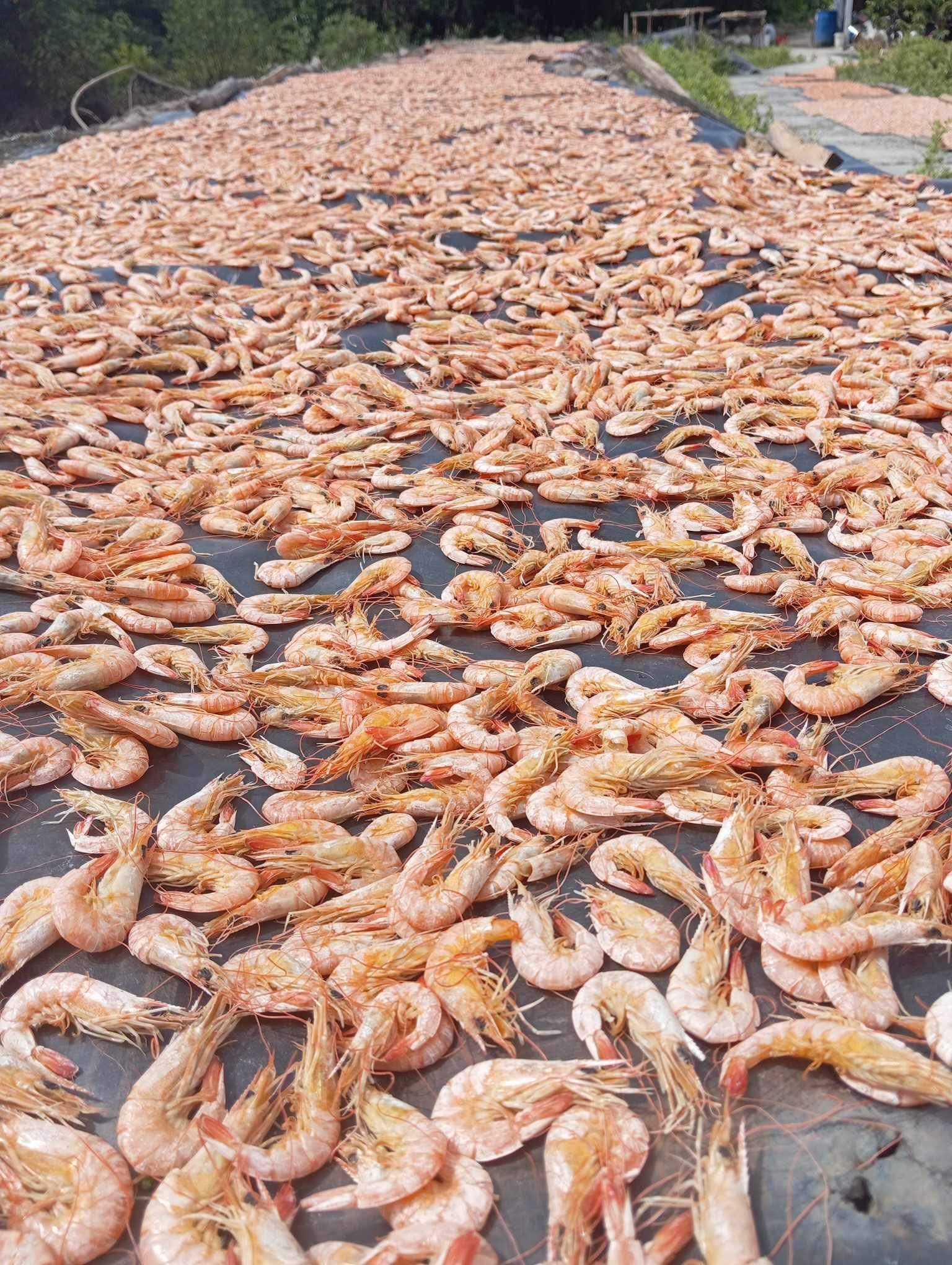
If the weather is sunny, boil the shrimp and then dry them in the sun for about a day and a half.
"Although they're both freshwater shrimp, Năm Căn shrimp are firmer than those from Đầm Dơi and Cái Nước, possibly due to the water environment. With Năm Căn freshwater shrimp, about 7 kg of fresh shrimp yields 1 kg of premium dried shrimp (the largest size). With Đầm Dơi and Cái Nước freshwater shrimp, nearly 8 kg of fresh shrimp yields 1 kg of dried shrimp," Ms. Tú added.
To boil dried shrimp, you must use coarse salt, not fine salt. Ms. Tú's experience is to use white coarse salt (more expensive than black coarse salt) to avoid affecting the shrimp's natural color. Bring a pot of water to a boil, then add the shrimp and stir until the shells turn evenly red. Then add the salt, stir again, and remove from the water. The boiling time for shrimp is 10-15 minutes.
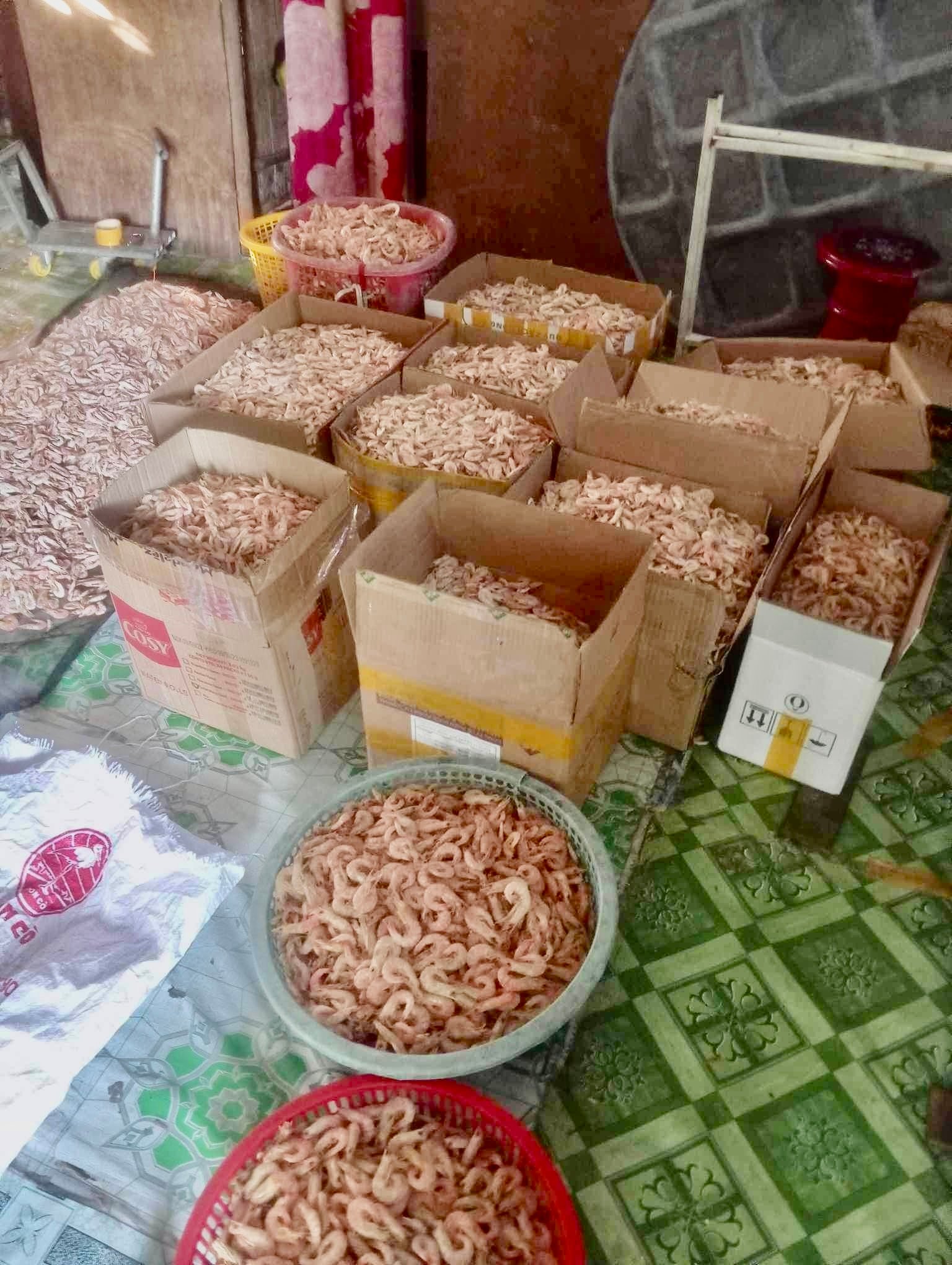
After drying the shrimp, put them in a bag, crack the shells, and remove the innards.
Typically, Ms. Tú boils the shrimp early in the morning, waits for the sun to rise, and dries them for a full day. The next day, she dries them until around 11 a.m. (if the sun is good) before stopping. Then, she puts the shrimp in bags, cracks the shells, and hires people to remove the navels. If the shrimp are large, one person can remove 4-5 kg per day, earning 20,000-30,000 VND per kg, depending on the season.
Normally, dried shrimp is the most expensive dried food item in the Mekong Delta. About a month before Tet (Lunar New Year), prices start to rise, and they increase even more as Tet approaches. Grade 1 shrimp ranges from 1.35 to 1.4 million VND/kg; grade 2 shrimp costs 1.1 to 1.2 million VND/kg. There is also dried shrimp with the shell on, priced at 700,000 to 750,000 VND/kg.
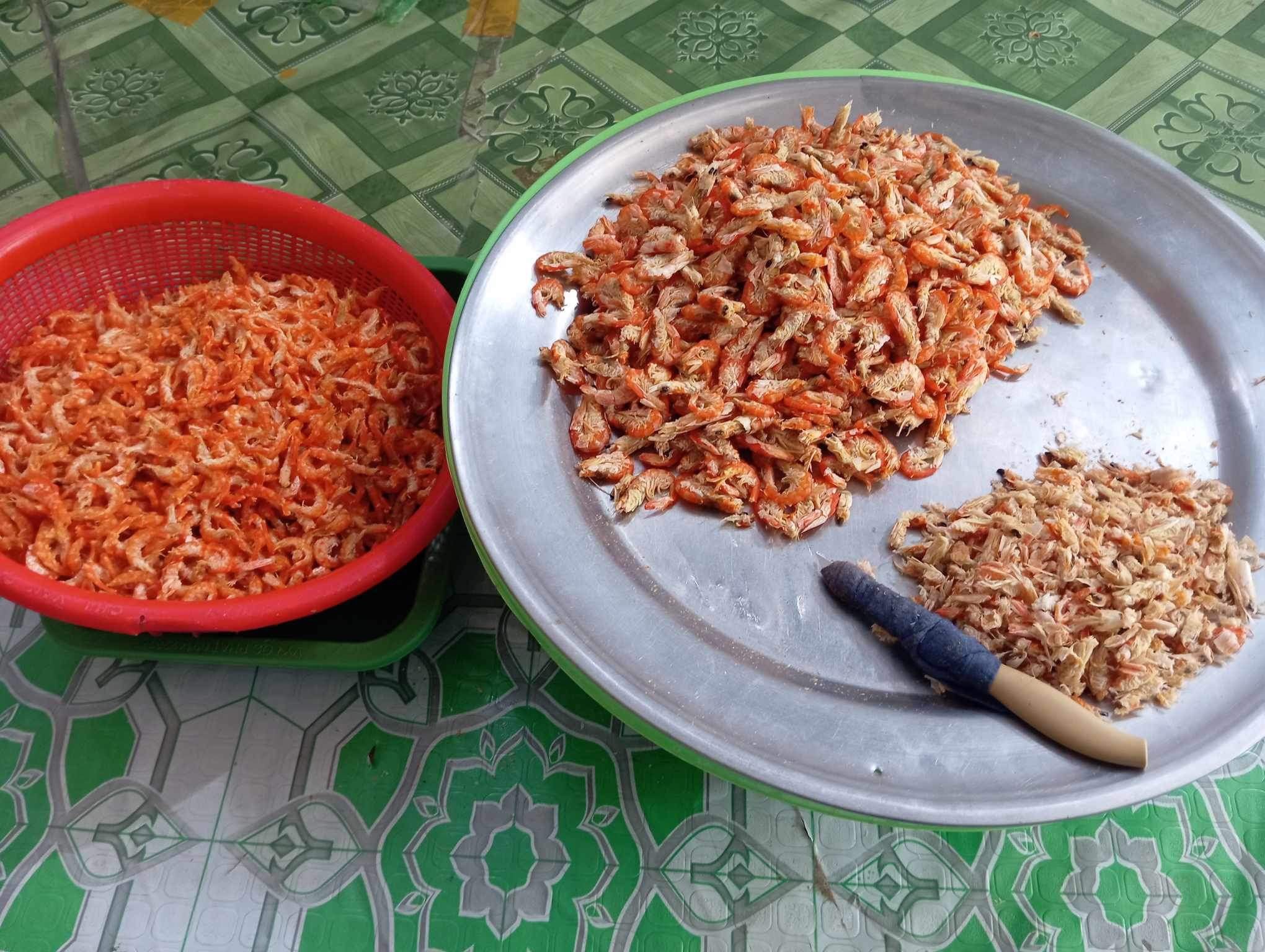
For the shrimp gut removal process, one person can remove 4-5 kg of shrimp per day, earning 20,000-30,000 VND per kg.
When giving dried shrimp as a gift, don't forget to give thorough instructions.
People in Ca Mau are generous and hospitable. Therefore, no matter how expensive dried shrimp is, they buy it to give to their loved ones. Many families even hesitate to buy it for themselves, but readily purchase it as a gift, considering it a precious and practical present during Tet (Lunar New Year).
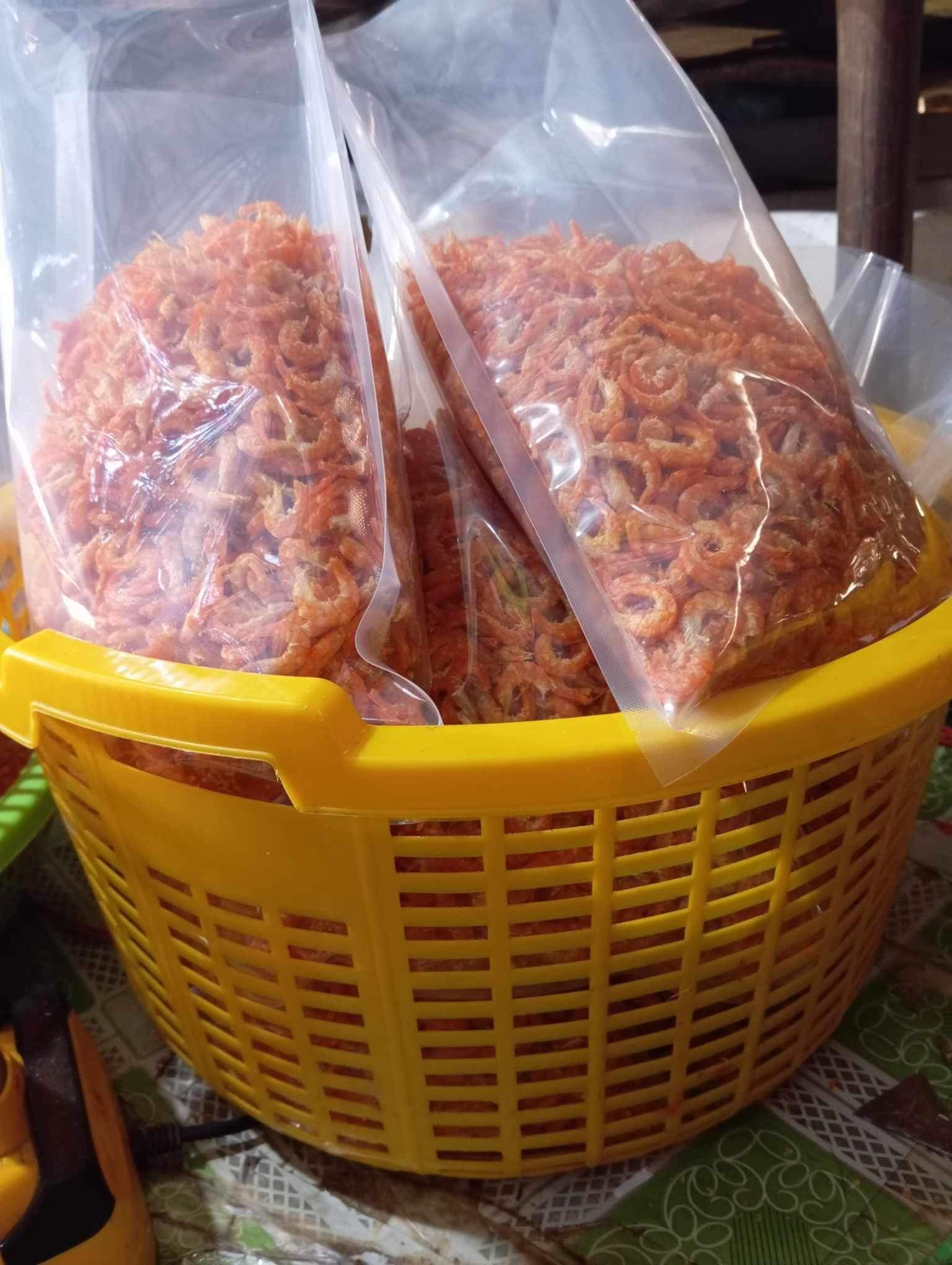
Place the shrimp in a vacuum-sealed plastic bag.
Many people in Ca Mau are thoughtful; when giving dried shrimp as a gift, they don't forget to give careful instructions. If eating immediately, put it in a jar and store it in the refrigerator's cool compartment; any portion that isn't eaten and needs to be stored for a long time should be put in the freezer. This method helps keep the shrimp meat tender and preserves its natural reddish-orange color.
More than 10 years ago, before vacuum sealing machines became common, dried shrimp were carefully wrapped in oil paper (a thick, absorbent type of paper often used to wrap granulated sugar), then placed in a very thin white plastic bag for aesthetic purposes. Nowadays, dried shrimp are vacuum-sealed; while not as visually appealing, they last longer. Compared to many other dried foods, dried shrimp have the longest shelf life if prepared correctly.
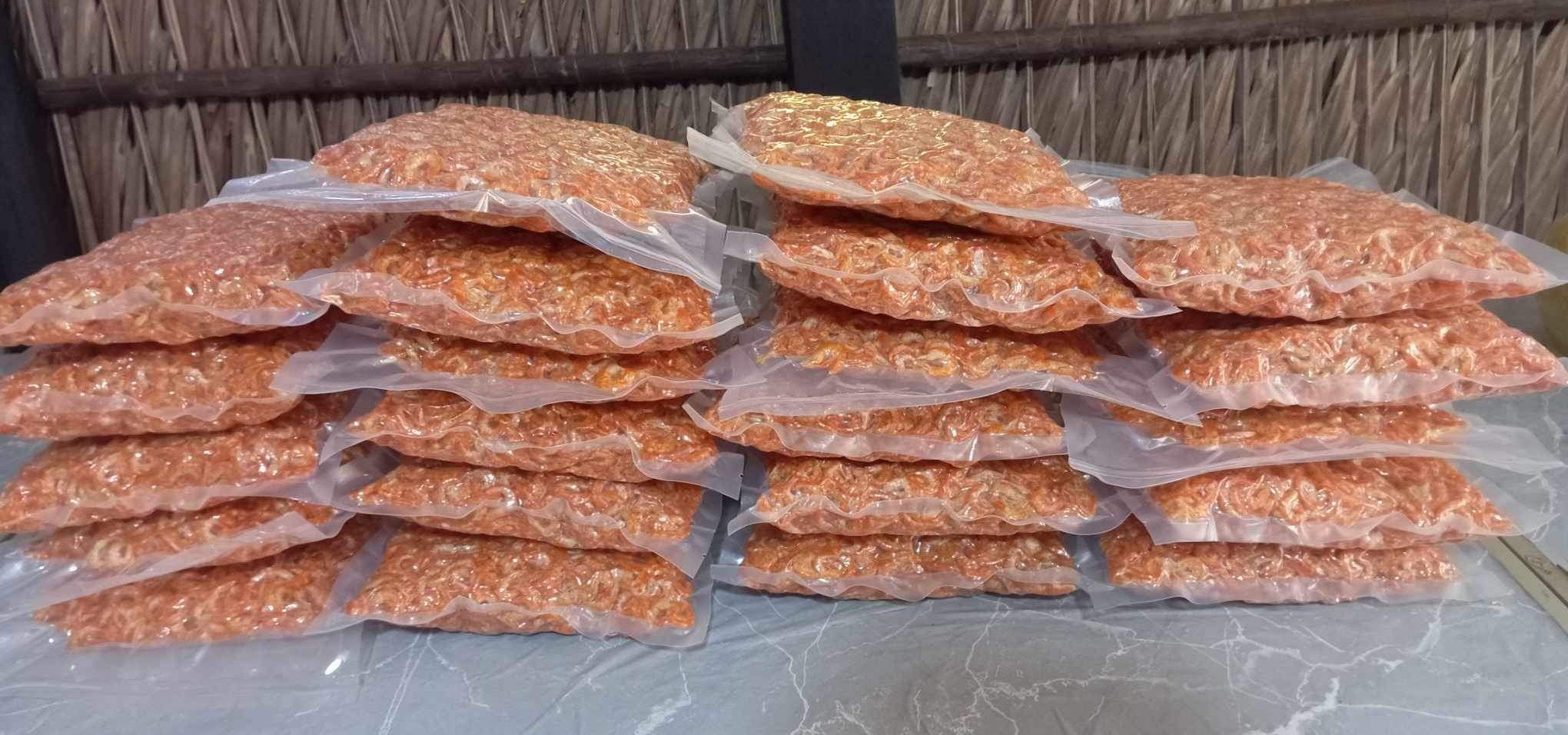
Vacuum-packed dried shrimp can be preserved for longer.
Dried shrimp is "famous" in the Mekong Delta for possessing many "bests": the most expensive; the easiest to preserve; the most convenient to use; and the most versatile in cooking... During Tet (Lunar New Year), almost every household in Ca Mau prepares some amount of dried shrimp to entertain guests. Dried shrimp served with pickled shallots is a popular and appealing dish at Tet celebrations.
While all other dried foods need to be grilled or fried before consumption, dried shrimp can be eaten immediately after purchase. Dried shrimp can be used in many different ways, depending on individual taste. For example, you can roast them with coarse salt and black pepper as a snack, add them to instant noodles, or cook them in soup with bitter melon or winter melon. On busy days when you don't have time to cook, you can simply add dried shrimp to a bowl of soy sauce with some green chili peppers for a delicious meal. If the dried shrimp are small, you can braise them in a dry sauce – it's addictive! Some people even add a little dried shrimp to their vermicelli soup to enhance the sweetness of the broth…
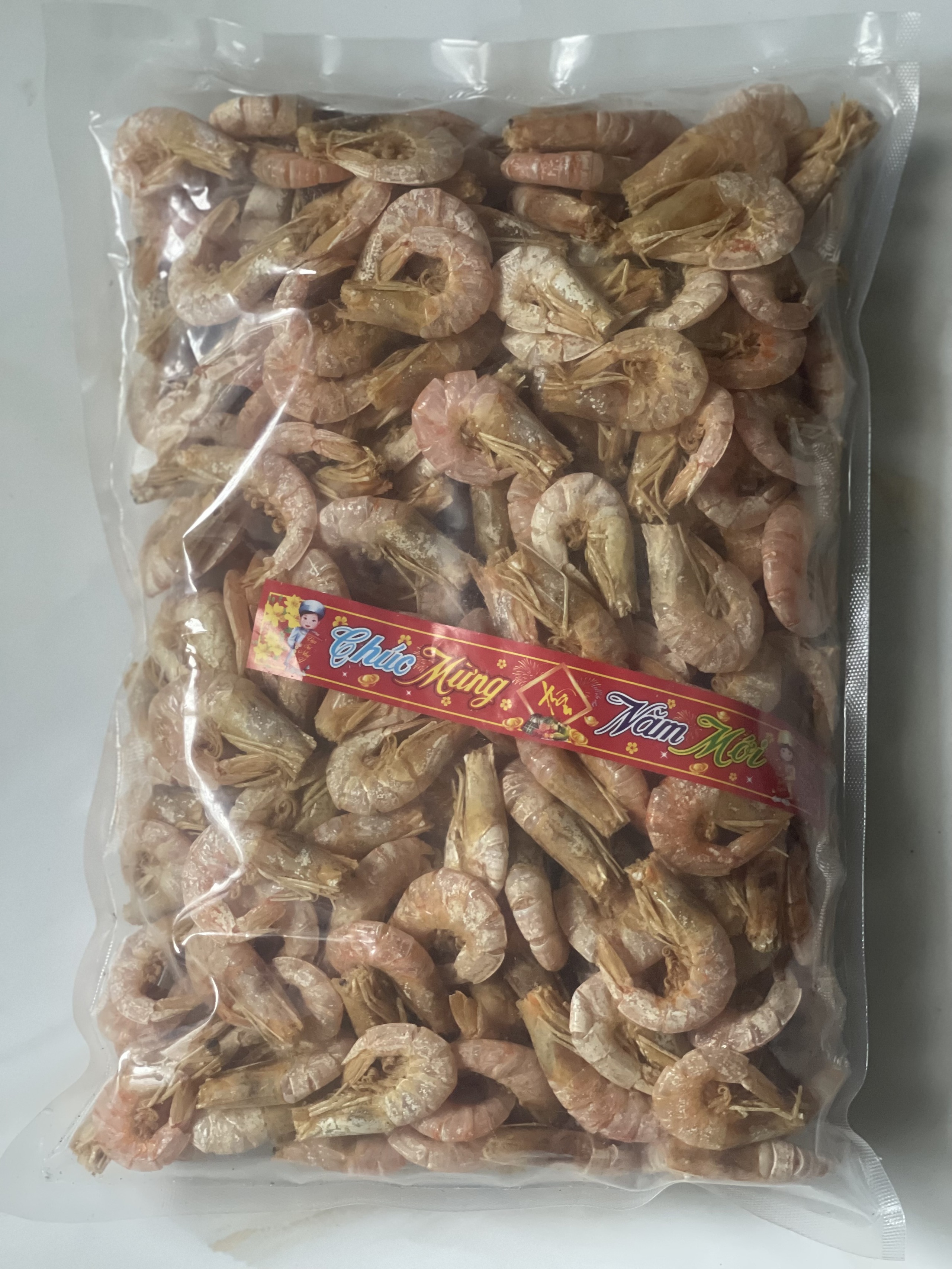
Dried shrimp with the shell on is often chosen as a snack to enjoy with drinks.
Dried shrimp from Ca Mau is not only popular with domestic consumers but is also a favorite purchase for many overseas Vietnamese whenever they visit their homeland.
Source link
















































































Comment (0)