

On June 29, the General Statistics Office announced that in the first six months of 2023, the gross domestic product (GDP) increased by 3.72%, only slightly higher than the 1.74% growth rate of the first six months of 2020 during the period 2011-2023.
Analyzing the lower-than-expected growth rate, a representative from the General Statistics Office explained that the reason was the global economic downturn and reduced consumer demand, which created difficulties for domestic production. Specifically, the world context continues to be complex and unpredictable, with more intense strategic competition among major powers, leading to the participation of many countries and regions.
Rising inflation in some major import markets has also led to tighter consumer demand, impacting export opportunities and market access for domestic businesses.
Furthermore, tight monetary policy has had a strong impact on businesses, economic activities, investment, and global consumption. The global economy continues to decline, with many major economies experiencing slower growth. According to forecasts from international organizations in June 2023, global economic growth in 2023 is expected to increase slightly compared to the initial forecast, but will still be 0.5 to 1 percentage point lower than the growth rate in 2022.
The slow and uncertain recovery of the Chinese economy is also impacting domestic production.
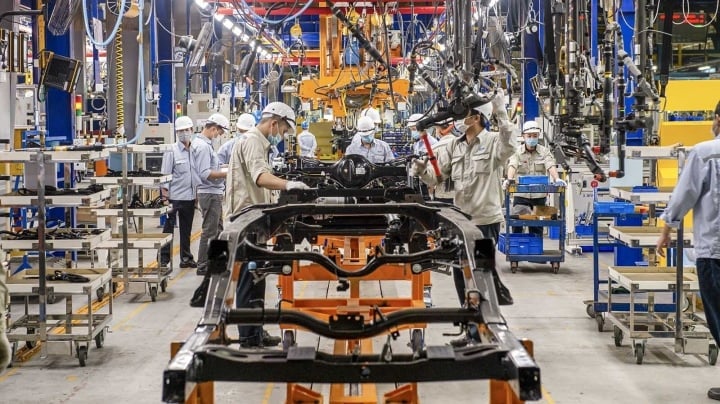
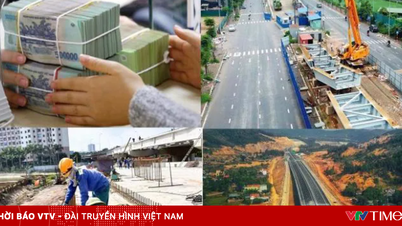
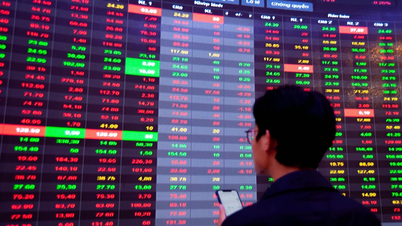
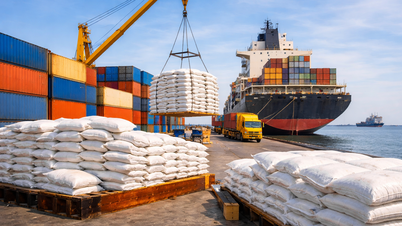
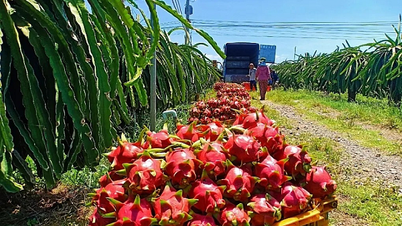
According to the General Statistics Office, the global economic downturn and decreased consumer demand have created many difficulties for domestic production. (Illustrative image)
The General Statistics Office also highlighted domestic causes. These include: industrial production, exports, and tourism have not fully recovered, being affected by difficulties and challenges from outside. Export orders have decreased due to weak demand in the US and the Eurozone; the disbursement of public investment capital – a crucial growth driver in the current context – has not significantly improved. Some key markets such as currency, stocks and corporate bonds, real estate, and labor markets are revealing risks, with tighter liquidity; access to capital for businesses is more difficult, posing a significant challenge.
Although GDP growth in the first six months of the year did not meet expectations, according to the General Statistics Office, this growth rate is appropriate in the current global economic context. To stabilize and promote economic growth in the coming months, all sectors of the economy need to actively implement decisive and synchronized solutions to boost growth and overcome difficulties.
Accordingly, it is necessary to stabilize the macroeconomic situation and control inflation; continue to closely monitor the international economic and financial situation; track and assess the positive impact on the manufacturing sector, and make further strong monetary policy adjustments if necessary, to support this sector in boosting production activities.
Harmoniously coordinating macroeconomic policies, balancing inflation control and growth; interest rates and exchange rates; budget balance and support for people and businesses; and public investment, FDI, and private investment, given that private investment growth is relatively low compared to the other two capital channels.
Accelerate the disbursement of public investment; improve the investment and business environment, and minimize administrative procedures to take advantage of supply chain shifts, create and promote domestic and foreign investment, increase productivity, and reduce production and business costs.
Effectively implement appropriate solutions to stimulate trade and services, promote and boost tourism development; solutions to expand and diversify export markets and products; effectively utilize signed Free Trade Agreements (FTAs); stabilize the market for essential goods...
Why has the value of goods exports and imports decreased?
In the first six months of the year, Vietnam's total import and export turnover of goods is estimated at US$316.7 billion, a decrease of 15.2% compared to the same period last year. However, the General Statistics Office emphasizes that the growth in the first six months of the previous two years was very high (17% in 2022; 33.1% in 2021). In terms of scale, the first six months of 2023 are equivalent to the first six months of 2021 (total turnover equals 99.3%, of which exports are 103.7%; imports are 94.9%).
According to a report by Tradingeconomics updated in April 2023 for 16 major economies worldwide , 13 out of 16 countries (81.3%) experienced a decline in exports; 12 out of 16 countries (75%) also saw a decline in imports in April.

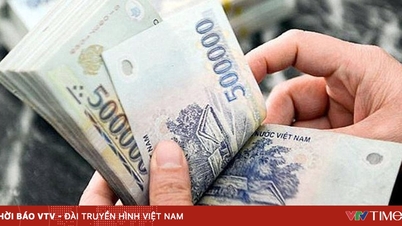
Vietnam's total import and export turnover in the first six months of the year is estimated at 316.7 billion USD, a decrease of 15.2% compared to the same period in 2022.
" Therefore, the growth in Vietnam's import and export turnover in the first six months of the year is considered a bright spot amidst declining global demand. At the same time, Vietnam's trade balance reached US$12.3 billion, the highest in the last 10 years, contributing to Vietnam's economic growth ," the General Statistics Office stated.
Furthermore, the fact that China is Vietnam's largest bilateral trading partner and has truly opened its economy will also be a positive factor for Vietnam's import and export of goods, especially for agricultural, forestry, and aquatic products.
Looking ahead, the General Statistics Office stated that, given Vietnam's economy is still facing inflation in the final months of the year, impacting export-oriented manufacturing businesses; the economic recession in many countries worldwide; and geopolitical conflicts leading to a decline in global consumer demand (a factor that is difficult to predict in the near future), this will adversely affect Vietnam's import and export activities in the final months of 2023.
Solutions aimed at boosting export activities in the coming period include continuing to make good use of trade agreements (especially the signed FTAs) and striving for trade promotion activities, promoting market diversification and product diversification to reduce dependence on traditional markets and product lines, specifically the markets of Northern Europe, Eastern Europe, Latin America, etc.
Closely monitoring developments in the global economy, especially the policies of major economies such as the US, China, the EU, and Japan, which affect trade with Vietnam, allows for timely warnings to be issued to the business community so that appropriate responses can be made.
Improve efficiency and regulate the speed of customs clearance for import and export goods at border gates between Vietnam and China, especially for seasonal agricultural and aquatic products; and at the same time promote official exports associated with brand building.
Vietnam has kept inflation under control during the first six months of the year.
In the first six months of 2023, commodity prices on the international market experienced significant fluctuations, influenced by economic and political factors, strategic competition between major powers, the Russia-Ukraine military conflict, tight monetary policies leading to decreased consumer demand in many countries and slower growth, and inflation, while trending downward, remained high.
Compared to other countries, Vietnam does not belong to the group of countries with high inflation rates, with inflation in June 2023 increasing by 2.0% compared to the same period of the previous year.

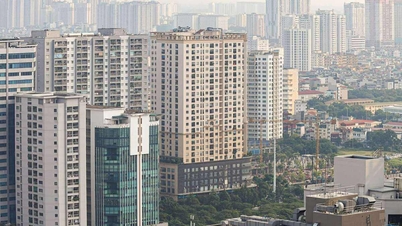
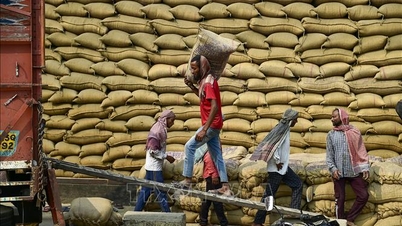
Vietnam does not belong to the group of countries with high inflation rates. (Illustrative image)
To continue controlling inflation in 2023 to achieve the target set by the National Assembly, the General Statistics Office recommends that the Government, ministries, sectors, and localities closely monitor price and inflation developments worldwide, promptly warn of risks affecting prices and inflation in Vietnam, and take appropriate response measures to ensure supply and stabilize domestic prices.
Ministries, departments, and localities should prepare sufficient supplies to ensure timely fulfillment of people's needs, especially for food, essential goods, and consumer services.
Regarding petroleum products, it is necessary to ensure the domestic supply of petroleum products and prevent supply disruptions. It is also necessary to control the prices of input materials and increase the use of domestic raw materials to gradually replace imports.
Deciding on the appropriate level and timing of price adjustments for state-managed services is crucial to avoid creating cost-push inflation and generating expected inflation in the economy.
The government continues to manage monetary policy proactively, flexibly, and cautiously, coordinating closely with fiscal policy and other macroeconomic policies to control inflation according to the set target. In particular, it needs to ensure the adequate and timely supply of credit to the economy while not being complacent about inflation risks.
Dao Bich
Beneficial
Emotion
Creative
Unique
Wrath
Source



![[Photo] Young people of the Dong Thap Border Guard actively participate in "March Border Month" activities.](https://vphoto.vietnam.vn/thumb/1200x675/vietnam/resource/IMAGE/2026/03/23/1774248483508_ndo_tl_dt3-jpg.webp)


















































































Comment (0)