

The event of a leading Chinese tourism group coming to Ho Chi Minh City to sign a cooperation agreement to research and build a duty-free shopping center, aiming to attract millions of Chinese tourists to Vietnam to spend money, has once again rekindled ambitions for the country's largest economic hub to become a "shopping paradise".
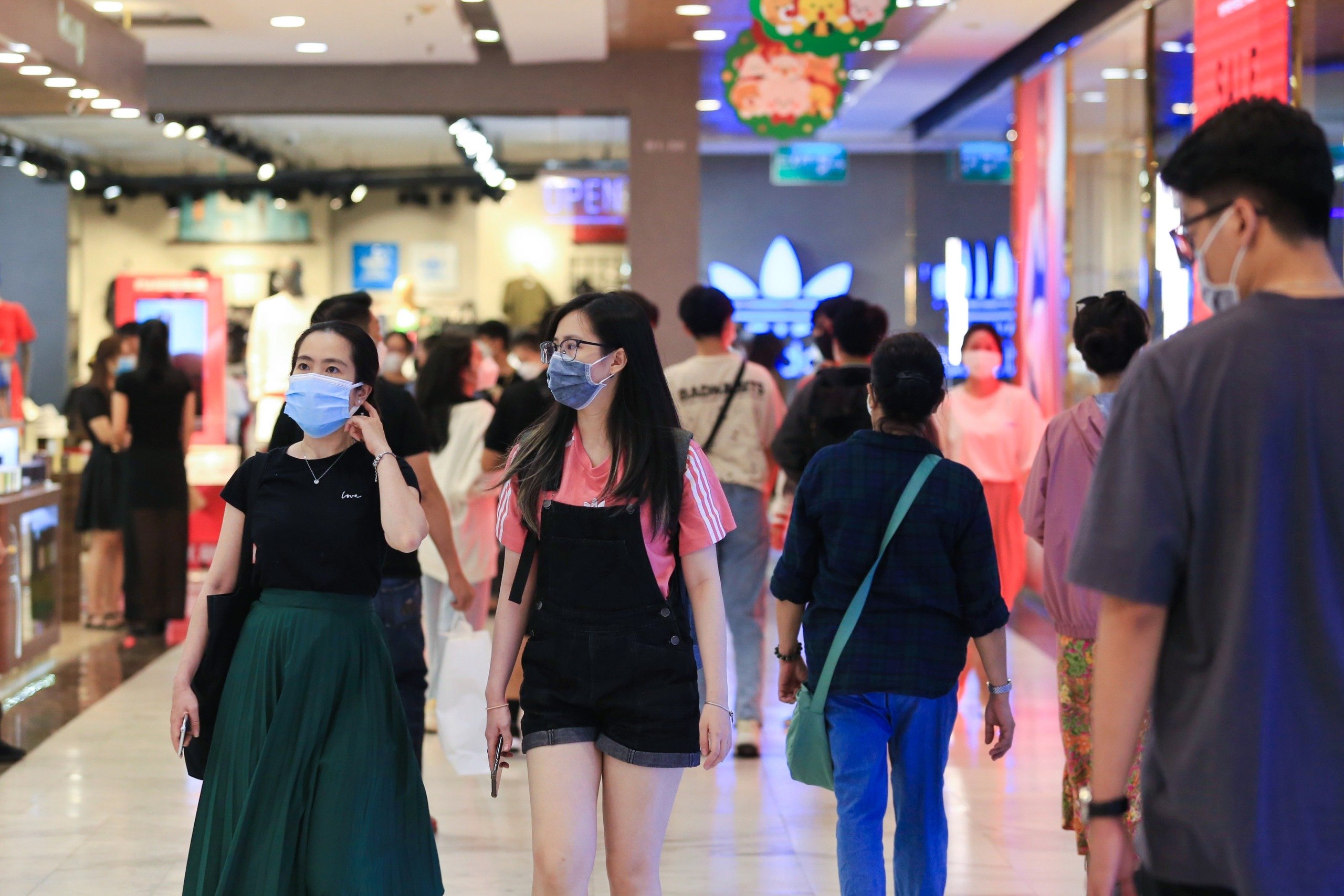
Ho Chi Minh City still has great potential for developing shopping tourism .
A fertile land left untapped
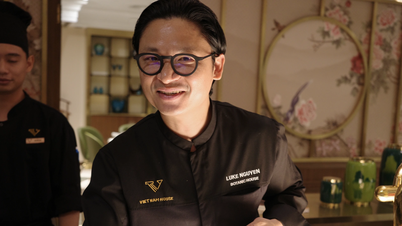
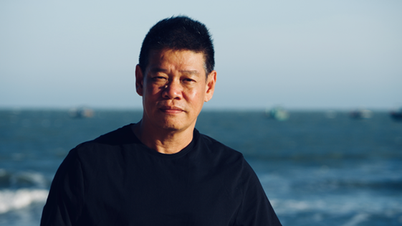
"Three duty-free shopping centers opened in three top destinations will attract approximately 20 million Chinese tourists to Vietnam each year. These are all high-end, high-spending tourists, contributing to structural adjustments and helping Vietnam attract luxury tourists from this market," emphasized billionaire Jonathan Hạnh Nguyễn, Chairman of Lien Thai Binh Duong Import-Export Company Limited (IPPG), at the signing ceremony of a memorandum of understanding with China Tourism Group (CTG) regarding the opening of three duty-free shops in Ho Chi Minh City, Mong Cai City, and Nha Trang City.
It's not just now that Ho Chi Minh City leaders are paying attention to shopping tourism. Since the beginning of 2019, the City People's Committee has assigned the Institute for Development Research to develop a plan to transform the city into a shopping and commercial hub for the region and the whole country.
Data from the Institute for Development Studies at the time showed that trade accounted for the largest share in the city's economic structure but had not been exploited effectively. In the context of slowing economic growth, developing the trade sector to match its potential and advantages would significantly contribute to the city's economic growth.
However, interrupted by the pandemic, the project was only resumed in 2021 with the goal of rapidly developing Ho Chi Minh City into a regional and national shopping and commercial hub during the 2021-2025 period, and aiming for a regional Asian-level position by 2026-2030. Yet, now nearing the end of Phase 1, Ho Chi Minh City remains largely unknown on the Southeast Asian shopping tourism map.
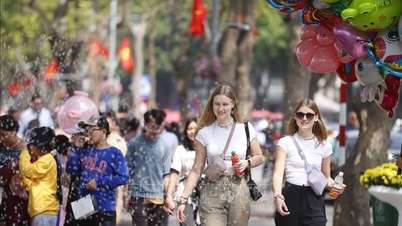
Ben Thanh Market is a famous shopping area, but it mainly sells counterfeit or low-quality Chinese goods such as clothing, shoes, accessories, and jewelry. The city also has high-end shopping streets like Dong Khoi, and shopping streets offering low- to mid-range options like Nguyen Trai; hundreds of shopping establishments have been granted tourism-standard shopping service certifications and offer VAT refunds to tourists... but these segments are not well-organized and operate in a fragmented manner, failing to create a significant impact.
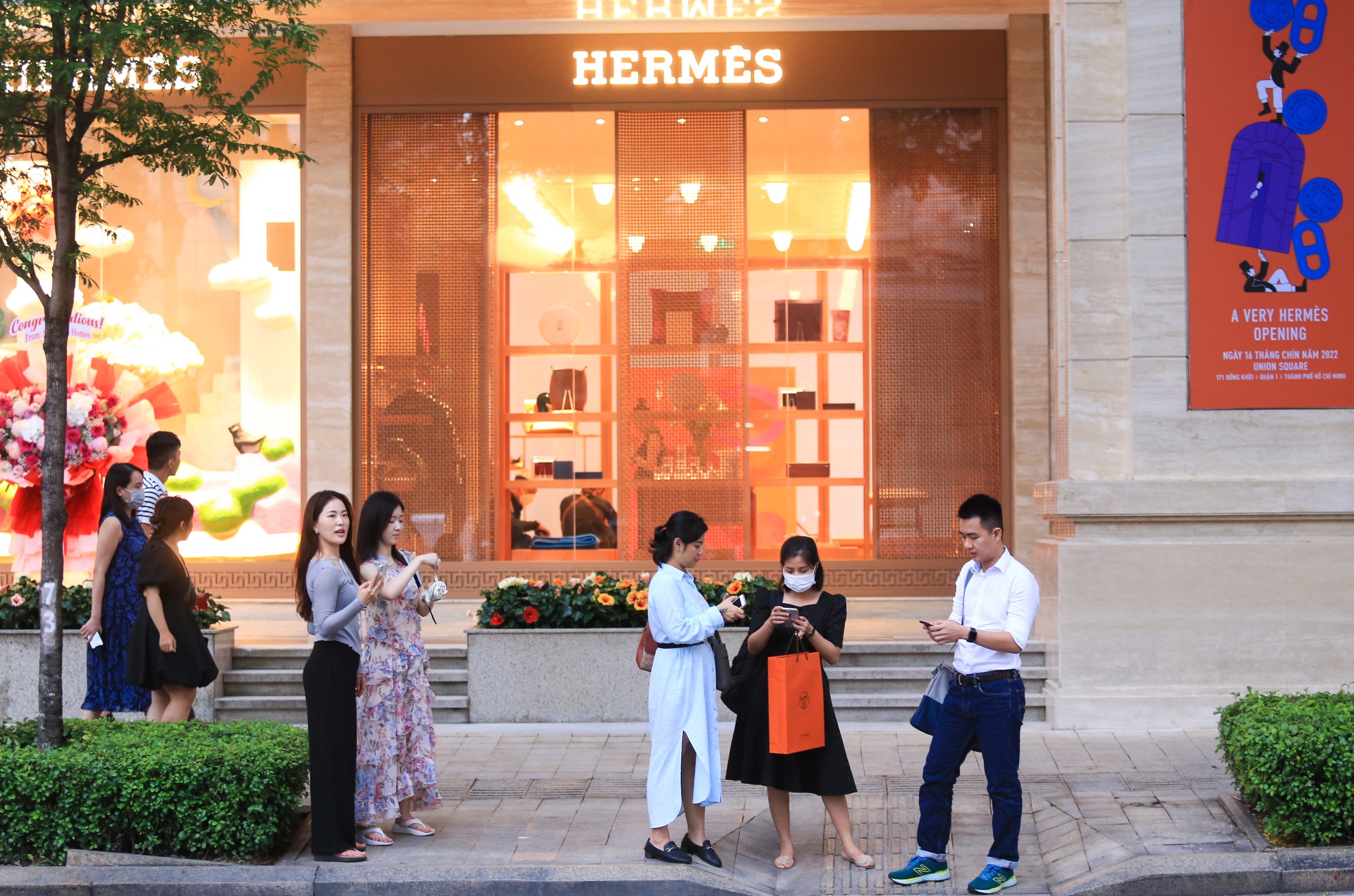
The "battleground" for luxury brands is still largely untapped in Ho Chi Minh City's shopping tourism structure.
There will be massive complexes for visitors to spend their money.
According to the World Travel Cities Federation (WTCF), the shopping tourism industry reached US$61 billion in 2022, with South Korea holding US$16 billion. Asia-Pacific countries accounted for 53% of the commercial shopping tourism market, but Vietnam's shopping share was only a few hundred thousand USD. "Luxury goods king" Jonathan Hạnh Nguyễn likened Vietnam's figure to a "drop in the ocean" compared to the overall average.
"Without shopping, tourism and the night-time economy cannot develop. Luxury goods are an area where we still have a lot of potential, especially in Ho Chi Minh City. Specifically, the 10-year socio-economic development strategy (2021-2030) has identified the direction and tasks of promoting Ho Chi Minh City to become an international financial center. The resolution has been approved by the City People's Council along with a strategy to invite international businesses to cooperate. Currently, Long Thanh International Airport is under construction with a capacity of 100 million passengers per year, becoming a hub for the region and the world. In addition, businesses like IPPG have negotiated with suppliers to achieve selling prices equal to those in France and Singapore, and lower than in China, even though they sell retail and are subject to taxes. If conditions are created to establish factory outlet areas and duty-free shops on the streets, Ho Chi Minh City in particular and Vietnam in general will be a 'magnet' attracting international tourists to spend money," said Mr. Jonathan. Hanh Nguyen affirmed.
The "King of Luxury Brands" anticipates: Within the $61 billion scale estimated by WTCF, we must begin planning now to capture $10 billion. $10 billion is a huge amount, creating many jobs, boosting growth, production, and consumption. Instead of focusing on professions that generate 8-10 million VND/person/month, we need to prioritize developing high-revenue industries to reach the income level of a developed nation by 2045, as planned. "Thailand, Singapore, and Malaysia are almost at their limits, while we still have plenty of room for growth. Thu Duc City still has hundreds of thousands of hectares of undeveloped land. The 'king' of duty-free businesses from China has already arrived; what are we waiting for? Ho Chi Minh City must have a shopping mall and high-end stores," emphasized Jonathan Hanh Nguyen.
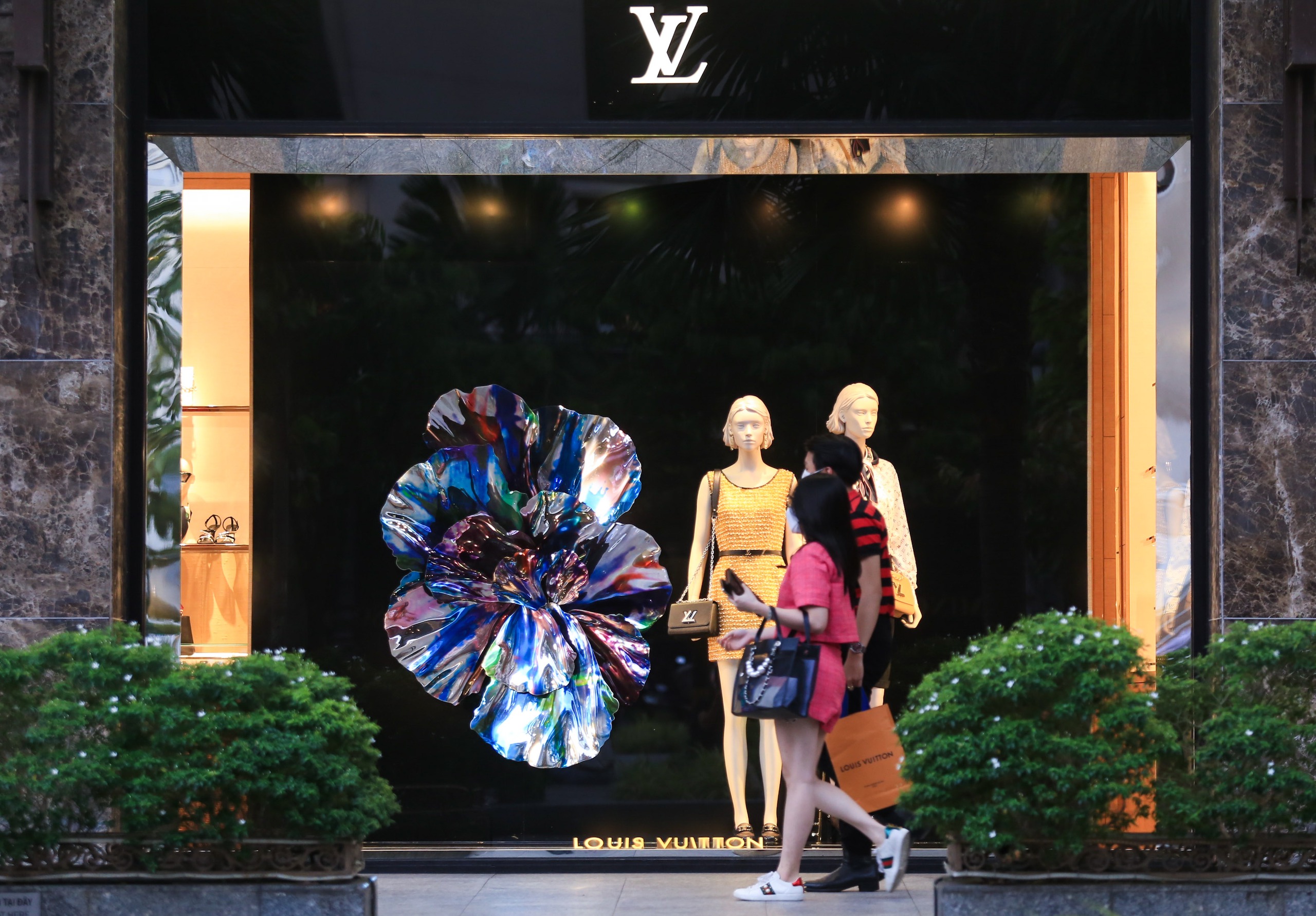
Around the world, most countries recognize the importance of duty-free shopping in boosting tourism.
According to Nguyen Thi Anh Hoa, Director of the Ho Chi Minh City Department of Tourism, shopping tourism is identified as one of the main product segments that generate the primary revenue for the city's tourism industry. To increase tourist spending and length of stay, the city will prioritize the development of shopping systems, supermarkets, duty-free shopping centers, and especially large-scale complexes that offer not only accommodation but also shopping, cultural, entertainment, and culinary activities.
That direction is currently being pursued by various departments and agencies in coordination to specifically identify areas where these large-scale centers, factory outlets, and duty-free shops can be developed, right from the general planning stage.
"The Department of Tourism will advise the City People's Committee on mechanisms and policies to encourage businesses to invest in this sector; and mechanisms to mobilize domestic and foreign resources to invest in strategic projects for the development of shopping tourism. The current period is very favorable as the city has Resolution 98 of the National Assembly, creating conditions to accelerate the progress of key projects in the economic sector in general and tourism in particular," added Ms. Nguyen Thi Anh Hoa.
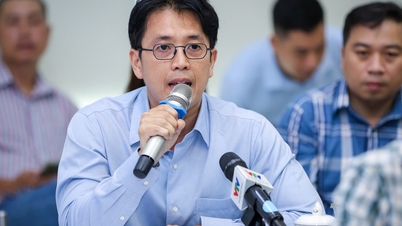
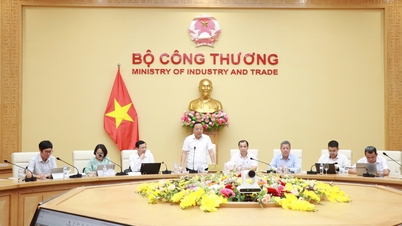
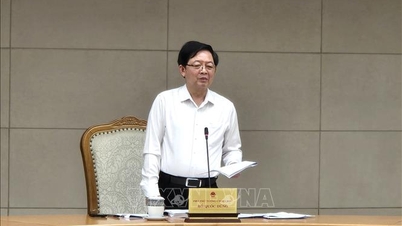
Mr. Bui Ta Hoang Vu, Director of the Department of Industry and Trade of Ho Chi Minh City
Source link
![[Photo] General Secretary and President To Lam meets with National Assembly delegates from ethnic minorities.](https://vphoto.vietnam.vn/thumb/1200x675/vietnam/resource/IMAGE/2026/04/20/1776696701056_a1-bnd-8331-3342-jpg.webp)
![[Image] National Assembly discusses the implementation of the socio-economic development plan.](https://vphoto.vietnam.vn/thumb/1200x675/vietnam/resource/IMAGE/2026/04/20/1776696707422_ndo_br_img-20260420-185419-jpg.webp)





















































Comment (0)