


Pesticides are indispensable supplies in agricultural production, contributing to crop protection, pest control, and ultimately improving yield and product quality. However, farmers primarily rely on experience when spraying pesticides, with many arbitrarily increasing concentrations far beyond recommendations in an attempt to quickly eliminate pests and diseases. A significant portion of the population, especially those in remote areas, still lack the ability to identify pests and diseases, leading to non-compliance with proper pesticide use and the use of incorrect types of pesticides.
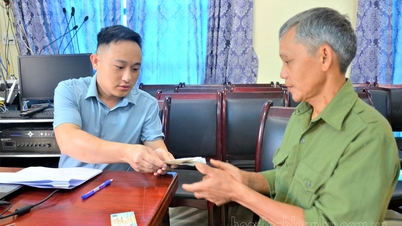
According to Mr. Mua Chong Lanh from Sinh Phinh commune (Tua Chua district), his family, like other households in the commune, usually goes to dealers and stores to buy pesticides whenever they detect pests or diseases affecting their crops. Although agricultural extension officers guide people on how to identify pests and diseases and the appropriate pesticides to use before each planting season, they cannot remember all the names of the pesticides. Therefore, when crops are affected by pests or diseases, people rely on their past farming experience or seek advice from dealers when purchasing pesticides.
Over the years, the agricultural sector has implemented solutions to raise public awareness about the harmful effects of pesticide overuse. However, many people remain complacent, underestimating the dangers of pesticides to human health and frequently overusing them in agricultural production. According to statistics from the Provincial Department of Crop Production and Plant Protection, the amount of pesticides supplied and used on rice crops in the 2021-2022 winter-spring and 2022 summer seasons in the province was approximately 120.4 tons. Of this, herbicides accounted for 69 tons (57.3%); insecticides about 15 tons; fungicides 15 tons; molluscicides 21 tons; and 0.4 tons of other pesticides.
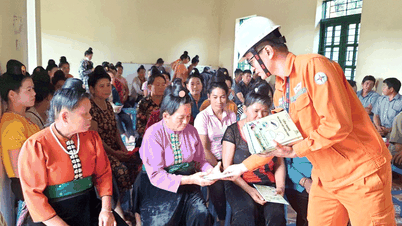
Over the years, the agricultural sector, along with local authorities, has organized numerous conferences and workshops on plant protection products (pesticides) and provided professional training on proper usage to thousands of people. Simultaneously, they have implemented a model to enhance the capacity of commune-level authorities in state management of plant protection products. They have integrated the dissemination of legal regulations in the field of plant protection through specialized inspections and assessments of the conditions for trading plant protection products and fertilizers for 785 organizations and individuals. They have advised people to use plant protection products according to the "four correct principles" (correct pesticide, correct time, correct concentration and dosage, and correct method). They have also organized inspection teams to penalize establishments violating regulations in the plant protection product business. From 2022 to the present, the Provincial Department of Crop Production and Plant Protection has conducted inspections of compliance with regulations on the trading of plant protection products in several localities (inspecting 77 individuals), and has discovered 7 individuals with administrative violations in the trading of plant protection products. Authorities have applied remedial measures, forcing the recall and return of products not included in the list of plant protection products permitted for use in Vietnam to the manufacturer or distributor, and ordering their destruction. In addition, several districts and communes have conducted inspections of compliance with regulations on the trading of plant protection products at 141 establishments, discovering 4 establishments violating regulations on the trading of plant protection products.
To curb the misuse of pesticides, the long-term solution is to raise awareness, understanding, and change farmers' practices; promote agricultural extension programs, safe crop production according to VietGAP standards, and replicate models of bio-safe agricultural production. Strict control over the business, trade, production, and use of pesticides is crucial. Training for local technical staff, pesticide dealers, and farmers should be intensified; and state management by commune-level authorities should be improved. Furthermore, policies are needed to encourage and support the use of biological pesticides, herbal pesticides, and new-generation pesticides in agricultural production.
Source












![[Photo] Prime Minister Pham Minh Chinh receives the Chinese Ambassador to Vietnam](https://vphoto.vietnam.vn/thumb/1200x675/vietnam/resource/IMAGE/2026/04/05/1775397481797_ndo_br_dsc-5512-jpg.webp)
























































Comment (0)