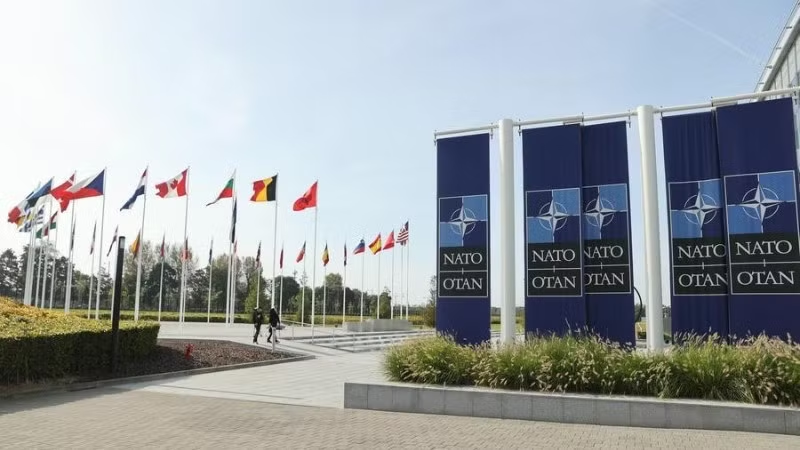
Amidst a profound restructuring of NATO—where traditional security commitments are gradually being replaced by calculations of practical interests—the alliance needs to focus on strengthening its capabilities to secure its future development.
The term "NATO 3.0" was repeatedly mentioned by US Secretary of War Pete Hegseth at the recent NATO Defense Ministers' meeting. The message from the United States was clear: European allies need to prepare for a new phase of restructuring of the world's largest military alliance. This eagerness to reform NATO is linked to shifts in Washington's strategic priorities. With the US shifting its strategic focus to the Indo-Pacific region, Europe is compelled to enhance its capacity to ensure the security of the continent.
As the NATO summit in July 2026 approaches, the US is issuing increasingly tough statements to its allies. This is raising concerns about Washington's long-term commitment to European security and the future of NATO. The US has warned it will conduct a comprehensive review of its military presence in Europe within the next six months. Washington has also stated it may adjust its commitment to NATO if allies do not accelerate the strengthening of their defense capabilities. The conflict in the Middle East, which has deepened rifts within NATO due to profound differences in interests among allies, was also reiterated by Washington in a recent message expressing its dissatisfaction with Europe.



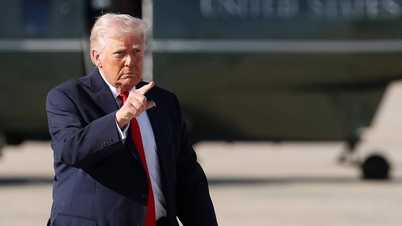
Since President Donald Trump returned to the White House for his second term, the US and its European allies have repeatedly found themselves at odds, most notably on issues such as the conflicts in Ukraine, the Middle East, and defense spending contributions within NATO. Therefore, behind the NATO 3.0 model promoted by the US lies a reality of changing the Western security structure, as the old order, tightly bound together under the leadership and security guarantee of the United States, is gradually being replaced.
With the NATO 3.0 model, Europe must shoulder greater responsibility for regional security and defense. The Trump administration wants to ensure allies fulfill their commitments, aiming to allocate 5% of their Gross Domestic Product (GDP) to defense spending. Regarding Europe's response, German Defense Minister Boris Pistorius warned that a rapid reduction in US military capabilities could create worrying gaps in European security. Increasing defense spending in the current uncertain economic climate is a significant challenge for European countries, impacting social welfare spending, potentially sparking internal opposition, and even leading to political instability.
NATO Secretary General Mark Rutte acknowledged that the US is adjusting its global military resource allocation, but affirmed that this does not mean Washington will abandon its obligation to defend its allies under the terms of the NATO Treaty. Over the years, as a central figure in NATO, the US has maintained a transatlantic network of allies and a constant military presence in allied countries. This has helped maintain its influence and protect the US from security threats. For Europe, the crucial element contributing to the continent's security stability is its traditional alliance with the US. However, the new context is placing Europe under pressure and responsibility to break free from its dependence on the US "security umbrella," demonstrating its ability to be self-reliant in security and balance its responsibilities with the US within NATO.



Source: https://nhandan.vn/trat-tu-va-suc-ep-moi-voi-nato-post970602.html