Spring is the time when chickenpox tends to increase in the community, especially among children. Besides causing skin lesions that can leave permanent pitted scars affecting aesthetics, the disease also carries many dangerous complications such as skin infections, pneumonia, encephalitis, and is particularly dangerous for pregnant women.
Chickenpox is an infectious disease caused by the Varicella-Zoster virus, primarily transmitted through the respiratory tract. When an infected person talks, coughs, or sneezes, the virus can be released into the environment through droplets from the nose and mouth, remaining in the air as aerosol particles. Others who inhale these particles are easily infected, leading to a rapid outbreak in the community.
|
A late complication of chickenpox is shingles, also known as herpes zoster. |
According to the Department of Preventive Medicine, Ministry of Health , chickenpox is highly contagious and present in most countries worldwide. In temperate countries, at least 90% of children under 15 years old have had the disease, and this rate can reach up to 95% in adults.
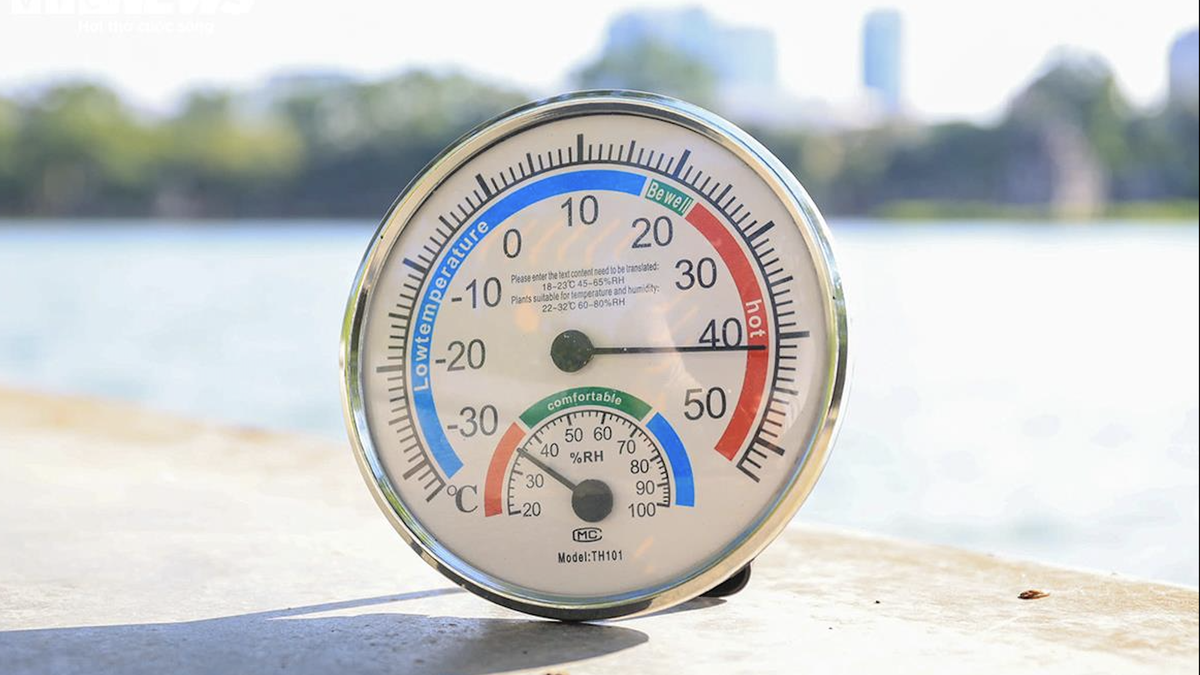
In Vietnam and many countries in tropical climates, the disease typically occurs between mid-March and May each year, when the weather turns hot and humid. It is also one of the most common illnesses in children during the spring.
After the virus enters the body, patients typically experience an incubation period of about 10-20 days before symptoms appear. The onset usually begins with a mild fever, runny nose, fatigue, general discomfort, and red rashes on the skin. These red spots, a few millimeters in size, usually appear first on the head or face, then gradually spread throughout the body.
Within 3-4 days, the rash develops into fluid-filled blisters, which then become cloudy, may pus-filled, rupture, and scab over.
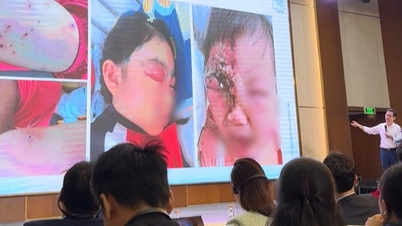
The illness typically lasts about 7-10 days. If there are no complications, the pox lesions will dry up, scab over, and leave only dark marks. However, if the blisters become infected due to scratching or improper care, the patient may develop permanent pitted scars.
In adults, chickenpox usually progresses more severely, takes longer to recover, and carries a higher risk of complications compared to children. Although most cases are benign, the disease can still cause several worrying complications.
One of the common complications is secondary infection of the skin lesions. When the pox blisters rupture or are scratched, bacteria can enter, causing dermatitis, infection, pyoderma, impetigo, and even leading to acute glomerulonephritis.
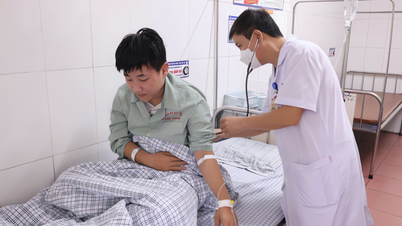
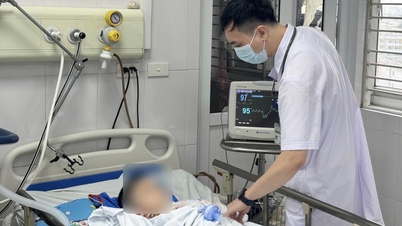
Pneumonia, a complication of chickenpox, can also occur, especially in adults, and usually appears on the 3rd-5th day of the illness. Patients may experience high fever, rapid breathing, shortness of breath, chest pain, and coughing up blood. In severe cases, pneumonia can lead to respiratory failure, pulmonary edema, and be life-threatening.
Furthermore, in rare cases, the virus can also cause damage to the central nervous system, such as meningitis or encephalitis. The mortality rate for these complications can be as high as 5-20%. Even if they survive, patients still face the risk of severe neurological sequelae.
A late complication of chickenpox is shingles, also known as herpes zoster. This is a condition where the virus reactivates after many years of dormancy in the body. Shingles can cause prolonged nerve pain, corneal ulcers, and even blindness.
For pregnant women, chickenpox is particularly dangerous. The most common complication is pneumonia, which can progress unpredictably, quickly leading to oxygen deprivation and respiratory failure, increasing the risk of death.
Given the risk of seasonal outbreaks and severe complications, health experts recommend vaccination as the most effective preventive measure. Vaccination significantly reduces the risk of contracting the disease, limits complications, lowers mortality rates, and helps control its spread within the community.
Given the continued risk of seasonal outbreaks of infectious diseases, proactive disease prevention, especially through vaccination, not only protects individual health but also contributes to building an immune shield for the community. This is even more crucial for children, a vulnerable group who are susceptible to long-term effects if the disease progresses severely.
Experts recommend that vaccination is the most effective preventive measure against chickenpox. Vaccination significantly reduces the risk of contracting the disease, limits dangerous complications, and lowers mortality rates.
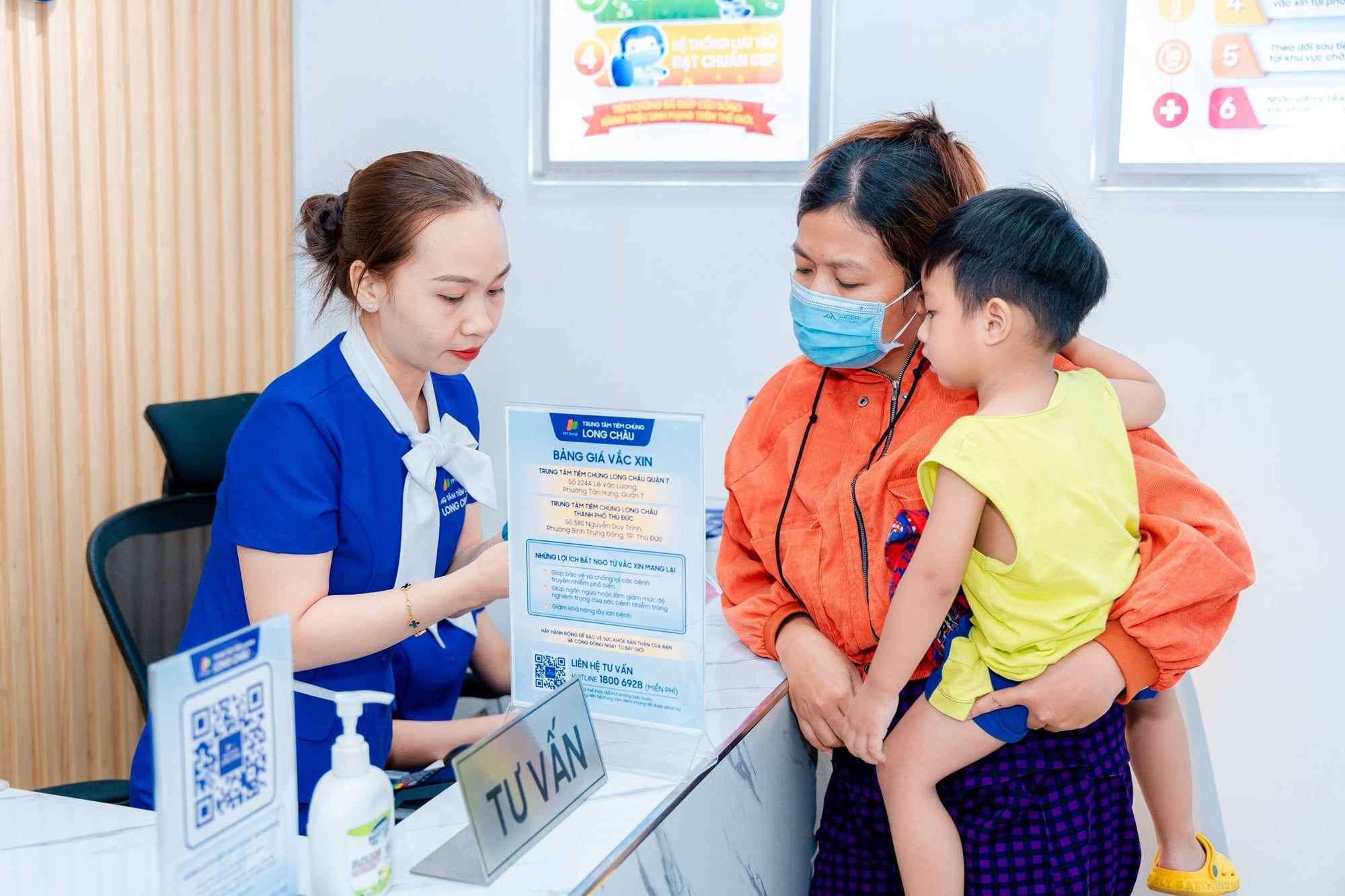
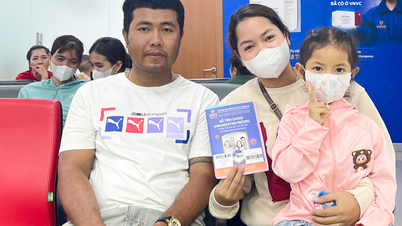
Currently, the Long Chau Vaccination System provides chickenpox vaccine with a stable supply. People can go to the nearest facility to receive advice from doctors and get the appropriate vaccination for themselves and their families.
Source: https://baodautu.vn/tre-de-mac-thuy-dau-vao-mua-xuan-d538915.html




























































































Comment (0)