

In international politics and trade, straits have always held a crucial position. Certain particularly important "choke points," such as the Strait of Hormuz, the Bosphorus, Malacca, and Gibraltar, are always used by their respective countries as unique geoeconomic and geopolitical tools to maintain their position and increase their national power.
In today's increasingly interdependent world , straits are not just bottlenecks at sea, but also strategically important waterways that impact global trade, politics, security, and cultural exchange.
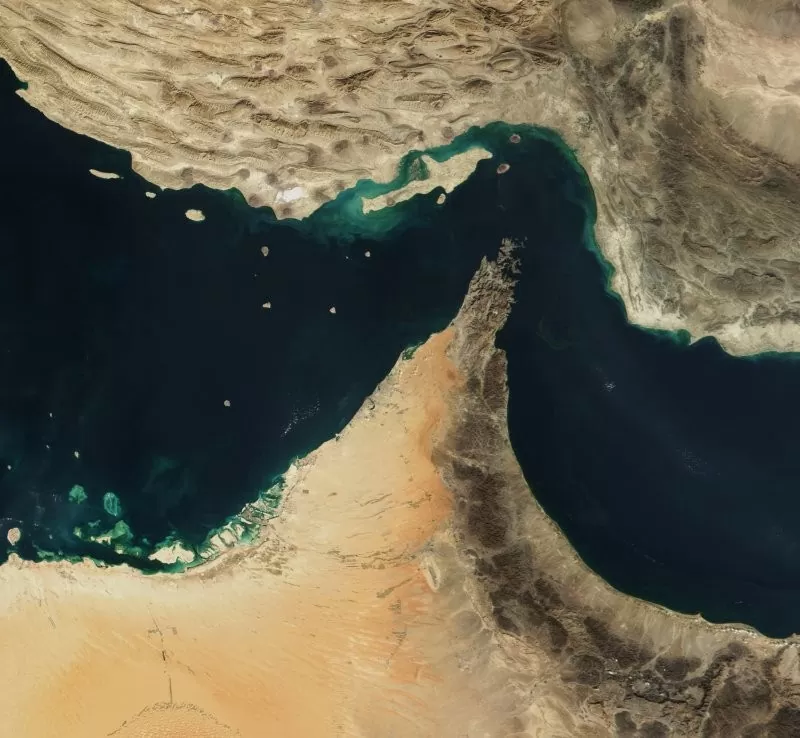 |
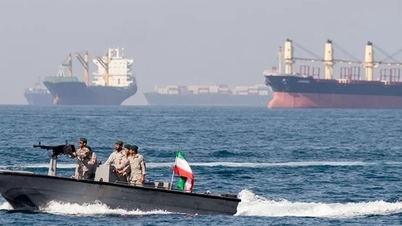
| The Strait of Hormuz is a crucial gateway for the world's energy industry. (Source: Tehran Times) |
Important gateway
The Strait of Hormuz plays a central role in Middle Eastern geopolitics. At its narrowest point, it is approximately 34 km wide and no more than 60 m deep, yet it is a crucial gateway for the world's energy industry, as oil tankers from OPEC member countries must pass through it.
The U.S. Energy Information Administration (EIA) estimates that approximately 21 million barrels of oil, worth nearly $1.2 billion, are transported through this strait daily, equivalent to almost one-third of the world's oil supply. In addition, gasoline transported through this strait accounts for about 20% of the world's total consumption.
For many years, the "tanker war" has heated up the Strait of Hormuz. As the world's main crude oil transit gateway, the Strait of Hormuz has always been considered a flashpoint in the whirlwind of tension. In fact, the Strait of Hormuz has become a security threat to the global oil market. From 1980 to 1988, as many as 500 oil tankers sank during the conflict between Iran and Iraq.
According to experts, any disruption to the Hormuz waterway would affect energy prices and cause economic instability in the region. Iran's geographical control over the northern part of the strait makes it a focal point of tension between the US and Iran. Tehran has repeatedly threatened to block the strait, a move that would have serious consequences for the global oil market and escalate military confrontation.
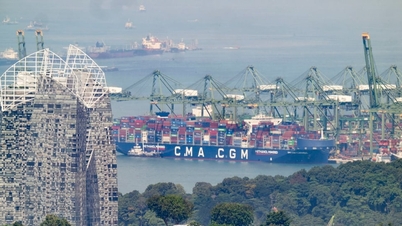
The Strait of Malacca is the busiest strait after the Strait of Hormuz. Located between Indonesia, Malaysia, and Singapore, this "bottleneck" strait is a familiar shipping route for international merchant and oil tankers. The Malacca Strait is the shortest route between the Middle East and Asia, facilitating the transport of goods from Europe, Africa, South Asia, and the Middle East to Southeast Asia and East Asia. Each year, more than 60,000 ships pass through Malacca, accounting for approximately 30% of global trade. In terms of economic and strategic value, the importance of the Malacca Strait shipping route is comparable to that of the Suez Canal and the Panama Canal.
For East Asia, Malacca connects the Indian Ocean with the Pacific Ocean, accounting for a quarter of the world's annual maritime traffic. Malacca is an indispensable route for regional economies, particularly in the energy supply chain, transporting oil and liquefied natural gas to China, Japan, and South Korea.
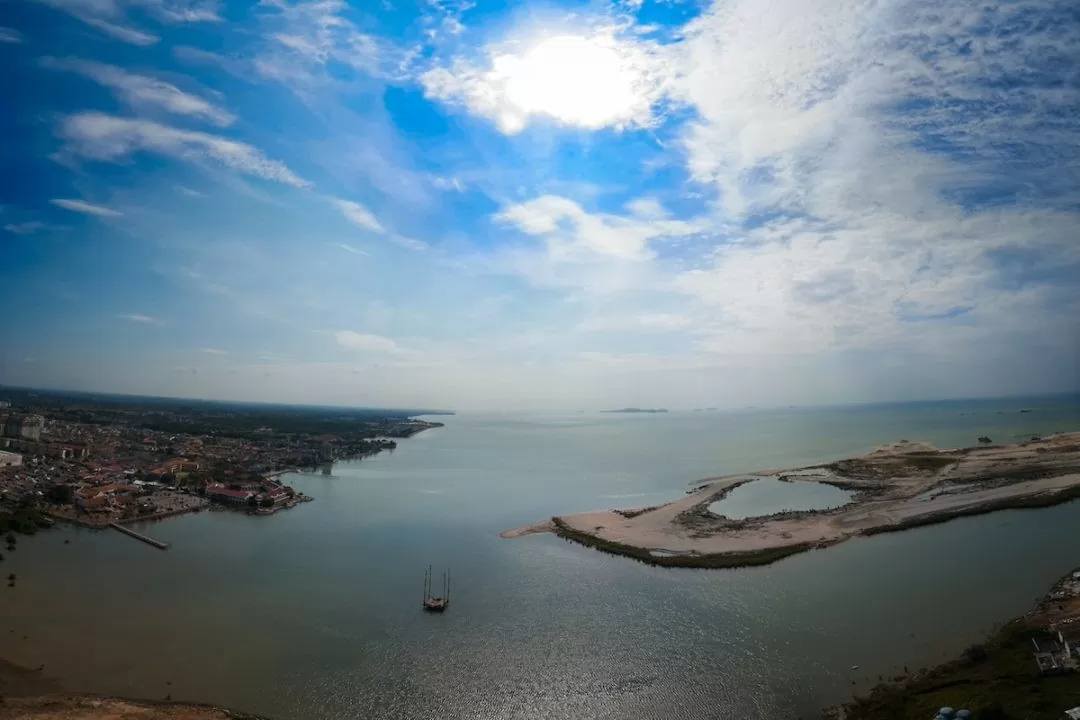 |
| The Malacca Strait is the shortest route between the Middle East and Asia, facilitating the transport of goods from Europe, Africa, South Asia, and the Middle East to Southeast Asia and East Asia. (Source: iStock) |
Located on a critically important shipping lane, the Indo-Pacific power struggle is intensifying, with nations like China seeking to secure alternative routes, such as the China-Pakistan Economic Corridor (CPEC), to reduce their reliance on this choke point.
Because of its strategic importance, the Strait of Malacca has long been a target of piracy and terrorism. Statistics show that the Strait of Malacca accounts for one-third of all piracy incidents worldwide. The number of such incidents has been steadily increasing in recent decades. Pirates typically operate in the northern part of the strait, targeting smaller vessels or kidnapping crews for ransom.
The connecting blood vessels
The Strait of Gibraltar , though tiny, is one of the world's busiest shipping lanes. Surrounded by countries from Asia, Africa, and Europe, the Mediterranean Sea is almost completely enclosed, connecting to the Atlantic Ocean only through the single strait of Gibraltar. Therefore, although Gibraltar is only 6 square kilometers with a population of 30,000, it is a geopolitical hotspot in Europe, causing friction between the UK and Spain.
This strait connects Europe with the Americas, facilitating the transport of goods and resources. As a vital route for container ships and oil tankers, its strategic value reinforces the economic stability of the surrounding nations. Today, the strait plays a crucial role in NATO naval operations, strengthening the Western military presence in the Mediterranean.
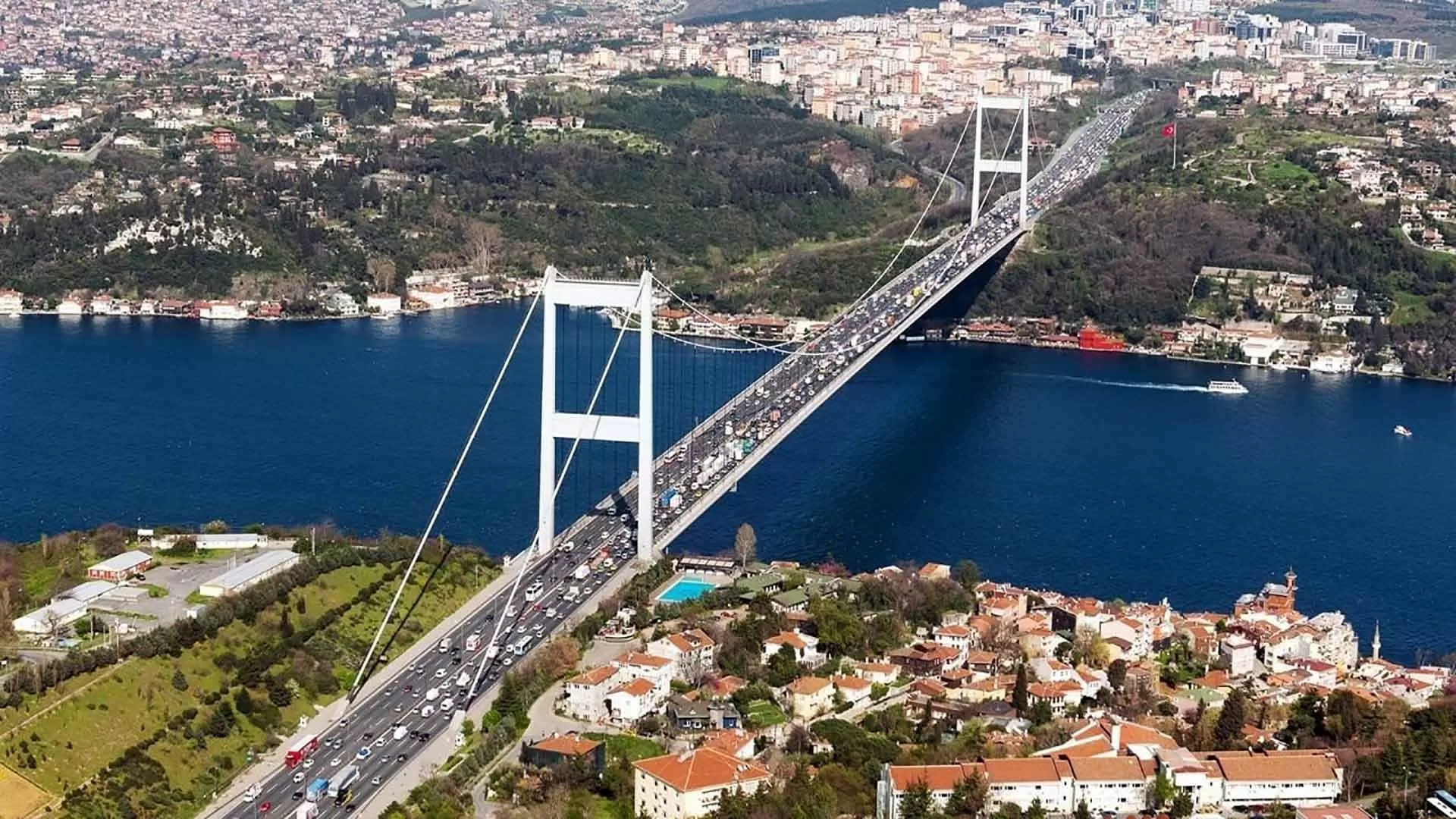 |
| The Bosphorus is the world's narrowest strait, separating Europe and Asia. (Source: Bosphorus Cruises) |
The Bosphorus is the world's narrowest strait, located in Turkey, separating Europe and Asia. It is 31 km long, with a maximum width of 3.7 km and a minimum width of 0.7 km, and depths ranging from 33 to 80 meters. Connecting the Black Sea and the Marmara Sea, the Bosphorus sees an average of 5,000 ships passing through annually, making it one of the world's busiest commercial waterways. The number of ships traversing this strait is estimated to be four times higher than those using the Panama Canal and three times higher than those using the Suez Canal.
Türkiye's strategic location allows it to leverage the Boshorus waterway to exert economic and political influence, consolidating its key regional role. These strategies support vital trade routes for Black Sea nations, facilitating the transport of grain, oil, and natural gas. Russia also relies on the strait for access to warm-water ports and has faced significant restrictions since the outbreak of its conflict with Ukraine.
In particular, this beautiful strait is home to the Bosphorus Bridge, connecting the two continents of Asia and Europe. The Bosphorus is considered the most beautiful strait in the world because, during the journey, one can see many historical sites on the shore, such as the palaces of the Byzantine Empire, the Church of Sophie, etc. Notably, it is also the final point of the once-famous Silk Road.
The Bering Strait, situated between Russia and Alaska and visible from American soil, is a symbol of Arctic geopolitics. As Arctic ice melts, new shipping routes will emerge, turning the strait into a battleground for Russia, the US, and China to access untapped resources and shorter trade routes.
The Bering Strait's potential as a major shipping route in the Arctic could revolutionize global trade by significantly reducing transit times between Europe and Asia. Controlling this route is central to the future exploitation of Arctic resources, including oil, gas, and rare earth minerals.
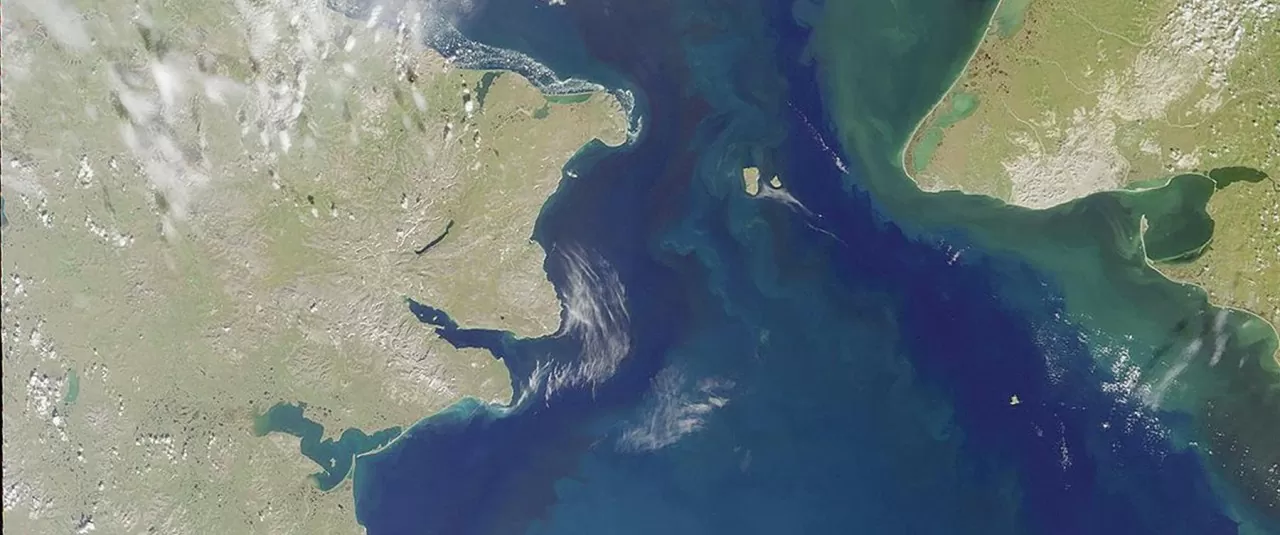 |
| The Bering Strait is a symbol of geopolitics in the Arctic. (Source: USNI) |
Geopolitical leverage
According to Article 37 of the 1982 United Nations Convention on the Law of the Sea, in international maritime traffic, an international strait is a natural sea lane connecting areas of the sea with different legal regimes, such as the high seas, exclusive economic zones, or territorial waters, with other high seas or exclusive economic zones.
In fact, straits are vital economic arteries, playing a crucial role in the global economy. Approximately 90% of world trade is transported by sea, with major straits such as Hormuz, Malacca, and Gibraltar forming the arteries of this network. Disruptions in these straits can have ripple effects across global markets, impacting fuel prices, shipping costs, and supply chains.
Straits are not only geographically significant but also serve as vital arteries for the political and economic life of nations. Beyond their economic importance, straits play a crucial role in the geopolitical stability of the region. From the oil-rich waters of the Strait of Hormuz to the emerging Arctic routes of the Bering Strait, these waterways have shaped strategically important global shipping lanes.
Countries controlling straits wield considerable influence, using them as leverage in international negotiations. The naval presence in these strategic waterways reflects national strength and the ability to protect national interests. As competition for resources and trade routes intensifies, protecting these straits is becoming increasingly important, requiring international cooperation to ensure the stability of these natural sea bridges that connect and facilitate the exchange of goods and culture across the oceans.
Source: https://baoquocte.vn/cac-eo-bien-chien-luoc-tu-diem-nghen-tro-thanh-cau-noi-294682.html
![[Photo] General Secretary and President To Lam meets with National Assembly delegates from ethnic minorities.](https://vphoto.vietnam.vn/thumb/1200x675/vietnam/resource/IMAGE/2026/04/20/1776696701056_a1-bnd-8331-3342-jpg.webp)


![[Image] National Assembly discusses the implementation of the socio-economic development plan.](https://vphoto.vietnam.vn/thumb/1200x675/vietnam/resource/IMAGE/2026/04/20/1776696707422_ndo_br_img-20260420-185419-jpg.webp)




















































































Comment (0)