

My passion for traveling, seeing, and telling stories led me to travel journalism. In nearly five years, I've witnessed the industry's dramatic transformation, from purely emotional journeys to an era of technology and artificial intelligence redefining the travel experience.
While travel inspiration used to come from a magazine or a photograph, now all it takes is a few clicks on social media, and hundreds of vivid images will make you want to "pack your bags and go." The spread of short videos has created the phenomenon of "travel through the screen," where every touch can evoke emotions and inspire a journey.
When emotions are driven by technology, travel is not just about getting around, but about experiencing the world in a completely new way. The explosion of digital content has fundamentally changed how travelers choose destinations, book services, and experience their trips.
There were evenings when I would inadvertently open TikTok and save a series of videos: the small slope in Da Lat, the hidden cafe nestled in the pine forest of Tam Dao, the vibrant blue drone footage of Vinh Hy Bay. Each frame was meticulously crafted, so stunning that I felt like I was standing in that scene. I realized that these videos not only inspired me, but were also guiding my emotions, transforming a touch of the screen into a real journey. So for me, travel is not just a trend, but a cultural shift, where technology and emotion go hand in hand, and each traveler becomes a "storyteller" of their own trip.
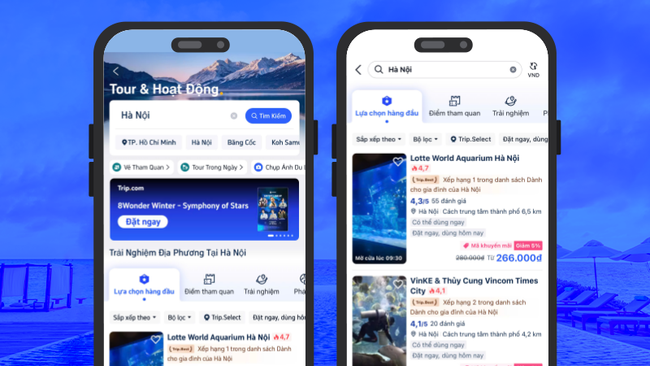
According to the 2024 Southeast Asia Travel Behavior Study, approximately 70% of Vietnamese travelers are influenced by user-generated content. Digital screens have truly dominated everything from ideas to post-trip emotions.
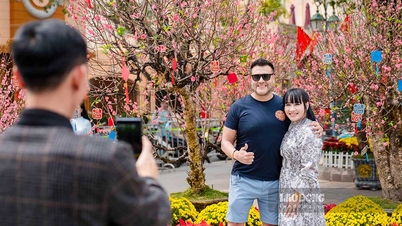
At airports, cafes, or train stations, it's easy to spot young people pulling their suitcases while watching videos like "5 check-in spots in Ninh Binh" or "Nam Du 3 days 2 nights for only 2 million VND." These clips, only a few dozen seconds long, are enough to turn a previously deserted place into a "hot spot" overnight.
According to the We Are Social - Digital 2024: Vietnam report, Vietnam has over 75 million Zalo users, 66 million Facebook users, and TikTok users, reaching nearly 68% of the population. In the 12-23 age group, over 80% use social media daily, and two-thirds use at least four platforms simultaneously (Instagram, TikTok, Facebook, and YouTube). These figures clearly illustrate a "new travel map," where travel inspiration, choices, and actions all begin on digital screens.
I also visited a cafe in central Vietnam after watching a viral video. In real life, the scenery was still beautiful, but it wasn't as romantic as it appeared online: loud music, unremarkable drinks, and long lines of customers just to take photos of the "trending" spot. That feeling of disappointment made me understand why many people complain: "Online photos are one thing, reality is another."
The Vietnam Digital Tourism Report 2024 by Outbox Consulting also indicates that 56% of Gen Z travelers have been disappointed because destinations didn't match online images, and 42% gave negative feedback during their trip. A homestay in Da Lat once lost 60% of its bookings after just one review video that said "it wasn't as advertised".
During a journey of listening to the experiences of those in the tourism industry, Ms. Hoang Minh Nhi, Marketing Director of Top Ten Travel, once told me: "Images, videos, or livestreams are powerful tools to evoke emotions, but if the quality is not commensurate, the gap between the 'promise' and the 'experience' will cause customers to react immediately."
From that experience, I understood that in the digital age, businesses not only need to tell compelling stories, but also need to be true to what they tell. Authenticity becomes the most valuable asset, as a single touch can spread thousands, even millions, of reviews.
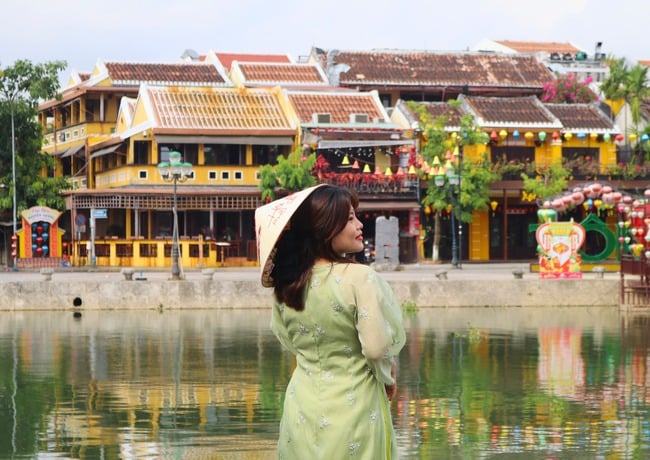
I call the current travel journey of Vietnamese people the "three emotional stages": watching - liking - booking. Previously, people meticulously planned their trips, but today, emotions guide them. A video of the Bản Áng pine forest or a sunset in Phú Quốc is enough to make viewers book tickets.
Along the way, I encountered many young people charging their phones while booking accommodations on Traveloka, Booking.com, or Trip.com. They could compare prices, read reviews, rent cars, and pay for everything in just a few minutes.
According to the Visa Vietnam Report 2024, over 70% of Vietnamese tourists book services through OTAs (online travel agencies), spending an average of 9.5 million VND per domestic trip and 35-40 million VND per international trip. The digital screen is becoming the gateway to a major industry where inspiration, behavior, and spending converge.
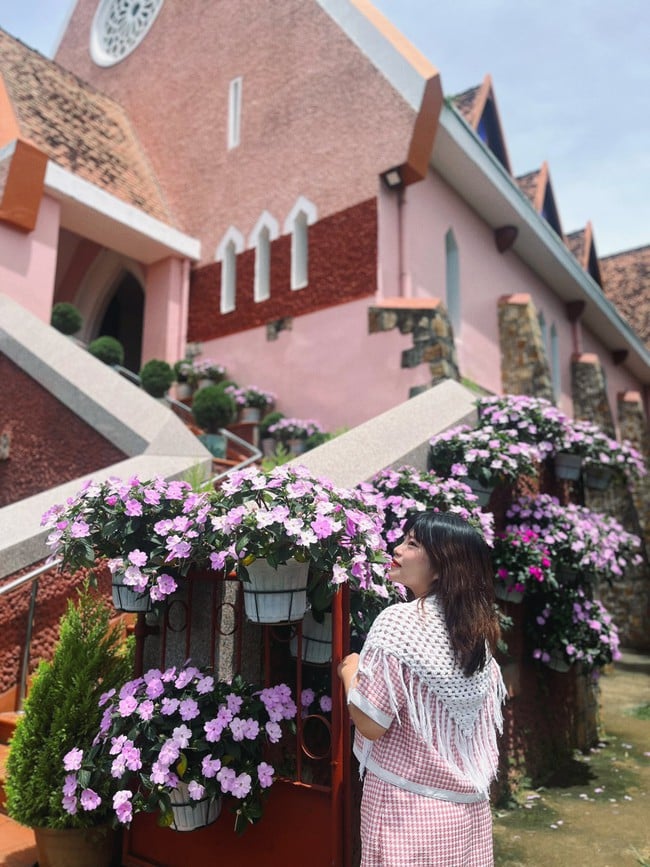
The shift from "browsing to packing" is not just a trend, but a strategic turning point for Vietnam's tourism industry. According to Vietnam Travel Trends 2024, 82% of Vietnamese travelers said that social media content directly influences their travel decisions; 64% booked tours, hotels, or flights within a week of seeing inspiring content.
However, to retain tourists, the tourism industry needs to invest comprehensively in digital content, infrastructure, and human resources. A video with millions of views cannot save a destination if the services, experiences, or attitudes of the staff are not commensurate. Only when the glamorous images online accurately reflect the real-life beauty, when "promises" and "experiences" meet, will Vietnamese tourism truly be sustainable.
I will always remember the feeling of the plane landing in a place I had only casually glanced at online a few days earlier. My journey, and that of millions of Vietnamese travelers, began with a tap on a screen, but only became meaningful when my feet walked and my heart felt. From "browsing" to "packing my bags and going" is not just the journey of each traveler, but also the transformation of Vietnam's tourism industry in the digital age.
Experience personalized value.
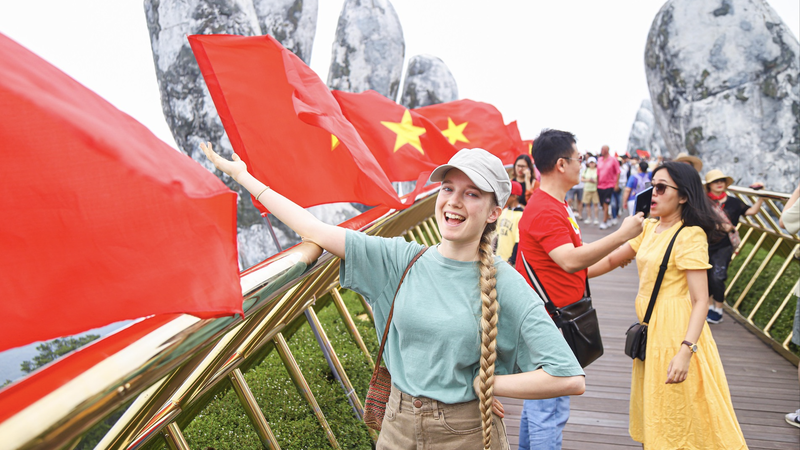
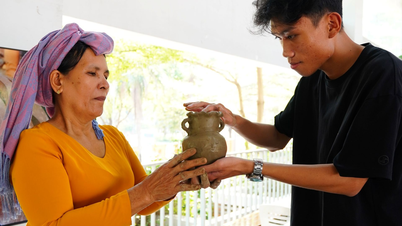
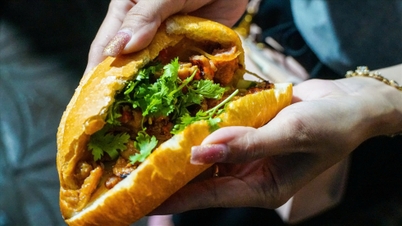
Today's tourists don't just want to "see the sights," but to live in the experience, like participating in a pottery class in Bat Trang, picking tea in Thai Nguyen, or going to the morning market with locals in Sa Pa. This is the strategy of "selective innovation": instead of chasing trends, businesses need to develop products based on local cultural and historical values. A sustainable tour is not just about "checking in," but also helps tourists feel the spirit of Vietnam. In a flat world, what makes Vietnamese tourism different is still its people, culture, and cuisine.
Source: https://bvhttdl.gov.vn/tu-man-anh-so-den-hanh-trinh-that-20260302140921253.htm
![[Photo] Prime Minister Pham Minh Chinh receives the Chinese Ambassador to Vietnam](https://vphoto.vietnam.vn/thumb/1200x675/vietnam/resource/IMAGE/2026/04/05/1775397481797_ndo_br_dsc-5512-jpg.webp)









![[Photo] Election atmosphere at polling station No. 7, Xuan Dinh ward, Hanoi city](https://vphoto.vietnam.vn/thumb/402x226/vietnam/resource/IMAGE/2026/03/15/1773543204075_img5935-1773539854991135573309-154-0-1707-2484-crop-17735409472061858573395.jpeg)










































Comment (0)