

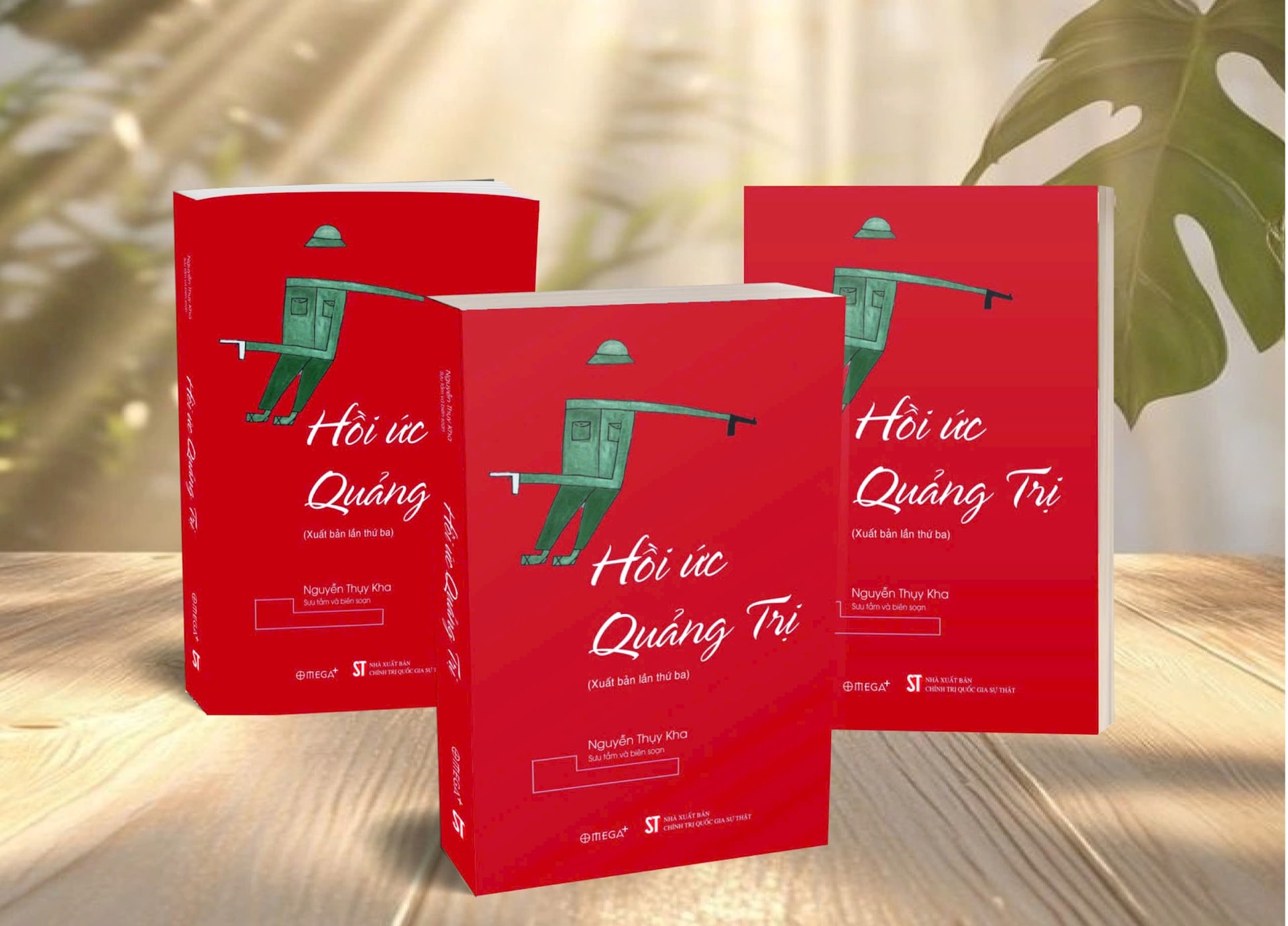
The book "Memories of Quang Tri," published by the National Political Publishing House, authentically recreates the 81 days and nights at the Citadel in 1972, a period considered the "red summer" in the history of the nation's war against the US.
If the film's images of soldiers lying beneath layers of collapsing earth and rocks bring viewers to tears, then in the book, every word is enough to choke the reader: "We fought amidst bombs and bullets, sometimes not being able to lift our heads all day, only knowing how to hold our guns and shoot." These tragic and brutal film scenes, when combined with the vivid recollections of the harsh realities of the battlefield, create a powerful resonance, evoking deep compassion and emotion in the public.
The brutality of war is vividly portrayed throughout the book. Everyday details, such as meals consisting of only a piece of bread passed from hand to hand, or sharing a drop of water in a bunker, make the reader appreciate the value of peace even more.
Both the film and the book emphasize that, even in the most brutal circumstances, humanity shines through, and war, despite its pain and loss, is also where the noblest qualities of humankind are revealed.
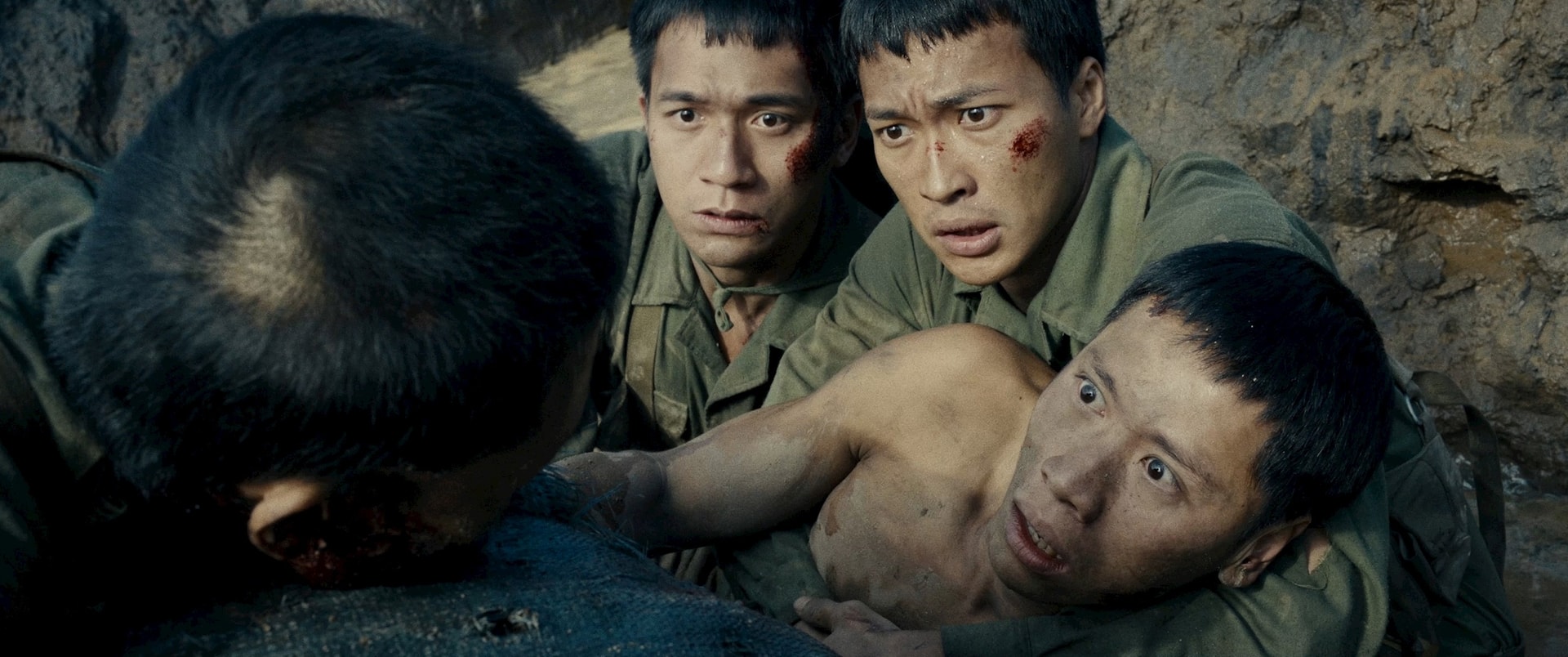
Many viewers, upon watching "Red Rain," exclaimed that they had never imagined war could be so real and heartbreaking. This feeling was further amplified when reading the self-narrative of a Liberation Army soldier in "Memories of Quang Tri": "Blood stained every inch of land, but each inch of land became a symbol of indomitable fighting spirit."
The film is a haunting visual spectacle, while the book preserves the haunting memory. Two different approaches, yet both convey the same message: Peace never comes naturally; it must be earned through bloodshed.
What is special about "Memories of Quang Tri" is the contrast between the two sides of the battle. While the audience in the theater shuddered at witnessing the enemy fall in despair, the book captured that sentiment with gentle yet poignant words: "They had no dreams or youthful ambitions; they fought for their own survival, seeing their sacrifice as meaningless." Therefore, the audience's emotions extend beyond mere sorrow and gratitude for the fallen Liberation Army soldiers, encompassing a sense of pity for the fate of the soldiers on the other side. War, ultimately, is loss for all.
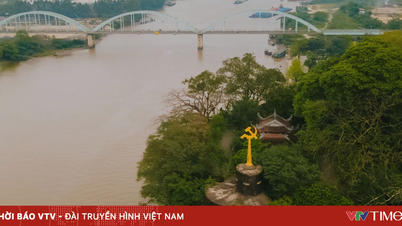
Audiences were moved by the image of the Thach Han River stained red in "Red Rain," while in "Memories of Quang Tri," the river appears as a witness: "The Thach Han River has borne the bodies of countless comrades, a silent witness to the war." This similarity allows emotions to spill from the cinema to the pages of the book and vice versa, so that each reader and viewer can once again contemplate the sacred and irreplaceable value of independence and freedom.
As the film concludes, viewers are not only moved to tears but also ponder: What can we do to be worthy of such sacrifice? The answer is readily available in "Memories of Quang Tri": "The blood and bones we left here were not for anyone to pity, but so that the country could rise up stronger."
The book "Memories of Quang Tri" is a vivid testament to history, where every word is steeped in blood, sacrifice, and the yearning for freedom. Through this book, readers gain a deeper understanding of the tragic period in the nation's history, deeply appreciate the value of peace today, and uphold the responsibility to preserve and develop the country.
Source: https://hanoimoi.vn/tu-mua-do-den-hoi-uc-quang-tri-khuc-ca-bi-trang-ve-chien-war-and-the-value-of-peace-714475.html


![[Photo] General Secretary and President To Lam presides over a meeting on preparations for the review of one year of operation of the three-tiered government system.](https://vphoto.vietnam.vn/thumb/1200x675/vietnam/resource/IMAGE/2026/06/02/1780391821195_a1-bnd-4595-9717-jpg.webp)

















































































Comment (0)