

In 2026, the theme "Water and Gender" continues to demand not only awareness but also concrete action, especially at the grassroots level – where water resources are directly linked to the lives, livelihoods, and roles of women in the community.
In the context where many mountainous, remote, and disadvantaged areas still face difficulties in accessing clean water, especially women and girls who are often most affected, ensuring safe water sources not only contributes to improving health but also helps narrow the gender gap, creating conditions for women to participate more in socio- economic activities.
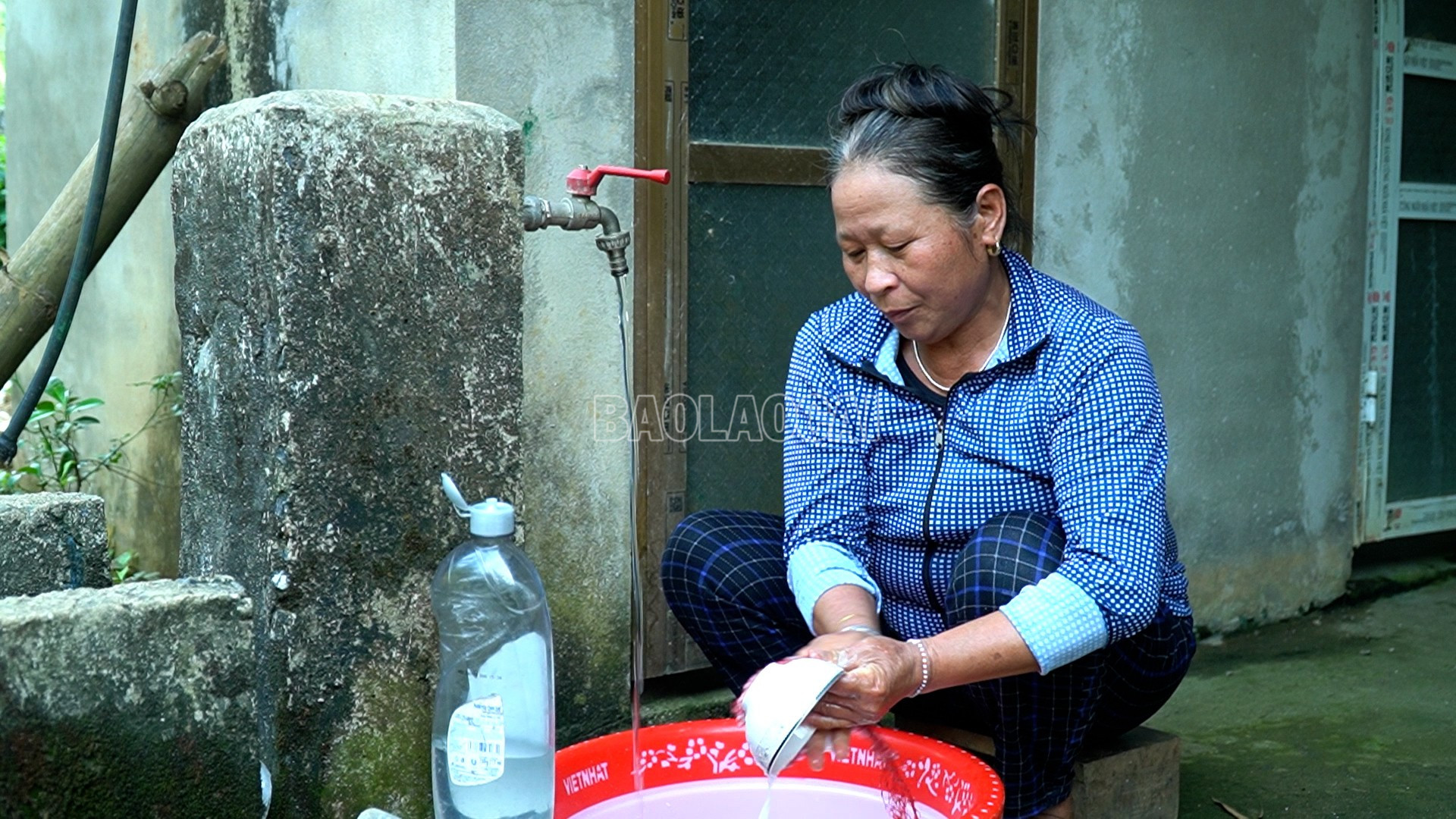
Accordingly, in many localities within the province, the journey from message to action is gradually being realized through practical actions: protecting upstream water sources, improving the quality of water supply infrastructure, changing people's water usage habits, and promoting the role of women in water resource management.
In mountainous provinces like Lao Cai , the heavily fragmented terrain and scattered population make investing in centralized water supply systems very difficult. Extreme natural disasters, water scarcity during the dry season, and the risk of pollution during the rainy season further complicate the clean water problem.
According to surveys by relevant authorities, approximately 46% of rural households still use small-scale water supply methods such as dug wells, drilled wells, springs, and reservoirs. The percentage of people using clean water that meets standards is projected to reach only about 17% by 2025, while most centralized water supply systems are small-scale, serving between 20 and 200 households.
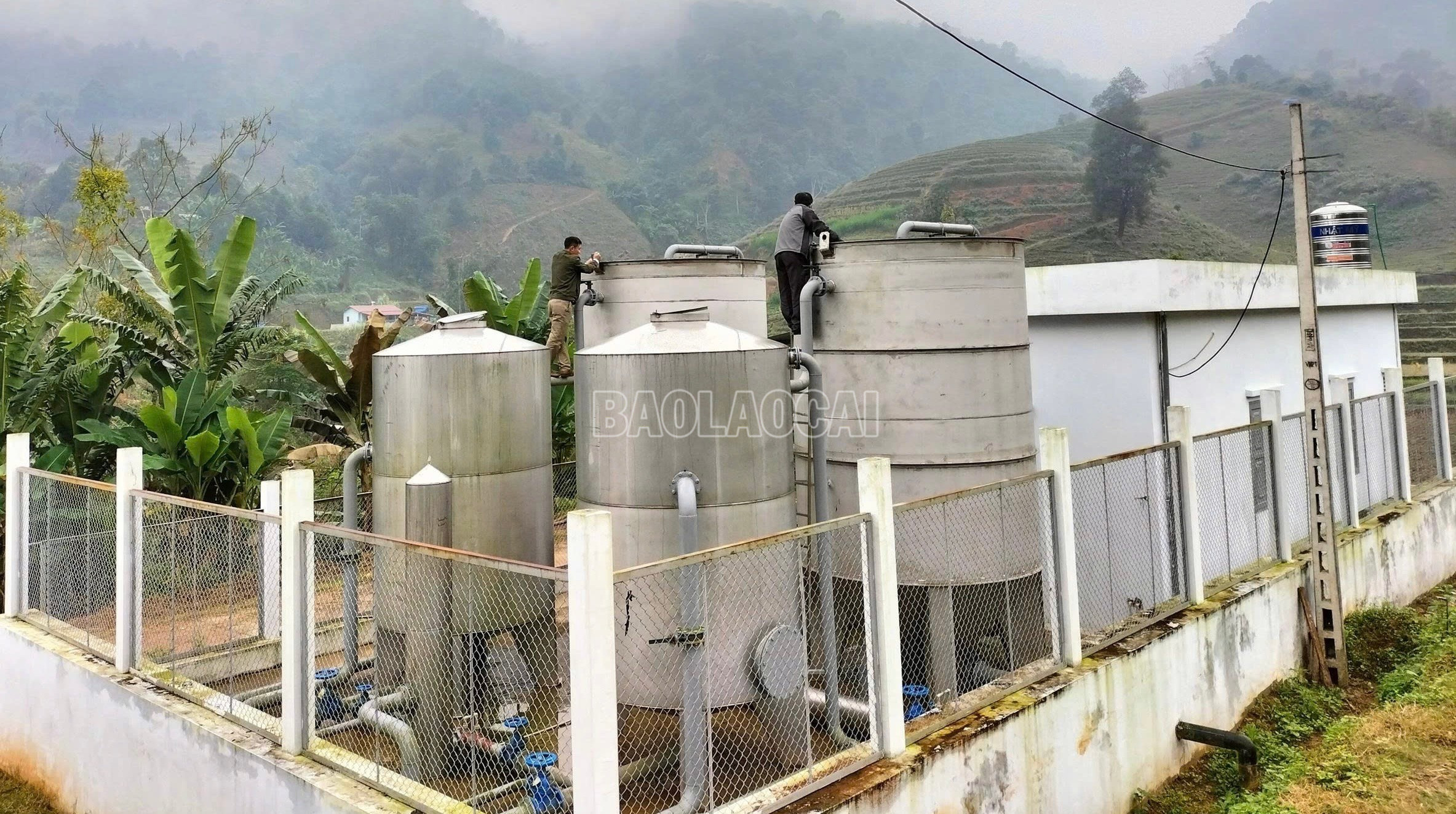
This reality shows that, although access to safe water has improved significantly, the gap to achieving the goal of safe and sustainable clean water remains quite large. The lack of water treatment equipment, insufficient funding for maintenance, and the habit of using free natural water sources mean that many people are not enthusiastic about connecting to the piped water system.
From a gender equality perspective, these limitations directly impact women and girls, who often take on the responsibilities of fetching water and maintaining household hygiene. When water sources are unreliable, the labor burden and health risks also increase.
According to Ms. Doan Vu Thao Ly, Deputy Director in charge of Gender and Environment at the Center for Environmental and Community Research (CECR), women today play a very important role in the use, management, and protection of water resources. Due to gender norms and roles in society, many of women's daily tasks directly impact water management and use (cooking, hygiene, family care, etc.). These seemingly familiar activities contribute to forming habits of water conservation, reducing waste, and protecting domestic water sources.
In particular, in recent years, along with climate change response and disaster prevention programs, the role of women in protecting water resources has been increasingly affirmed.
Women are vulnerable to natural disasters but are also a crucial force in enhancing adaptive capacity. They directly protect water resources, maintain environmental sanitation, and participate in livelihood models that adapt to climate change. When women are empowered, the effectiveness of water resource management in communities is significantly improved.
In fact, many models have proven this point. In some highland communes, "core women" groups have been established to manage water supply projects, monitor upstream water sources, and promote changes in water usage behavior.
Ms. Dinh Thi Thao, a resident of Sang Dom neighborhood, Trung Tam ward, said: “Previously, people had to travel several kilometers to fetch water. Women and children had to carry water back home for daily use. Since the centralized water supply system was installed, life has become much easier. We have also received training on how to use water economically and maintain water hygiene, so everyone is more conscious of this.”
Women are not only beneficiaries, but also active advocates within their families and communities. Movements such as the "5 No's, 3 Cleanliness" campaign, clean water and sanitation clubs, and "clean house - clean alley - clean water source" events are contributing to spreading change at the grassroots level.
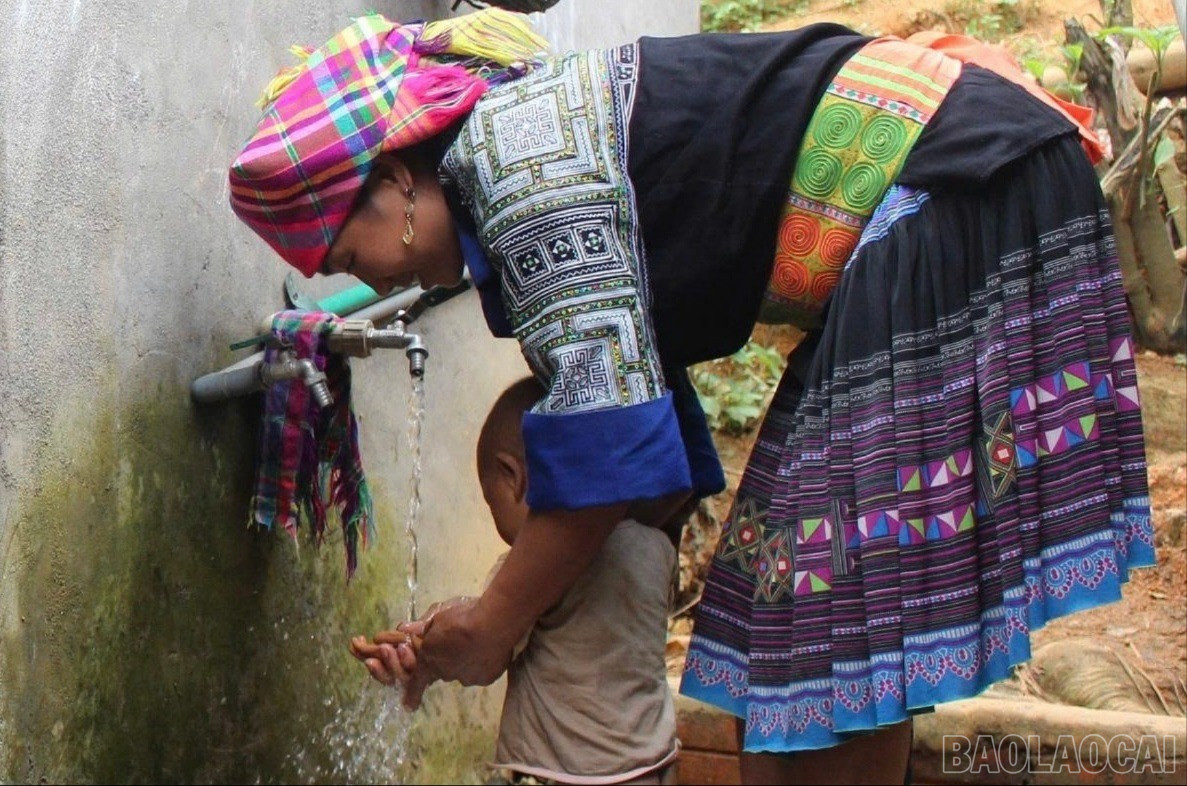
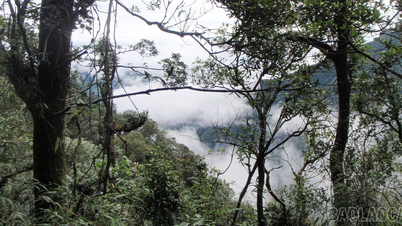
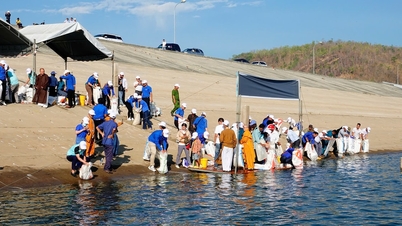
In response to the theme of World Water Day 2026, many localities have organized practical activities such as environmental sanitation campaigns, clearing water supply infrastructure, planting trees to protect river and stream basins, and protecting forests to preserve water sources. Specialized agencies have also intensified communication on water resource laws, water conservation, and adaptation to climate change.
At the grassroots level, actions to protect water resources are becoming increasingly concrete. Many villages have established community regulations on water exploitation and protection; organized regular water quality monitoring; and assigned individuals to directly manage and operate filtration tanks and pipelines.
The goal set for 2030 is to ensure that over 50% of the rural population in the province has access to clean water that meets standards, while also investing in upgrading and constructing hundreds of new centralized water supply systems.
To achieve this goal, coordinated efforts are needed among the government, businesses, social organizations, and the people. In particular, integrating gender equality into clean water programs will not only reduce the burden on women but also contribute to ensuring the sustainability of these projects.
The message of "Water and Gender Equality" is therefore no longer a global slogan, but is becoming concrete action in every village: from preserving upstream water sources and changing water usage habits to enhancing women's roles in resource management.
The journey to bring clean water to all people in the highlands is still fraught with difficulties, but with a shift in community awareness, the proactive efforts of women, and the determination of local authorities, the goal of protecting water resources in conjunction with sustainable development and social equity is gradually becoming a reality.
Source: https://baolaocai.vn/tu-thong-diep-den-hanh-dong-post896501.html

![[Photo] Prime Minister Pham Minh Chinh presides over a dialogue with Japanese businesses.](https://vphoto.vietnam.vn/thumb/1200x675/vietnam/resource/IMAGE/2026/03/21/1774097547316_ndo_br_dsc-0448-jpg.webp)

























































Comment (0)