Society needs to work alongside families with autistic children.
According to data released by the General Statistics Office in 2019, Vietnam has approximately 6.2 million people with disabilities aged 2 years and older, of which an estimated 1 million have autism spectrum disorder.
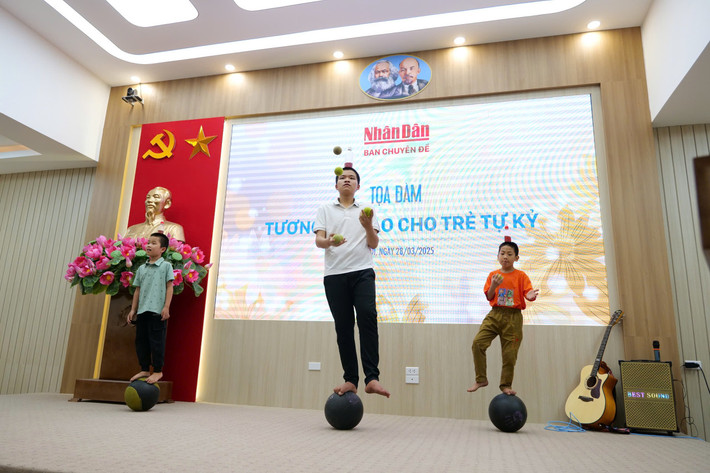

The rate of autism in children has increased significantly in the last 15 years, becoming a worrying problem. Statistics show that one in every 100 children born has autism spectrum disorder, accounting for approximately 30% of children with learning disabilities.
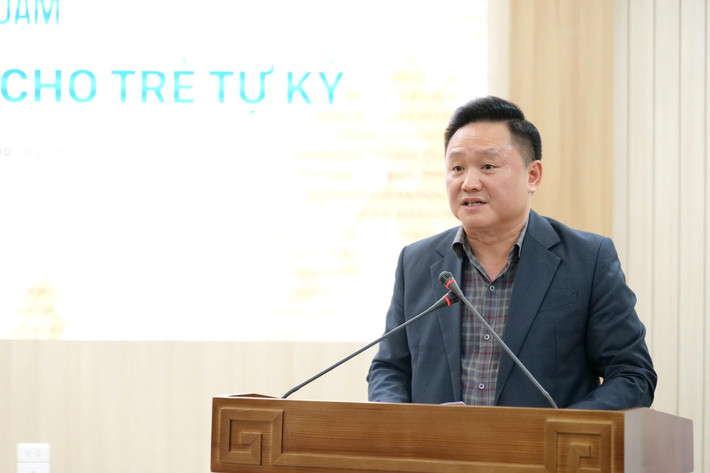
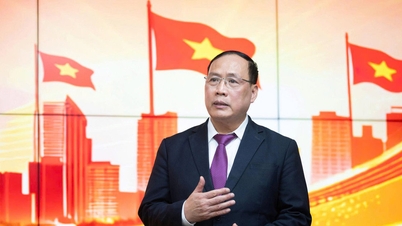
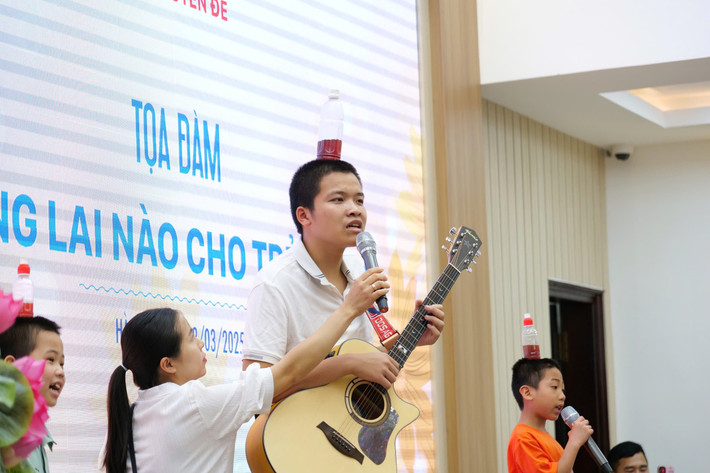
In his opening remarks, Phan Van Hung, Deputy Editor-in-Chief of Nhan Dan Newspaper, emphasized that the number of children with autism spectrum disorder in Vietnam is increasing, and that this is no longer just a concern for parents but requires the joint efforts of the entire society.
"Every child born has the right to be loved, to learn, and to develop. Children with autism are no exception. They are not a burden, but a part of society, with the potential and ability to contribute if given the right opportunities," Mr. Phan Van Hung emphasized.
In reality, many autistic children and their families face numerous challenges stemming from a lack of community awareness, limitations in special education , and inadequate policy support. These barriers make the integration and development of autistic children even more challenging.
The seminar provides an opportunity to hear opinions from experts, managers, and social organizations to find effective solutions. It also contributes to spreading a positive message about support and understanding for autistic children, and calls on the community to work together to create a friendly environment that gives them the best chance to develop.
Children with autism need education and career guidance to live with and affirm themselves.
The Ministry of Education and Training issued Circular 03/2018 regulating inclusive education for people with disabilities. However, in reality, the number of autistic children who can participate in inclusive education in public educational institutions, especially secondary and high schools, remains very small.



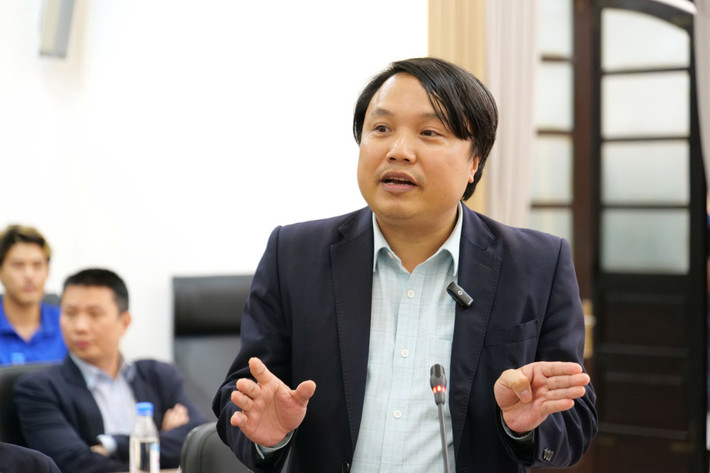
In light of this situation, Deputy Director of the Department of General Education, Ministry of Education and Training, Ta Ngoc Tri, stated that children with autism spectrum disorder must be recognized as children with disabilities. This is an issue closely related to policies for these children. However, this recognition requires the involvement of competent health authorities.
According to the Deputy Director, we now need to focus on classifying students into the most appropriate methods. Recently, the Department of General Education has advised on the possibility of establishing separate schools and classes for each group of students.
On February 25, 2025, the Prime Minister issued Decision No. 403/QD-TTg, approving the Plan for the system of professional education institutions for people with disabilities and centers for supporting inclusive education development for the period 2021-2030, with a vision to 2050.
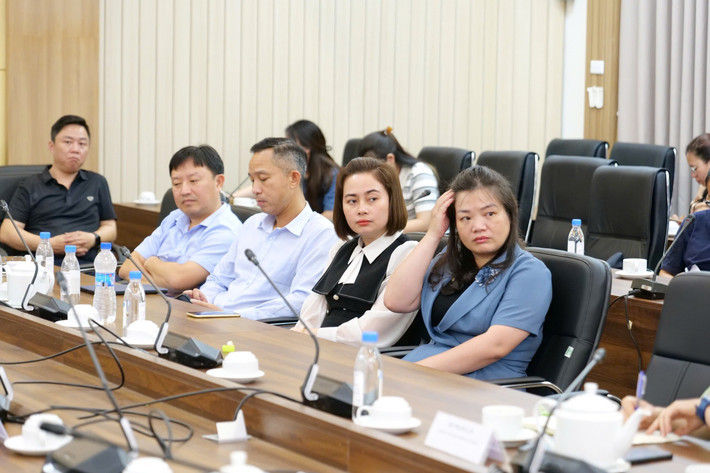
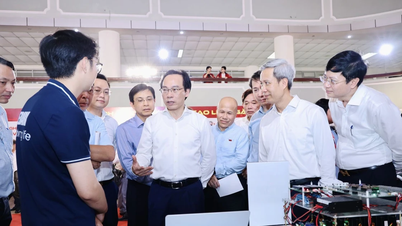
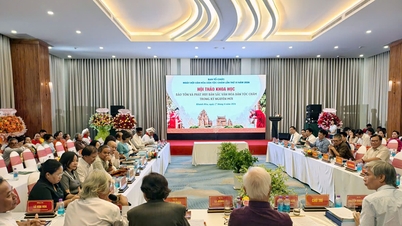
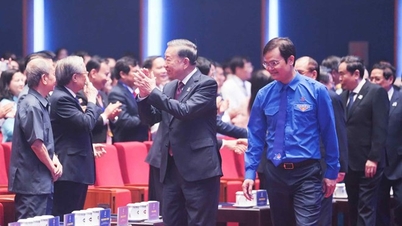
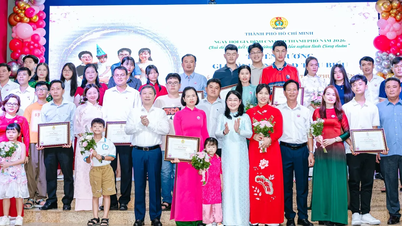
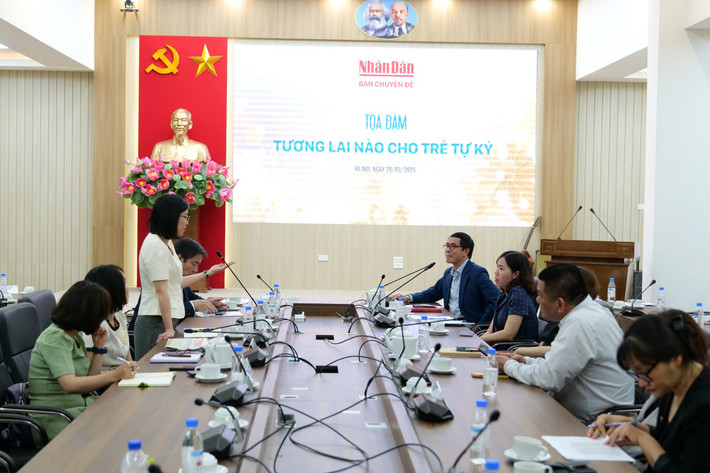
Delegates attending the seminar
The plan clearly defines an educational model that runs parallel to the existing system, including specialized and semi-inclusive schools for children with severe disabilities, while also supporting children with less severe disabilities to attend inclusive schools.
This decision provides an important legal basis, ensuring that each province has at least one public education support center for people with disabilities, while also encouraging local authorities and private institutions to participate. Private institutions that meet quality requirements will be allowed to operate under the professional management of the Department of Education and Training.
According to Deputy Director Ta Ngoc Tri, the education of children with autism spectrum disorder aims to help them live with and assert themselves. In the near future, the unit will continue to consider and propose adding vocational training content to the curriculum so that these children can earn a living independently in the future.
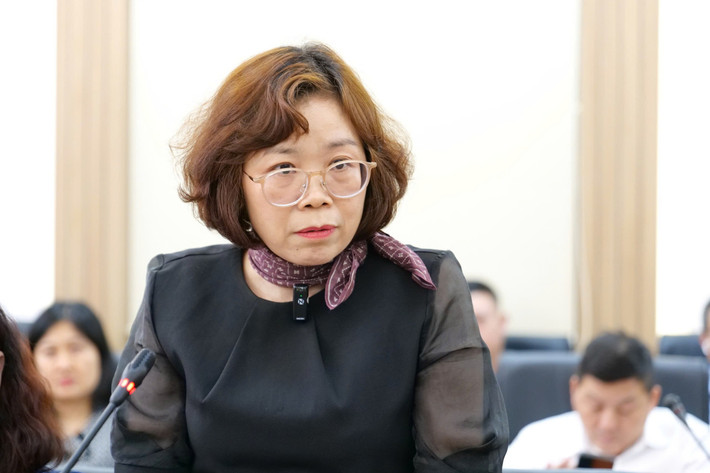
According to Ms. Phan Thi Lan Huong, Director of the Center for Research on Children's Rights, the career guidance project for autistic children is one of the key projects of the Center for Research on Children's Rights.
Ms. Phan Thi Lan Huong, M.Sc., stated that at the Center, after many years of research and practice, career guidance and vocational training activities mainly focus on handicrafts – the field in which the children excel. Depending on their level of understanding, the Center develops appropriate methods, curricula, and tasks. She emphasized that career guidance for autistic children requires not only love but also dedication, critical thinking, and a scientific approach.
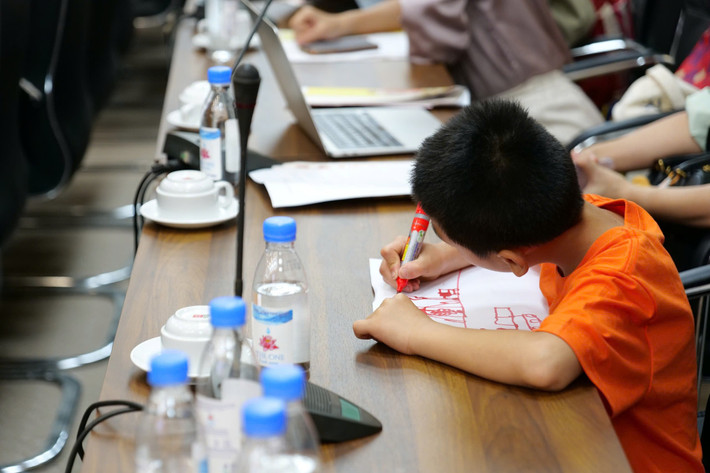
Speaking from the perspective of a business employing people with autism, Nguyen Thi Thu, Director of Our Story Community Development Center, shared that instead of promoting products made by people with autism, the center wants customers to approach the product from the perspective of its value rather than pitying the creators.
According to Ms. Thu, products made by autistic children at the center are now being exported to international markets. We shouldn't view autistic children as incompetent or weak. In reality, they are very capable, follow strict procedures, and even work faster than the average person.



The director of Our Story Community Development Center hopes that businesses will join hands and create opportunities for people with autism to participate in their production processes.
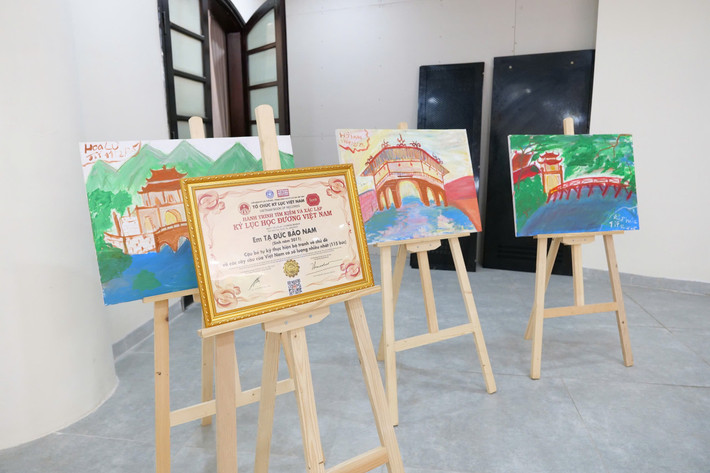
Alongside the seminar, an exhibition area displayed paintings by Ta Duc Bao Nam, born in 2011, who has been diagnosed with autism spectrum disorder since the age of 17 months. Despite facing many difficulties in communication, Bao Nam has shown exceptional talent in painting. In just two months (from October 1, 2024 to December 2, 2024), he painted 82 pictures, 60 of which depicted bridges – a theme with significant meaning regarding connection.
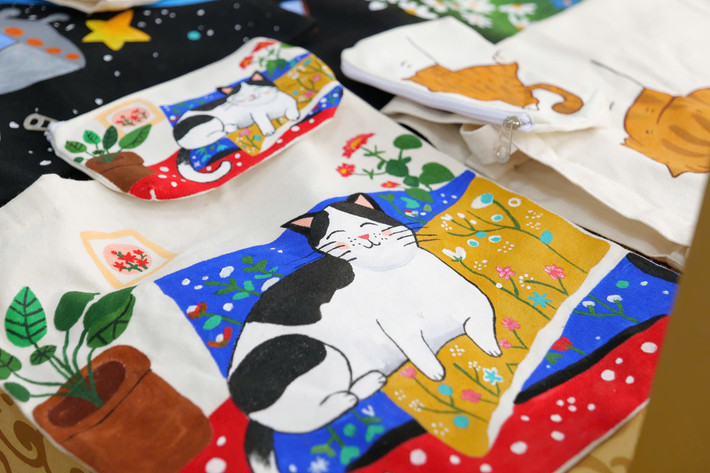
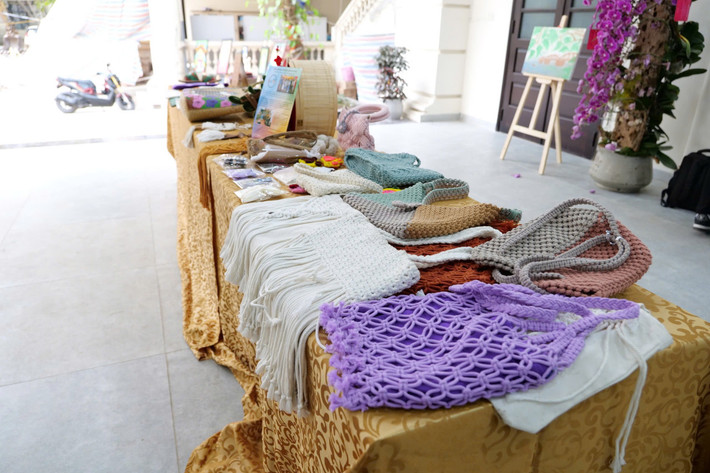
Handicrafts made by autistic children were also showcased, demonstrating that with the right support, they can work, create, and gradually become independent.
Source: https://daibieunhandan.vn/tuong-lai-nao-cho-tre-tu-ky-post408673.html