

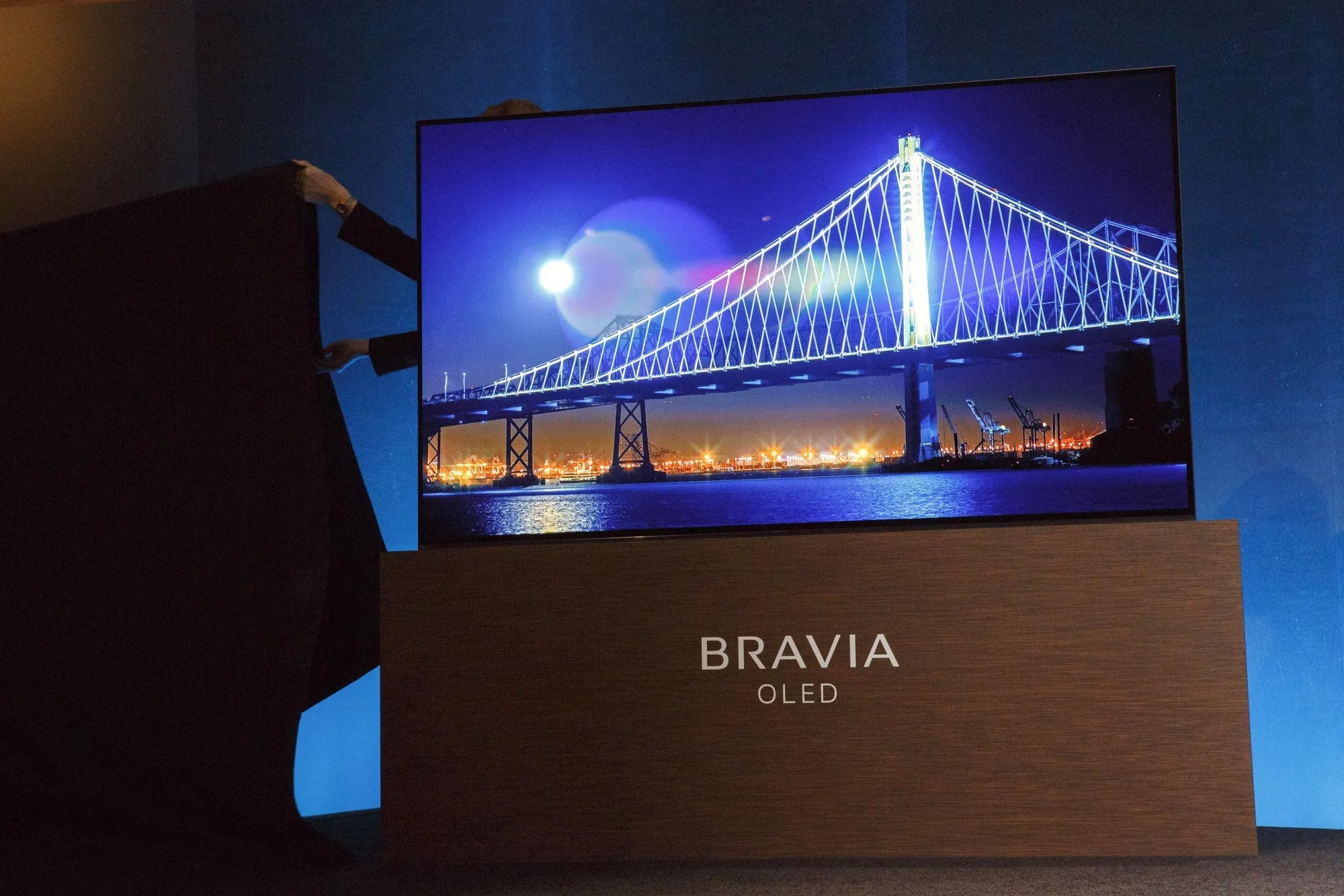
Sony has just announced plans to spin off its home entertainment business (including TVs) and form a joint venture with TCL. According to the memorandum of understanding (MOU), TCL will hold 51% of the shares and Sony will hold 49% in the new joint venture.
This decision reflects a strategic shift by Sony and TCL amidst a volatile TV market. International analysts believe this promises to benefit both sides, increasing competitive pressure on rivals.
A win-win situation
Sony and TCL aim to finalize binding agreements by the end of March, with the joint venture expected to be established in April 2027. The timeline may change depending on regulatory approvals and other terms of the partnership.
Note that the agreement does not mean Sony will sell off its TV business entirely. A press release from Sony stated that the joint venture with TCL aims to combine the strengths of both companies, helping to "develop the home entertainment business globally."
Sony stated that the partnership leverages Sony's audio/video technology, brand value, supply chain management, and operational expertise. Meanwhile, TCL will utilize its display technology, supply chain advantages, global presence, and cost-effectiveness.
Speaking to Tri Thuc - Znews , Yoshio Tamura, Vice President of Research at Counterpoint Research , said the agreement could help TCL strengthen its presence in the high-end TV segment.
"TCL is rapidly gaining market share. If the trend continues, TCL has the opportunity to become the leading TV brand in terms of shipments next year," Mr. Tamura emphasized.
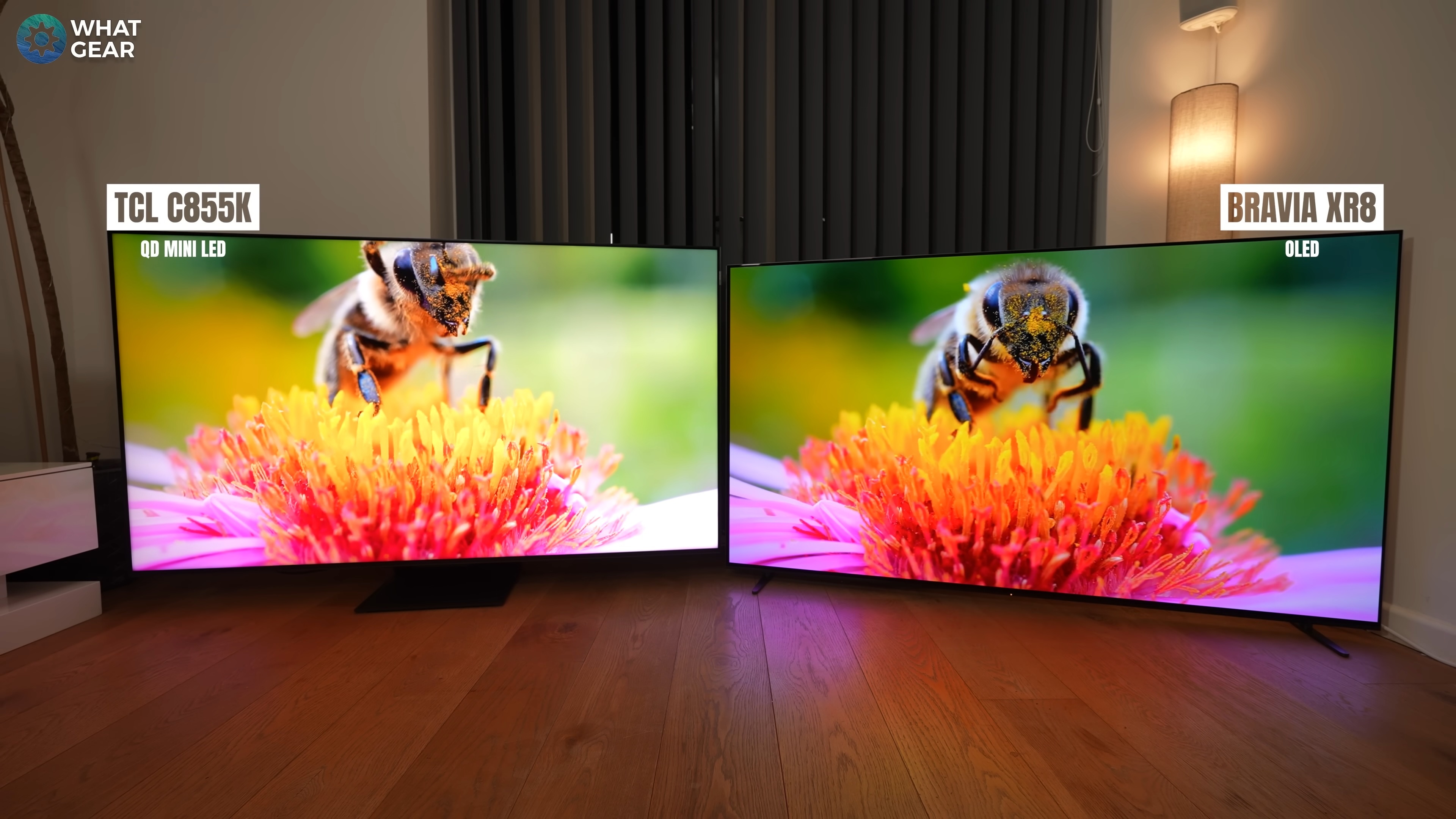 |
A sample of TCL (Mini LED) and Sony (OLED) headphones. Photo: @WhatGear/YouTube . |
Data from Counterpoint Research shows that TCL is a prominent name in the premium TV segment. In Q2 2025, TCL's market share in the premium segment increased by 4% (sales) and 2% (revenue) compared to the same period last year.
For comparison, Samsung's market share in premium TV sales decreased by 5% during the same period, and its revenue market share decreased by 3%. Meanwhile, LG recorded decreases of 4% and 6%, respectively.
According to analyst Yoshio Tamura, the deal creates an opportunity for Sony to help TCL address the gap in brand positioning and reputation in the high-end TV segment. Of course, Sony can also leverage TCL's advantages.
"From Sony's perspective, the clear appeal lies in its supply chain advantage, alongside TCL's LCD ecosystem, which includes Mini LED. This is one of the strongest ecosystems globally," Tamura told Tri Thức - Znews .
Representatives from Counterpoint Research believe that the agreement between Sony and TCL will create significant competitive pressure on Samsung and LG, especially in the high-end TV segment.
Elevating the status of Chinese TV
According to data from analytics firm TrendForce , TCL TV sales surpassed 20 million units in 2019. By 2024, TCL is projected to become the world's second-largest TV brand, with sales in 2025 forecast to reach nearly 31 million units, accounting for 15.7% of the global market share.
For Sony, its peak was in 2010, when TV sales reached 21.5 million units, accounting for 11.4% of the market share and ranking third globally. Faced with the influx of Chinese brands, Sony shifted its focus to mid-range and high-end TVs.
According to TrendForce 's estimates, Sony's TV sales in 2025 will be less than 4 million units, with a market share of around 1.9%, indicating low global competitiveness.
"Sony primarily supplies mid-range to high-end TV panels. After forming the joint venture and TCL becoming the controlling partner, their procurement strategy will be much more effective."
Specifically, TCL CSOT (the display manufacturing company of TCL Group) is likely to play a central role, with its market share in the display supply sector expected to increase significantly. In addition, AUO, which has strengthened its partnership with TCL in recent years, may also see a recovery in shipments, benefiting from strong demand for high-end panels,” the TrendForce report stated.
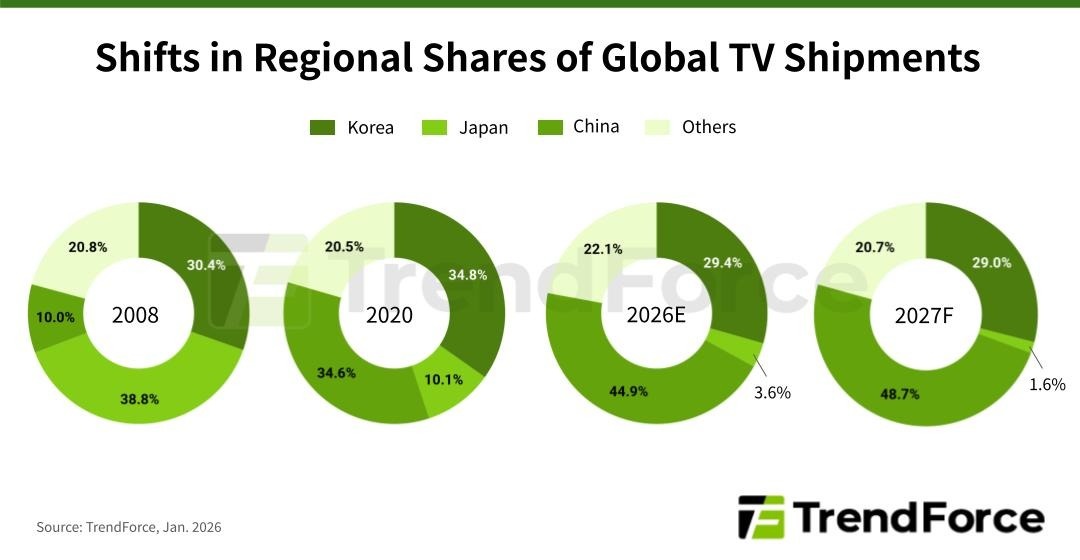 |
Changes in market share among global TV brands. Photo: TrendForce . |
An assessment of Sony's manufacturing operations shows that approximately 45% of Sony TVs are manufactured in-house, while the remaining 55% are outsourced. Previously, Foxconn handled about 80% of Sony's outsourced TV production, but has recently scaled back its operations.
Meanwhile, MOKA, a subsidiary of TCL, is increasingly expanding its production capacity and targeting international brands. This could be a potential OEM partner for Sony TVs in the future.
Japanese brands once held nearly 40% of the global TV market, but the rise of Chinese competitors and price competition have forced many to license or sell off their TV manufacturing divisions.
After receiving regulatory approval, the Sony-TCL joint venture is expected to begin operations in April 2027. TrendForce estimates that the total market share of Chinese brands globally will reach nearly 50%.
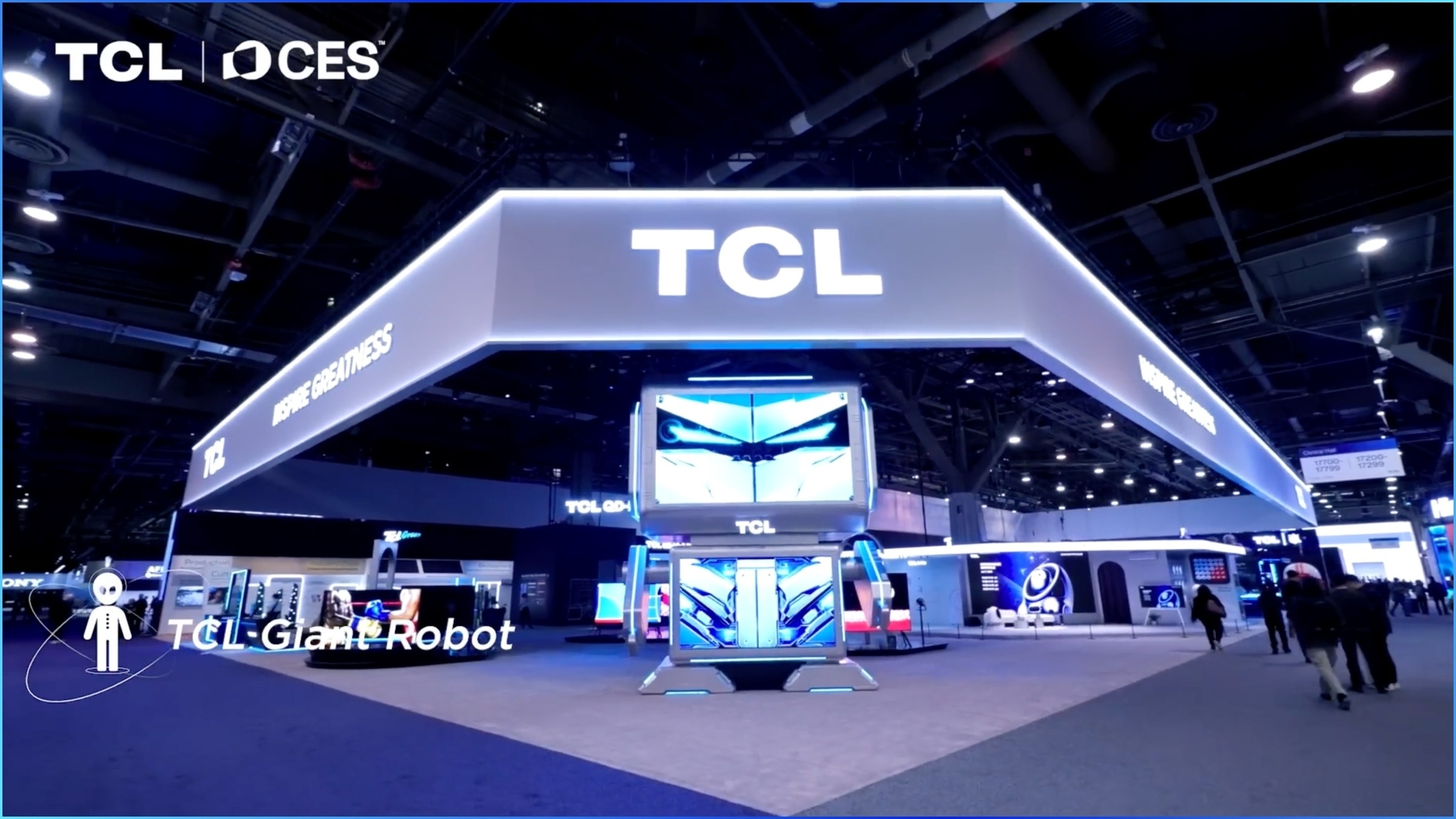 |
TCL's booth at CES 2026. Photo: TCL . |
TCL, one of China's largest and oldest electronics corporations, has spent years expanding into overseas markets. At CES 2026, TCL had one of the most prominent booths. The company has previously licensed several mobile brands such as BlackBerry and Alcatel.
Meanwhile, Sony has recently focused on expanding its patent-based business segments, including animation, movies, music , and sports broadcasting, while scaling back its consumer electronics operations.
According to a press release from Sony, the new joint venture is expected to maintain the Sony and Bravia brands, handling global operations from design, manufacturing, sales, and logistics for TVs and home audio equipment.
Inevitable consequences
Writing on Invidis , analyst Florian Rotberg argues that Sony's spin-off of its TV division is a natural consequence after years of decline. As the global TV market shrank sharply following the pandemic-induced boom, Sony's TV and entertainment division came under significant pressure.
"In short, Sony has become too small for a market where scale is paramount," Rotberg said.
Rotberg's article analyzes shifts in the value chain. LCD panel manufacturing remains one of the most capital-intensive segments in the electronics industry, with each factory requiring over $5 billion in investment. Not many manufacturers can afford this, and most are from China.
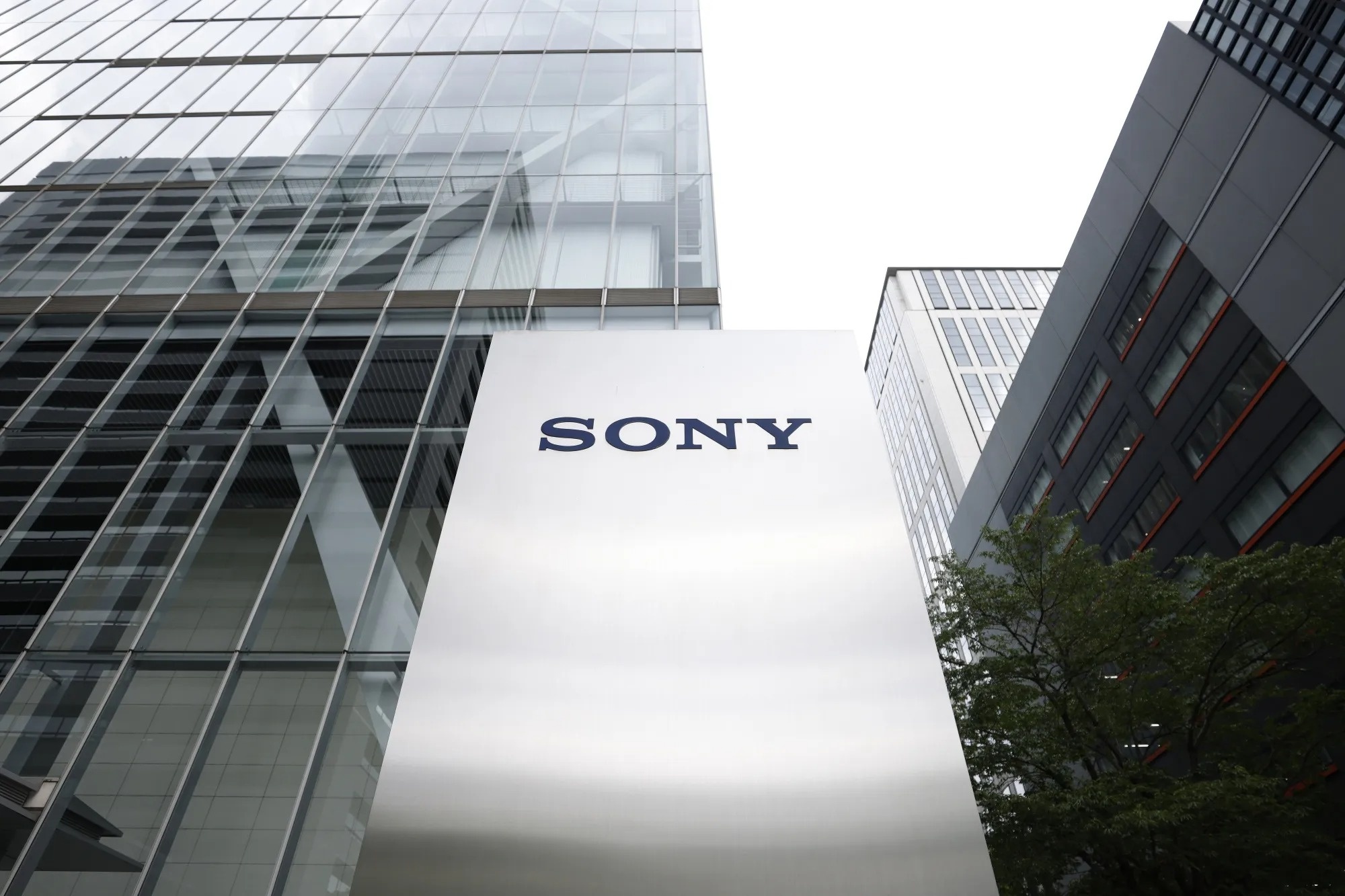 |
Sony's headquarters in Tokyo, Japan. Photo: Bloomberg . |
Even giants in LCD technology like Samsung and LG couldn't withstand the price and scale pressure from state-backed Chinese companies.
Currently, Chinese manufacturers, including BoE and TCL, produce more than two-thirds of the world's LCD panels. The remainder is supplied by Taiwanese-based companies such as AUO and Innolux.
"In this context, Sony's withdrawal is not surprising, but inevitable. The display industry thrives on massive production volumes, thin profit margins, and economies of scale. Sony lacks the market share to compete for the leading position," Rotberg emphasized.
Sharing this view, DigiTimes believes the global TV market faces numerous challenges. Even for well-known companies, the TV hardware segment is a cause for concern due to thin profit margins, volatile panel costs, high logistics costs, and fierce price competition.
The pressure to generate revenue is also reshaping the smart TV experience. Advertising, recommended content, and platform services are increasingly important for contributing to profitability. This raises the question of what future Sony TVs need to do to balance their premium positioning with the mainstream revenue models of the mass market.
"This joint venture model helps maintain Sony's premium brand identity, although its price competitiveness needs closer monitoring. The outcome of the deal could signal deeper consolidation in an industry that is increasingly difficult to operate independently," the DigiTimes article emphasized.
Source: https://znews.vn/toan-tinh-cua-sony-va-tcl-post1621821.html

![[Image] A night of light, many layers of message](https://vphoto.vietnam.vn/thumb/1200x675/vietnam/resource/IMAGE/2026/03/10/1773158812907_hoa-nhac9-jpg.webp)


































































Comment (0)