

Lipomas are fatty deposits that gradually accumulate under the skin. They are round in shape, vary in size, and are usually benign.
According to the American Cancer Society, this type of tumor does not increase the risk of cancer. Small lipomas rarely cause symptoms. As they increase in size, large lipomas lead to signs such as pain to the touch, palpable tenderness, and loose, flabby skin on the breast. Lipomas can develop as a single lump or a cluster.
This tumor forms in connection with trauma in the chest and surrounding area. This trauma stimulates the production of fat cells and fatty tumors. Other medical conditions such as hereditary multiple lipomatosis and Gardner syndrome—a genetic condition associated with the development of polyps inside and outside the colon—are also contributing factors. Genetic factors are also one of the causes.

Large fatty tumors in the breast may be palpable. (Image) Freepik
Lipomas usually don't require treatment. If the lipoma is very large, a doctor may consider surgery or liposuction. Liposuction has fewer side effects, causes less scarring, reduces pain, and lowers the risk of complications. Lipomas that are removed have a low recurrence rate.
In rare cases, very large or rapidly growing fatty tumors can compress nerves, blood vessels, or joints, causing pain and discomfort.
Several other benign conditions can develop in the breast, such as cysts, neurofibromas, hematomas, and warts that grow in the milk ducts. A benign breast tumor can also form from cells in the milk duct walls, fatty or fibrous tissue, and from blood vessels in the breast.
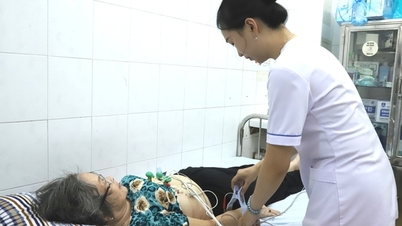
Women should see a doctor if they notice an unusual soft lump in their breast, have a family history of breast cancer, experience nipple discharge, retracted nipples, swelling, redness, etc. The doctor may perform diagnostic tests (ultrasound, X-ray, MRI, biopsy) to determine the condition and rule out breast cancer.
Mai Cat (According to Very Well Health )
Source link


























![[Photo] Prime Minister Pham Minh Chinh receives the Chinese Ambassador to Vietnam](https://vphoto.vietnam.vn/thumb/1200x675/vietnam/resource/IMAGE/2026/04/05/1775397481797_ndo_br_dsc-5512-jpg.webp)






















































Comment (0)