

Quang Ninh is a locality frequently and severely affected by natural disasters such as typhoons, floods, droughts, and forest fires. Given this reality, effective response is a crucial solution to minimize damage and protect the lives of the people.
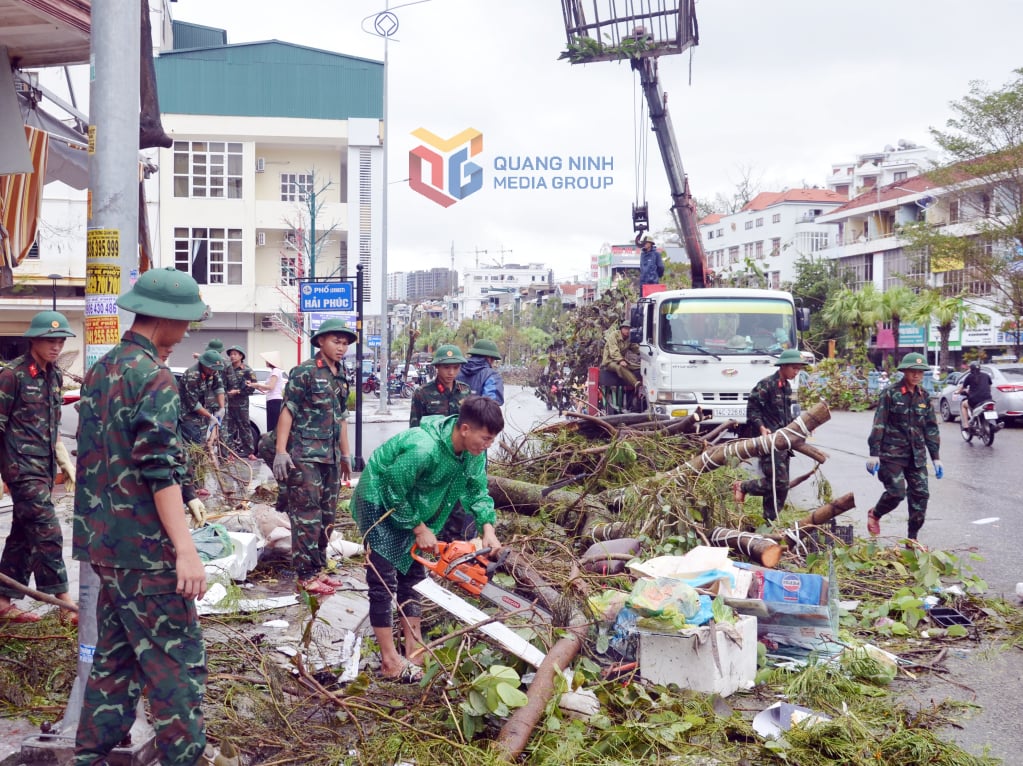
Impact of natural disasters
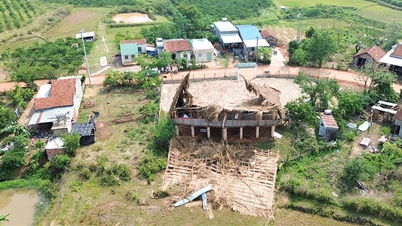
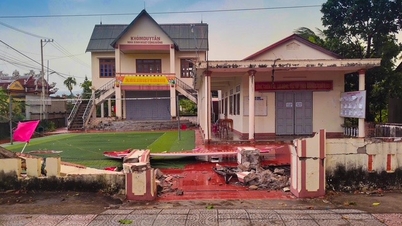
According to statistics, out of the 19 natural disaster scenarios stipulated in the Law on Disaster Prevention and Control, Quang Ninh province has experienced 17, with only earthquakes and tsunamis yet to be recorded in the area. In 2024, the East Sea recorded 10 typhoons and tropical depressions, of which two directly affected Quang Ninh: Typhoon No. 2 (Prapiroon) and Typhoon No. 3 (Yagi). Notably, Typhoon No. 3, which made landfall in the province on September 7, 2024, became a super typhoon with wind speeds reaching levels 16-17. The total damage caused by Typhoon No. 3 to Quang Ninh province is estimated at approximately 28,000 billion VND, resulting in 30 deaths, over 1,600 injuries, and thousands of houses damaged, roofs blown off, collapsed, or severely flooded.
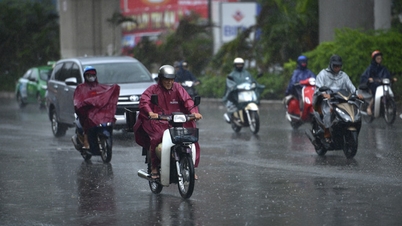
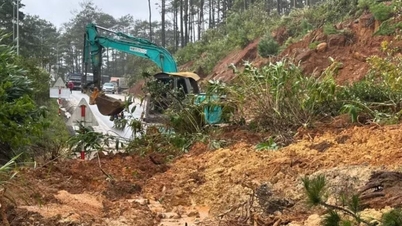
The year 2024 also witnessed unusual and extreme weather events due to the impact of climate change. The rainy season began in May and ended earlier than usual, at the end of September, about a month earlier than normal. The entire province experienced 8 periods of heavy rain, with the highest daily rainfall recorded at Tien Yen station on September 9th reaching 274mm. Hot weather appeared early in April, with temperatures 1-1.5°C higher than the multi-year average, and exceptionally 2.2-2.7°C higher than the previous year, with maximum temperatures commonly reaching 36-37°C. Severe cold spells also occurred 4 times during the year, including frost on January 23rd at the peaks of Yen Tu and Cao Ly mountains. In addition, the province recorded 8 floods on rivers and 2 land subsidence incidents, directly threatening the safety of people and infrastructure.
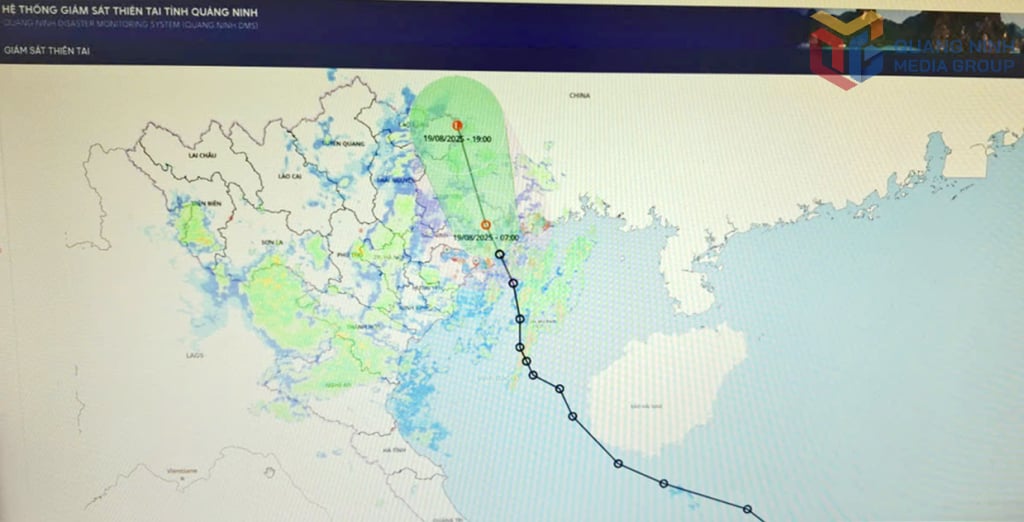
The above facts show that the impacts of climate change are becoming increasingly evident and severe, especially in coastal provinces like Quang Ninh. Particularly on the afternoon of July 19, 2025, an unusually strong storm struck many localities in Northern Vietnam, including Quang Ninh, causing serious damage to people and property. The tourist boat QN-7105 capsized while transporting tourists on route 2 in Ha Long Bay, resulting in many casualties.
Therefore, disaster prevention and control efforts need to be further improved in terms of forecast quality, response capacity, and proactive development of sustainable infrastructure. Climate change is no longer a potential threat but has become a constant reality, requiring the government and people to have comprehensive and timely response solutions to protect the lives and property of the community.
Proactive disaster prevention
Faced with increasingly complex and extreme weather events due to climate change, the province has been implementing a comprehensive set of solutions to proactively prevent, respond to, and mitigate the consequences of natural disasters, protect the lives and property of the people, and promote sustainable socio-economic development. According to the National Center for Meteorological and Hydrological Forecasting, in 2025, the weather situation will continue to be highly unpredictable. The neutral state of ENSO, along with the trend of rising global temperatures, will increase the risk of various types of natural disasters such as: intense heatwaves, localized heavy rainfall, strong storms, flash floods, landslides, and sea level rise... These are major challenges that require thorough, proactive, and flexible preparation from an early stage and in advance.
Recognizing the importance of disaster prevention and control, the Provincial Party Committee and the Provincial People's Committee have closely directed departments, agencies, and localities to thoroughly understand the spirit of considering disaster prevention and control as a regular and continuous task of the entire political system. The implementation of Directive No. 42-CT/TW of the Party Central Committee, Action Program No. 39-CT/TU (2020), and Resolution No. 10-NQ/TU (2022) of the Provincial Party Committee has created an important foundation for comprehensive and synchronized disaster prevention and control, assigning responsibility to each level and sector, especially the heads of departments.
The province is focusing on strictly implementing the "3 before" principle (identifying risks, preparing plans and supplies before a natural disaster occurs) and the "4 on-site" principle (on-site command, on-site forces, on-site equipment, on-site logistics), considering these as key principles in disaster response, especially in the context of increasingly rapid, complex, and unpredictable natural disasters.
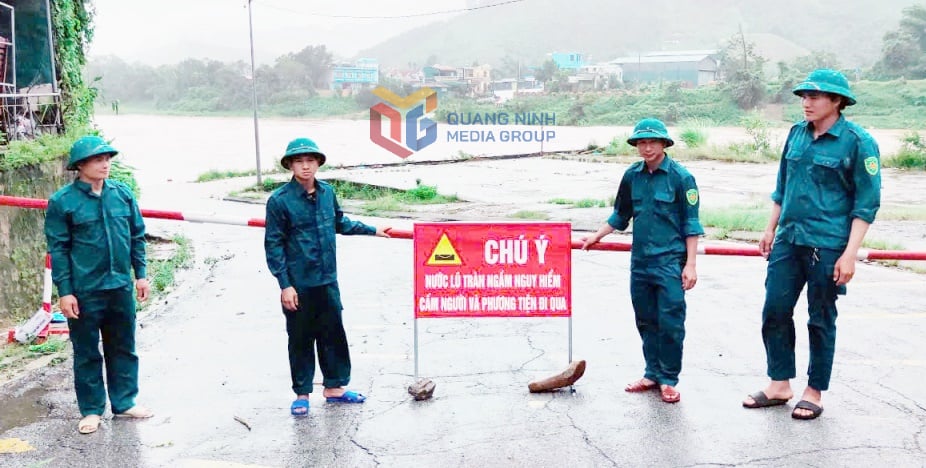
To date, the entire province has invested in upgrading many irrigation and dike systems to serve disaster prevention and control efforts. Specifically, there are 176 reservoirs with a total capacity of 360 million m³, of which Yen Lap reservoir is the largest with a capacity of 127 million m³. The dike system is 397 km long, designed to withstand storms of level 9 or higher. In particular, the Ha Nam dike (Lien Hoa and Phong Coc wards) is level 3, capable of withstanding storms of level 10, playing a key role in preventing sea level rise and protecting infrastructure, people's lives, and industrial zones.
The province is also developing a plan to strengthen and improve the dike system by 2030, with a vision to 2050, in order to enhance long-term disaster prevention capacity and effectively adapt to climate change. Local authorities have proactively implemented many specific preventive measures. In areas at high risk of flooding, communes and wards are actively dredging and clearing drainage ditches and systems to minimize localized flooding that causes traffic congestion and affects people's lives.
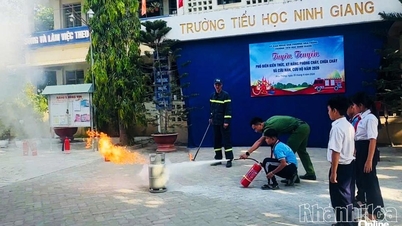
Furthermore, the armed forces and relevant agencies are always in a state of readiness to respond. Response plans for each disaster scenario have been developed and thoroughly reviewed. The province is also promoting digital transformation in the reception of information, forecasting, and warning of natural disasters, improving the quality of on-site operation and command. Regular awareness campaigns, training, and drills are organized to enhance the capacity and skills of the people and communities in responding to disasters. When a natural disaster occurs, local Party committees and authorities are responsible for promptly and fully reporting the situation, damage, and measures implemented to the Provincial Steering Committee for Disaster Prevention, Search and Rescue and Civil Defense to ensure timely guidance and minimize damage to people and property.
Source: https://baoquangninh.vn/ung-pho-hieu-qua-voi-thien-tai-3372700.html
![[Photo] General Secretary and President To Lam meets with National Assembly delegates from ethnic minorities.](https://vphoto.vietnam.vn/thumb/1200x675/vietnam/resource/IMAGE/2026/04/20/1776696701056_a1-bnd-8331-3342-jpg.webp)
![[Image] National Assembly discusses the implementation of the socio-economic development plan.](https://vphoto.vietnam.vn/thumb/1200x675/vietnam/resource/IMAGE/2026/04/20/1776696707422_ndo_br_img-20260420-185419-jpg.webp)



























































































Comment (0)