

Some studies show that dishwashing sponges can harbor a lot of bacteria. These bacteria can contaminate any surface the sponge touches. These bacteria increase the risk of foodborne illnesses, such as food poisoning, according to the health website Healthline (USA).
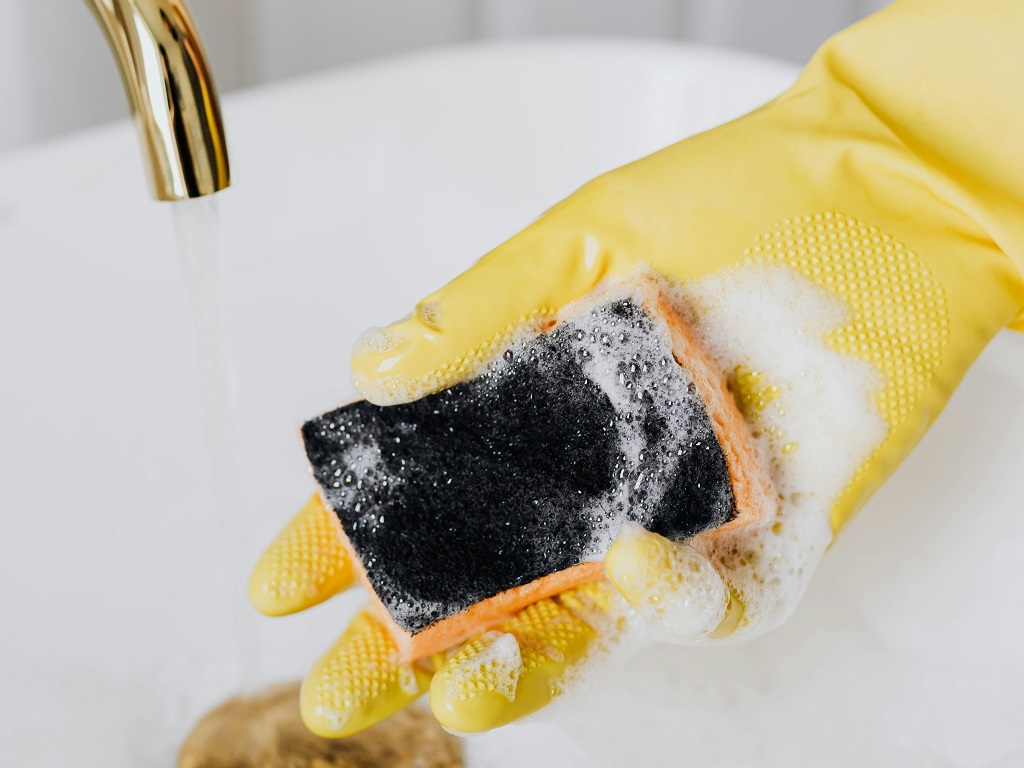
Dishwashing sponges can be a breeding ground for disease-causing bacteria.
Sponges are commonly used to wash pots, basins, and dishes used for food... This makes sponges susceptible to contamination by Salmonella bacteria, which can cause diarrhea, stomach cramps, nausea, or vomiting.
An experiment by biomedical engineers at Duke University (USA) showed that sponges, due to their porous and moist structure, become an ideal environment for bacteria to grow. Kitchen sponges are capable of cultivating more bacteria than the bacterial culture plates commonly used in laboratories. Harmful bacteria on sponges can cause a range of health problems, from mild gastritis to serious conditions such as pneumonia.
Pathogenic bacteria that can be found in sponges include Campylobacter, Enterobacter cloacae, E. coli, Klebsiella, Moraxella osloensis, Salmonella, and Staphylococcus. Enterobacter cloacae is part of the natural gut microbiota. However, in people with weakened immune systems, it can proliferate and cause serious infections such as pneumonia and meningitis.
How to reduce bacteria in sponges
To minimize health risks from sponges, the first thing to do is to avoid using the same sponge for everything. The sponge used for washing dishes should be different from the sponge used for cleaning utensils that have been used to handle raw meat.
Sponges should be air-dried and kept in a dry place after each use because a humid environment encourages bacterial growth. If you have a microwave, put the sponge in the microwave for about 2 minutes. This can significantly reduce the amount of bacteria in the sponge, according to Healthline .
Source: https://thanhnien.vn/mieng-bot-bien-rua-chen-chua-nhieu-vi-khuan-lam-sao-de-tranh-mac-benh-185240917131852316.htm




![[Photo] General Secretary and President To Lam presides over a working session with the Central Policy and Strategy Committee on the development of the materials industry.](https://vphoto.vietnam.vn/thumb/1200x675/vietnam/resource/IMAGE/2026/05/21/1779359935432_a3-bnd-3129-1412-jpg.webp)














































































Comment (0)