

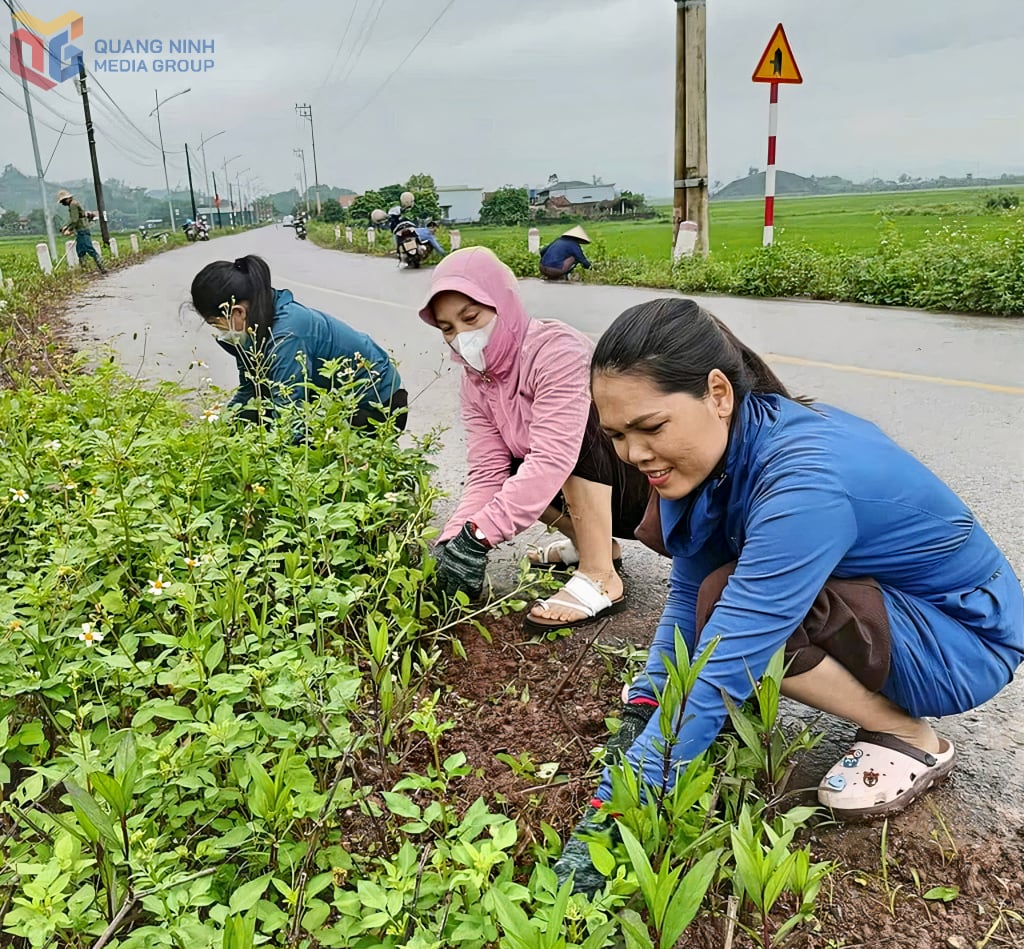
Ensure income criteria are met.
The Ba Chẽ District Agricultural Technical Service Center is implementing a trial cultivation model of black-seeded grapes in greenhouses in Đạp Thanh commune. This black-seeded grape variety was researched, published, and applied to production in northern provinces by the Bắc Giang University of Agriculture and Forestry, achieving high economic efficiency. The time from flowering to harvest is 95-120 days; the fruit is small, round, black when ripe, seedless, sweet, with a slightly astringent skin.
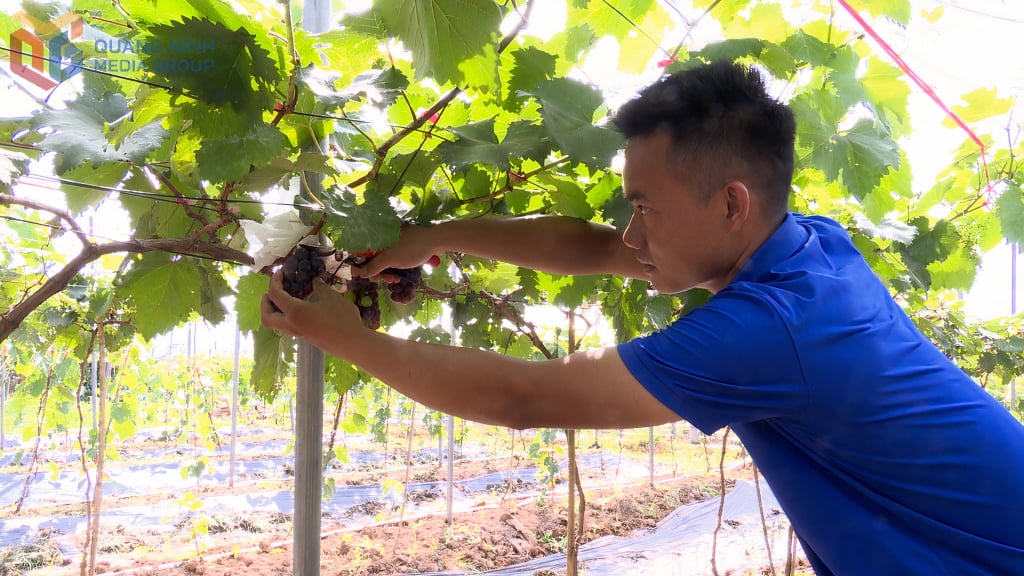
A trial cultivation of black-seeded grapes in a greenhouse was implemented from February 2025 at the household of Mr. Hoang Van Manh (Bac Xa village), with a scale of 440 plants/1,000m². Monitoring and evaluation of the model showed that the plants grew and developed well, with few pests and diseases. After 4 months of planting, the grapevines flowered and bore fruit evenly; each plant yielded about 3kg of ripe fruit, selling at the farm for 150,000 VND/kg. Mr. Manh said: Initial results show that the grape variety is quite suitable for the local climate and soil, the fruit is fairly uniform, sweet and refreshing, and seedless. The effectiveness shows that it can improve the economic efficiency and income for the people.
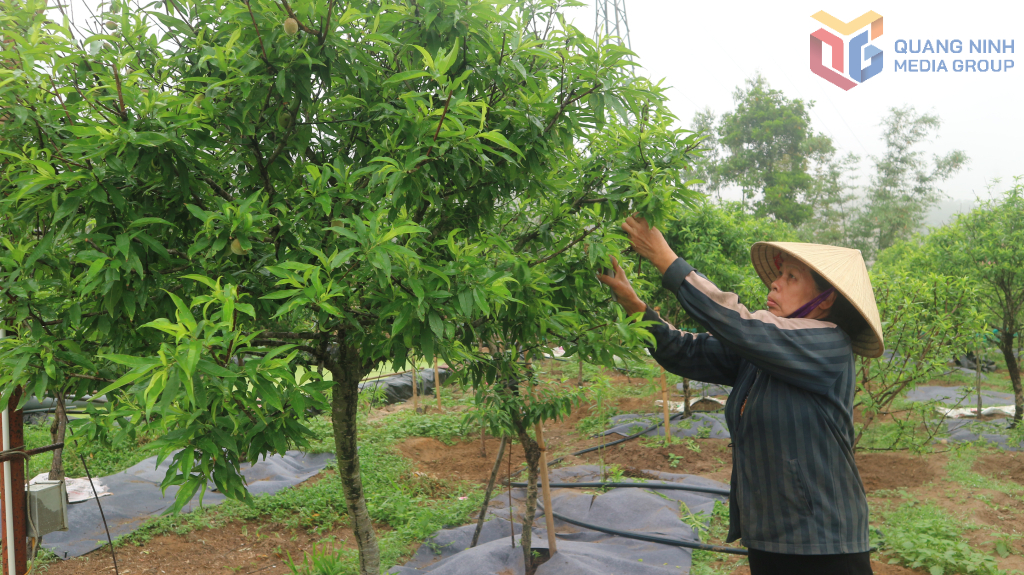
Peach trees are currently a high-income crop for many people in Van Don district, mainly in Ha Long commune. The commune currently has over 500 households growing peach trees, of which 60 households cultivate them in concentrated areas, with an average of over 300 peach trees per orchard.
Mr. Nguyen Doan Tuan's family (village 5, Ha Long commune) has been involved in peach tree cultivation for many years. He grows 3,000 peach trees on 1.3 hectares, mainly harvesting them during Tet (Lunar New Year) every year. Mr. Tuan shared: "This past Lunar New Year, my family sold over 200 trees, generating about 300 million VND in revenue, mainly from customers and traders who came directly to the garden to buy them. After Tet, I prune the branches, replant the trees that have been sold, and take care of them, fertilizing them... to ensure the peach trees grow well and healthily. My family has recently replanned the area for peach tree cultivation, planting an additional 400-500 trees each year.”
Income criteria play a "leveraging" role, creating motivation to fulfill the criteria in building new rural areas. Localities in the province have been implementing many solutions to develop the economy and increase people's income.
Synchronizing multiple solutions
The province has always prioritized investment in development and improving the material and spiritual lives of its people. Notably, it has integrated three national target programs (sustainable poverty reduction; new rural development; and socio-economic development in ethnic minority and mountainous areas) and a comprehensive plan linked to the implementation of Resolution No. 06-NQ/TU (dated May 17, 2021) of the Provincial Party Committee to create a synergistic force of resources and promote comprehensive development in ethnic minority and mountainous areas. During the 2021-2024 period, the provincial budget provided over 4,000 billion VND in support, 2.26 times more than the 2016-2020 period.
The Provincial People's Committee issued Decision No. 33/2024/QD-UBND (dated September 13, 2024) stipulating the conditions, content, and preferential loan levels for implementing the credit policy supporting entrusted loans through the Social Policy Bank under the capital source for implementing national target programs in the 2021-2025 period. To date, the entire province has disbursed approximately 142,095 million VND to 1,578 households for production development loans.
Based on the strengths of each locality, to reorganize production, the province focuses on restructuring the agricultural sector and developing large-scale, modern, concentrated commercial agriculture. In this regard, the province chooses to promote cooperation and linkages in agricultural production and consumption along the value chain, strengthening and developing cooperatives associated with the OCOP program, thereby increasing product value in a sustainable manner.
Accordingly, the average income in ethnic minority, mountainous, border, and island areas of the province increased from VND 32.62 million/person (2020) to VND 73.348 million/person (2023). By the end of 2023, the province no longer had any poor households according to the central government's poverty standard. The province proactively raised the poverty line by 1.4 times compared to the central government's poverty standard in terms of income criteria. Many successful models and bright spots in agricultural and forestry production have emerged in the province; community and eco- tourism models in ethnic minority areas are contributing to the increasingly prosperous local economy.
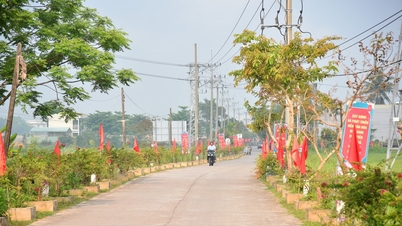
The province focuses on investing in the construction of socio-economic infrastructure in ethnic minority areas, mountainous regions, border areas, and islands, creating connections between regions and effectively serving the lives of the people. To date, 100% of communes have paved roads leading to the commune center; 100% of communes maintain national standards for commune health; 100% of households have access to safe and high-quality electricity, contributing to improving people's lives and livelihoods. The province prioritizes addressing issues related to land, housing, production land, and clean water, etc., to provide people with more opportunities to develop production and improve their living standards.
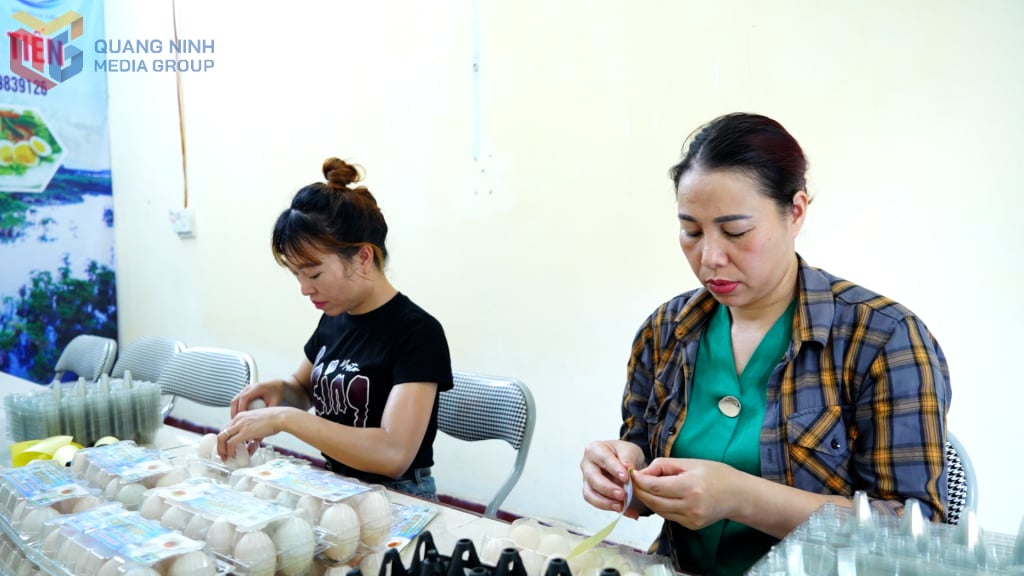
In addition, it is necessary to attract businesses to invest in developing production and business in ethnic minority and mountainous areas to form large-scale concentrated production models; create conditions for ethnic minority households to participate in cooperatives and production linkages along the value chain; promote the transfer of science and technology, helping people create competitive products and increase their income…
Source: https://baoquangninh.vn/vi-muc-tieu-hanh-phuc-cua-nguoi-dan-3363624.html

![[Photo] Prime Minister Pham Minh Chinh receives the Chinese Ambassador to Vietnam](https://vphoto.vietnam.vn/thumb/1200x675/vietnam/resource/IMAGE/2026/04/05/1775397481797_ndo_br_dsc-5512-jpg.webp)



















































![[INFOGRAPHICS] Exploiting children's personal images for profit can result in fines of up to 50 million VND.](https://vphoto.vietnam.vn/thumb/402x226/vietnam/resource/IMAGE/2026/04/06/1775442200854_1775442148.webp)













Comment (0)