

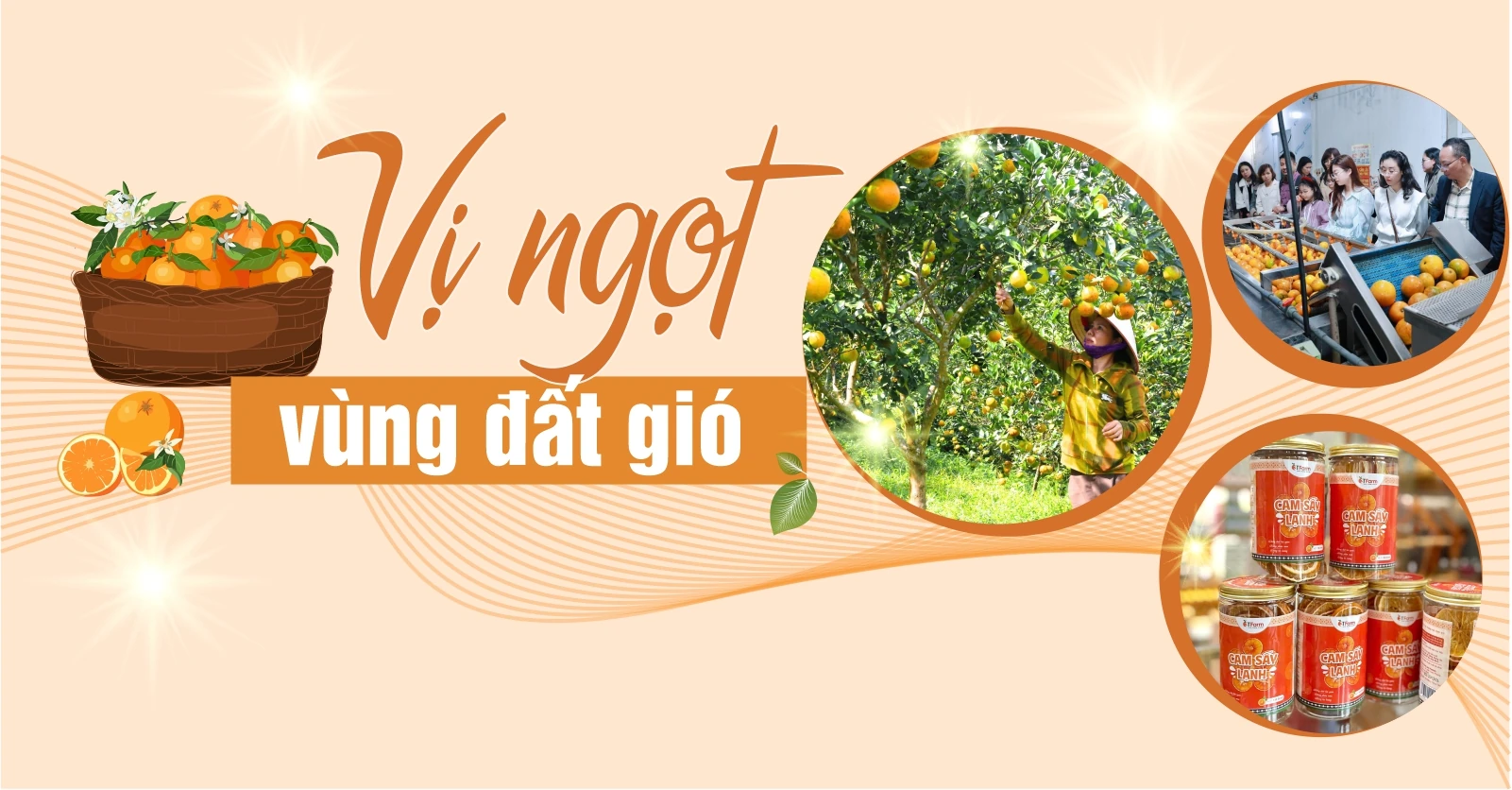
Towards the end of the year, as the sun gradually sets over the hills of Cao Phong, the golden hues of oranges begin to spread through the foliage, along the red dirt paths, covering the hills accustomed to steep slopes and wind. The oranges here don't ripen quickly. They retain their thick peels, deep yellow flesh, and a rich, lingering sweetness and aroma. It is this slow ripening process that has made Cao Phong oranges famous for over half a century.
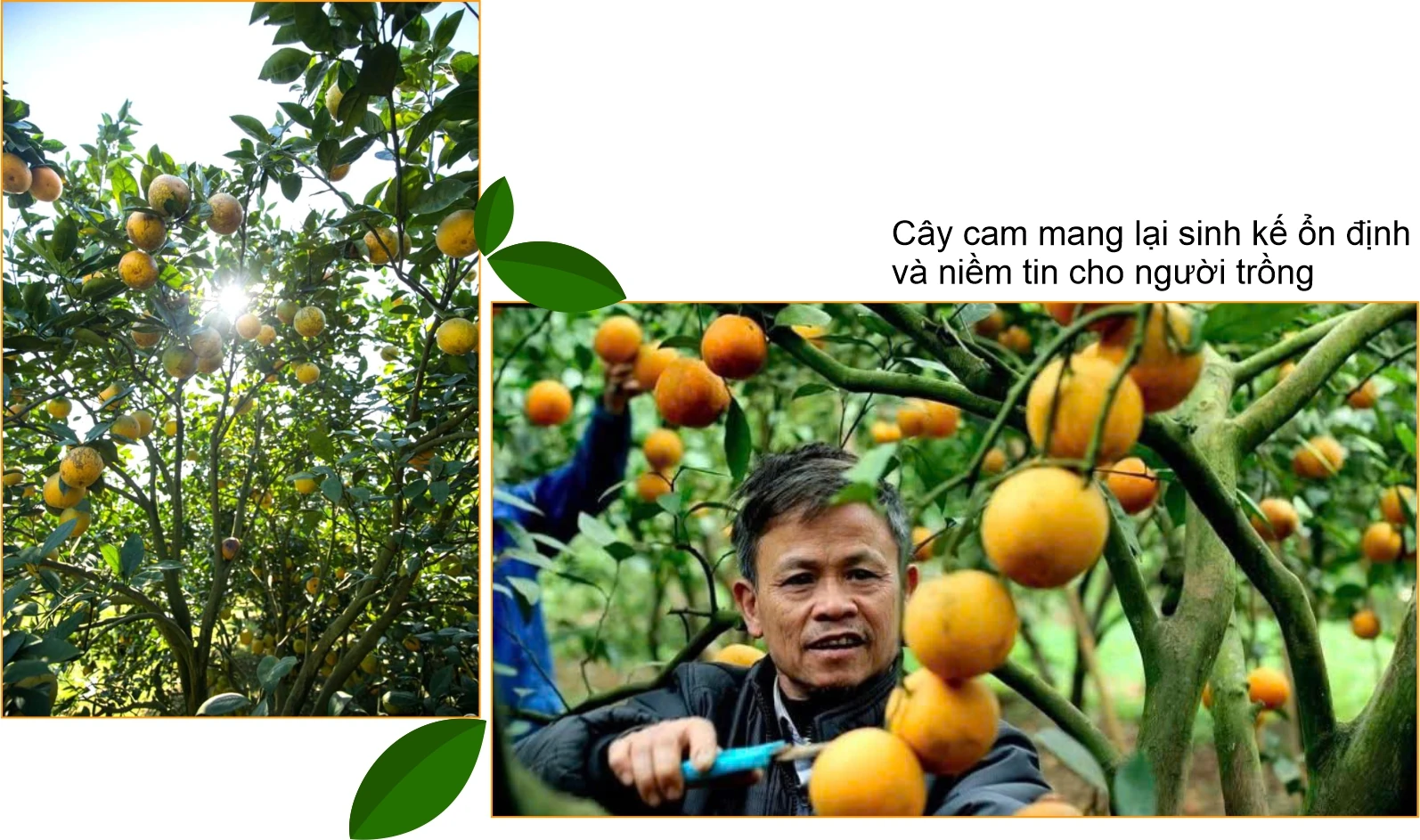
From a challenging land, the orange tree has taken root, weathering many ups and downs to become a specialty product, providing stable livelihoods and confidence for growers today.
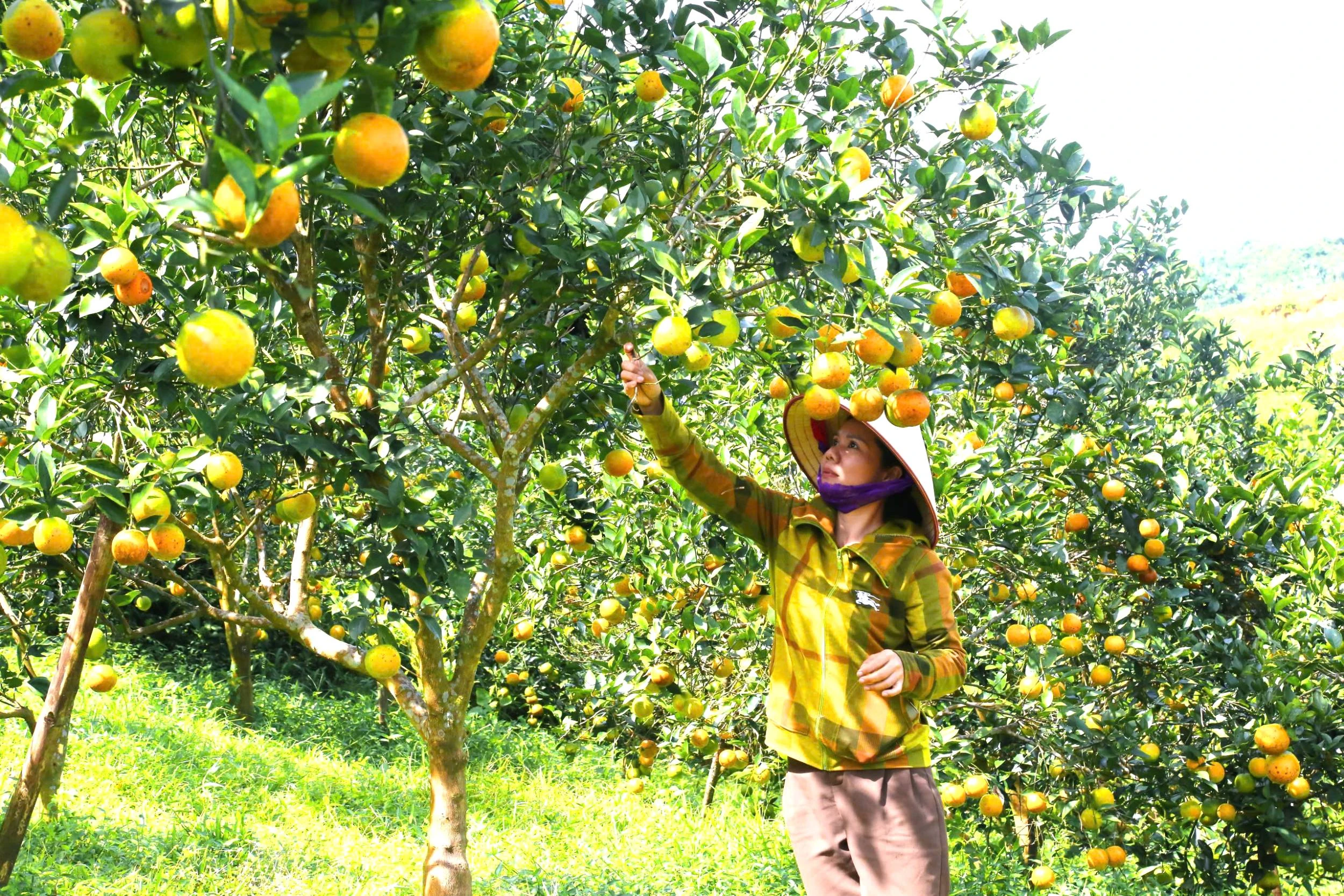

More than half a century ago, Cao Phong was not a fruit-growing region. The hills were steep, the soil thin, the sun was strong, and the rains were erratic. In the early 1960s, when the Cao Phong State-owned Farm was established, oranges were planted there with a trial-and-error approach. Orange saplings were carried up the hills and placed on rocky ground; survival was a blessing, let alone sweet fruit – that was a distant dream at the time.
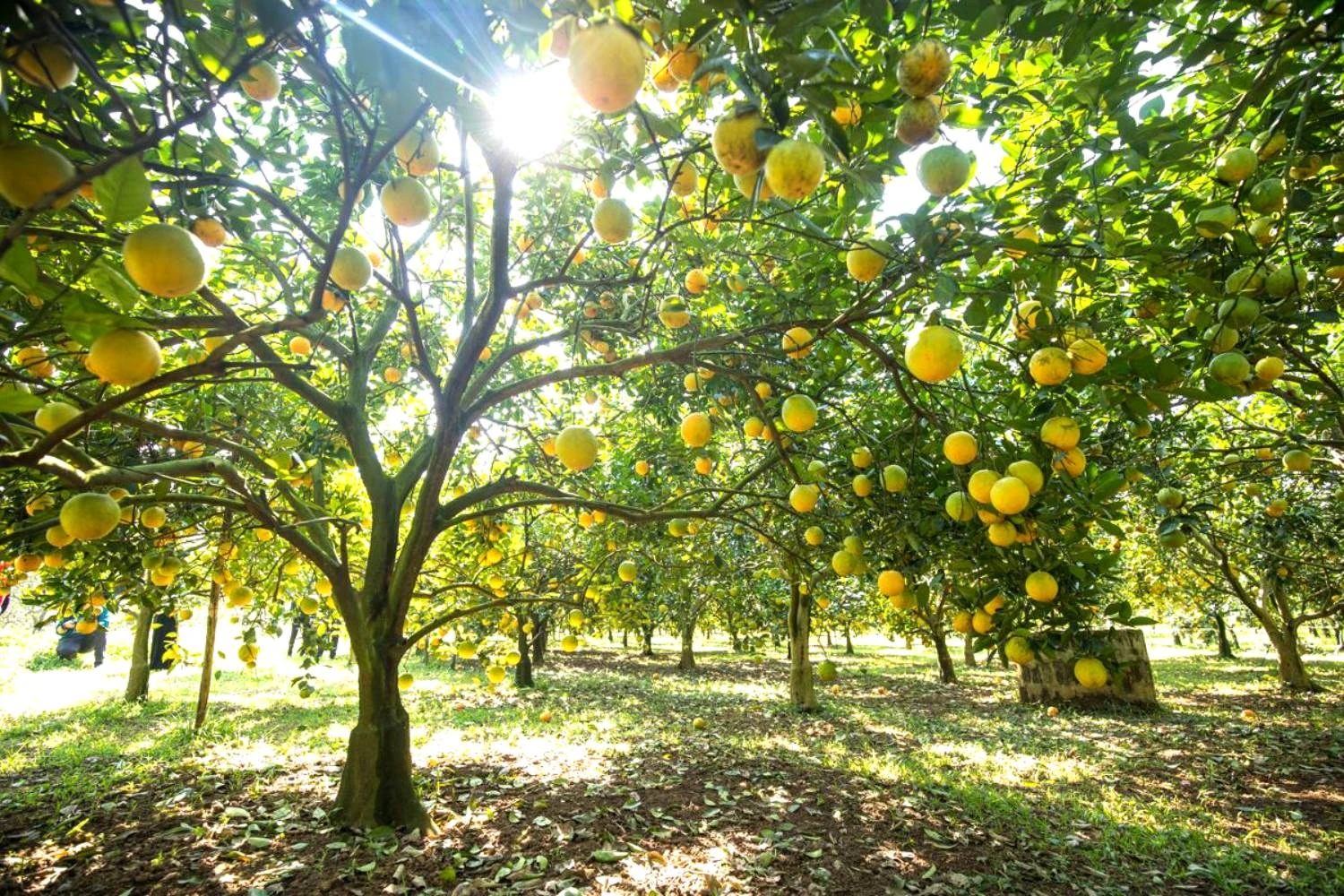
The oranges remain. The former farm workers dedicated their lives to orange trees by patiently learning about the soil, the water, and even how to accept the risks. From Sành oranges to Xã Đoài oranges and Canh oranges, each variety was a trial run. Some seasons saw the fruit fall off the trees; other years the trees remained green but yielded no harvest. But with each layer of accumulated experience, each hillside gradually became more familiar with the orange trees.

Entering the 2000s, with the opening of the market economy , Cao Phong oranges found their place. Along with this came a shift in production thinking: no longer planting based on habit, but beginning to consider quality, seasonality, and marketability. The orange orchards didn't bear fruit all at once, but more consistently; the sweetness gradually developed according to the unique soil and climate of this hilly region.
From the orange trees planted amidst challenges, Cao Phong has formed a region of sweet fruit with memories and layers of history. Therefore, today's oranges not only bear the taste of sun and rain, but also contain within them a long journey of connection with the land. This foundation paves the way for the orange-growing region to enter a new phase – where preserving sweetness is just as important as producing a large quantity of fruit.
.
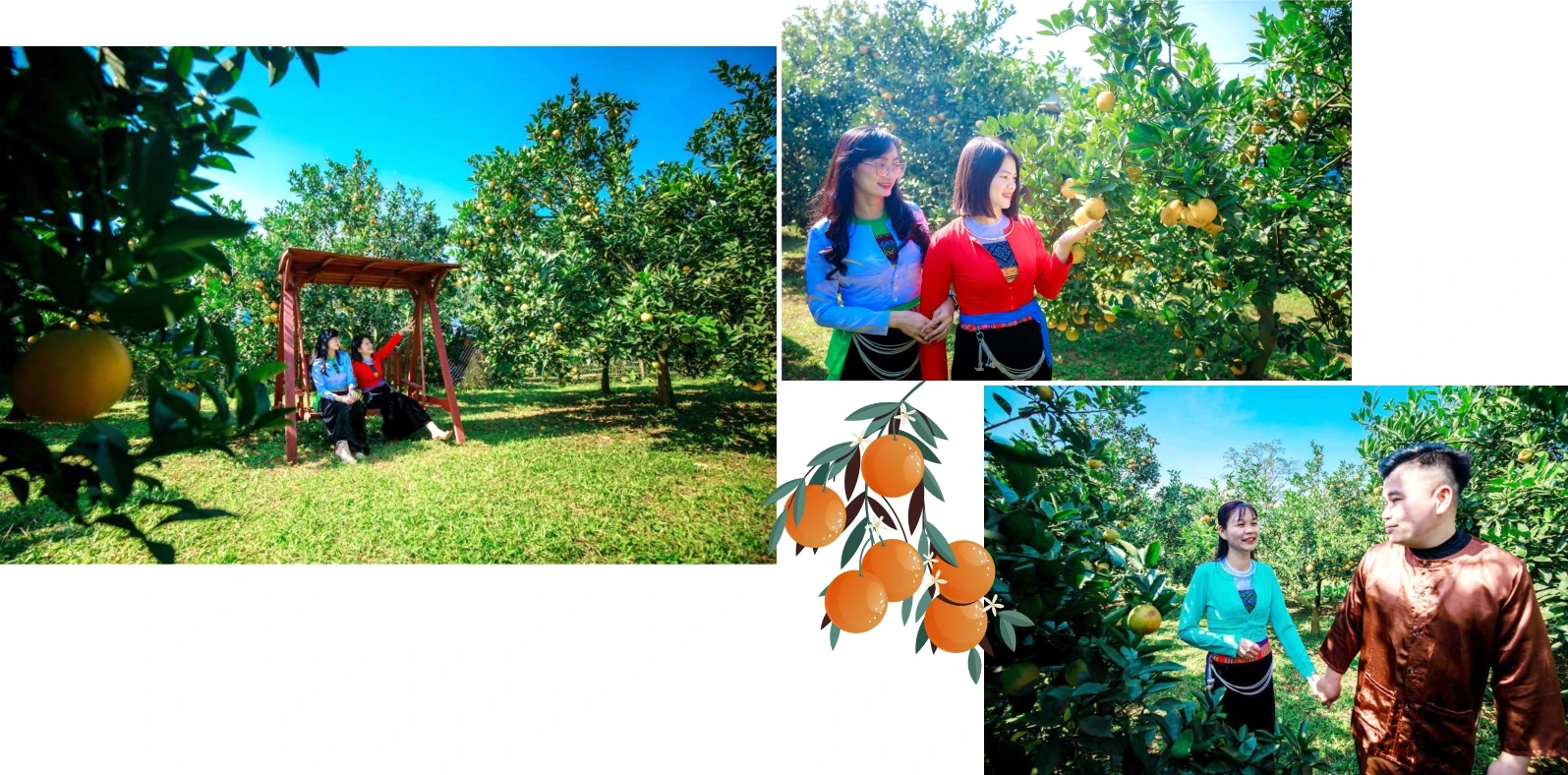

After periods of ups and downs, Cao Phong chose not to return by expanding its cultivated area. Instead, it opted for a more cautious approach: preserving the land, the varieties, and the quality. Old orange orchards were cleared for replanting; disease-free seedlings gradually replaced the trees that had passed their productive cycle. Orange growers began meticulously planning every step, from care and harvesting to product distribution.
For the 2025-2026 crop year, Cao Phong orange production is estimated at 3,273.44 tons, with an average selling price ranging from 10,000 to 25,000 VND/kg. While this figure is no longer at the peak of the "golden years," it reflects a different reality: oranges are now being produced in a more stable environment, with better risk control.
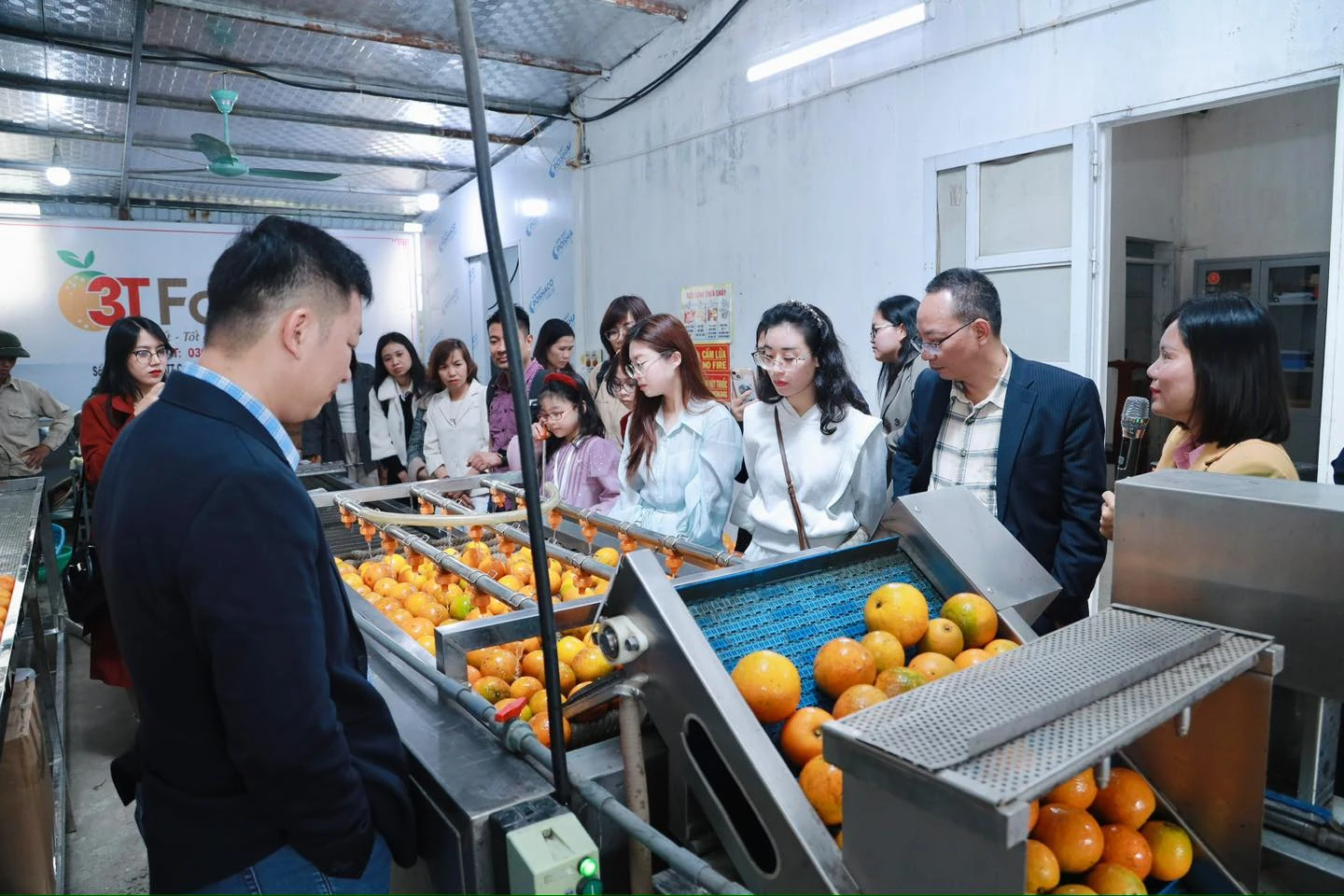
The shift is evident in the practices. VietGAP is no longer just a slogan on paper, but has become a concrete requirement in many orange orchards. Care logs are meticulously recorded; fertilizers and pesticides are controlled; and harvesting times are carefully calculated to ensure the fruit reaches the appropriate ripeness. Oranges are not harvested prematurely to chase prices, nor are they allowed to become too ripe, which would reduce quality. As a result, the sweetness is rich, deep, and lingers.
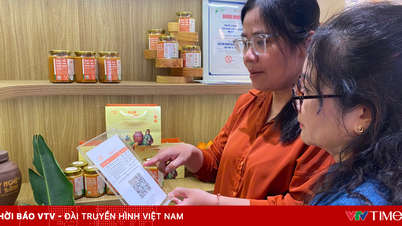
Along with production, the consumption stage has expanded in a linked manner. Cooperatives collect products, standardize packaging, and connect with supermarkets, wholesale markets, and e-commerce platforms. Oranges leaving the hills are not transported individually, but are part of a traceable supply chain. The protection of the geographical indication "Cao Phong" also places higher demands: a brand is not just a name, but a commitment to quality.
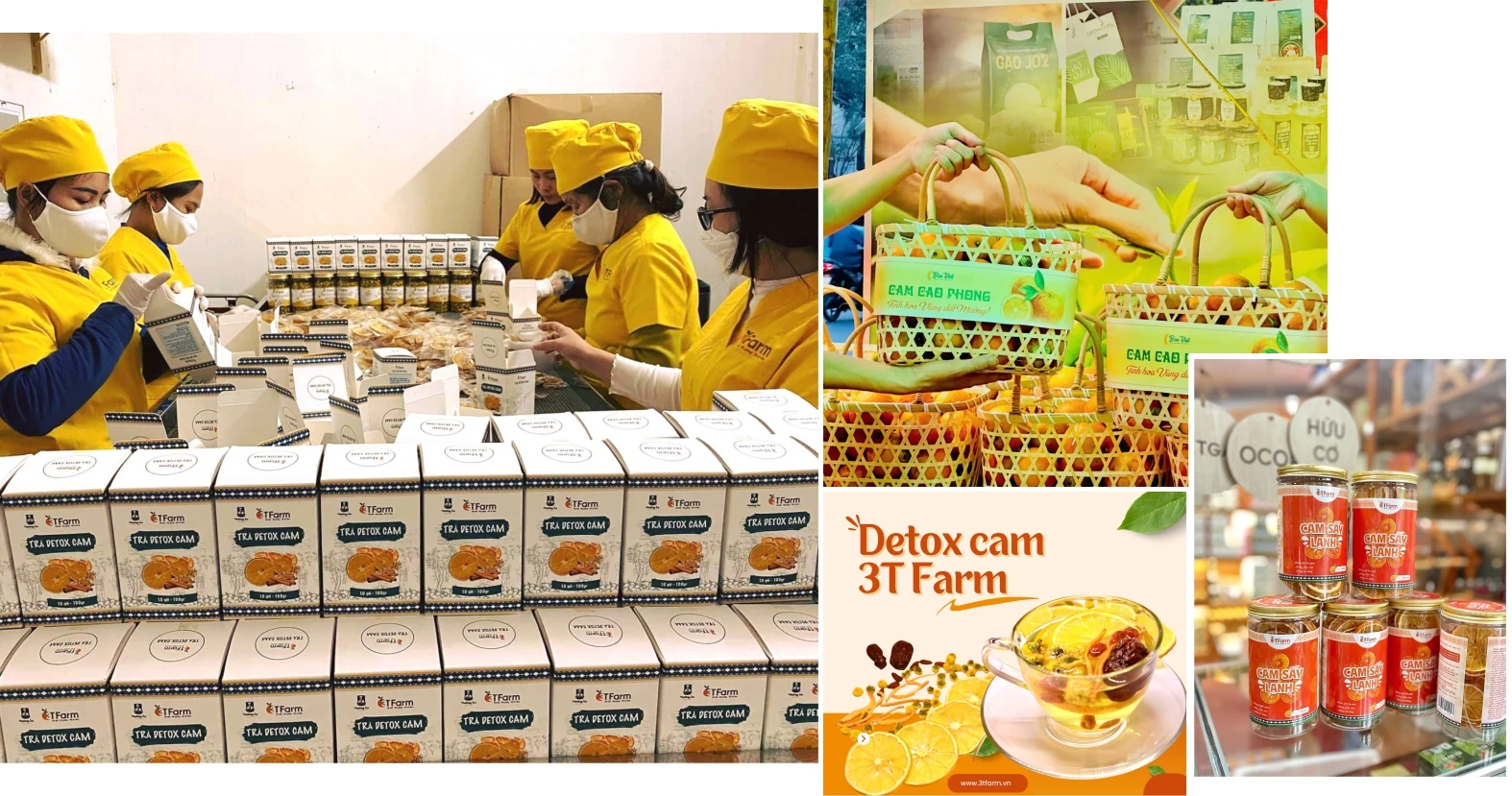
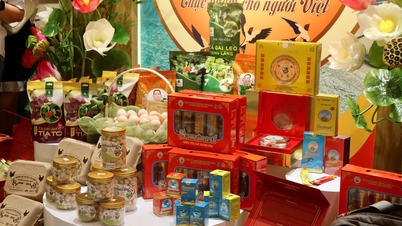
Not content with just fresh oranges, in recent years, Cao Phong has extended the "life cycle" of oranges with processed products. From high-quality oranges that are unsuitable for fresh sale, growers and cooperatives have found ways to preserve the sweetness: freeze-dried oranges, orange detox tea, oranges soaked in honey, orange peel essential oil, etc. This approach isn't mass-produced, but it helps reduce waste and opens up a stable consumption channel outside of the main season.
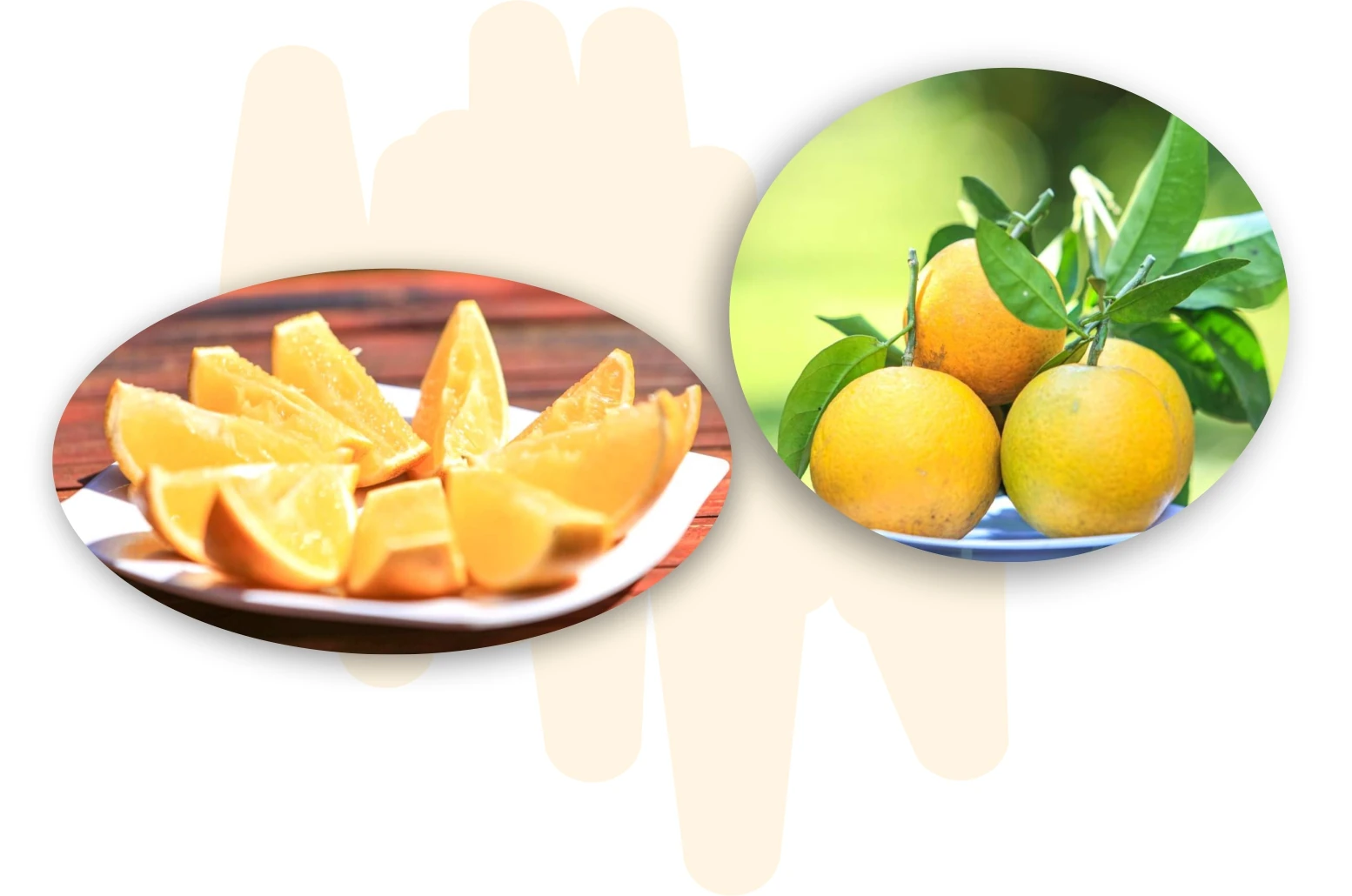
As evening falls on the hillsides of Cao Phong, the orange groves conclude a day of harvesting. The remaining fruit gleams with a warm golden hue, as if holding onto the last rays of the setting sun. From the orange trees planted in difficult conditions to the processed products of today, the sweetness of Cao Phong doesn't come from haste, but from the way its people move slowly and harmoniously with the land.
Therefore, oranges are not only a staple crop, but have become a memory, a livelihood, and a source of hope for this sun-drenched, windy hilly region. Ripening at their own pace, becoming firmer each season, Cao Phong oranges retain the most precious thing: the enduring sweetness of the land and its people.
Content: Hai Yen - Presentation: Ngoc Tung
Source: https://baophutho.vn/vi-ngot-vung-dat-gio-247046.htm





















































































Comment (0)