Why will Android still lag behind iPhone in Face ID in 2026?
A tech writer argues that Android is becoming increasingly outdated by still relying on fingerprint recognition, while Face ID on iPhones is already convenient and secure.
Báo Khoa học và Đời sống•08/02/2026
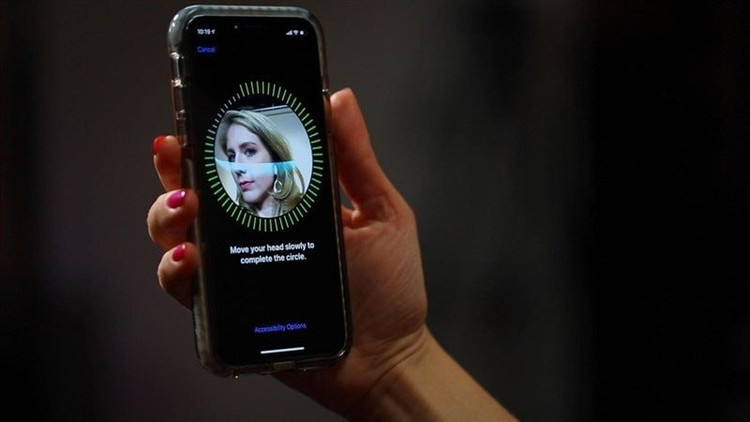
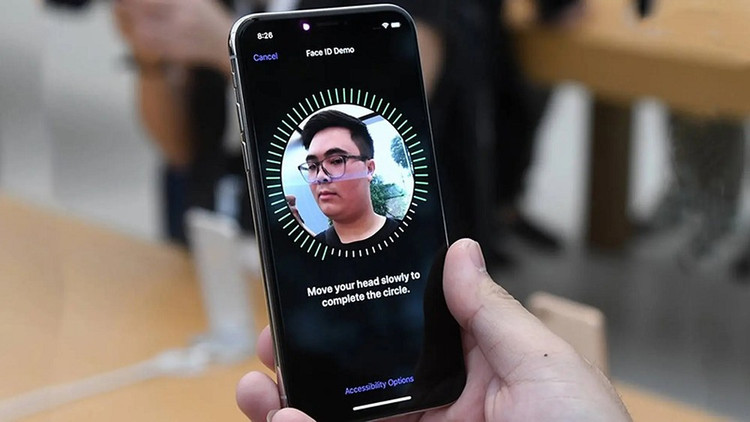
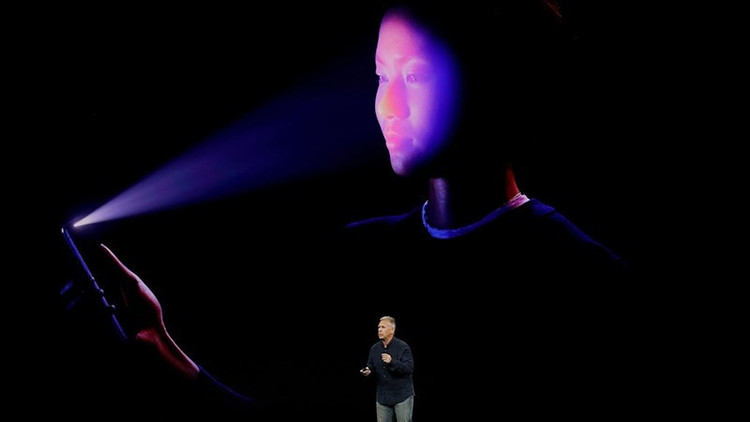
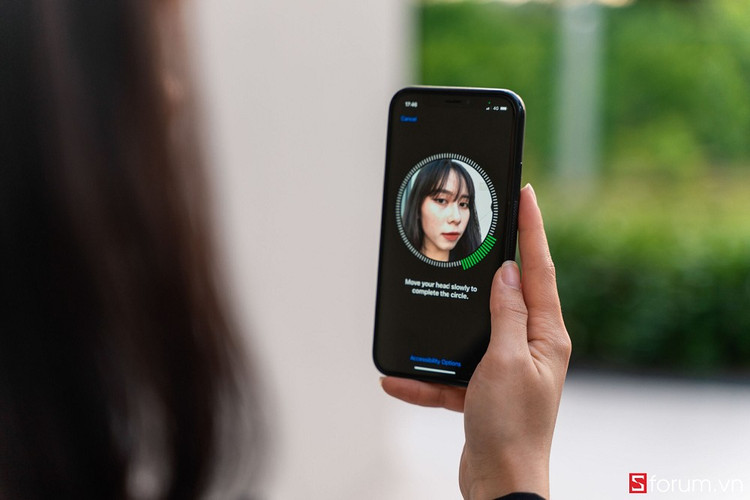
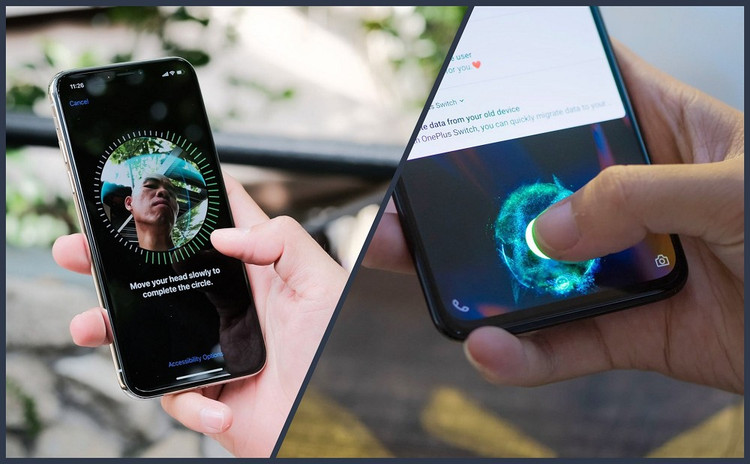
According to PhoneArena writer Victor Hristov, every time he uses an Android phone, he feels that biometric security is "falling behind" compared to the iPhone. Despite the superior convenience and security of 3D Face ID, the majority of Android smartphones still use fingerprint sensors.
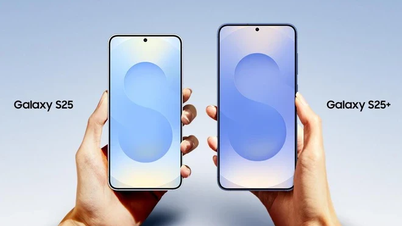
It's worth noting that Android manufacturers like Samsung and Google have the technical capabilities to implement 3D Face ID but have chosen not to. The main reason stems from a reluctance to compromise screen design in order to accommodate a larger depth sensor array.
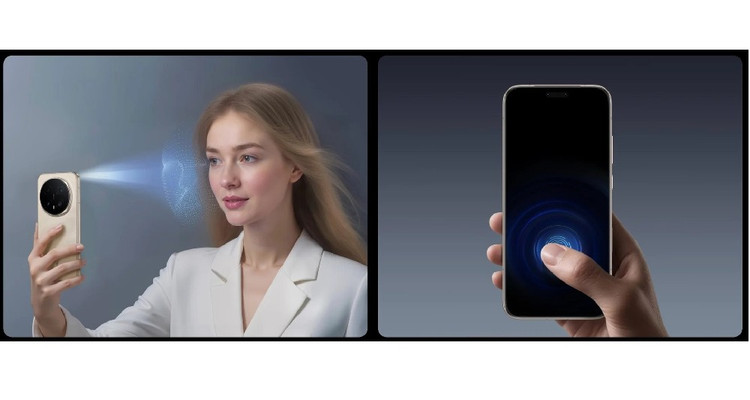
Meanwhile, history shows that Android has achieved this much earlier with models like the Huawei Mate 20 Pro released in 2018. Currently, Honor continues to demonstrate that combining fingerprint and 3D facial recognition unlocking is entirely feasible on Android. Most Android phones only use 2D facial recognition, which is easily fooled and ineffective in low-light conditions. (Image: Sforum.vn)
As we enter 2026, many argue that users shouldn't have to choose between fingerprint or Face ID, but deserve to have both as a new security standard. Readers are invited to watch the video : Top 10 'Terrifying' Tech Devices of the Future.


 Báo Khoa học và Đời sống•08/02/2026


![[Photo] Conference announcing the Politburo's Decision on organizational and personnel matters](https://vphoto.vietnam.vn/thumb/1200x675/vietnam/resource/IMAGE/2026/04/01/1775017881825_bnd-2410-1472-jpg.webp)































































































Comment (0)