Myopia in some areas reaches 50-70%.
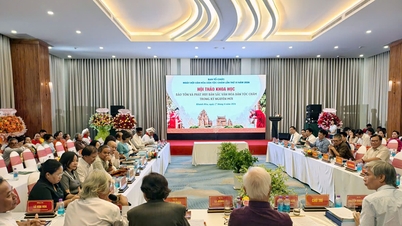
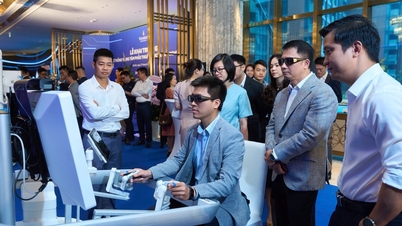
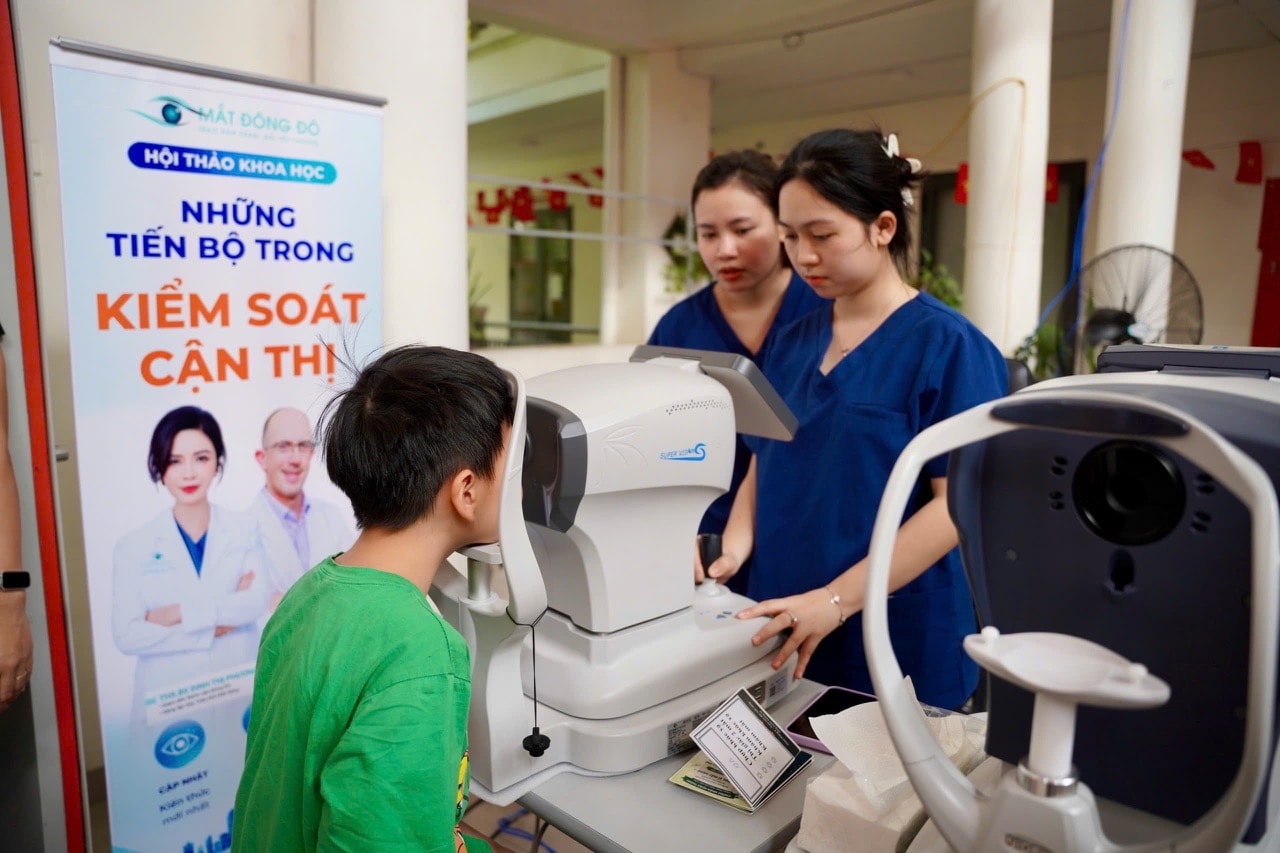
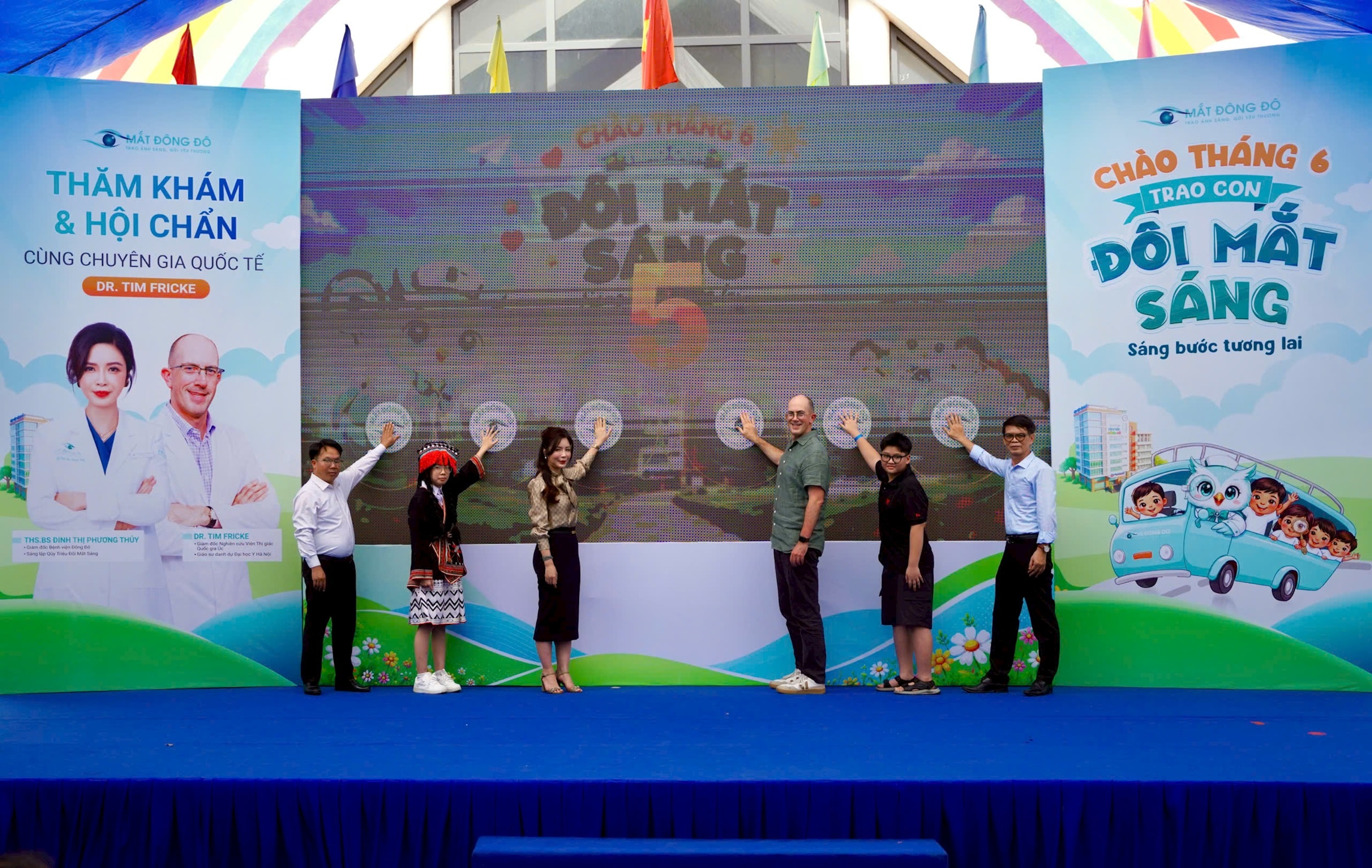
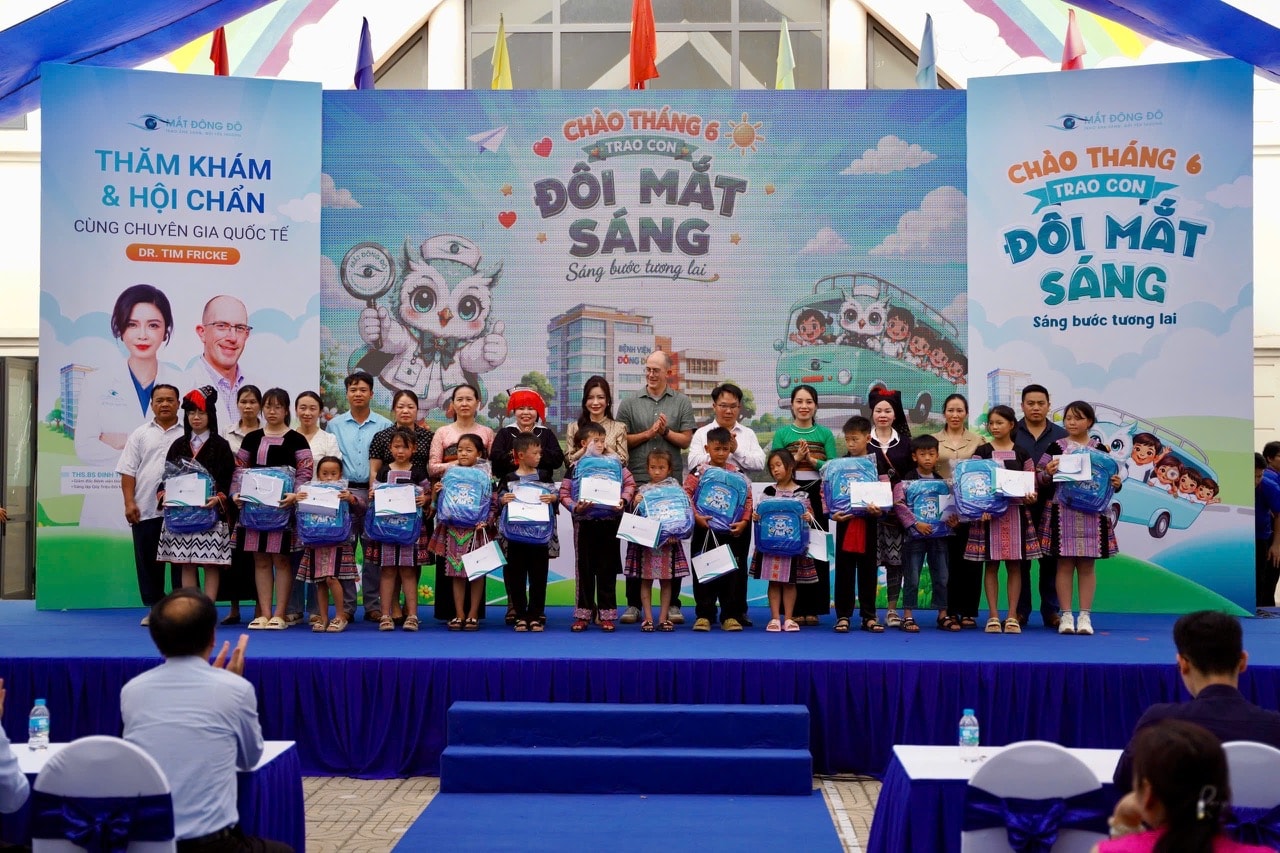
In response to the 2026 Children's Action Month, on June 7th, at Dong Da Kindergarten ( Hanoi ), Dong Do Hospital organized the "Children's Fun Eye Examination Day" program with the participation of over 300 children and parents, along with many experiential activities, games, and completely free eye screenings for children. More than just a community event with humanitarian significance, the program also contributed to raising parents' awareness of the importance of eye care for children from their early years.
According to statistics from the Vietnam Ophthalmological Society, approximately 5 million children nationwide suffer from refractive errors such as myopia, hyperopia, and astigmatism, accounting for 30 to 40% of school-aged children. Numerous surveys indicate a rapid increase in refractive errors. In Hanoi, some classrooms report around 51% of students with refractive errors, with myopia accounting for 37.5%. In Ho Chi Minh City, this rate is even higher, reaching 75.6%, with myopia alone accounting for 52.7%. Experts warn that if not detected and treated promptly, refractive errors can seriously affect learning, daily life, and increase the risk of amblyopia in children.
In her opening remarks, Dr. Dinh Thi Phuong Thuy, Director of Dong Do Hospital and founder of the Million Bright Eyes Foundation, stated that the rate of myopia in Vietnamese children is increasing at an alarming rate, reaching 50-70% in some areas, along with other visual disorders such as astigmatism and amblyopia. These are problems that occur silently but directly impact children's learning, development, and future. What is particularly worrying is that many cases are detected too late.
Based on this reality, Dong Do Hospital has continuously implemented community activities aimed at children, most notably the School Eye Program. In just under a year of implementation, the program has reached more than 100 schools nationwide, helping tens of thousands of students receive free vision screenings, thereby detecting early eye abnormalities and advising on appropriate treatment options.


According to Master's degree holder and doctor Dinh Thi Phuong Thuy, one of the important reasons for the increasing rate of myopia is the change in the living environment and lifestyle habits of modern children. While many years ago, children spent most of their time playing outdoors, running and jumping in fields, playgrounds, or open spaces, today they spend most of their time within four walls and surrounded by technological devices.
“Natural light is considered a particularly important factor for eye development. When children are active outdoors, their eyes are exposed to a very high-intensity light source, ranging from about 10,000 to over 100,000 lux. This light stimulates the retina to release dopamine, a natural substance that prevents the excessive growth of the eyeball axis – a direct cause of myopia. Meanwhile, indoor learning and living environments usually only have a light intensity of about 300 to 500 lux, much lower than natural light conditions. The lack of exposure to outdoor light reduces dopamine levels, allowing the eyeball to elongate and increasing the risk of myopia,” explains Master's degree holder and doctor Dinh Thi Phuong Thuy.
Furthermore, ophthalmologists suggest that children today frequently spend long periods looking at things up close, from studying and reading to using smartphones, tablets, and other electronic devices. When the eyes constantly adjust to a distance of 20 to 40 cm for many hours, the lens has to work continuously, eventually leading to over-adjustment, transforming pseudomyopia into true myopia.
Increase time outdoors, reduce screen time.
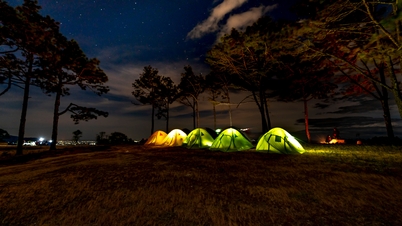
According to Master's degree holder and doctor Dinh Thi Phuong Thuy, the most important measure to protect children's eyesight is to increase outdoor activity time to at least 2 hours per day, as natural light (even on cloudy days) helps reduce the risk of developing myopia and supports eye health; children can play sports , walk, or engage in normal outdoor activities.
When studying or using screens, the 20-20-20 rule should be applied: for every 20 minutes of looking at something close, take a 20-second break to look at something about 6 meters away to reduce eye strain and aid in eye adjustment. During daily study, maintain a distance of 30-40 cm (approximately elbow-to-finger) between your eyes and books, avoid reading while lying down or bending too close, and ensure the study room is well-lit, not using a single light source shining directly onto the pages.
“For children under 2 years old, screen time should be avoided. For children aged 2 to 5, screen time should be limited to a maximum of 1 hour per day and requires parental supervision. For children over 6 years old, screen time needs clear limits, balancing online learning time with entertainment. In addition, a diet rich in vitamins A, C, E, omega-3, and lutein from fish, eggs, green vegetables, and fruits should be maintained, and children should have regular eye checkups every 6 months to detect vision problems early and intervene promptly,” noted Master's degree holder and doctor Dinh Thi Phuong Thuy.



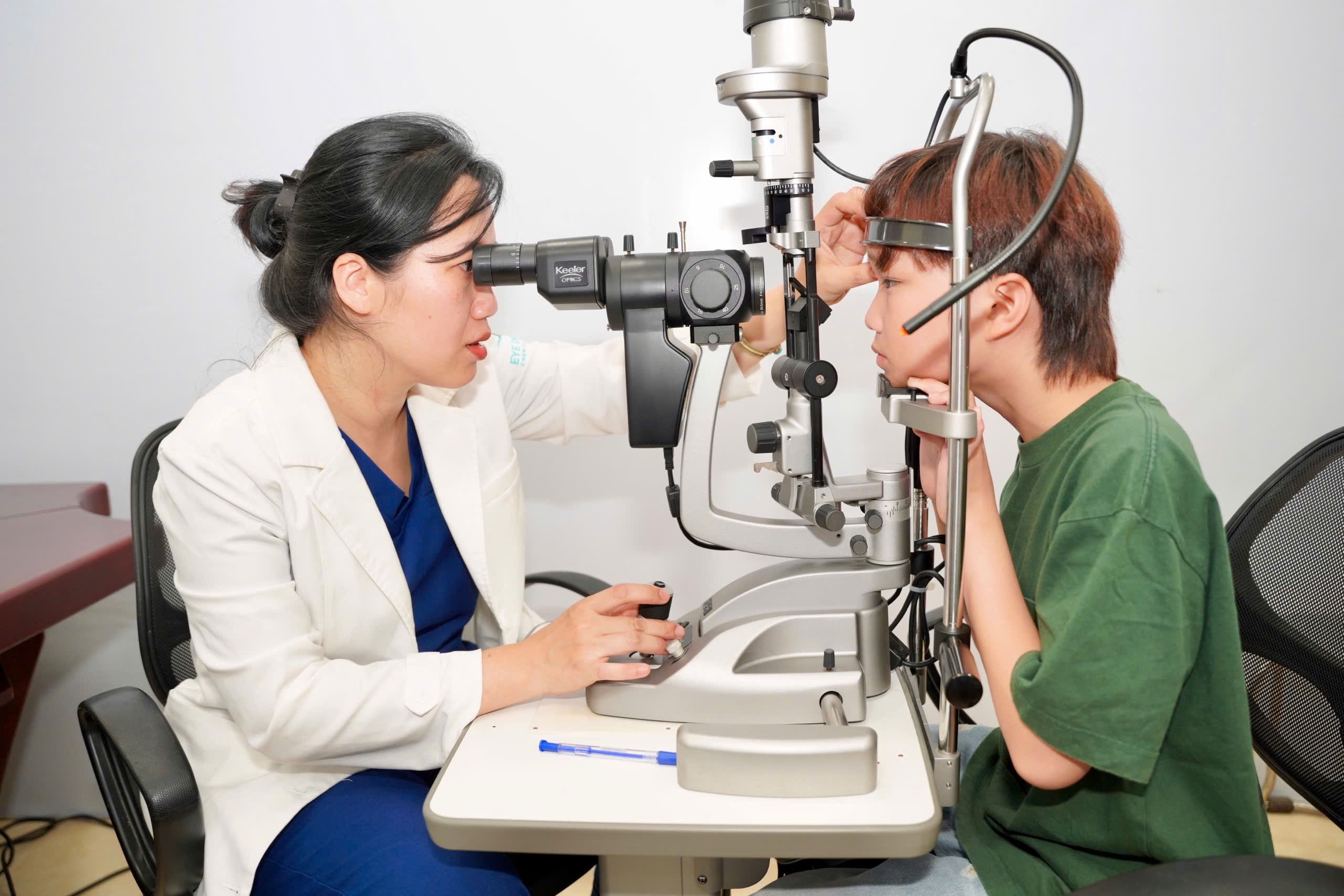
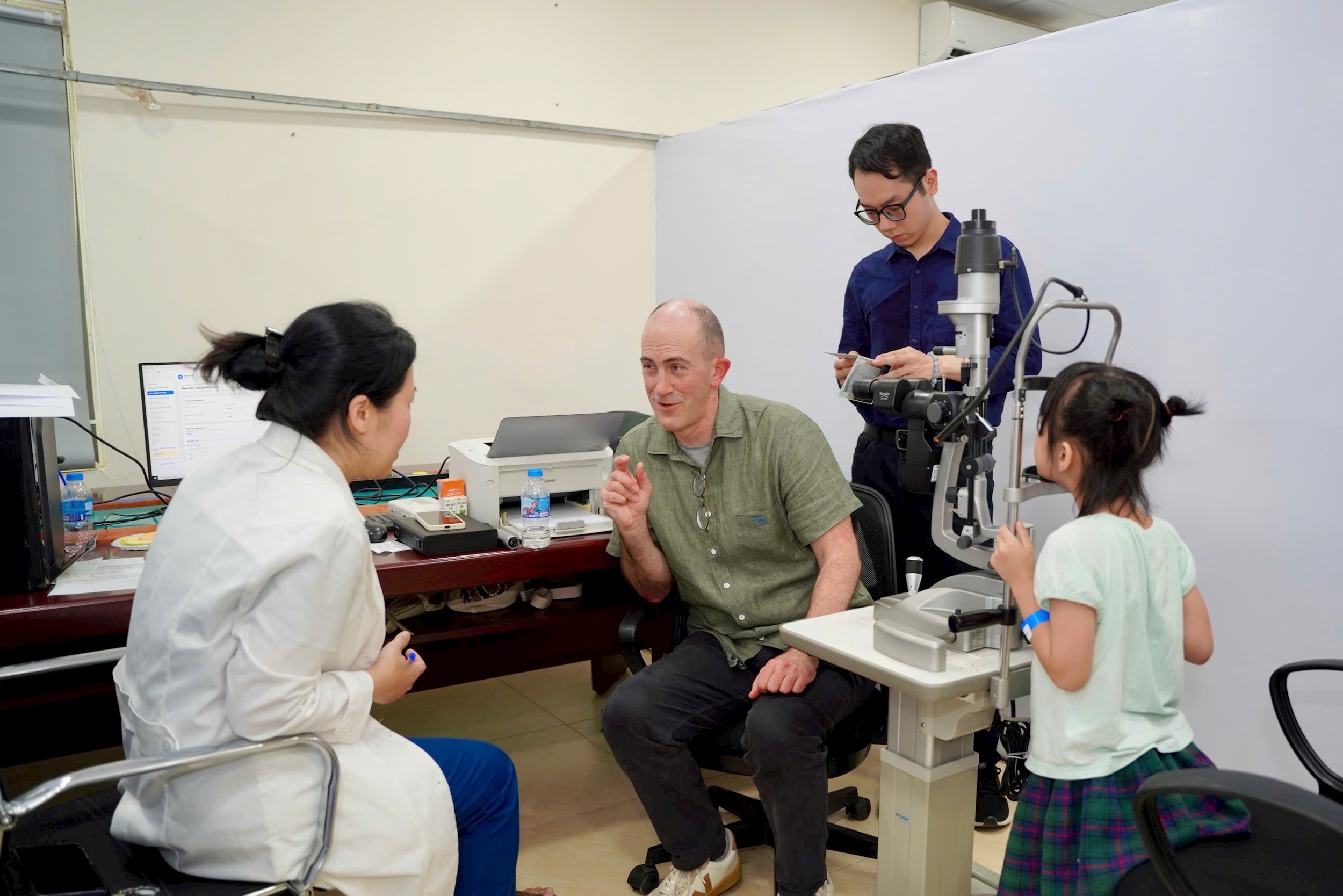
Experts also believe that regular eye exams play a particularly important role in the early detection of refractive errors. Many children are unaware of their vision abnormalities or do not know how to express them to adults. Therefore, the attention of parents and schools is crucial in early detection, timely intervention, and prevention of long-term consequences for vision.
Given the current rapid increase in school-related myopia, experts emphasize that protecting children's eyesight requires taking them away from enclosed spaces and technological screens more often. Only when each child is provided with a suitable environment for living, learning, and playing will they have the opportunity to possess healthy eyes for learning, exploring the world, and developing comprehensively in the future.
Source: https://hanoimoi.vn/vi-sao-tre-em-ngay-cang-can-som-1159407.html