Eggs are a familiar food in daily meals, providing high-quality protein along with many essential vitamins and minerals for the body. The eggshell is often discarded, but in fact, it contains a significant amount of minerals, especially calcium.
- 1. Uses of eggshells
- 1.1 Eggshells are a natural source of calcium.
- 1.2 Supports the maintenance of bone health
- 1.3 Supporting Joint Health
- 1.4 Contributing to the utilization of natural mineral resources in food.
- 2. How to add eggshells
- 3. Some risks to be aware of when using eggshells
According to Traditional Medicine Practitioner Dr. Tran Ngoc Que ( Quang Tri Traditional Medicine Association), in Traditional Chinese Medicine, chicken eggshells are called "ke tu xac ," and the membrane surrounding the eggshell is also known as " phuong hoang y ." The medicinal properties of chicken eggshells include a mildly sweet taste, neutral nature, and main effects such as stopping bleeding, promoting tissue regeneration (wound healing), neutralizing stomach acid, and supplementing calcium…
1. Uses of eggshells
1.1 Eggshells are a natural source of calcium.
Eggshells consist primarily of calcium carbonate, along with small amounts of protein and other organic compounds. Calcium carbonate is the most common form of calcium in nature, found in shellfish, coral reefs, and limestone. It is also the cheapest and most widely used form of calcium in supplements. On average, 1 gram of eggshells can provide approximately 380–400 mg of calcium. Eggshell powder has historically been used as a calcium supplement in food and nutritional preparations.
According to the Office of Dietary Supplements at the U.S. National Institutes of Health , the recommended daily calcium intake for adults is typically around 1,000–1,200 mg, depending on age and gender. Therefore, even a small amount of eggshell powder can provide a significant amount of calcium.
For individuals with diets low in dairy, low in small fish eaten whole, or with increased calcium requirements, eggshell powder may be considered a potential supplement.

Eggshells are a rich natural source of calcium.
1.2 Supports the maintenance of bone health
Calcium is a vital mineral for bone and tooth structure. The body uses calcium to maintain bone formation, bone regeneration, and limit age-related bone loss. Some studies suggest that eggshell powder may support bone mineral density, particularly in older adults or postmenopausal women. In several clinical trials, supplementation with eggshell powder along with vitamin D and magnesium improved indicators related to bone metabolism.
In addition to calcium and protein, eggshells also contain small amounts of other minerals such as strontium, fluoride, magnesium, and selenium. Similar to calcium, these minerals may contribute to bone health.

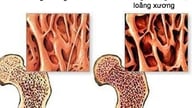

However, it should be noted that this benefit is primarily observed in the form of processed eggshell powder that meets standards, and does not mean that eating raw eggshells directly will yield the same effect.
1.3 Supporting Joint Health
In addition to its hard shell, an egg also has a thin membrane inside. Some recent studies have focused on the eggshell membrane rather than the calcium carbonate layer itself.
A report published in 2024 showed that supplementing with eggshell membrane (not the hard shell) may help reduce pain and improve mobility in people with osteoarthritis of the knee. Therefore, when reading information about "eggshells being good for joints," users need to clearly distinguish between eggshell powder and eggshell membrane .
1.4 Contributing to the utilization of natural mineral resources in food.
Research into the application of eggshells in mineral supplements is attracting attention in many countries. However, this is a controlled application in food technology or nutritional supplementation, not a general recommendation that everyone should eat eggshells daily.
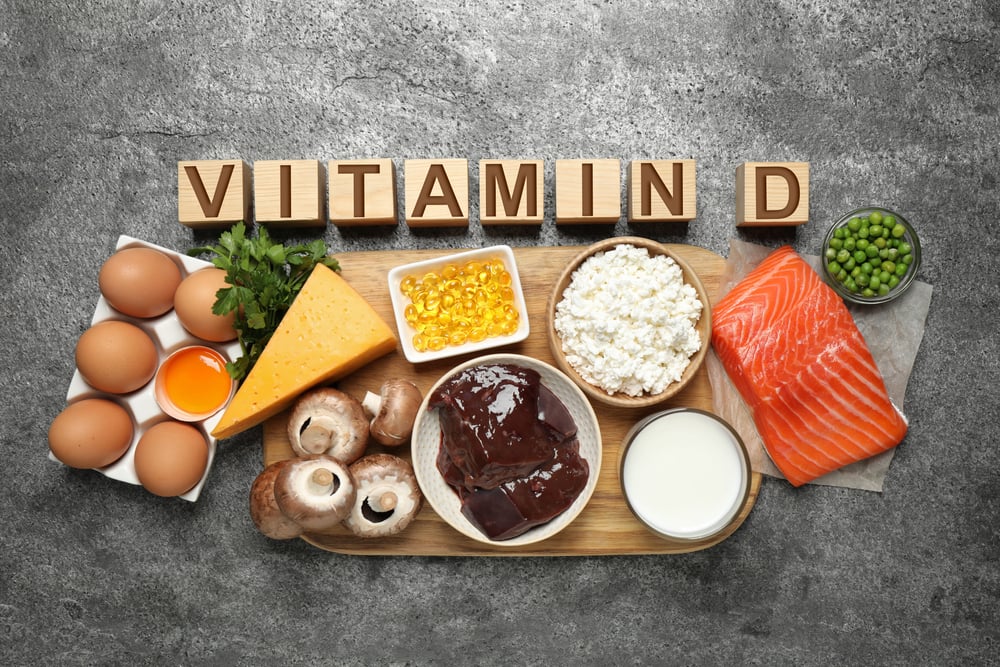
Supplementing with eggshell powder and vitamin D helps improve indicators related to bone metabolism.
2. How to add eggshells
Eggshell powder can be prepared at home or purchased commercially. If making it yourself, eggshells should be thoroughly washed, boiled to reduce the risk of bacterial contamination, then dried and ground very finely. A mortar and pestle, grinder, or sieve can be used to remove large pieces. Fine grinding helps minimize the risk of damage to the mucous membranes of the mouth, throat, and digestive tract when consumed.
After processing, eggshell powder can be mixed into food or dissolved in water. Some studies have noted that eggshell powder can be added to dishes such as bread, noodles, or some processed foods.
Studies show that calcium from eggshells is well absorbed and may support bone health, especially in people with calcium-deficient diets or at risk of osteoporosis. However, before regular use, especially in people with kidney disease, cardiovascular disease, or those taking long-term medication, it is advisable to consult a doctor or nutritionist.



3. Some risks to be aware of when using eggshells
Eggshells are edible if properly processed. However, eating whole eggshells directly can pose some risks:
- Sharp pieces of shell can injure the mucous membranes of the mouth, throat, or digestive tract.
- Uncleaned eggshells can carry bacteria, including Salmonella .
- Consuming too much can increase calcium intake, cause constipation, digestive discomfort, or increase the risk of kidney stones in people with risk factors.
Eggshells can be a rich natural source of calcium and have the potential to support bone health. However, eggshells should not be considered a substitute for medical treatment. For most healthy individuals, a safer and easier way to supplement calcium is through a balanced diet including dairy, yogurt, small fish eaten whole with bones, tofu, and green vegetables.
Please watch the video for more information:
Source: https://suckhoedoisong.vn/vo-trung-co-tac-dung-gi-169260509185349737.htm




![[Photo] Strengthening character and expertise: Intense training for artillery soldiers.](https://vphoto.vietnam.vn/thumb/1200x675/vietnam/resource/IMAGE/2026/06/30/1782815602541_lu-368-1875-4571-jpg.webp)