"Knowledge of coffee cultivation and processing in Dak Lak " has been recognized as a National Intangible Cultural Heritage.

 Báo Nhân dân•09/05/2026
"Knowledge of coffee cultivation and processing in Dak Lak " has been recognized as a National Intangible Cultural Heritage.
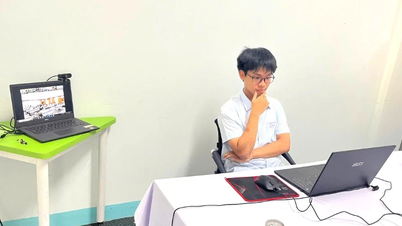
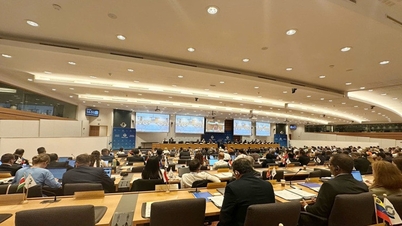
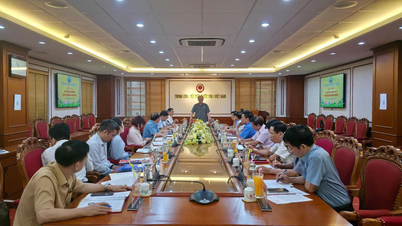
The forum, organized by the People's Committee of Dak Lak province in collaboration with the United Nations Educational , Scientific and Cultural Organization (UNESCO), Ho Chi Minh City University of Culture, and in support of Trung Nguyen Legend Group, took place in late April in Buon Ma Thuot ward. Through this forum, Dak Lak province introduced its knowledge of coffee cultivation and processing to international friends; promoted the image of the Central Highlands region and its people; fostered multicultural dialogue; and enhanced the value of the Vietnamese coffee industry, gradually establishing its position on the world coffee map.
Coffee Heritage: A Multi-Perspective Approach
The forum received nearly 40 research papers and presentations from domestic and international scientists and experts, approaching coffee from various perspectives, from economics , society, culture, heritage studies to processing technology, global value chains, and sustainable development. Four in-depth discussion sessions were held with the following topics: “World Coffee History”; “Coffee Cultivation and Production Processes”; “Global Consumer Culture and the Development of Coffee Heritage”; and “Good Practices in Protection and Sustainable Development”.
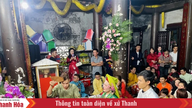


In the thematic session on "Coffee Cultivation and Production Processes," discussions delved into the coffee cultivation and production ecosystem as a cohesive whole, integrating indigenous knowledge, cultural landscapes, and community livelihoods. Many opinions analyzed the global coffee value chain, the social responsibility of the coffee industry towards the community; and offered directions for developing Dak Lak from a key raw material region into a world coffee "capital," linked to the journey of building a Vietnamese coffee cultural landscape aiming for UNESCO heritage status and promoting the coffee ecosystem in the global green transition process.
In the theme "Global Consumer Culture and the Evolution of Coffee Heritage," speakers explored approaches from the perspective of culture, lifestyle, and how people meet, interact, and create. The transformation of the coffee space from a consumer experience to a cultural and heritage space, along with the application of digital technology, is contributing to shaping coffee as a "living heritage" capable of adapting and spreading strongly in contemporary life.
The thematic session "Good Practices in Protection and Sustainable Development" shared specific models with best practices from Thailand and the approach of the United Nations Food and Agriculture Organization (FAO) on sustainable coffee systems that harmonize community livelihoods and the environment. Speakers clarified the concept and criteria of "good protection practices" according to UNESCO, emphasizing the central role of the community in preserving, transmitting, and promoting heritage; and opportunities for developing sustainable livelihoods for the community. Ms. Dao My, Vice Chairman of the People's Committee of Dak Lak province, stated: The forum is a practical activity aimed at further clarifying the outstanding value of coffee heritage in the context of globalization and sharing international experiences on heritage protection.
"Living Heritage" in the Global Flow
The forum revealed that coffee is not just an agricultural product or an economic sector, but also considered a "living heritage," a cultural space where knowledge, customs, lifestyles, and spiritual values are distilled, created, practiced, and passed down by the community. Jonathan Baker, Head of UNESCO's Representative Office in Vietnam, stated: "According to the 2003 Convention on the Protection of Intangible Cultural Heritage, heritage is not understood as an object or product, but as knowledge, skills, social practices, and meanings that a community recognizes as part of its cultural life and transmits through generations."
The history of coffee development is not only the history of a crop, but also the history of exchange, trade, knowledge, creativity, and the aspiration for development. Each region and nation that embraces coffee contributes to enriching the common value with its unique identity, creating a diverse and distinctive cultural ecosystem centered around coffee and connecting within the global flow. This also forms the foundation for elevating coffee to a shared heritage, where cultures coexist, respect, and engage in dialogue.
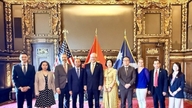


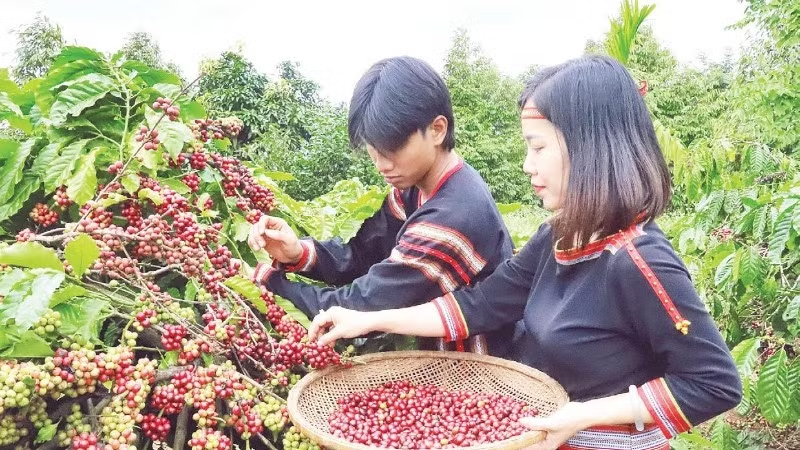
In this context, Vietnam holds a unique position as one of the world's leading coffee producers and exporters; a place that possesses special conditions for the formation and development of a rich and distinctive coffee culture. In Buon Ma Thuot, Dak Lak province, coffee is closely linked to the indigenous knowledge system regarding cultivation, care, harvesting, processing, enjoyment, cultural practices, and life organization, embodying the values of a "living heritage" that needs to be preserved and promoted in modern life.
In March 2025, the Ministry of Culture, Sports and Tourism awarded the certificate "Knowledge of Coffee Cultivation and Processing in Dak Lak" as a National Intangible Cultural Heritage. Recognizing the outstanding values of this heritage as a vibrant cultural entity with historical depth and community value is of significant importance in the current period. Permanent Deputy Minister of Foreign Affairs Nguyen Minh Vu emphasized: Introducing "Knowledge of Coffee Cultivation and Processing in Dak Lak" to the international community will promote the image of the Central Highlands region and its people, foster multicultural dialogue, and enhance the added value of Vietnam's coffee industry; thereby, gradually establishing Vietnam's position on the world coffee map.
Source: https://nhandan.vn/xac-lap-vi-the-ca-phe-viet-nam-post960715.html