The recently released Q&M report, "Motorcycle Ride-Hailing App Popularity in 2024," shows that Grab remains the leading ride-hailing service, with 42% of Vietnamese users choosing it for their motorbike transportation needs. However, surprisingly, two Vietnamese apps, Be and Xanh SM, have impressively risen to occupy the remaining two positions in the top 3, displacing Gojek – a ride-hailing app that was once Grab's strongest competitor and held the runner-up position for the past 2-3 years. Be has climbed to second place with 32% of users, while Xanh SM has 19%, placing it in third. Notably, Gojek has not only been pushed down to fourth place but also lags far behind Xanh SM, with only 7% of users regularly using their service.
Previously, after acquiring Uber's Southeast Asian operations in March 2018, Grab almost had a monopoly in the Vietnamese market. In fact, several Vietnamese businesses have also seized the opportunity to join the race. Most notably, Vato – formerly a ride-hailing service called ViVu, later acquired by Phuong Trang Passenger Transport Joint Stock Company. Phuong Trang announced an investment of $100 million, equivalent to over 2 trillion VND, to develop Vato. However, since then, the app has been relatively quiet and sluggish until the second half of 2019 when it made a comeback with the simultaneous launch of food delivery, parcel delivery, and bus ticket delivery services. Following that, FastGo – established with capital from domestic founding shareholders, mainly from Mr. Nguyen Hoa Binh (founder of Nexttech Group) – also generated much anticipation when, upon its launch, it received a multi-million dollar investment from VinaCapital's venture capital fund. However, nowadays, hardly anyone mentions that name anymore. Similarly, Go-Ixe, Aber… launched with great fanfare and received much support from consumers by appealing to the Vietnamese sentiment of supporting Vietnamese products, but ultimately they also faded into obscurity.
It wasn't until Gojek (then known as GoViet when it first entered Vietnam) launched that the situation began to shift. Backed by its parent company – the Indonesian tech "unicorn" – Gojek quickly jumped into the "money-burning" race with a barrage of promotions for both drivers and users, claiming to capture 35% of the market share within just 6 weeks of launching its two-wheeled ride-hailing service. The period of fierce competition between Grab and Gojek also coincided with the launch of the Be ride-hailing app by Mr. Tran Thanh Hai, a founding member of the "unicorn" VNG . Instead of expanding its services, Be focused solely on ride-hailing. Nine months after its launch, the "golden bee army" quickly spread across the country, appearing frequently in foreign news outlets and being recognized as the fastest-growing start-up in Asia. Simultaneously, Be claimed to have captured approximately 30% of the market...
However, surveys published in 2021-2022 by many reputable organizations worldwide , based on the number of customers using two-wheeled ride-hailing services in Vietnam, show that Grab holds approximately 50-60% of the market share, Gojek ranks second with about 20%, and Be accounts for about 18%. For cars, Grab dominates with 66% market share, Be accounts for 22%, and the remainder is shared among other applications. Despite significant efforts, the Vietnamese ride-hailing app market has become a playground for large foreign players.
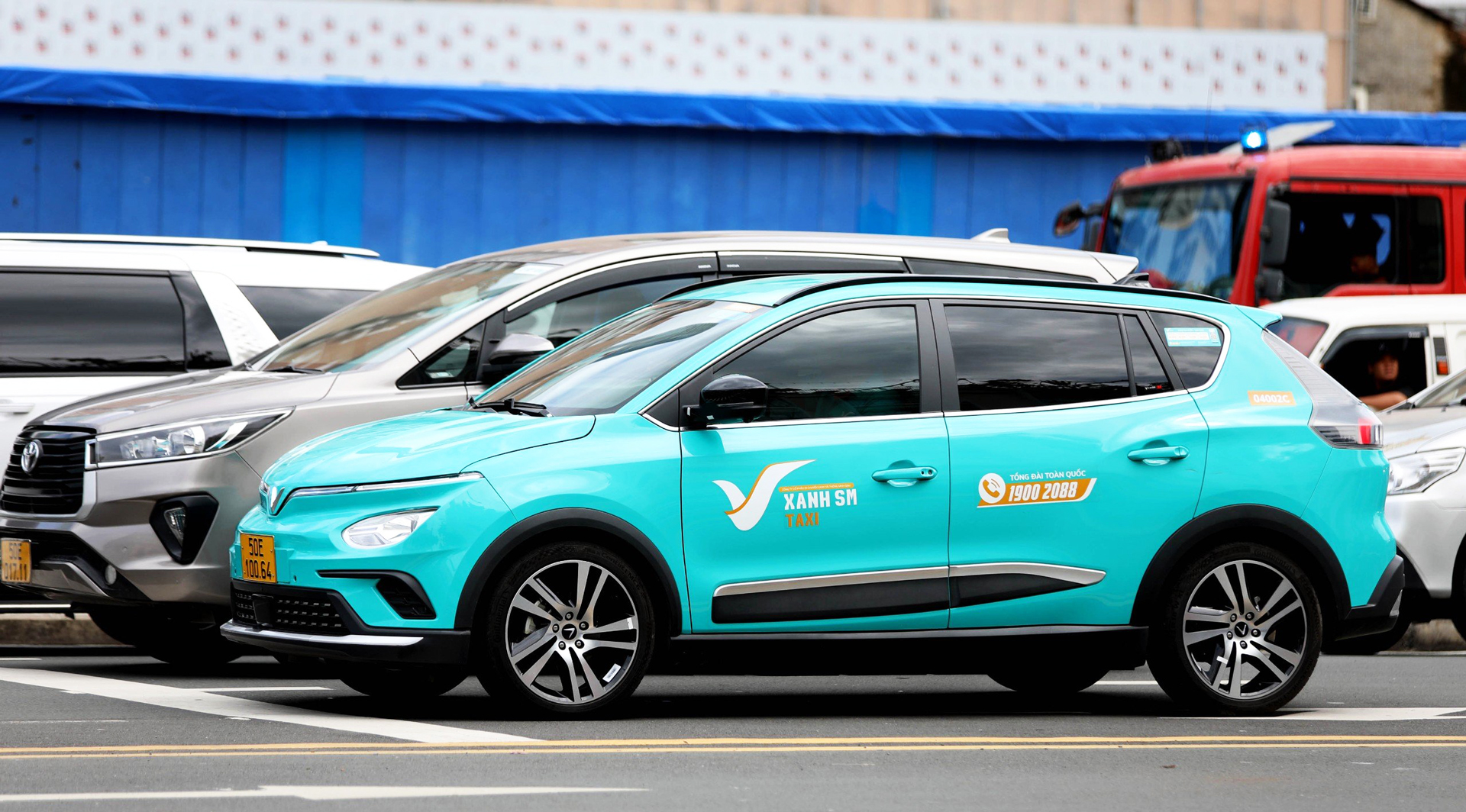
However, the "battleground" completely changed when billionaire Pham Nhat Vuong 's Green SM officially entered the race. According to research by Mordor Intelligence, after only 7 months of launch, Green SM rose to second place in the Vietnamese ride-hailing market, second only to Grab, capturing 18.17% market share in Q3 2023. Mordor Intelligence also noted that Green SM owns a large number of vehicles and a high number of daily trips compared to traditional taxi companies with their own fleets. Along with Green SM, the "golden bee army" Be Group also rose to third place with 9.21% market share. With this acceleration, the two Vietnamese ride-hailing apps officially pushed the Indonesian tech "unicorn" Gojek down to fourth place (5.87%).
Building on its success, Xanh SM recently continued its strong impact by launching the "Green Summer for a Green Future" program, allowing customers to book Xanh SM rides at reasonable prices. Accordingly, the electric ride-hailing company will apply fares up to 15% lower during the three summer months (June 1st - August 31st), while still applying existing promotions, giving customers the benefit of "double discounts." Simultaneously, drivers will receive up to 87% of the revenue when participating on the Xanh SM Platform. The "Green Summer for a Green Future" campaign, with its practical benefits for both customers and driver partners, promises to help Xanh SM accelerate even faster on its path to conquering the leading position in the Vietnamese ride-hailing market share.
"The quickest way to convince customers is to offer more accessible ride-hailing services at more affordable prices, while maintaining better service standards. Once customers become accustomed to traveling by electric vehicle and understand the importance of green transportation, they will choose to stick with electric vehicles," brand expert Le Thai Binh assessed that the aggressive price reduction is how Green SM spreads a green lifestyle and encourages society to join hands in the green transition by choosing a mode of transportation that is free from smoke, dust, and pollution.


As a co-founder of a technology start-up in Ho Chi Minh City, and having previously worked on Uber's system when the app first entered Vietnam, Mr. N.D.C. once asserted that if Vietnamese businesses aim for a dominant market share, they cannot compete with foreign rivals.
According to Mr. N.D.C, ride-hailing apps are not a highly specialized technology and don't require exceptional programming skills. The first issue is "where's the money?". When Grab and Uber first launched, they had to "burn money" through promotions for both drivers and customers to encourage participation in the new model. Drivers needed incentives to mobilize a large number of drivers in a short time, ensuring user demand was met and convenience was demonstrated. Conversely, users also needed to be attracted to book more rides, increasing drivers' income. Uber was acquired by Grab because it lost in the "burning money" race. Meanwhile, Vietnamese businesses have limited capital; they expect to make a profit on every dollar invested and cannot afford to incur losses for 3-5 years, or even 10 years, before making a profit like foreign companies. Furthermore, the strategies of these foreign "giants" are much longer-term. From the very beginning of their entry into Vietnam, Grab, Uber, and Gojek identified the ride-hailing market as merely a stepping stone to expand into an ecosystem encompassing various services such as food delivery, goods delivery, and payments. While Vietnamese businesses were still struggling to gain market share, these companies had already moved on to other services, "capturing" the market share of shops, restaurants, businesses, and partners. Vietnamese businesses lagged behind, had fewer options, and had to spend more money to "compete" through promotions.
"However, the game has changed. Electric vehicles are even more different. VinFast manufactures its own vehicles, resulting in significantly lower investment costs compared to traditional taxi companies using gasoline-powered cars. Because of this advantage, when operating electric taxis, Xanh SM will grow and gain market share very quickly, even faster than Uber and Grab did before. Furthermore, the market opening phase and building consumer habits is the most expensive stage, and Grab, Gojek, and Be have already completed that, making it easier for Xanh SM to gain market share later. On the other hand, the investment market has also changed. With the difficult economic situation, businesses are forced to prioritize achieving positive cash flow to operate. Even Grab and Gojek are facing a period of exhaustion and can no longer pursue the promotional race. In general, the era of winning market share through price is over," analyzed Mr. N.D.C.
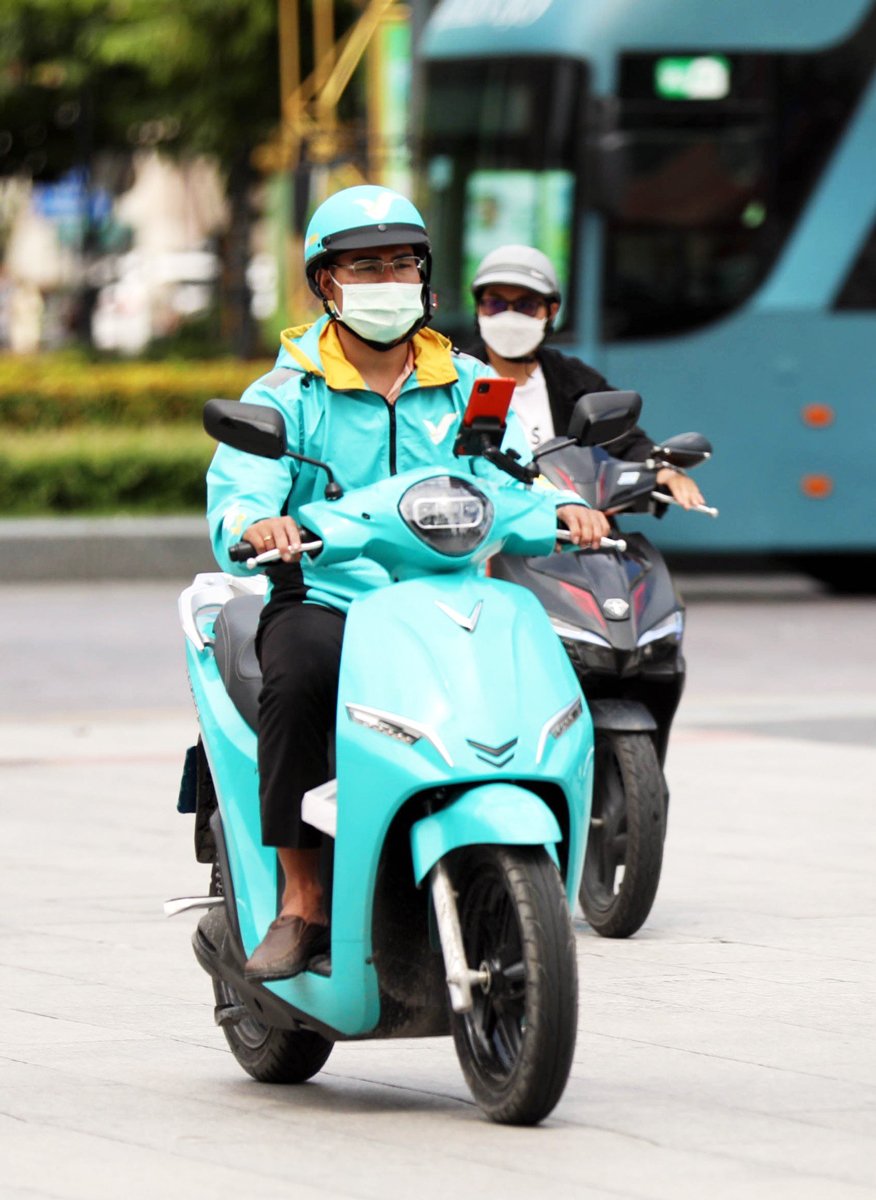
As Mr. C. observed, price is no longer the primary factor when consumers choose to book a ride. Although not a frequent user of ride-hailing services, Ms. Tran Thanh Nga (residing in District 11, Ho Chi Minh City) has all four ride-hailing apps – Grab, Gojek, Be, and Xanh SM – on her phone. Previously, Ms. Nga would occasionally book a ride with each company to compare prices, but now she mostly books with Xanh SM. "Even if the prices are the same or slightly higher, I still prefer the Green SM service. The cars are purely electric and smokeless, the drivers are professional and dedicated, and the app is easy to use. Overall, I'm very satisfied. I always choose the Luxury service because it's only a few thousand dong more expensive than regular fares, but the cars are very new and the service is excellent. What I like most is that the cars are smooth and environmentally friendly. Many people might say I'm idealizing it, but this is actually very important. Our children's generation needs to pay special attention to the environment. I don't yet have the means or the convenience to switch from a gasoline car to an electric car, but if I use public transport, I will definitely use an electric car. Therefore, even when booking a ride through Be, I choose the green electric taxi," said Ms. Nga.
"The biggest advantage of Xanh SM, for me, is the smooth ride. Sometimes, when I'm going to work early in the day and the roads are crowded and noisy with car horns, riding a Xanh SM motorbike feels like finding a rare moment of peace, and I naturally feel more energized. I've noticed that since Xanh Bike started, other companies have significantly improved their services, and the number of times I've encountered drivers from other companies with less-than-clean helmets has decreased. Not to mention, there are now a large number of Xanh Bikes. In my neighborhood, during peak hours, it's almost impossible to find a ride; the apps just keep spinning, but if I call Xanh, I'll always find one," shared Ngo Quynh Mai (26 years old, residing in Tan Binh District, Ho Chi Minh City).
In an analysis published on Fulcrum.sg (Singapore), Dr. Le Hong Hiep, Senior Research Fellow and Coordinator of the Vietnam Research Program at the Institute of Southeast Asian Studies (ISEAS-Yusof Ishak Institute, Singapore), assessed that Grab's business operations in Vietnam could be threatened by Green SM.
Recalling some of Xanh SM's historical achievements, such as rapidly expanding its service to 29 out of 63 provinces and cities across Vietnam; launching services in two cities in Laos, marking its first step towards international expansion less than a year after commencing operations… Dr. Le Hong Hiep analyzed: Firstly, Xanh SM treats its drivers as employees, not contractors or partners. As employees, drivers receive a fixed monthly salary, performance bonuses, and other benefits such as 4 paid days off per month, health insurance, and social insurance contributions. This not only gives drivers a sense of security but also fosters loyalty to the company. They are also required to keep the app running for 8 hours a day. This ensures Xanh SM always has enough drivers and vehicles to meet transportation needs, especially during peak hours, preventing the situation where drivers operate the app whenever they feel like it, unlike other companies.
Secondly, while Grab drivers have to make a significant initial investment to buy their own vehicle before they can join the platform, Green SM drivers do not bear this cost burden because the vehicles are all owned by the company. Therefore, many Grab drivers have chosen to lease or sell their vehicles and switch to driving for Green SM.
Thirdly, regarding operating costs, Grab drivers not only have to cover the depreciation costs of their vehicles but also face high fuel and maintenance costs. On the other hand, the main cost for Green SM drivers is charging their vehicles. According to drivers, this cost can be only one-third of the fuel cost for traditional cars. Many drivers who switched from other apps to Green SM also revealed that, in addition to the high operating costs, the high commission fees – up to 25% of daily earnings – were the main reason for their frustration and subsequent switch to Green SM.
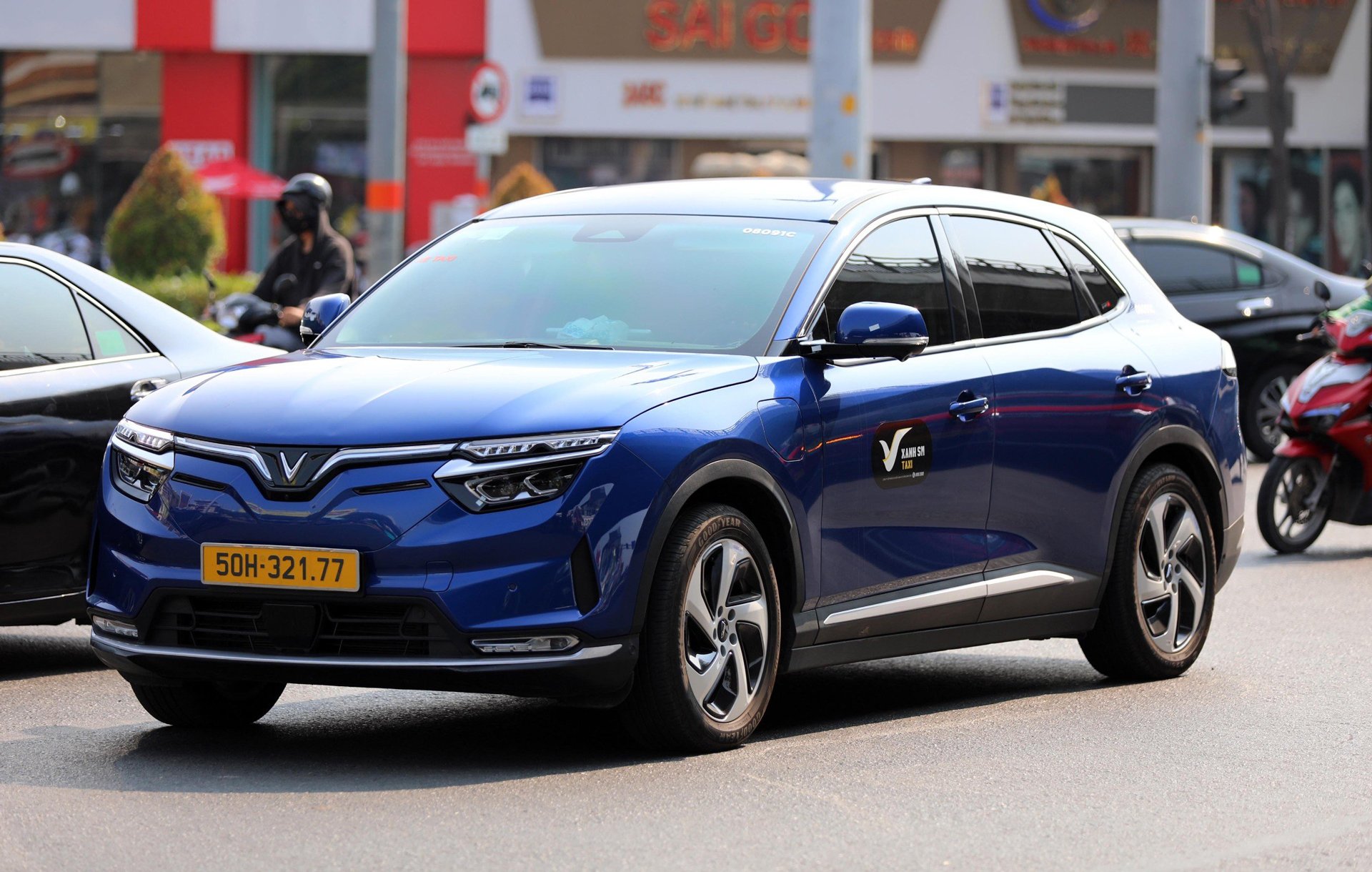


Furthermore, the increasing popularity of Xanh SM is partly due to its fixed fares for rides booked through the app, in contrast to the fluctuating fares of previous ride-hailing apps. With various promotions, the company's fares can also be lower. Simultaneously, Xanh SM drivers are considered polite and friendly due to thorough training and a focus on service quality. Meanwhile, the company's vehicles are large, new, and clean, making customer journeys comfortable and enjoyable.
Customers also appreciate SM Green as a green transportation solution that helps reduce air pollution, especially in Hanoi and Ho Chi Minh City.
"Thus, despite its relatively young age, Green SM is showing promising potential with its rapid growth rate. If the company continues on its current trajectory, it could dethrone Grab in the Vietnamese market. This would be a major achievement for VinFast and Vingroup," assessed Dr. Le Hong Hiep.
However, Green SM's biggest goal is not to gain market share. Global GSM CEO Nguyen Van Thanh affirmed that Green SM's goal is to be "number one in the hearts of customers" and hopes to join hands with the whole society for a greener Vietnam.

Source: https://thanhnien.vn/goi-xe-cong-nghe-xe-dien-thay-doi-cuoc-choi-18524062922340298.htm