

The proposal to abolish rice export business licenses in the draft Government Resolution, currently being reviewed by the Ministry of Finance, is considered one of the notable reform moves.
However, behind the expectations of "opening up" the market lie numerous concerns about management methods and the risk of disrupting the export order.
"Unleashing" restrictions on rice trading: Necessary, but shouldn't be taken to extremes.
The Ministry of Finance is seeking feedback on a draft Government Resolution on further reducing the number of conditional investment and business sectors. According to the draft, the ministry proposes abolishing business licenses for 58 sectors across various fields, including rice export.
If approved, businesses will no longer have to apply for licenses as currently stipulated in Decree 107/2018/ND-CP and recent amendments such as Decree 01/2025/ND-CP.
 |
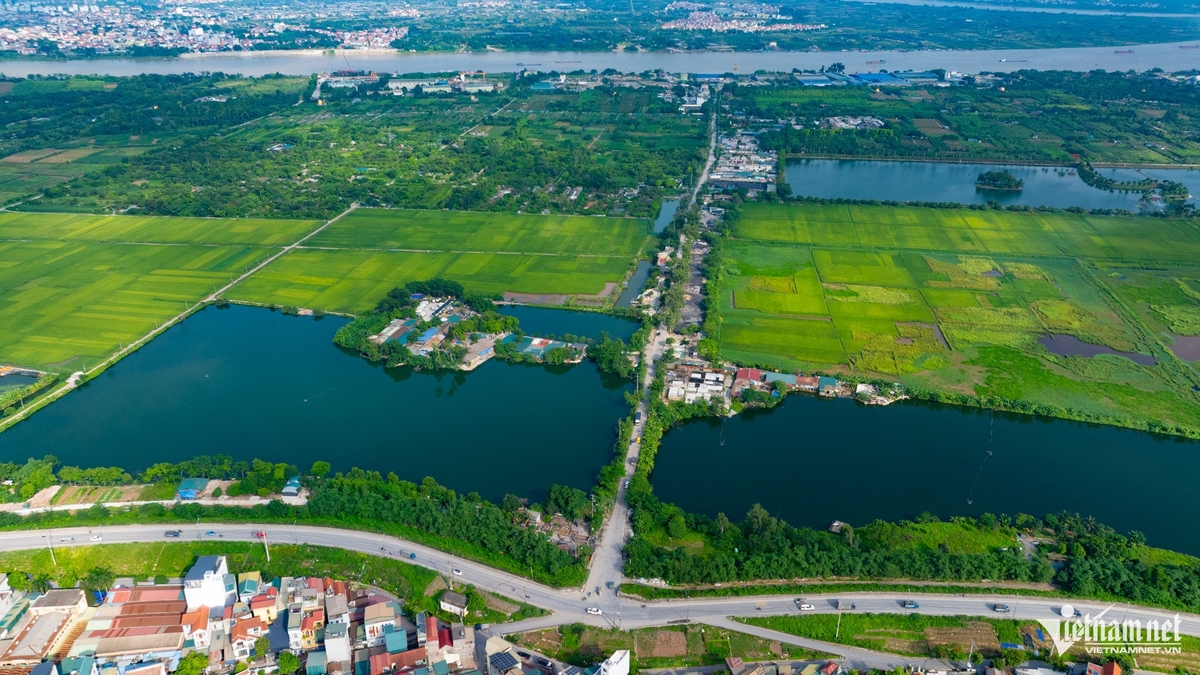
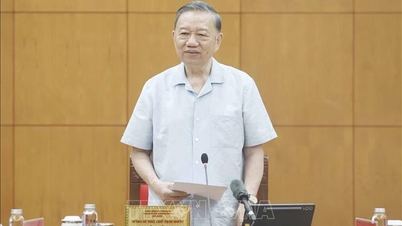
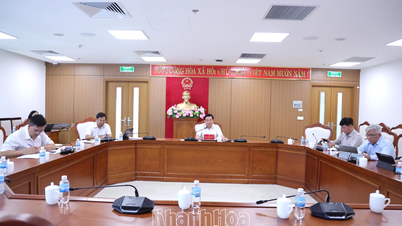
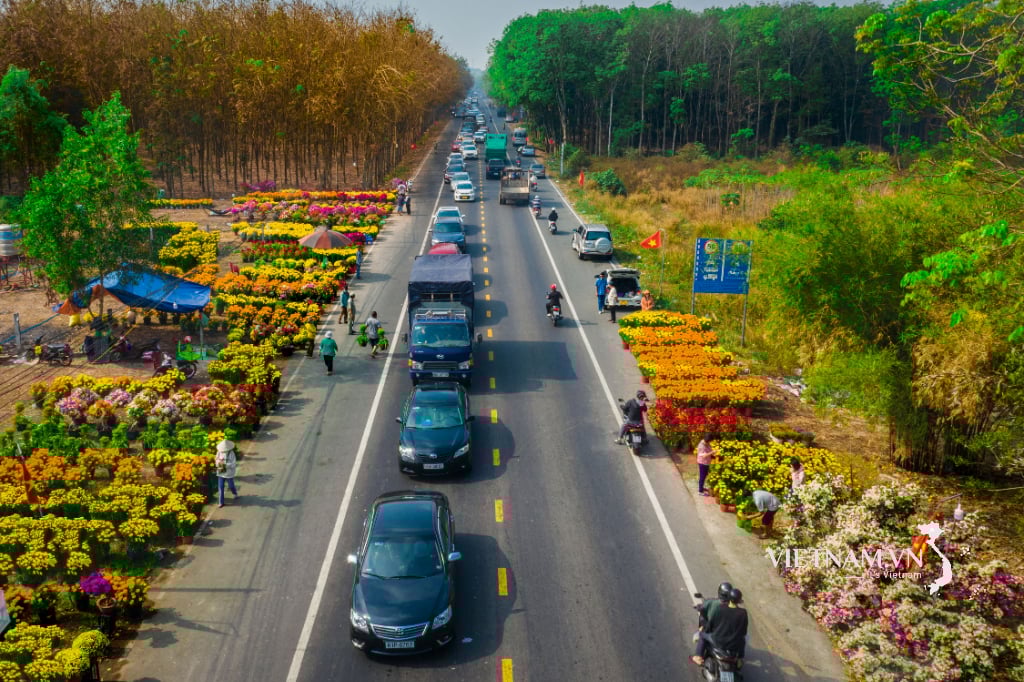
| The Ministry of Finance is seeking feedback on the draft Government Resolution to reduce the number of conditional investment and business sectors, including rice export. (Photo: Huân Trần). |
Commenting on this proposal, Mr. Nguyen Viet Anh, General Director of Phuong Dong Food Company, said that reform is necessary to promote the development of Vietnam's rice industry. However, according to him, the mechanism for managing the conditions for rice export activities should not be completely "eliminated".
According to him, rice export is a unique sector that requires a specific management framework to avoid uncontrolled operations. Previously, the Government issued Decree 109/2010/ND-CP on rice export business, effective from January 1, 2011, with strict regulations on business conditions, storage facilities, milling facilities, and export contract registration to ensure food security and protect the rights of rice farmers.
By the end of 2018, these conditions were relaxed when Decree 107/2018/ND-CP (effective from October 1, 2018) replaced Decree 109, creating a shift towards reducing barriers, simplifying administrative procedures, and expanding opportunities for businesses to participate in the market.
However, according to Mr. Viet Anh, some provisions of Decree 107 have now revealed limitations, especially the requirement for exporting enterprises to own rice milling lines.
In reality, the rice supply chain has become highly specialized, with many businesses only handling milling and supplying to export companies. Forcing businesses to invest in the entire production line is not only wasteful but also impractical.
 |
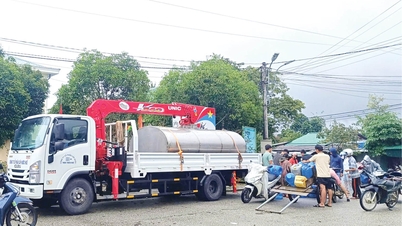
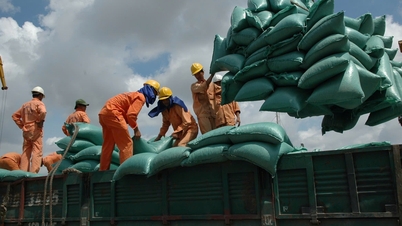
| Businesses argue that abolishing business conditions will expand opportunities to participate in rice exports; however, there is a risk of market disruption as many businesses lack the resources to participate in this specialized field (Photo: TL). |
Furthermore, the regulation requiring a minimum 5% inventory reserve is considered largely a formality. To ensure "stock security," many businesses actually maintain inventory levels of up to 50-60% of their export volume. Therefore, checking the 5% figure offers little managerial benefit but increases compliance costs.
However, Mr. Viet Anh warned that if all business conditions were completely abolished, the market could face the risk of a " каждый за себя" (every man for himself) situation. Small, inexperienced businesses could participate en masse, leading to risks of quality issues, contract violations, and damage to the reputation of Vietnamese rice in the international market.
"If rice is removed from the list of conditional business sectors, it could incentivize more businesses to participate in rice exports. However, this could lead to a chaotic market. Many businesses lack the resources; after signing contracts, they may encounter unforeseen circumstances and be unable to fulfill orders, resulting in contract breaches and damage to overall reputation," Mr. Viet Anh commented.
What are the expectations when the barriers are removed?
Many businesses expect that easing business conditions will expand opportunities to participate in the market, especially for small and medium-sized enterprises, in the context of increasing competition in rice exports and difficulties in domestic linkages and consignment activities.
Feedback from the business community indicates that since Decree 01/2025/ND-CP amending Decree 107/2018/ND-CP came into effect, many businesses have withdrawn. The major bottleneck lies in the regulations on export consignment.
Specifically, Article 1 of Decree 01/2025/ND-CP stipulates that "traders holding a certificate of eligibility for rice export business are only allowed to entrust the export of rice to other traders holding a certificate of eligibility for rice export business."
This regulation has significantly curtailed export activities through consignment, as both the consignee and the consignor must possess licenses. As a result, many businesses are no longer able to participate in the market.
 |
| Many businesses expect that easing business conditions will expand opportunities to participate in the market, especially for small and medium-sized enterprises (Photo: TL). |
In reality, the requirements for warehousing, milling facilities, and maintaining long-term business conditions make it difficult for most small businesses to meet. Therefore, abolishing licenses is expected to reduce entry costs, facilitate direct participation for small businesses and cooperatives, thereby increasing competition and improving rice purchase prices for farmers.
However, the Vietnam Chamber of Commerce and Industry (VCCI) argues that reforms need to be accompanied by a thorough risk assessment. The VCCI notes that the Ministry of Industry and Trade has pointed out the potential consequences of abolishing business conditions in the rice export sector. Therefore, VCCI proposes broad consultation with the business community, especially small businesses and farmers – those directly affected.
The proposed reforms come amidst numerous challenges facing rice exports. According to the Customs Department, by April 15, 2026, Vietnam exported 2.8 million tons of rice, earning $1.3 billion. Compared to the same period, production decreased by only 1.3%, but export value decreased by as much as 10.5%.
The main reason is that the average export price decreased to 469 USD/ton, 9.3% lower than the previous year, reflecting increased competitive pressure in the international market.
Currently, there are approximately 150 traders eligible to export rice. By the end of 2025, the Ministry of Industry and Trade had revoked 13 licenses due to violations of regulations on reserves, reporting, tax obligations, etc.
Some common violations include failing to maintain a minimum circulating reserve of 5%, not having its own milling facility, or not maintaining continuous export operations for 18 months.
According to Huan Tran/Dan Tri
Source: https://baovinhlong.com.vn/kinh-te/nong-nghiep/202605/xuat-khau-gao-sap-duoc-coi-troi-d2c28e5/










































































Comment (0)