China's stricter inspections of gold and cadmium have slowed down Vietnam's durian exports. This also marks a crucial time to revitalize the industry after a period of rapid growth.
The market is open, but businesses are still hesitant.
Last year at this time, off-season durian from Vietnam became a monopolized product in the Chinese market, resulting in prices increasing two to three times compared to normal. However, this year, Vietnamese businesses are hesitant to export despite strong demand in this market.
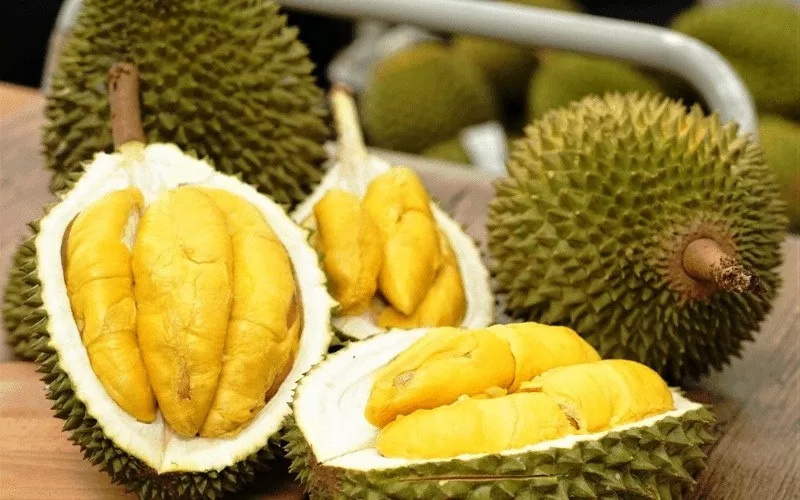 |
| Durian exports are 'cooling down'. |
Speaking to a reporter from the Industry and Trade Newspaper about this issue, Mr. Nguyen Dinh Tung - CEO of Vina T&T - said that since the end of last year, China has implemented a policy of 100% inspection of all durian shipments imported from markets including Vietnam. This has prolonged customs clearance times, increased the risk of damage to goods, and made businesses more cautious in exporting. Businesses have temporarily suspended operations to complete the necessary procedures.
At this point, although the Chinese market has recognized Vietnamese laboratories, and businesses had planned to resume exports by the end of February, they have postponed this time to make more thorough preparations in all stages of the supply chain, ensuring the highest quality of exported durian.
“Although market demand is huge, this market is still tightening its regulations on Yellow O and Cadmium levels. When exporting durian to China, businesses source from many orchards. If even one orchard is found to be contaminated, the entire shipment will have to be destroyed upon arrival in China, resulting in significant losses. Therefore, businesses are choosing to slow down and rebuild their standardized export supply chain,” Mr. Nguyen Dinh Tung explained.
According to Mr. Nguyen Dinh Tung, some businesses are currently facing a situation where durian growers are not cooperating with testing for Yellow O or Cadmium. However, this is not the case for growers within the supply chain of the ordering businesses. Even so, businesses are hesitant to risk their brand and reputation. Everything needs to be thoroughly prepared before they can resume exporting. The resumption of exports will be implemented as soon as possible.
We propose expanding the testing facilities.

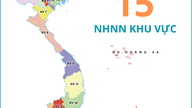

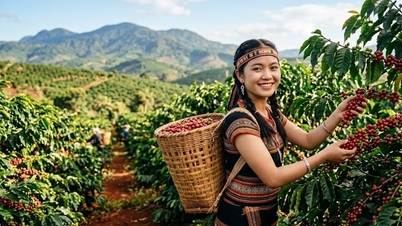
Dak Lak province has the largest area and production of durian in the country. In the 2024 crop year, Dak Lak province had approximately 38,800 hectares of durian, an increase of 4,510 hectares compared to 2023. Durian exports bring the province hundreds of millions of USD each year.
"This year's durian crop is still in its flowering and fruiting stages, so it's too early to say whether we'll have a good harvest or not," Mr. Vu Duc Con, Chairman of the Dak Lak Provincial Durian Association, told a reporter from the Industry and Trade Newspaper.
According to Mr. Vu Duc Con, because the main durian harvest season in Dak Lak is around July and August, the impact of stricter inspections for Yellow O and Cadmium has not yet affected the local durian crop. “According to the information we have, the Mekong Delta is where most durians contaminated with Cadmium and Yellow O are found. With the soil, land, and farming practices of the people in the Central Highlands, Cadmium contamination is not as concerning as in the Mekong Delta,” Mr. Vu Duc Con said.
However, according to market regulations, China doesn't care where the durian comes from; instead, it requires 100% inspection of the durian for Yellow O color and other characteristics before export. Therefore, Mr. Vu Duc Con is concerned not about the cultivation stage, but about the harvesting and processing stages before export.
"Yellow O is used by farmers when harvesting fruit and preparing it for export. Therefore, we propose tightening the management of the use of this substance," said Mr. Vu Duc Con.
According to Mr. Vu Duc Con, the information we received indicates that by the end of February 2025, Vietnam will have six testing centers for Yellow O in durian that have been recognized by China. Dak Lak is the durian-growing capital. Meanwhile, these centers are located in Hanoi , Hai Phong, Ho Chi Minh City, and Ca Mau.
The fact that testing centers for Yellow O in durian are located too far from Dak Lak also poses risks for businesses and people. Detection at the source would allow for more timely action. Therefore, Mr. Vu Duc Con suggested bringing testing and inspection centers to local areas and promoting socialization, which would lead to more facilities and a more rational distribution.
According to data from the Customs Department, in the first two months of 2025, Vietnam's fruit and vegetable exports reached only $687 million, a decrease of 15.7% compared to the same period last year. Among the 30 main importing markets, China recorded the sharpest decline, reaching only $306 million, a decrease of 39% - the deepest decline ever.
According to Mr. Nguyen Dinh Tung, the tightening of regulations in the Chinese market is a normal measure aimed at protecting their consumers, and Vietnamese export businesses are forced to adapt. This is also a way to filter out businesses and farmers who are genuine and good at their work, avoiding the kind of rapid growth seen recently.



This year, while durian exports to the Chinese market have slowed down somewhat, Vina T&T's fresh coconut exports to this market have been very good. Besides China, the company also exports to many other markets such as the US, EU, etc.
Due to changes in export regulations in various markets, Vina T&T is also adjusting its business targets. While at the beginning of the year the company set an export growth target of 20%, it has now fallen to around 12%.
"Regarding durian, I believe that exports will soon regain momentum and the industry will develop sustainably. The current price of durian is about 20% lower than the same period last year, and this price level also ensures income for farmers," Mr. Nguyen Dinh Tung informed.
| Vietnam's off-season durian harvest lasts until the end of March. From mid-April, the provinces in the Mekong Delta begin the main durian harvesting season. Thus, the lucrative "golden season" for this industry is gradually coming to an end. |
Source: https://congthuong.vn/xuat-khau-sau-rieng-bot-nong-379126.html