

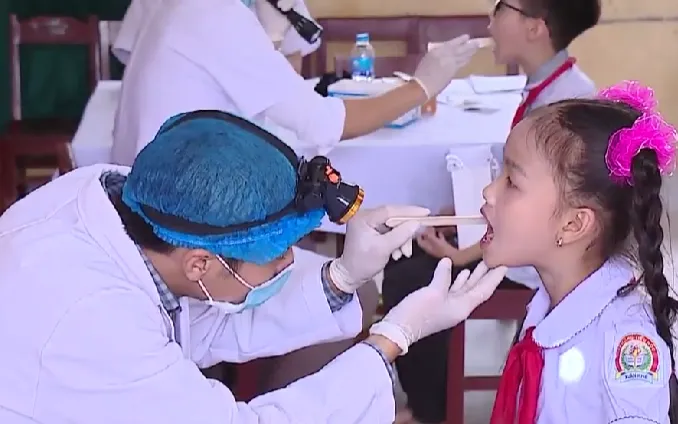
This is a prominent objective in the School Health Program for the period from 2026 to 2035, which has just been approved by the Government .
The beneficiaries of the Program are preschool children, students, and learners (referred to as learners) who are being nurtured, cared for, educated , and trained at preschools, primary and secondary schools, special schools, continuing education centers, vocational education and continuing education centers, vocational training institutions, and higher education institutions (referred to as educational institutions).
The program aims to improve the quality and effectiveness of school health services and activities related to health education, protection, care, and management in educational institutions, ensuring conditions for students' holistic physical and mental development; contributing to the achievement of breakthrough goals and solutions in education and training development, and strengthening the protection, care, and improvement of public health.
The goal for the period 2026-2030 is that 60% of public preschool and primary/secondary education institutions will have dedicated school health staff with the required medical qualifications.
100% of higher education institutions, colleges, vocational schools, boarding schools, ethnic boarding schools, ethnic semi-boarding schools, and schools for people with disabilities have dedicated school health staff with the required medical qualifications.
100% of educational institutions have separate medical rooms with sufficient essential medicines and medical equipment; adequate drinking water and water for daily use of guaranteed quality; and organized meals and other food and beverage services that meet hygiene and food safety standards as prescribed.
100% of preschool and general education institutions organize the monitoring and assessment of the nutritional status of children and students according to regulations.
80% of educational institutions have restrooms for students that meet the prescribed standards and cater to the needs of people with disabilities.
100% of educational institutions organize communication and education activities on protecting, caring for, and improving school health, nutrition, and mental health.
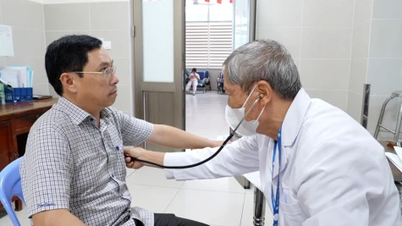
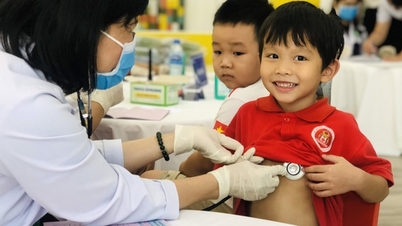
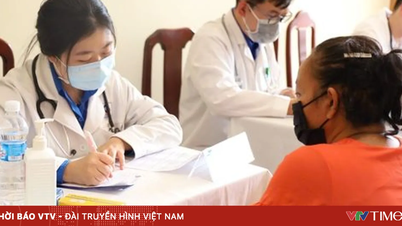
100% of learners receive health check-ups, examinations, or disease screenings at least once a year, and their health information is updated and managed in an electronic health record linked to the National Population Database.
Regarding the additional tasks of supplementing and upgrading facilities and equipment to support school health activities, the Program requires:
Review, repair, and upgrade school facilities, hygiene conditions, classroom lighting, clean water supply facilities, and toilets to ensure sufficient numbers and meet the needs of learners as prescribed, especially for people with disabilities and women.
Enhance facilities and equipment to support the organization of school meals, ensuring quality and compliance with food safety regulations; and improve playgrounds and sports fields to facilitate physical education and school sports activities.
Establish separate, friendly school health rooms and school counseling rooms in accordance with regulations; supplement essential medical equipment and medicines to serve primary healthcare for students in schools, in line with practical needs and the professional qualifications of school health staff.
Complete the database on facilities and equipment serving the healthcare needs of students.
Regarding the application of technology and digital transformation in student health management, the Program requires:

Conduct health checks at the beginning of the school year, periodic health check-ups, or free screenings for common diseases and disabilities for students at least once a year according to the prescribed schedule, and enter students' health data into the electronic health record linked to the National Population Data System.
Developing tools and applications for digital transformation in assessing nutritional status, creating nutritionally balanced menus for school meals, and managing, monitoring, and statistically evaluating student health.
Digitizing media and health education products for students; completing the database on facilities and equipment serving student healthcare, playgrounds, sports fields, clean water facilities, and toilets.
Source: https://vtv.vn/100-hoc-sinh-sinh-vien-duoc-kham-suc-khoe-dinh-ky-100260604121706118.htm

















































![[Video] Sunset at Lap An Lagoon – Where the sun sets over the fishing nets](https://vphoto.vietnam.vn/thumb/1200x675/vietnam/resource/IMAGE/2026/05/31/1780192137701_beach-landscape-sea-water-nature-grass-745871-pxhere-com.jpeg)



























Comment (0)