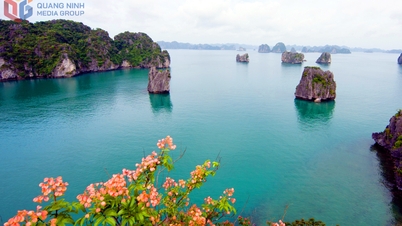
Beyond traditional cave tours and relaxation, tourists are increasingly delighted to encounter patches of magnolia and bauhinia flowers at Thien Cung and Dau Go caves, slipper orchids at Cua Van, and coral "sea gardens" at Coc Cheo islet during their Ha Long Bay excursions. These details are adding to the allure of exploring this heritage site. "Not only does Ha Long Bay boast magnificent scenery, but it also possesses a treasure trove of valuable biodiversity, enriching its current tourism appeal and opening up many future potentials," said Dr. Le Hong Truong, Director of the Southern Institute of Ecology (Vietnam Academy of Science ), who has conducted numerous surveys and assessments.

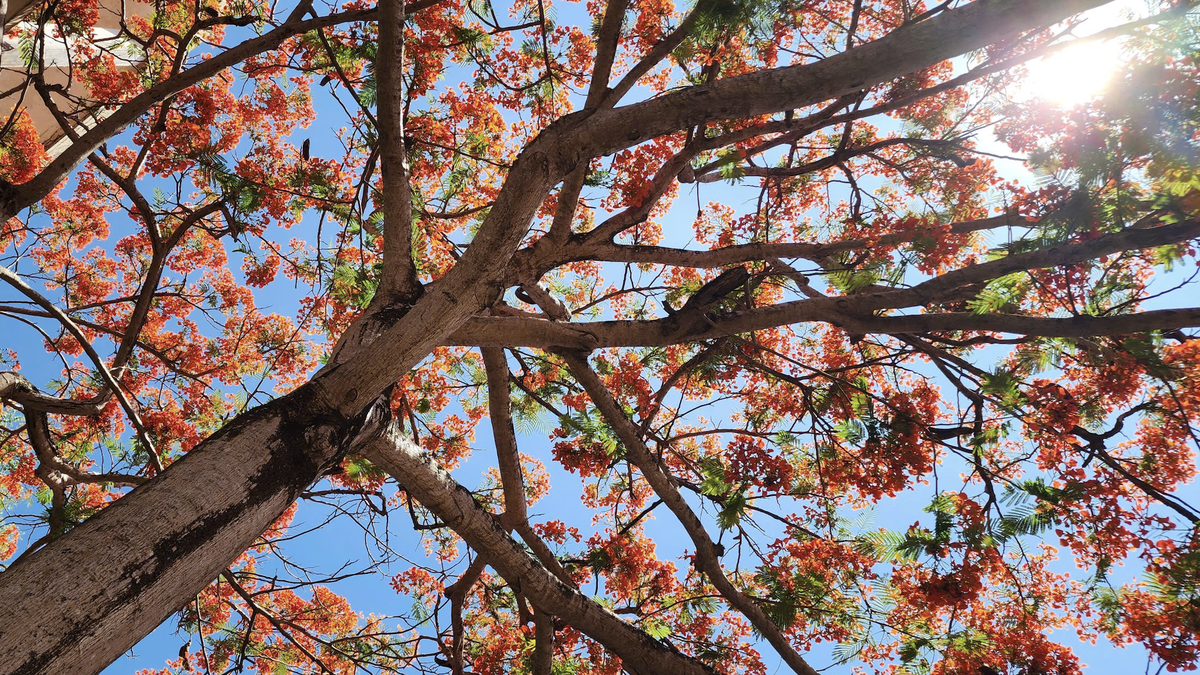
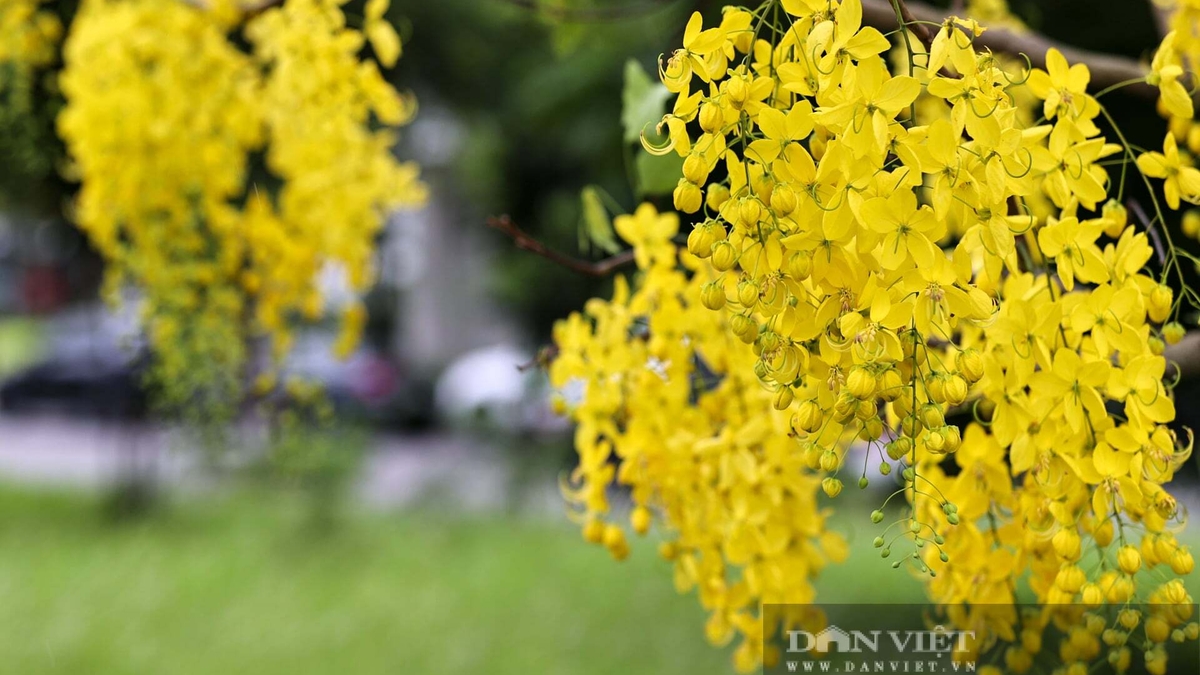
Magnolia flowers, along with many other endemic plant species, create a beautiful landscape, enhancing the scenery along the journeys to Ha Long Bay.
Beyond its visual appeal, scientific studies show that Ha Long Bay possesses exceptional ecological resources with over 3,000 species of flora and fauna in various unique ecosystems, along with 15 endemic species and nearly 200 endangered and rare species, creating great potential for the development of ecotourism and nature experiences.
From these resources, the Ha Long Bay - Yen Tu World Heritage Management Board has been gradually promoting many biodiversity values in tourism activities. Ha Long Bay currently has 72 lagoons and 81 inlets, most of which still retain their pristine nature. These are enclosed saltwater lakes nestled among limestone mountains, each with its own unique ecosystem, including pearl oysters, seaweed, seagrass, and endemic species. Currently, many areas such as Luon Cave, Ba Hang, Dang Du, Ba Ham Lake, etc., have become popular destinations for international tourists to experience kayaking, rowing bamboo boats, and exploring nature. The tranquil water surface, the surrounding rocky mountains, and the almost isolated habitat create a very different experience compared to typical tour routes.
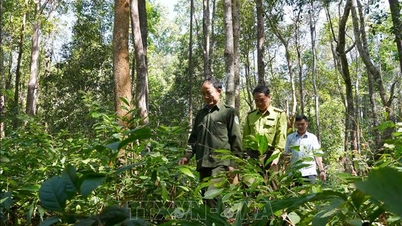
Not only underwater or in enclosed ecosystems, many endemic plant species on rocky islands are also becoming new highlights for tourism in Ha Long Bay. Recently, the Ha Long Bay - Yen Tu World Heritage Management Board has restored and planted many valuable plant species such as Ha Long palm, cottonwood, jasmine, slipper orchid… in Cua Van, Cong Dam, Soi Van, and Tam Cung.

Officials and staff of the Ha Long Bay - Yen Tu World Heritage Management Board planted trees to create an ecological landscape in the Hang Co area.
During the flowering season, the patches of vegetation on the rocky islands at Soi Sim, Cong Dam, or the Hang Trai area add unique colors to the heritage exploration journey, helping visitors experience Ha Long not only through its rocky and water landscapes but also through its vibrant and endemic ecosystem.
Notably, the endemic plant "landscape gardens" in Hang Co and on the islands are opening up new avenues for ecotourism. Beyond creating sightseeing and photo opportunities, these spaces also help visitors learn about the native flora, the story of genetic resource conservation, and the ecological restoration of the heritage site.
While endemic plant life contributes to the ecological landscape of the tour route, the underwater marine ecosystem also offers ample opportunities for ecotourism. Particularly noteworthy are the coral reefs at Cong Do, Hang Trai, Dau Be, Luoi Liem, Coc Cheo, etc., with their high coverage, creating attractive "underwater landscapes" for marine experiences, kayaking, and exploring the core heritage area. This also forms the foundation for developing marine ecotourism and environmental education products in the future.

Along with many other attractions, Ba Ham Lake has become a popular destination for tourists seeking unique experiences due to its scenic beauty and biodiversity.
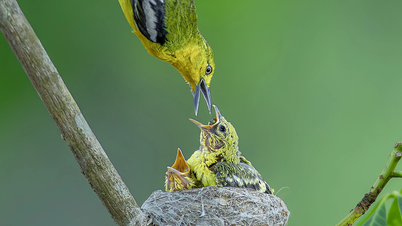
Beyond its scenic beauty and typical experiences, the many endemic biodiversity values of Ha Long Bay are also adding depth to future tourism. Recently, scientists have recorded many endemic species such as the Cat Ba eyelid gecko, cave spiders, cave crabs, and sunbirds, linked to the long-term evolution of the Ha Long limestone archipelago. This is not only a unique scientific value but also opens up potential for developing tourism products focused on nature exploration, biological research, and in-depth environmental education.
Source: https://baoquangninh.vn/da-dang-sinh-hoc-kho-bau-cua-du-lich-vinh-ha-long-3408411.html







































![[Video] Sunset at Lap An Lagoon – Where the sun sets over the fishing nets](https://vphoto.vietnam.vn/thumb/1200x675/vietnam/resource/IMAGE/2026/05/31/1780192137701_beach-landscape-sea-water-nature-grass-745871-pxhere-com.jpeg)


























Comment (0)