I've heard a lot of information that if you eat seafood, you should eat smaller fish because larger ones may contain mercury, heavy metals, or microplastics. Could you please advise on the best option? (Thanh Huyen - Ho Chi Minh City)
Dr. Vo Thi To Hi, a Master's degree holder and nutritionist in Ho Chi Minh City, provides the following advice:
Your concerns about the quality difference between large and small fish are entirely justified. Many experts recommend prioritizing smaller fish, as they are safer and offer more health benefits.
Firstly, smaller fish accumulate less mercury and heavy metals. This is the most important advantage. Large predatory fish such as swordfish, sharks, or some types of tuna live for many years and occupy high positions in the food chain. During their growth, they eat many other fish, so mercury and some heavy metals tend to accumulate gradually in their bodies over time.

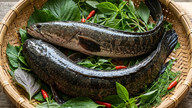

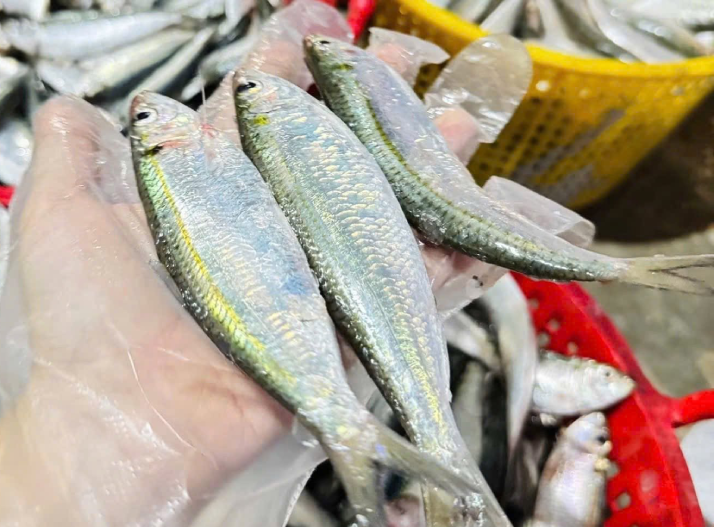
Conversely, smaller fish such as sardines, herring, anchovies, or mackerel have shorter lifecycles and are lower in the food chain, so their mercury content is usually significantly lower. Therefore, they are a suitable choice for regular inclusion in weekly meals.
Secondly, small fish are highly nutritious. Many people believe that larger fish are more nutritious, but this is not actually the case. Smaller fish are still a good source of high-quality protein, rich in Omega-3 fatty acids, vitamin D, and many essential minerals.
In particular, fish that can be eaten whole, including the bones, such as anchovies or sardines, provide a rich source of calcium, contributing to bone health and preventing osteoporosis. The Omega-3 content in small fish also helps reduce the risk of cardiovascular disease, supports brain function, reduces inflammation, and improves metabolic health.



Source: https://vietnamnet.vn/2-ly-do-ban-nen-chon-ca-be-2531648.html
![[Image] Overview of the construction site for the underground station of metro line 5 at the Hanoi Ring Road 1 intersection.](https://vphoto.vietnam.vn/thumb/1200x675/vietnam/resource/IMAGE/2026/07/03/1783065595682_ndo_br_z7974930852369-100ca093c306e72675f1d3700966a86b-jpg.webp)