1. Turmeric and its mechanism of action on pain sensation.
- 1. Turmeric and its mechanism of action on pain sensation.
- 2. The effects of turmeric in pain relief.
- 2.1. Turmeric helps reduce pain from arthritis.
- 2.2. May reduce muscle pain and aid recovery after exercise.
- 2.3. Support for nerve pain relief
- 2.4. May be helpful in fibromyalgia syndrome.
- 2.5. Helps relieve lower back pain in some cases.
- 3. Is turmeric safe?
- 4. How to incorporate turmeric into your diet
- 5. Notes on using turmeric
Turmeric (Curcuma longa) is a popular spice in Asian cuisine and has a long history of use in traditional medicine. The main active ingredient in turmeric is curcumin – a polyphenol with strong anti-inflammatory and antioxidant properties.
Inflammation is a key mechanism causing pain in many conditions such as arthritis, muscle pain, and nerve damage. Curcumin has been shown to inhibit several inflammatory mediators, such as pro-inflammatory cytokines and enzymes involved in the inflammatory process. Therefore, this compound can reduce inflammation levels and indirectly alleviate pain.
Additionally, some studies suggest that curcumin may affect receptors involved in pain signal transmission, contributing to the regulation of pain perception in patients.
2. The effects of turmeric in pain relief.
Here are five types of pain that turmeric can help alleviate:
2.1. Turmeric helps reduce pain from arthritis.
Osteoarthritis (degenerative joint disease) and rheumatoid arthritis are two common causes of pain and limited mobility in adults and older adults. Numerous clinical trials have shown that curcumin may help reduce pain and improve joint function in people with osteoarthritis. Some comparative studies have shown that curcumin's pain-relieving efficacy is comparable to nonsteroidal anti-inflammatory drugs (NSAIDs) such as diclofenac, but tends to have fewer gastrointestinal side effects.
In patients with rheumatoid arthritis – an autoimmune disease – curcumin has been shown to help reduce swelling and joint pain when used as a supplement alongside standard treatment regimens. However, curcumin is not a substitute for basic medication, and patients should not discontinue their medication without consulting their doctor.
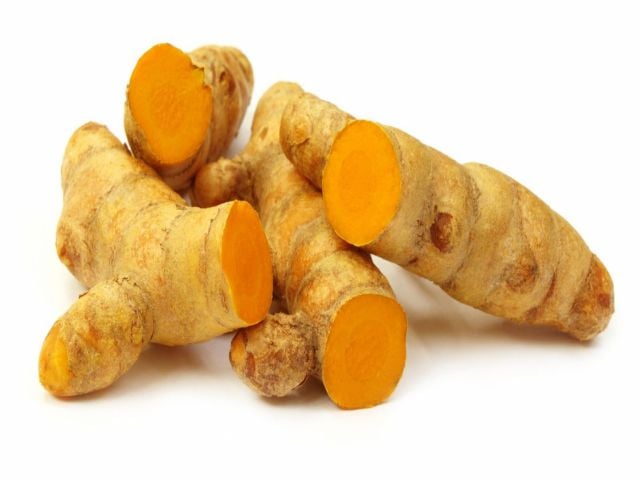
The main active ingredient in turmeric is curcumin, which has anti-inflammatory properties and helps reduce pain.
2.2. May reduce muscle pain and aid recovery after exercise.
Muscle soreness after high-intensity exercise is often associated with inflammation and oxidative stress in muscle tissue. Thanks to its anti-inflammatory properties, curcumin may help reduce muscle damage and alleviate post-workout soreness. Several studies in healthy adults have shown that curcumin supplementation before or after exercise helps reduce late-onset muscle soreness and improve recovery speed. The mechanism is thought to be due to curcumin inhibiting inflammatory pathways and reducing the production of free radicals that cause cellular damage.
However, effectiveness also depends on the dosage, formulation, and absorption rate of each product.
2. 3. Supports relief of nerve pain
Neuropathic pain can occur in diabetic neuropathy, post-surgery, or due to peripheral nerve damage. Patients often experience numbness, tingling, burning, or sharp pain. Some preliminary studies suggest that curcumin may help reduce symptoms in diabetic neuropathy through its anti-inflammatory and antioxidant mechanisms, while also protecting nerve cells from damage.



Research reviews have also noted the potential of curcumin in reducing postoperative pain. However, much of the current evidence comes from preclinical or small-scale studies. More large-scale clinical trials are needed to confirm efficacy and determine optimal dosage.
2.4. May be helpful in fibromyalgia syndrome.
Fibromyalgia is a chronic, diffuse pain condition associated with impaired pain regulation in the central nervous system. Patients may experience increased sensitivity to painful stimuli or even perceive pain with normal stimuli. Preliminary studies, primarily in animal models, suggest that curcumin may inhibit inflammatory mediators and reduce oxidative stress – factors thought to contribute to increased pain perception in fibromyalgia.
Despite promising initial results, evidence in humans is limited. Therefore, turmeric should only be considered a supportive measure, not a replacement for specialized medical treatment.
2.5. Helps relieve lower back pain in some cases.
Lower back pain is a common condition in adults. Several studies have evaluated a combination of turmeric and Boswellia ( Indian frankincense) in the management of lower back pain. Results showed that the group using this combination experienced improvements in pain levels, mobility, and sleep compared to the placebo group. However, due to the combination of the two active ingredients, it is difficult to determine the precise role of turmeric alone in pain relief.
However, the available data suggests that curcumin has potential in supporting the reduction of back pain associated with inflammation.

Curcumin in turmeric has the potential to help reduce back pain associated with inflammation.
3. Is turmeric safe?
In general, turmeric is safe for daily use in the diet or as a short-term supplement at the manufacturer's recommended dosage. Possible side effects, usually mild, include:
- Stomach-ache.
- Nausea.
- Diarrhea.
- Dizzy.
- Hives or rash...
Side effects usually appear when using high doses or for prolonged periods.
Curcumin can also interact with certain medications, such as:
- Anticoagulant medication.
- Anti-inflammatory and pain-relieving medication.
- Chemotherapy drugs.
- Immunosuppressant drugs...
People undergoing treatment for chronic illnesses, pregnant women, those with liver or gallbladder problems, or those preparing for surgery should consult their doctor before using turmeric-containing supplements.
4. How to incorporate turmeric into your diet
Turmeric can be used in a variety of ways in daily meals, for example:
- Add it to soups and broths.
- Cook it alongside bean or vegetable stews.
- Mix it into the rice.
- Mix with warm milk (turmeric milk).
- Use in coffee or tea...
Dietary supplements containing turmeric extract or curcumin are especially useful when higher doses are needed compared to regular food. Some preparations may contain up to 90–95% curcumin and are designed to increase absorption.



In some clinical guidelines, a dose of 500 mg curcumin, taken twice daily, has been shown to help control arthritis symptoms. However, the specific dose should be individualized according to health conditions and professional advice.
5. Notes on using turmeric
Although there is considerable evidence supporting the role of curcumin in pain relief, turmeric is not a specific treatment. Patients should not replace prescribed medication with turmeric or other supplements.
The effectiveness of turmeric depends on:
- Dosage form.
- Curcumin content.
- Absorption capacity.
- Specific medical condition...
Combining a healthy diet, appropriate exercise, and adherence to your doctor's prescribed treatment remains fundamental in managing chronic pain conditions.
Turmeric, thanks to its active ingredient curcumin, has the potential to help reduce pain in many conditions such as arthritis, muscle pain, nerve pain, and back pain. However, this is a supplementary measure and not a replacement for medical treatment. Using the correct dosage and seeking professional advice will help maximize benefits and minimize risks.
Please watch the video for more information:
Source: https://suckhoedoisong.vn/5-cach-nghe-giup-giam-dau-an-toan-16926022623224482.htm