

Some common spices and herbs found in the kitchen.
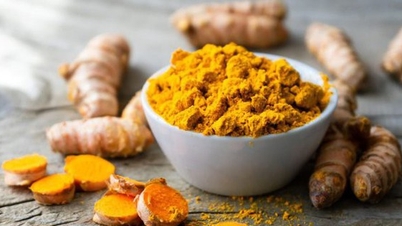
Turmeric: In Traditional Chinese Medicine, turmeric (Curcuma longa) has a bitter and pungent taste, a warm nature, and acts on the liver and spleen. Turmeric is used to promote qi and blood circulation, and to dispel stagnation. It is often applied in cases of abdominal pain due to stagnation, digestive disorders, postpartum women, or people with weakness.
Modern science has clarified that curcumin, the active compound in turmeric, has anti-inflammatory and antioxidant effects. Some studies suggest that curcumin may help improve chronic inflammatory diseases and digestive disorders. However, curcumin is poorly absorbed when taken alone, which explains why turmeric is often cooked with oil or fat in culinary practices.
Turmeric is most beneficial when used as a spice in meals. However, self-medicating with high doses of turmeric or curcumin in pill form for extended periods can be risky, especially for people with liver disease or those taking anticoagulants.
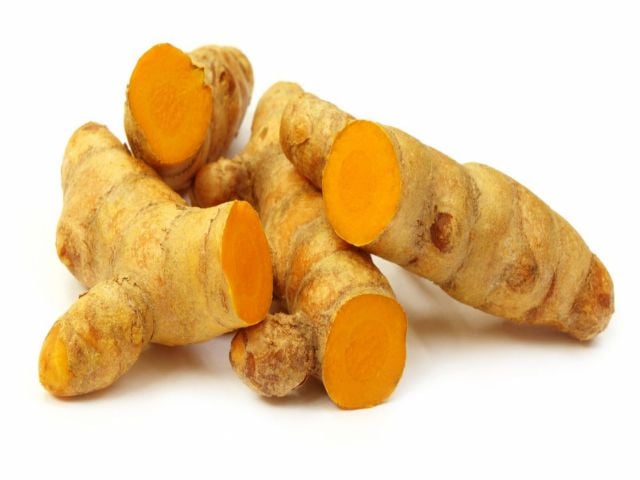
Turmeric is also an ingredient in many valuable traditional remedies.
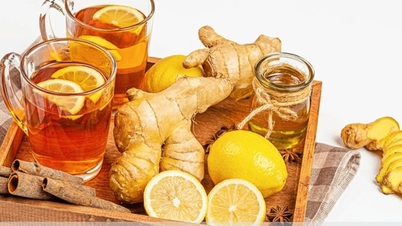
Ginger: Fresh ginger has a spicy taste, a warming nature, and acts on the spleen, stomach, and lungs. In Traditional Chinese Medicine, ginger is considered a "diaphoretic" and is often used for colds, nausea, bloating, and coughs caused by cold.
Modern medicine has proven that ginger is effective in reducing nausea, aiding digestion, and reducing mild inflammation. However, ginger has warming properties, and excessive consumption can cause internal heat, heartburn, especially in people with a naturally warm constitution or acid reflux.
Garlic: Garlic has a pungent taste and a warming nature, with effects that aid digestion, promote qi circulation, and kill bacteria. In folk medicine, garlic is often used to prevent colds and flu and treat mild digestive disorders.
Modern research shows that allicin—the active compound formed when crushed garlic is exposed to air—has antibacterial properties and supports cardiovascular health. However, allicin is easily destroyed by heat, so garlic should be added to dishes at the end of the cooking process or eaten raw in moderation.
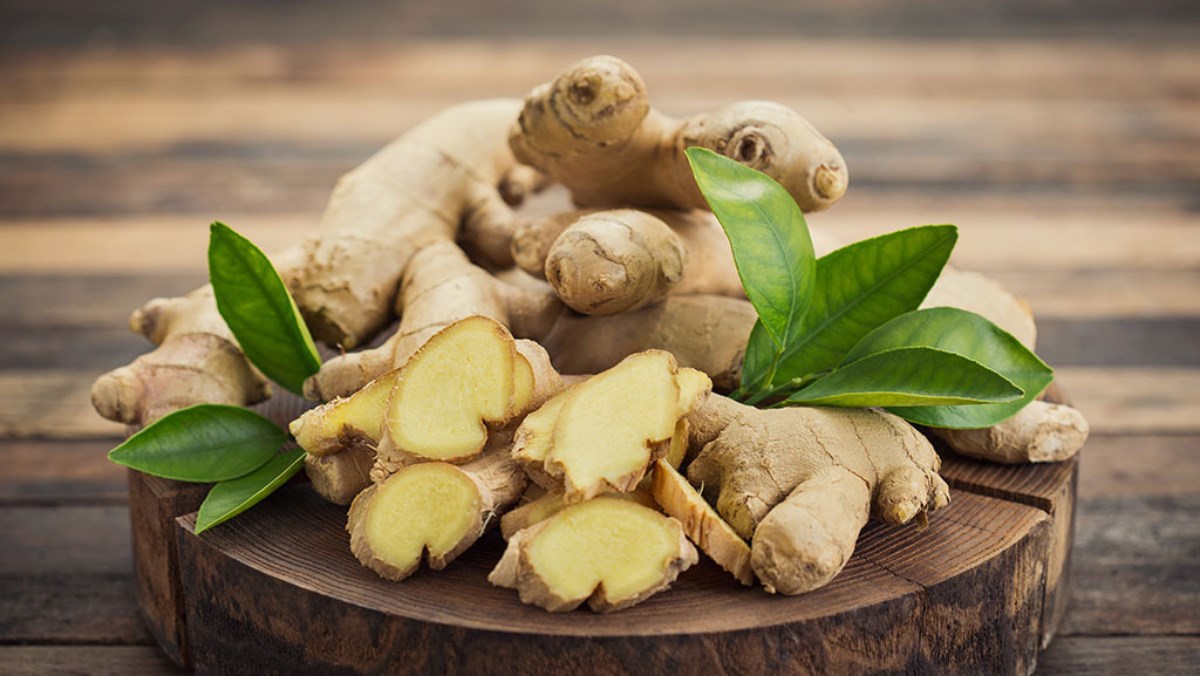
Ginger is a "diaphoretic" herb, often used for colds, nausea, bloating, and coughs caused by cold weather.
Cinnamon: Cinnamon has a sweet and spicy flavor, and a warming nature. It is often used to warm the spleen and stomach, and to soothe cold hands and feet. In cuisine , cinnamon adds a distinctive aroma to many stews and baked goods. Some studies suggest that cinnamon may help control blood sugar. However, Cassia cinnamon – the most common type – contains coumarin, which, if used excessively and for extended periods, can affect liver function. This is a prime example of the principle that spices are only medicine when used in the right dosage.
Cloves, lemongrass, and pepper: Cloves are used in traditional Chinese medicine to relieve toothaches and warm the spleen and stomach. Eugenol in cloves has a local analgesic effect, but the essential oil should be used cautiously.
Lemongrass has a fragrant aroma and warming properties, helping to relieve colds, aid digestion, and promote relaxation. Lemongrass tea is now used by many people as a way to reduce stress.
Black pepper, with its pungent flavor, helps stimulate digestion. The active ingredient piperine is also known for its ability to increase the absorption of certain other substances, but it also carries the risk of drug interactions if taken in high doses.
Garlic is commonly used to prevent colds and treat mild digestive disorders.
Notes on using spices
In the context of growing interest in healthy eating and natural medicine, the use of spices for health purposes requires understanding and discernment. Traditional Chinese medicine has always emphasized the principle of using the right amount, in moderation, and in accordance with one's constitution, and this is especially true for spices with medicinal properties.
First, avoid overuse with the "more is better" mentality: Spices in the kitchen are meant to be used in small quantities. Excessive use, especially of spicy spices like ginger, garlic, pepper, and cinnamon, can overheat the body, causing internal heat, constipation, heartburn, and even irritation of the stomach lining. Traditional Chinese medicine teaches that even the strongest medicinal properties need moderation to maintain a balance of yin and yang.
Secondly, it's important to consider individual constitutions: People with a hot constitution, prone to acne, dry mouth, and insomnia should avoid excessive use of warm, spicy seasonings. Conversely, people with a cold constitution, prone to stomach chills and poor digestion, can benefit from ginger, cinnamon, and pepper if used correctly.
Third, exercise caution with individuals with chronic illnesses and those taking medication: Some spices, such as garlic, turmeric, and pepper, can affect blood clotting or drug metabolism in the liver. For individuals undergoing treatment for cardiovascular disease, diabetes, liver disease, or taking long-term medication, the use of spices for health purposes should be discussed with a healthcare professional.
Fourth, do not equate natural spices with medicine: Spices can help prevent disease and improve overall health, but they cannot replace medication in severe acute or chronic illnesses. Self-treating by abandoning medical treatment and "curing with spices" is a misconception and carries inherent risks.
Fifth, pay attention to origin and preparation methods: Spices should be selected from clean sources, avoiding chemical contamination and mold. When cooking, avoid overcooking as this can destroy active ingredients, and do not use essential oils or concentrated extracts without professional guidance.
People with chronic illnesses, pregnant women, and those taking medication should exercise caution.
Please watch the video for more information:
Source: https://suckhoedoisong.vn/bep-nha-cung-la-hieu-thuoc-169260209162501157.htm

![[Photo] General Secretary and President To Lam presides over a working session with the Central Policy and Strategy Committee on the development of the materials industry.](https://vphoto.vietnam.vn/thumb/1200x675/vietnam/resource/IMAGE/2026/05/21/1779359935432_a3-bnd-3129-1412-jpg.webp)
![[Photo] National Assembly Chairman Tran Thanh Man working with the Standing Committee of the Law and Justice Committee](https://vphoto.vietnam.vn/thumb/1200x675/vietnam/resource/IMAGE/2026/05/21/1779378929214_ndo_br_1-4610-jpg.webp)






















































































Comment (0)