

The Ho Dynasty Citadel (also known as the Tay Do Citadel) is one of the world's heritages (recognized as a world heritage in 2011), the "unique" stone capital in Vietnam. The citadel was built in the spring of 1397, over a period of 3 months.

In 1397, Ho Quy Ly, then a high-ranking mandarin of the Tran Dynasty, obeyed the order of the Tran King and directly directed the construction of a stone citadel called Tay Do Citadel (in Vinh Loc commune, Thanh Hoa today) to distinguish it from Dong Do (Thang Long - Hanoi ). When he became king, Ho Quy Ly chose Tay Do Citadel as his capital.
PHOTO: NGO NHUNG
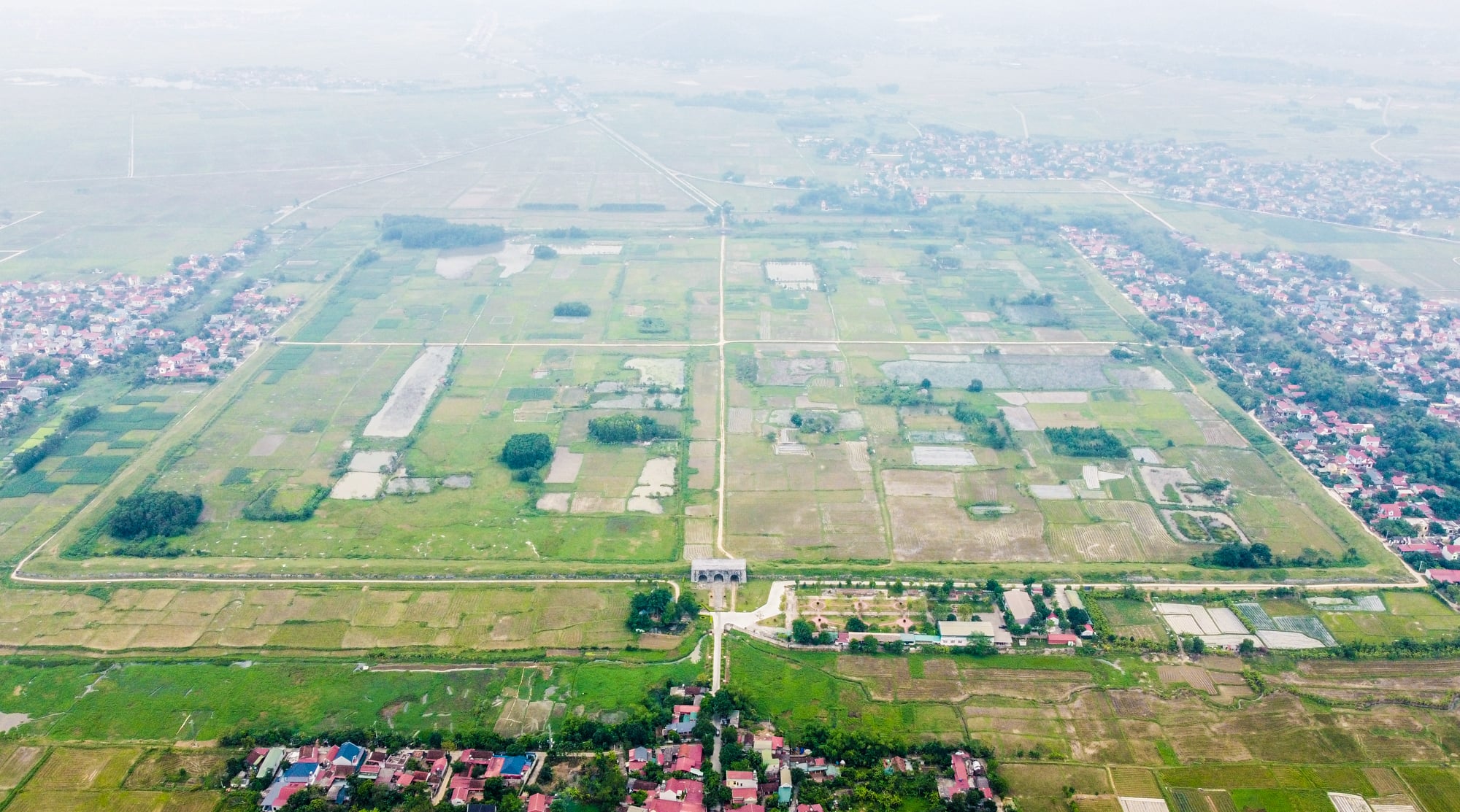
The Ho Dynasty Citadel was built in a rectangular shape, with four sides surrounded by stone walls with a total stone volume of about 20,000 m3; the inner wall of the stone surface was built with earth with a soil volume of about 100,000 m3. The walls are all higher than 6 m, with a 4 m wide path on the wall.
PHOTO: NGO NHUNG
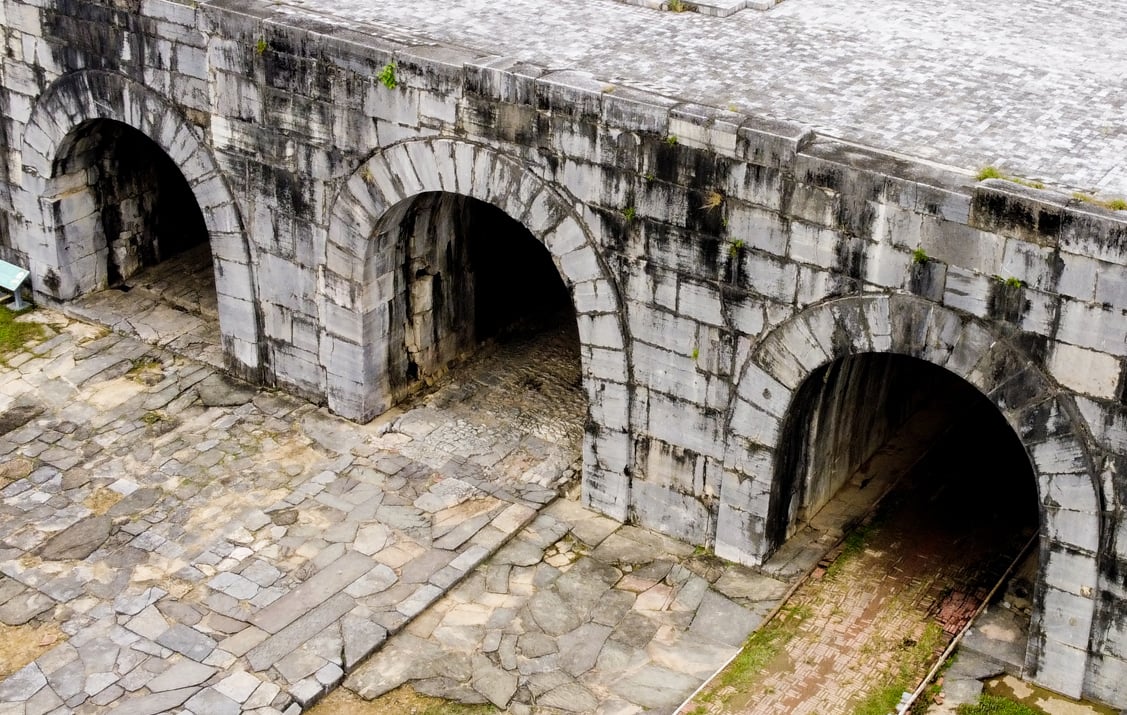
There are four gates on the east, west, south and north sides called the Front Gate, the Back Gate, the Left Gate and the Right Gate. Of these, the front gate (south) is the most intact. All the gates are built with arches, U-shaped architecture, and made of black-green stone polished into grapefruit segments.
PHOTO: NGO NHUNG
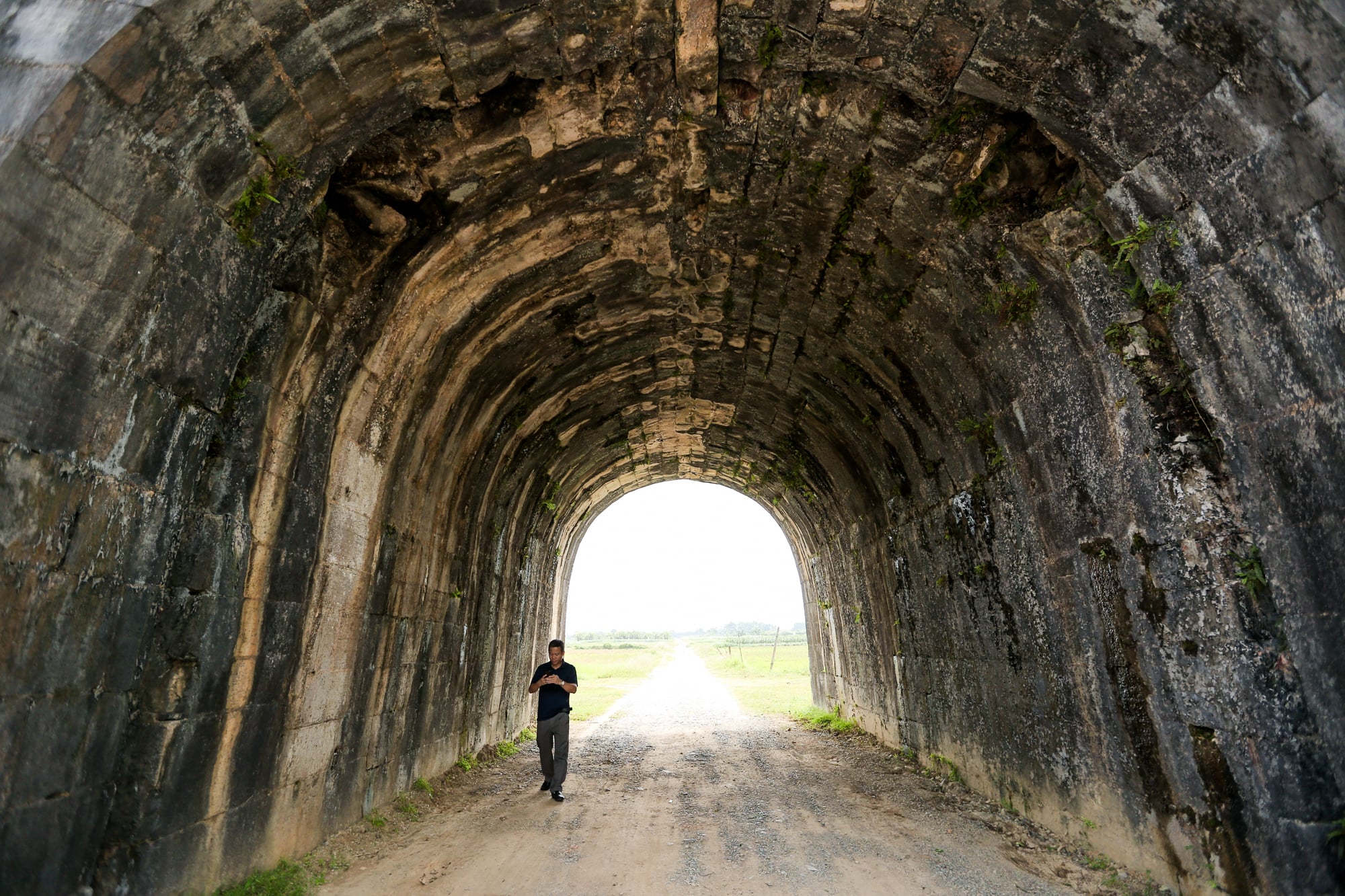
The southern gate of the Ho Dynasty Citadel is the most intact. From this gate, there is a marble-paved road running through the north-south axis of the citadel, reaching the foot of Don Son Mountain (Dun Mountain), where the Nam Giao altar of the Ho Dynasty was built.
PHOTO: NGO NHUNG
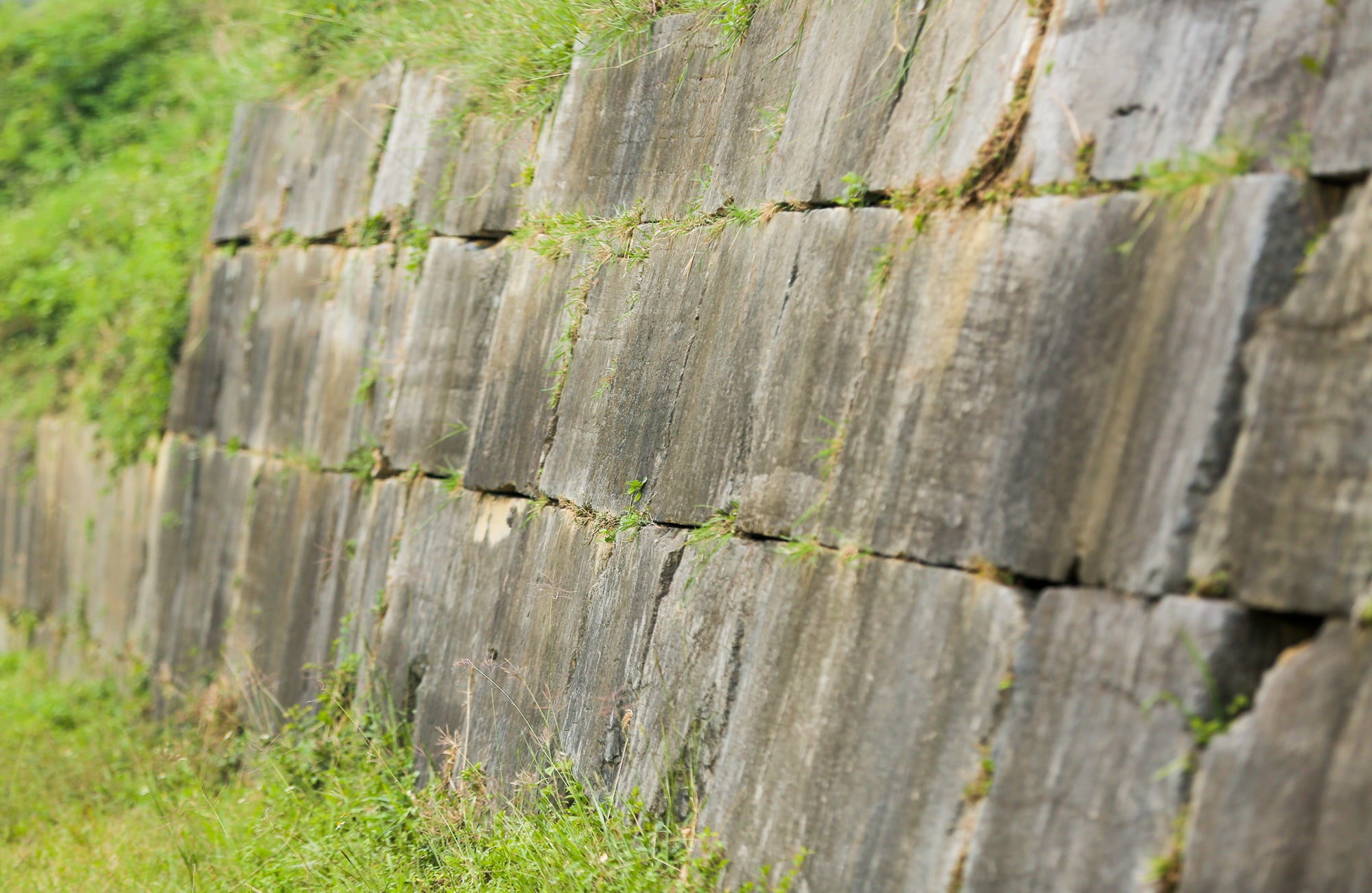
The wall was built with large stones, many weighing more than 2 tons, measuring mainly 2 x 1 m x 0.7 m. Today, when people, tourists, and researchers witness the construction with their own eyes, they are all amazed at the skill of building with stone blocks, not understanding why large stones weighing tons, without modern transportation equipment like today, could build such a stone citadel 628 years ago, in just 3 months.
PHOTO: NGO NHUNG
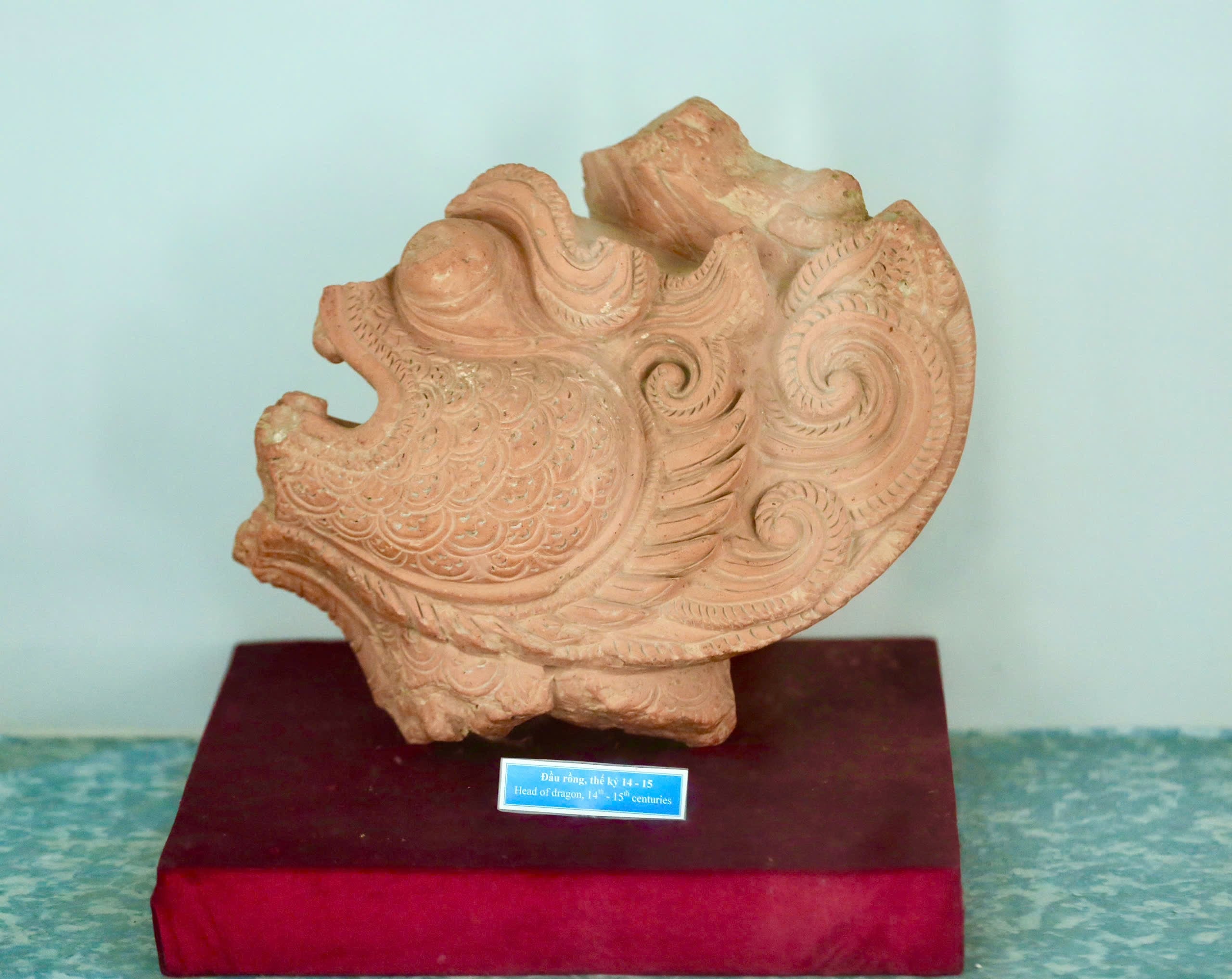
14th - 15th century clay dragon head found in Ho Citadel
PHOTO: NGO NHUNG
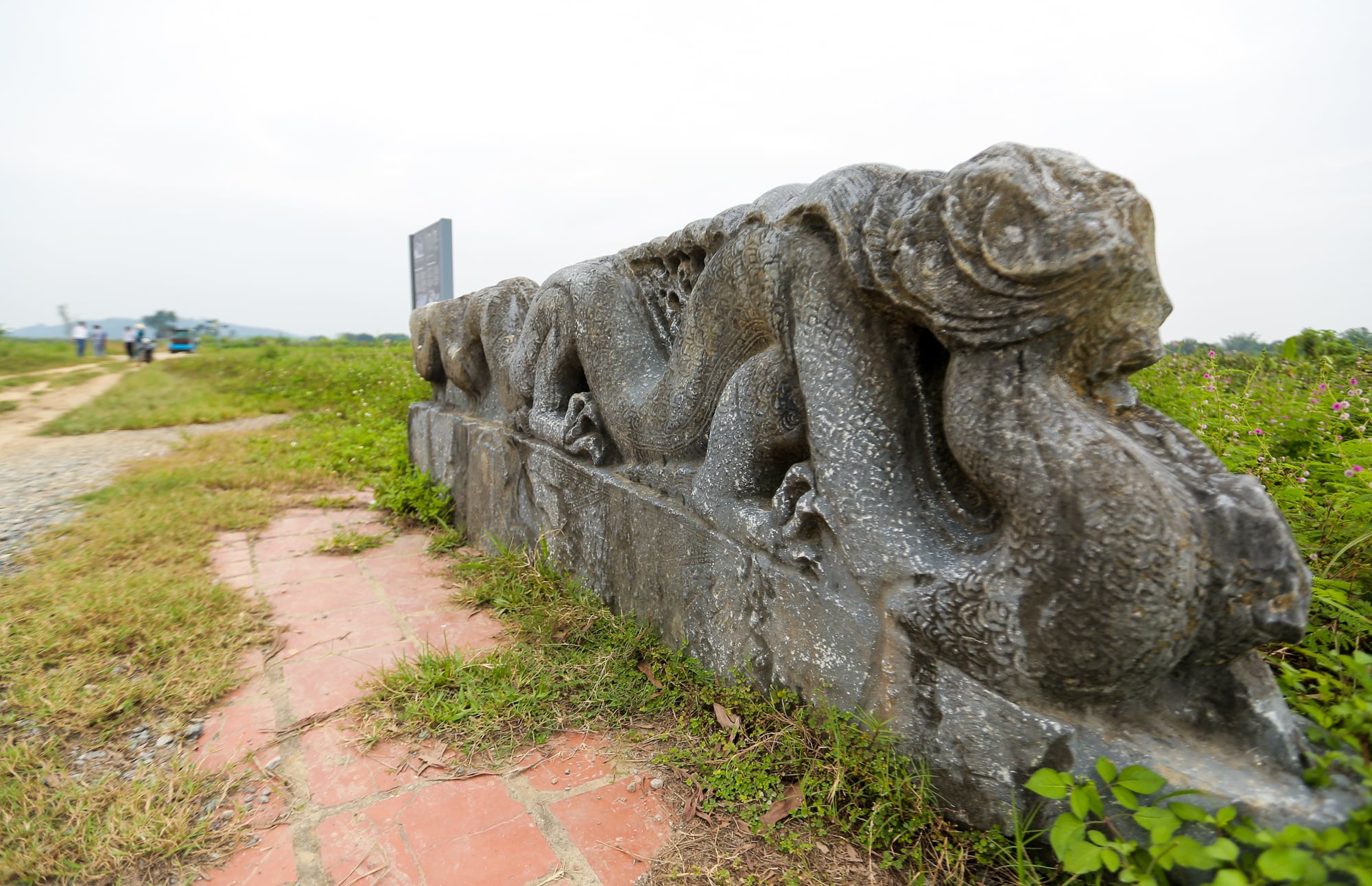
The headless stone dragon inside the Ho Dynasty Citadel was discovered by people in 1938, and until now no one has been able to confirm the reason why the dragon's head was cut off.
PHOTO: NGO NHUNG
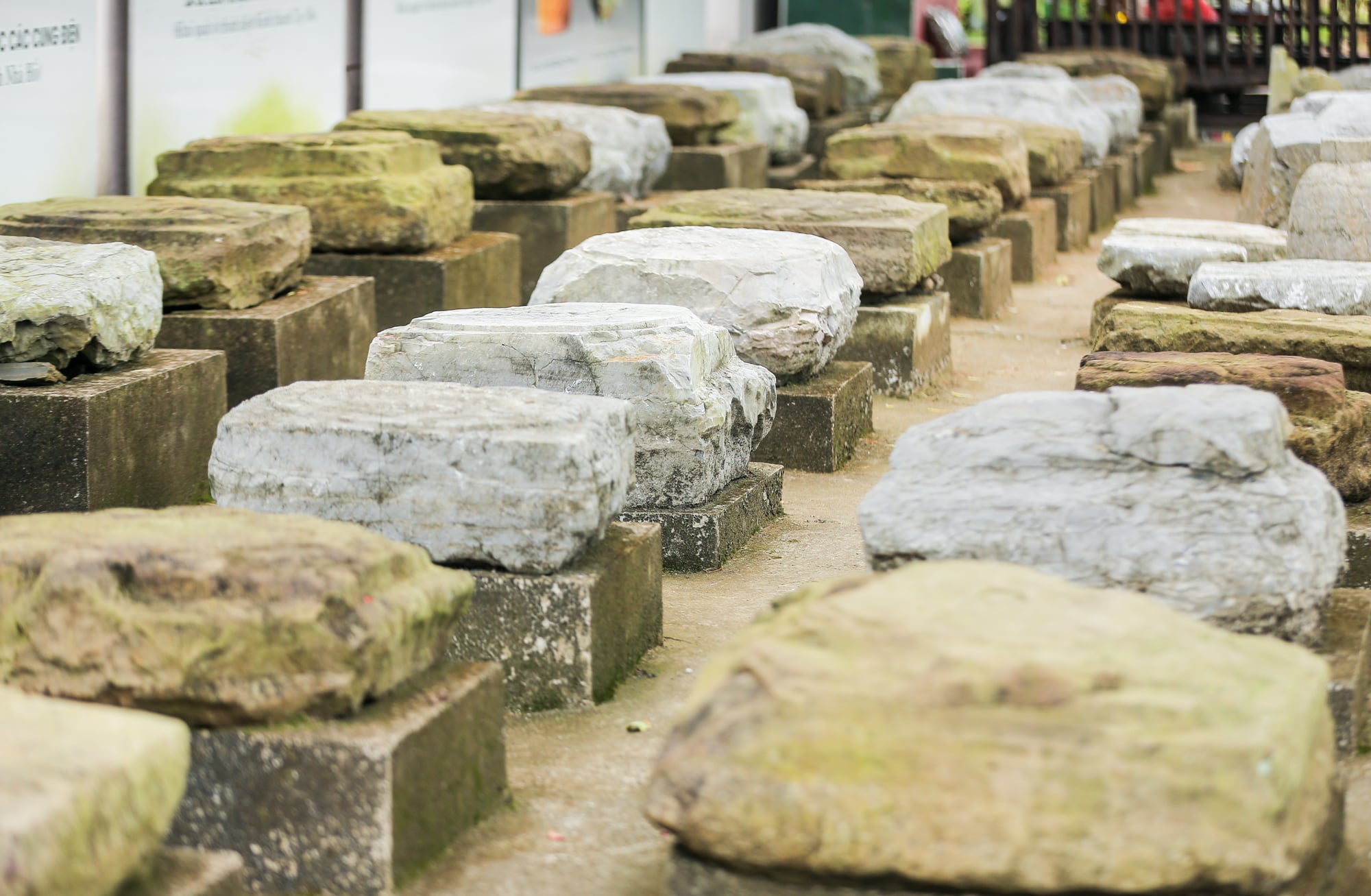
Many artifacts discovered during excavations at the Ho Dynasty Citadel are gradually shedding light on the construction techniques of the Ho Dynasty capital.
PHOTO: NGO NHUNG



For generations, inside the Ho Dynasty Citadel, local people have been cultivating agriculture.
PHOTO: NGO NHUNG
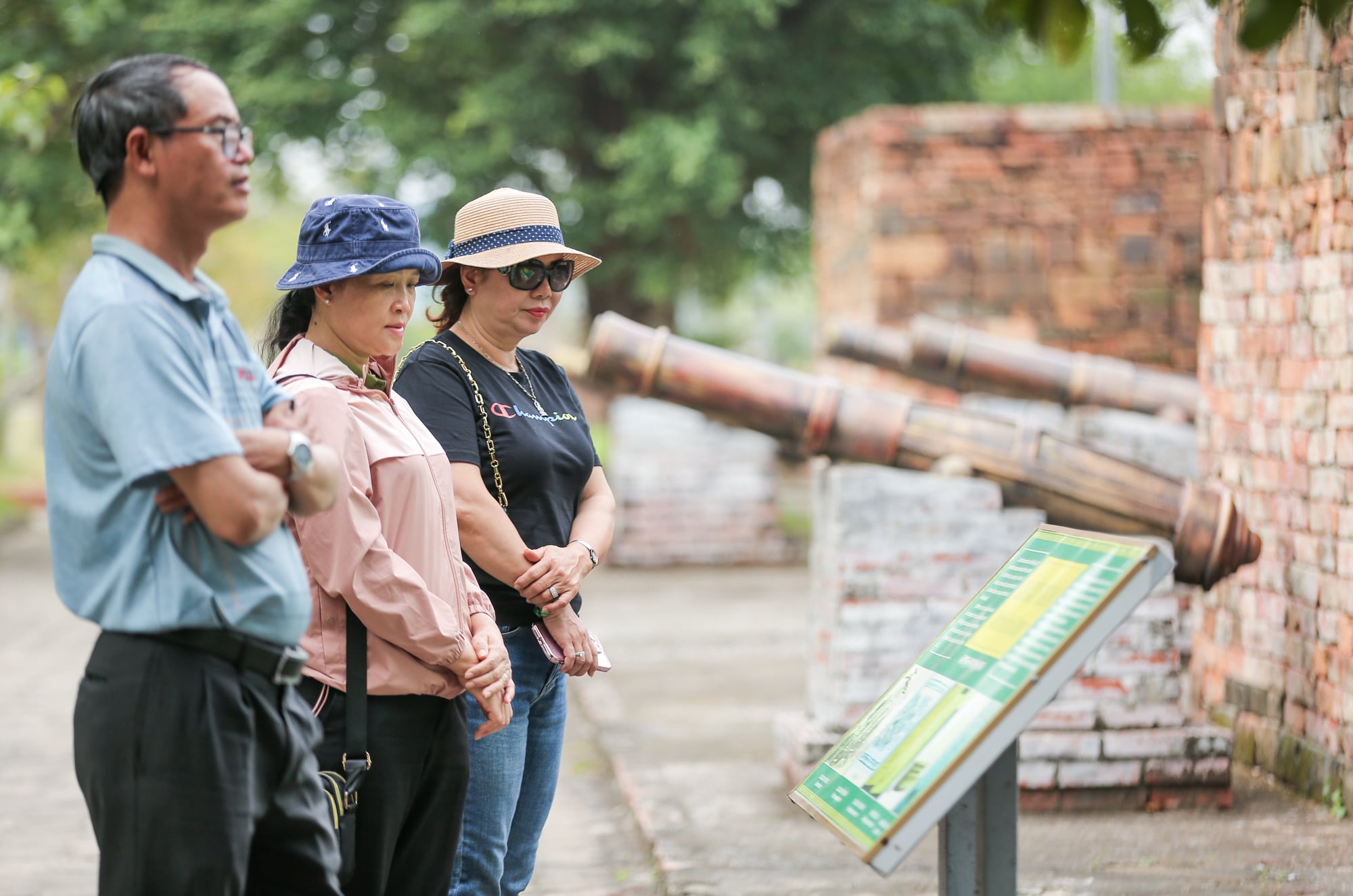
Today, the Ho Dynasty Citadel has become a tourist destination in Thanh Hoa. The province has also approved a project to preserve heritage and promote tourism value with a total budget of more than 700 billion VND. The project is implementing phase 1, with many items and works to be restored and invested.
PHOTO: PHUC NGU
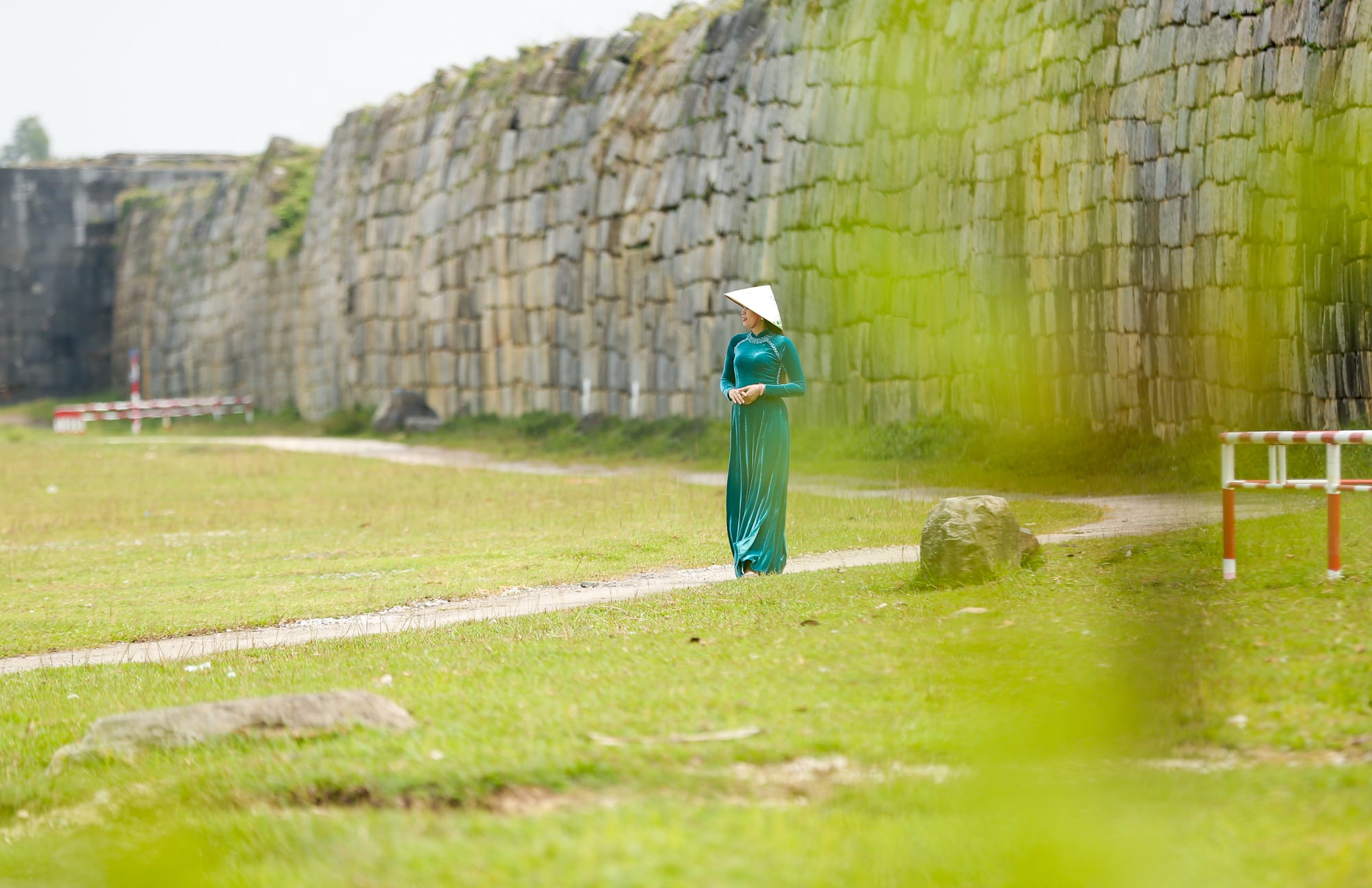
The beauty of Ho Dynasty Citadel
PHOTO: NGO NHUNG
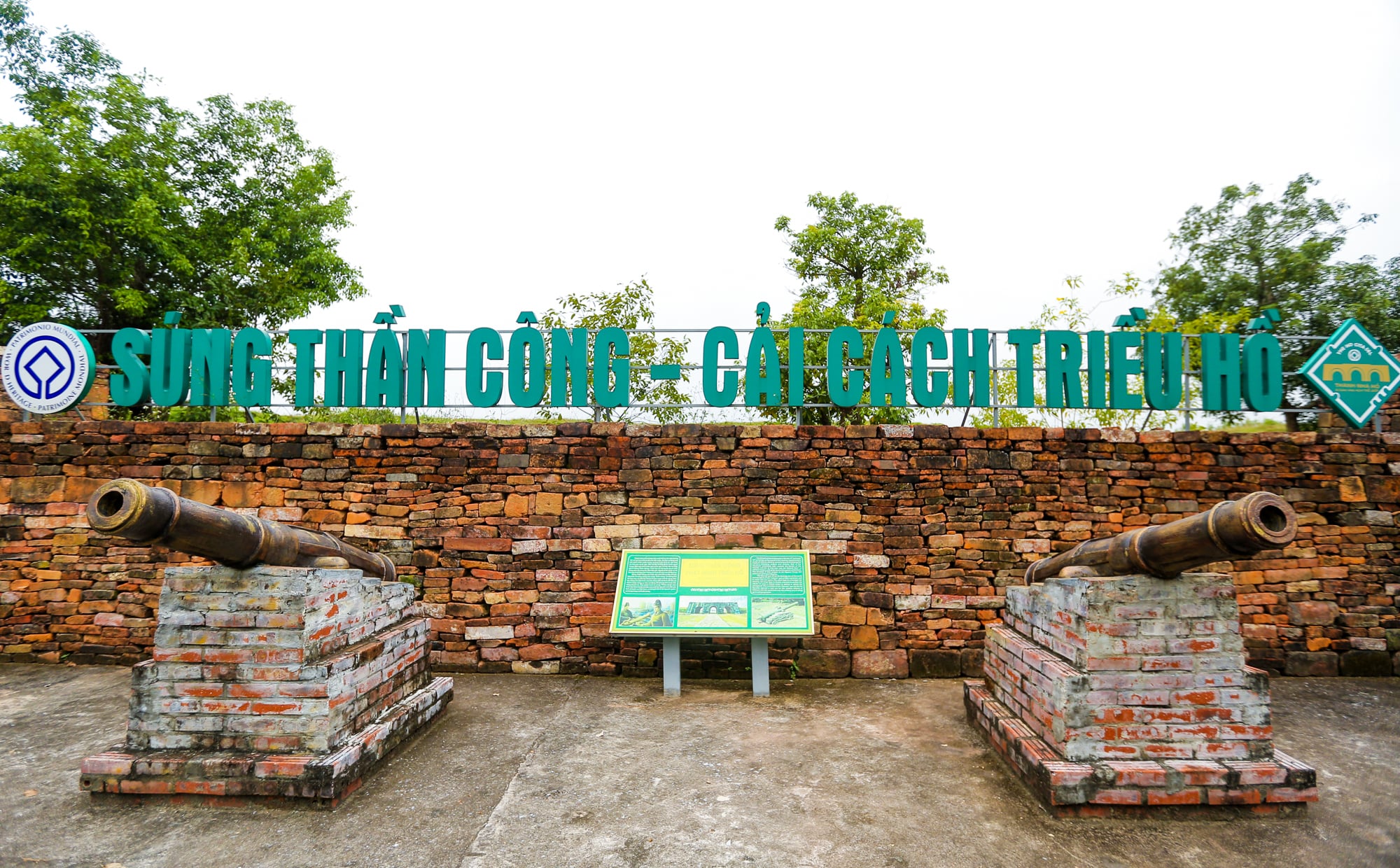
Display model of cannon - weapon of Ho Dynasty
PHOTO: NGO NHUNG
Source: https://thanhnien.vn/ve-dep-co-kinh-cua-kinh-do-nha-ho-hon-600-nam-tuoi-185251124110725324.htm
![[Photo] Urgently help people soon have a place to live and stabilize their lives](/_next/image?url=https%3A%2F%2Fvphoto.vietnam.vn%2Fthumb%2F1200x675%2Fvietnam%2Fresource%2FIMAGE%2F2025%2F12%2F09%2F1765248230297_c-jpg.webp&w=3840&q=75)


























































![[Photo] General Secretary To Lam works with the Standing Committees of the 14th Party Congress Subcommittees](https://vphoto.vietnam.vn/thumb/402x226/vietnam/resource/IMAGE/2025/12/09/1765265023554_image.jpeg)

































Comment (0)