

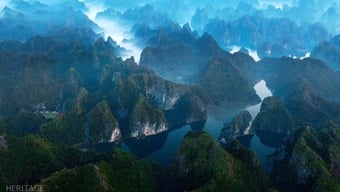
The ancient forests around Ba Be Lake are turning yellow and orange, reflecting on the blue water surface in the thin winter mist. Experiencing a boat trip in the quiet space, listening to the sound of oars and watching the primeval forest canopy change color is a rare moment in one of the freshwater lakes ranked by UNESCO in the Top 20 most beautiful in the world .
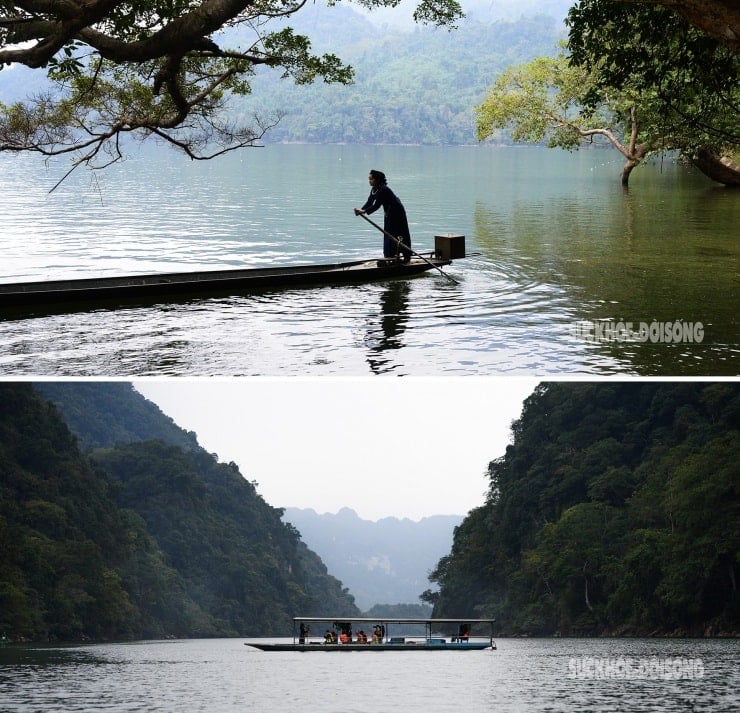
Discover Ba Be in the season of changing leaves
Ba Be Lake is about 500 hectares wide, more than 8 km long, up to 35 m deep, containing 90 million m³ of water. Located in Thai Nguyen province, the lake was formed more than 200 million years ago during the continental tectonic process, surrounded by limestone mountains and primeval forests.
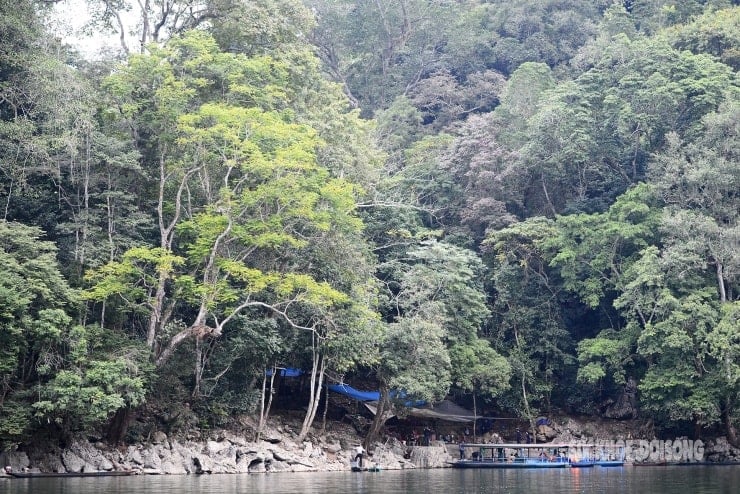
Grass, cliffs, wild orchids and underground streams blend together, making the water surface deep green all year round. When winter comes, a light mist covers the lake surface, the old forest turns yellow and orange, highlighting the vertical limestone cliffs and ancient trees stretching up to the clouds.

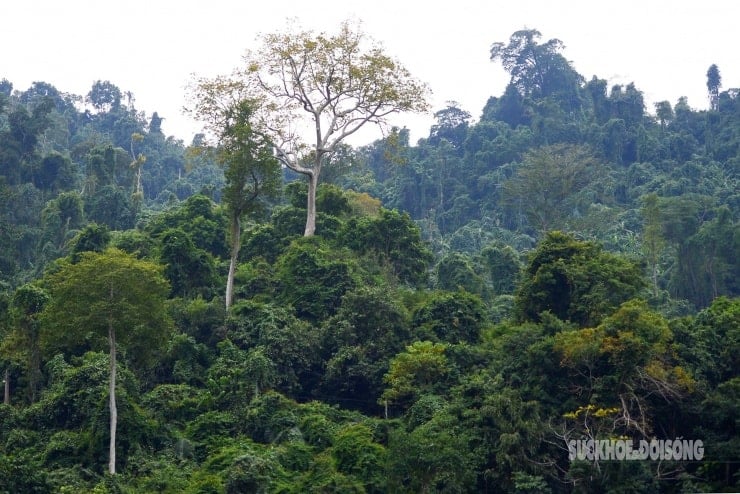
In the middle of the calm water are small clusters of islands covered with ancient trees, the foliage gradually turning yellow - green in late autumn, early winter. Sailing on the lake, the limestone ecosystem appears clearly: ancient trees growing precariously on cliffs dozens of meters high, roots clinging deep into the crevices of the rocks.
Indigenous culture in the mist
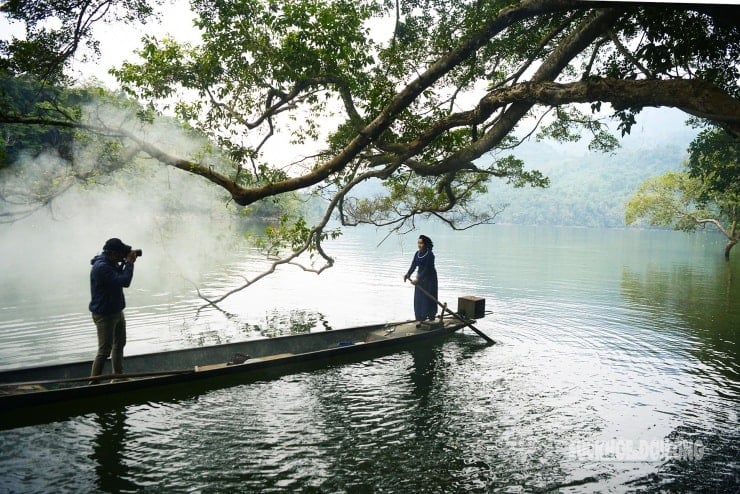
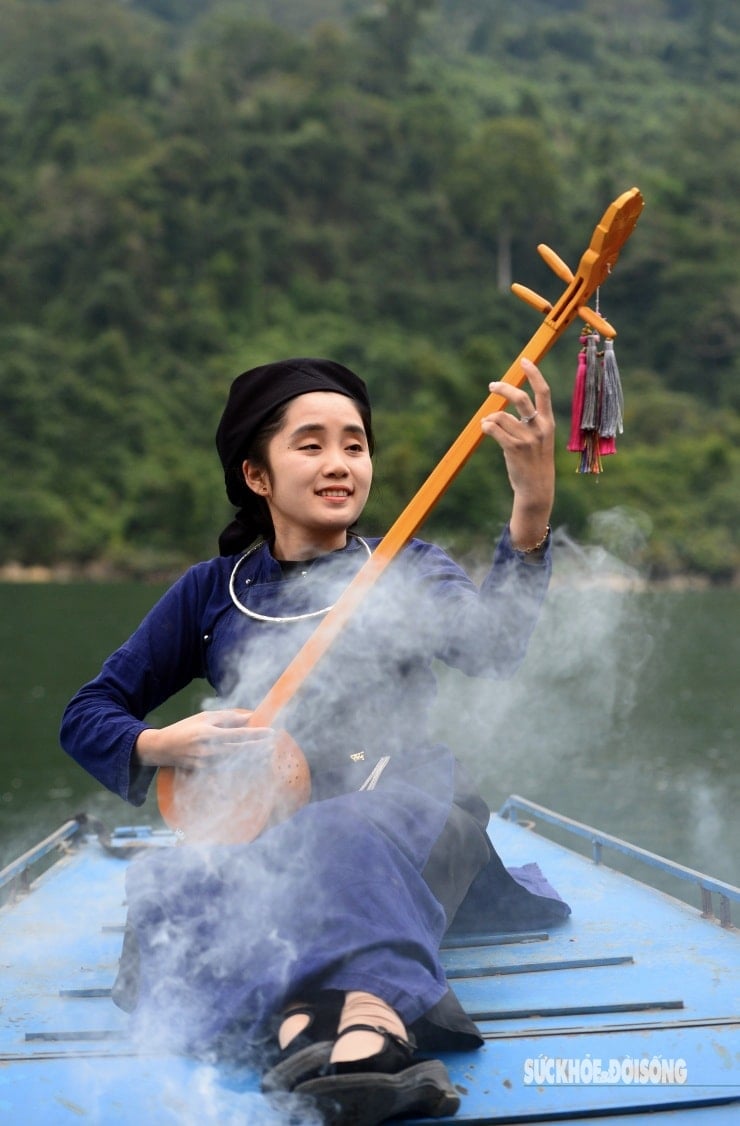
Not only a landscape, Ba Be is also associated with the legend of Ba Goa Island and the cultural life of the Tay and Nung people living along the lake. In the thin mist, the sound of Tinh lute and Then singing echoes, making the space both mysterious and warm.
The pace of life on the lake remains simple and slow. On the still water, tourist boats take visitors to explore, stopping at spots known only to the locals where the light touches the lake and the mountains reflect.
Ba Be through the lens of a photographer
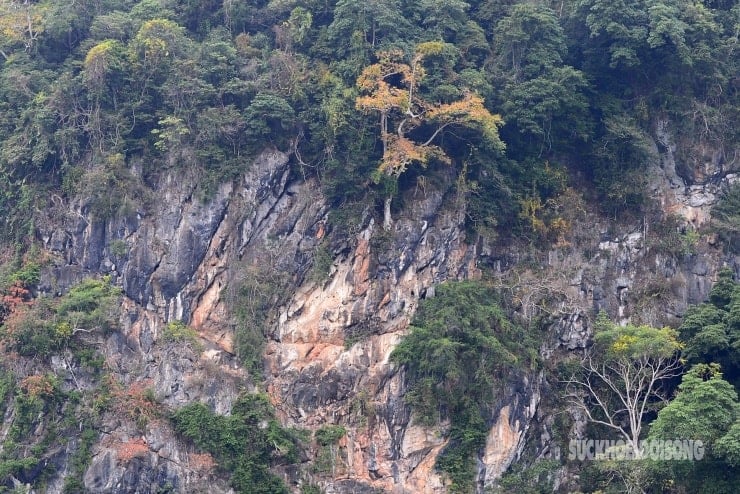
Photographer Nguyen Quynh Anh – Roi shared: “I have been to many places and taken many beautiful pictures, but the trip to Ba Be in early winter brought a very different feeling. Among the changing leaves and the misty lake, I felt an indescribable peace. What moved me most was the journey on a dugout canoe rowed by Tay women. They knew every rhythm of the water, every ravine, and took me to places only the locals knew – where the light touched the lake, where the mountains and forests reflected, creating rare frames.”
“Every click of the camera that day not only captured beautiful moments, but also expressed gratitude to the women who silently preserve the pristine beauty of Ba Be. This trip gave me more than just photos – it was a truly precious memory,” said photographer Nguyen Quynh Anh – Roi.
Practical information
- Scale: about 500ha; more than 8km long; up to 35m deep; estimated capacity of about 90 million m³ of water.
- Location and topography: Located in Thai Nguyen province; formed over 200 million years ago; surrounded by limestone mountains and primeval forests.
- Title: Once ranked by UNESCO in the Top 20 most beautiful freshwater lakes in the world.
Suggested experiences and timing
- Changing leaves season: Late autumn - early winter, the old forest by the lake turns yellow - orange, thin mist covers the water surface.
- On the lake: Take a boat ride on a chilly winter morning to sightsee and capture the moment the ancient forest reflects on the lake surface.
Source: https://baonghean.vn/ho-ba-be-mua-la-chuyen-cheo-thuyen-giua-rung-co-thu-10314361.html




















































































Comment (0)