

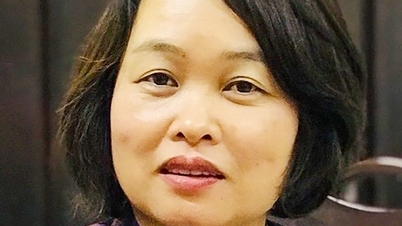
This is also a research topic of the Vietnam Institute of Culture, Arts, Sports and Tourism (VICAST). Hanoi Moi Newspaper had an interview with Associate Professor Dr. Do Thi Thanh Thuy, Head of VICAST's Cultural Research Department, who is in charge of the above topic, about the notable points surrounding this issue.
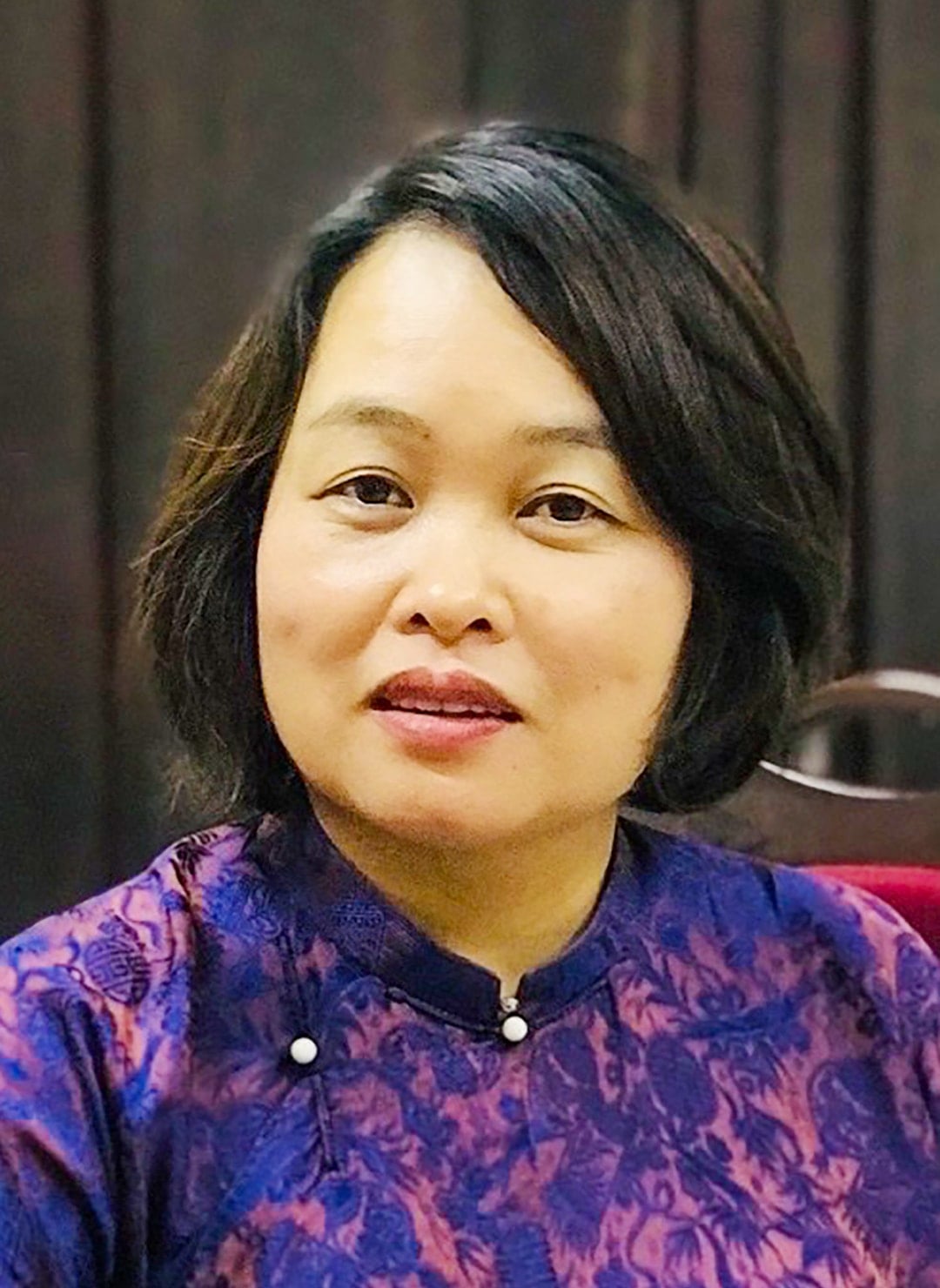
- Dear Associate Professor, Dr. Do Thi Thanh Thuy! Approaching the art market in the context of promoting the cultural industry today is an inevitable requirement, but also quite new to Vietnam. What is your assessment of this statement?
- The art market is an important component of the creative economy , the first core of the concept of "cultural industries". In Vietnam, in recent years, the Party and the State have had many policies and orientations on the development of cultural industries. Resolution No. 03-NQ/TW (5th Conference of the 8th Central Executive Committee) proposed "Economic policy in culture", "Cultural policy in economy"; Resolution 33-NQ/TW (9th Conference of the 11th Central Executive Committee) determined the goal of "building a healthy cultural market, promoting the development of cultural industries, and enhancing the promotion of Vietnamese culture"; The strategy for developing Vietnam's cultural industries to 2020, with a vision to 2030, has affirmed that the cultural industry is an important component of the national economy... It must be said that, through this, the general awareness of the whole society about the development of cultural industries has been significantly raised.
As one of the core nuclei of the cultural industry, the art market has a positive impact on socio-economic development, creating a value spillover effect, promoting innovation, contributing to the preservation and promotion of cultural identity, enhancing the "soft power" of the country in the context of globalization. The art market can generate direct revenue, while also helping to open up new markets, promoting supporting industries such as tourism , food and beverage, shopping, design, media, advertising, insurance, logistics, etc., making art also considered a part of the creative economy. It also creates livelihoods, improves the quality of life and promotes social integration.
In particular, this field is very important because it deeply affects the soul, mind, thinking, emotions and worldview of each person. We grow up with songs, melodies, poems, stories... The literary and artistic works that we love lead us into other worlds, at the same time creating cultural products and services about food, clothing, housing, transportation... that we consume and experience every day.
In recent years, the Vietnamese art market has been flooded with imported cultural products. Therefore, it is extremely important to identify, research, and perceive the movement of the domestic art market, thereby making appropriate policy interventions to enhance the internal strength of the domestic art market, while reaching out to conquer the world market, aiming to develop a sustainable, modern, and unique Vietnamese art market.
- Yes, most recently Resolution 57-NQ/TW “recognizes the potential and role of culture as an economic driver in the digital age”. In your opinion, how does this Resolution impact the art market and research on this market?
- Resolution No. 57-NQ/TW dated December 22, 2024 of the Politburo, although not directly mentioning the "art market", has raised awareness of the importance of building institutional foundations and digital infrastructure (data, digital platforms, legal frameworks on intellectual property, digital transactions, etc.), helping to orient the formation and expansion of online art transaction models, digital exhibitions, databases on works and artists. This simultaneously creates a new space for art market research with access to richer data sources, applying interdisciplinary research methods (combining art studies, economics, data science, law, etc.).
However, the process of digitalization and commercialization also poses the risk of increasing the level of commodification, standardization of aesthetics and concentration of power on large platforms, raising many critical questions about the autonomy and social role of art. Therefore, Resolution 57 both opens up opportunities for development and research of the art market, and raises the urgent need to approach this field with comprehensive, critical theoretical frameworks from many perspectives and approaches, including debates on "cultural and creative industries", cultural economics, art market...
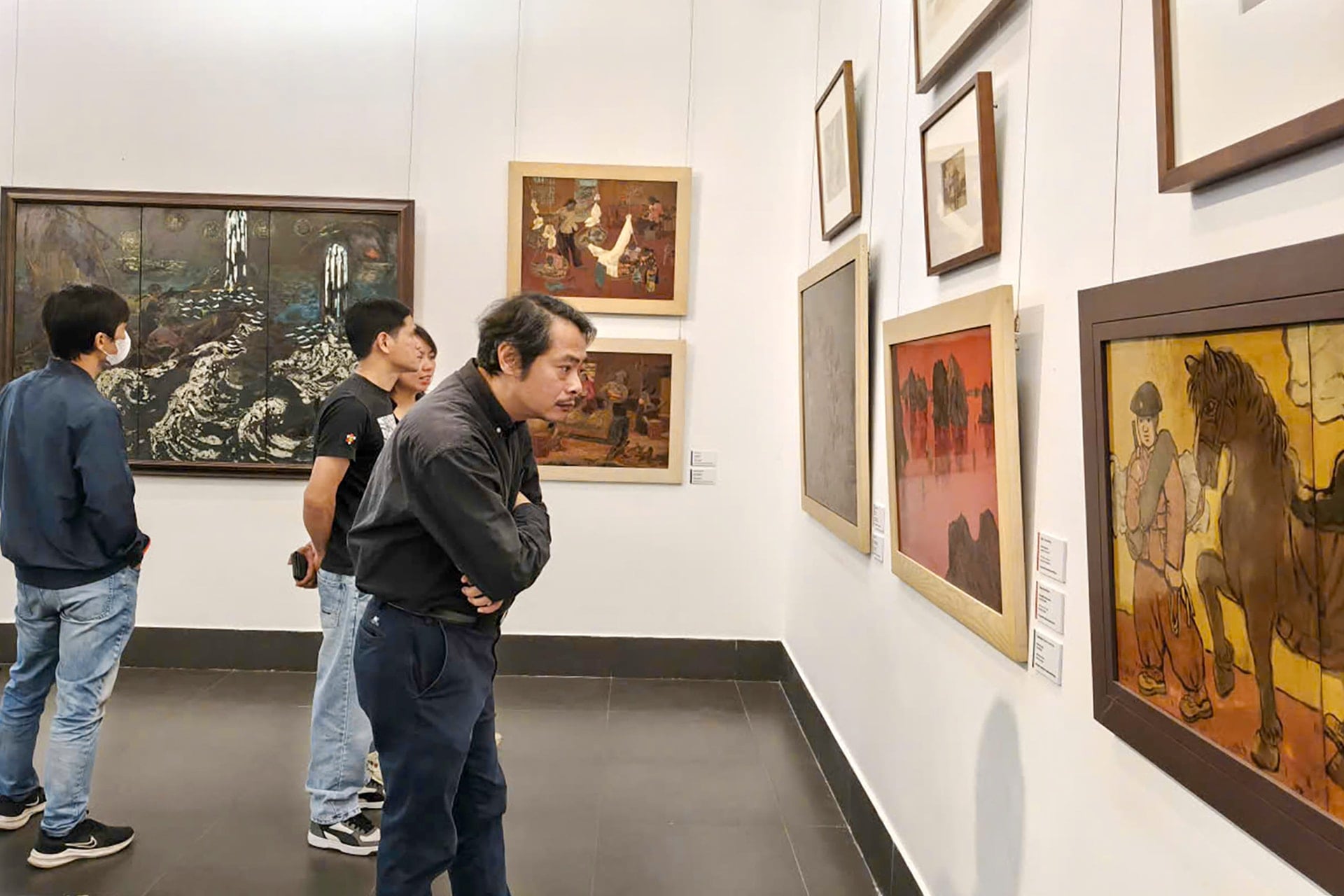
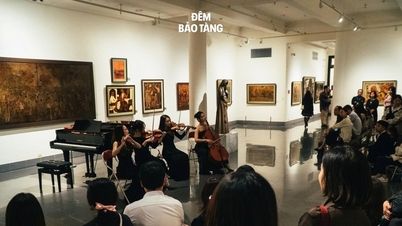
Visitors view the exhibition “100 years of modern art” at the Vietnam Fine Arts Museum. Photo: Vu Minh
- Approaching a new, complex problem will certainly have many difficulties, madam?
- Research on the art market is a very difficult and complex issue. The art market has similarities with the market for ordinary goods, but has its own characteristics. Art goods are different from ordinary economic goods in that they carry both cultural and economic values, but the relationship between these two values, although correlated, is not always similar. In many cases, artistic values can go hand in hand, integrate, and help promote economic values, but at the same time, in many other cases, cultural/artistic values can still have their own independence, so this is a complex, dynamic and imperfect relationship.
The risky and unpredictable nature of the market is also a matter of concern: Art market values can be greatly influenced by multi-dimensional interactions between public demand, taste, the power of intermediaries, social capital, symbolic capital, etc., rather than following transparent economic principles.
Art market research must stand at the intersection of theories, multidimensional epistemological reflections on art, politics and commerce... with many problems such as value and price, artistic logic and economic logic, the movement of the value chain in the context of digitalization and science and technology, the complexity of the creative ecosystem...
- From the initial research results of the topic in 3 fields: Painting, cinema and organization of live music programs and events, can you predict the development trends of these fields?
- The Vietnamese art market is a very potential market, full of dynamism and vitality. Currently, Vietnam owns a large domestic market with more than 100 million people, 50% of the Vietnamese population is under 40 years old, born in the post-war period, this is the public with strong consumer tendencies, placed in the context of an increasingly innovative business environment.
Furthermore, many young talents, capable of digitalization, global connectivity and passion for production and business of cultural and artistic products and services, have emerged, becoming an important human resource for the development of the domestic art market. The art ecosystem is also expanding rapidly, with cultural infrastructure and professional networks increasingly being improved.
I believe that with the convergence of economic, political and cultural factors, the addition and completion of correct mechanisms and policies, the improvement of the quality and effectiveness of state management, the establishment and synchronization and connection between components, structures and value chains, the Vietnamese art market will soon rise strongly in the near future.
Thank you very much!
Source: https://hanoimoi.vn/pgs-ts-do-thi-thanh-thuy-thi-truong-nghe-thuat-viet-nam-se-som-troi-day-manh-me-725994.html


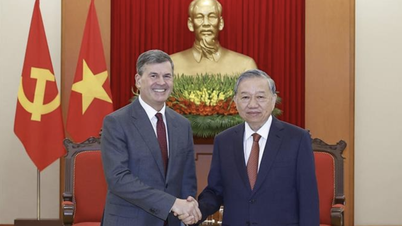
![[Photo] General Secretary To Lam receives the Director of the Academy of Public Administration and National Economy under the President of the Russian Federation](/_next/image?url=https%3A%2F%2Fvphoto.vietnam.vn%2Fthumb%2F1200x675%2Fvietnam%2Fresource%2FIMAGE%2F2025%2F12%2F08%2F1765200203892_a1-bnd-0933-4198-jpg.webp&w=3840&q=75)






























































Comment (0)