Lotus, scientifically known as Nelumbo nucifera , is a perennial herbaceous plant that lives in aquatic environments. A unique feature of this plant is that almost every part can be used: the stem and roots (lotus tubers) are used in cooking; the leaves, flowers, and seeds are used in products such as tea, powder, capsules, and extracts. Of these, the lotus tuber is the most commonly used part in traditional cuisine and medicine.
- 1. Lotus root supports cardiovascular health.
- 2. Enhances digestive system function
- 3. Contributes to reducing the risk of birth defects.
- 4. Helps reduce symptoms of allergies and hay fever.
- 5. Supports oral health
Lotus root is the rhizome that grows underground in the mud. It has a crisp texture, a mildly sweet taste, and is easy to prepare. Nutritionally, lotus root provides many essential micronutrients, notably potassium, folate, vitamin C, and fiber. This combination makes lotus root considered a food that supports overall health when included in a regular diet.
Here are the health benefits of lotus root:
1. Lotus root supports cardiovascular health.
One of the notable benefits of lotus root is its role in cardiovascular health. The potassium content in lotus root can help support blood pressure control, especially in those prone to hypertension. Potassium helps balance sodium levels in the body, thereby supporting the maintenance of stable blood pressure.
In addition, lotus root provides folate and vitamin C – two micronutrients known to play a role in preventing heart disease. Folate participates in the metabolism of homocysteine, a factor associated with cardiovascular risk when elevated in the blood. Vitamin C, with its antioxidant properties, helps protect blood vessel walls from damage.
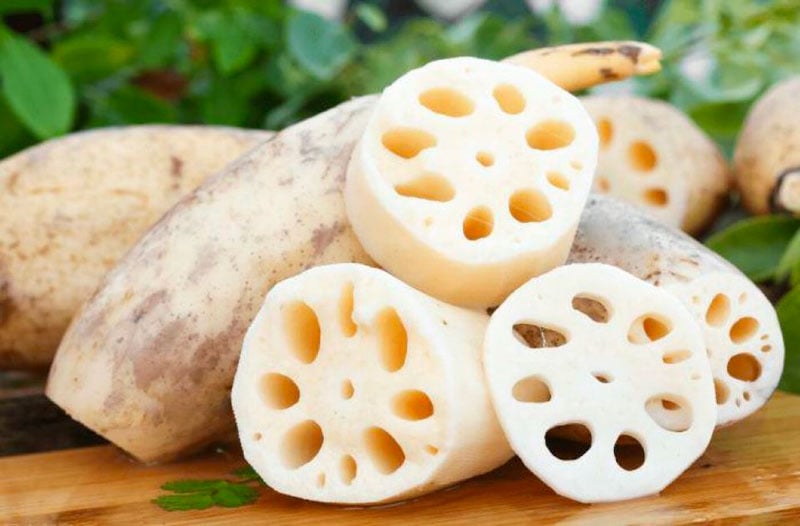
Lotus root is a food that supports overall health.
2. Enhances digestive system function
Lotus root, rich in fiber, is highly valued for its benefits to the digestive system. Adding lotus root to your diet can help soften stool and increase stool bulk, thereby supporting smoother bowel movements.


In particular, lotus root is rich in soluble fiber – a type of fiber that can absorb water and form a gel in the intestines. This mechanism helps food move easily through the digestive system and contributes to maintaining stable intestinal function. Therefore, lotus root is considered a suitable food for people who need to improve digestive function through their diet.
3. Contributes to reducing the risk of birth defects.
Another important benefit of lotus root relates to reproductive health and pregnancy. Lotus root is rich in essential micronutrients, with folate playing a key role in fetal development.
Experts note that women of reproductive age need to ensure they get enough folate to reduce the risk of birth defects, especially neural tube defects – a group of defects commonly seen in the early stages of pregnancy. Supplementing with folate-rich foods, including lotus root, is considered part of a diet that supports a healthy pregnancy.

Lotus root contains many essential micronutrients, among which folate plays a key role in fetal development.
4. Helps reduce symptoms of allergies and hay fever.
Some evidence suggests that adding lotus root powder to the diet may offer benefits for allergic conditions, including hay fever (seasonal allergic rhinitis). Previous studies on lotus root have noted promising anti-inflammatory effects.
These effects are thought to be related to its ability to reduce inflammatory responses such as redness – manifestations that can occur when the body reacts to allergens. While more research is needed to clarify the mechanism and extent of effectiveness, initial results suggest that lotus root has potential in supporting allergy symptom management through diet.
5. Supports oral health
Lotus root is also known to play a certain role in oral health. The natural antibacterial compounds in lotus root can inhibit the growth of bacteria that cause tooth decay and gum infections.



Incorporating lotus root into a varied diet may contribute to maintaining a healthy oral environment, in addition to regular oral hygiene practices.
Lotus root is available year-round and easily found in many areas of Asia, including Vietnam. With its crisp texture, refreshing taste, and versatile uses, lotus root can be incorporated into a variety of dishes – from everyday meals to functional foods – maximizing its nutritional value. Thanks to its diverse micronutrient content and documented health benefits, lotus root is not only a familiar culinary ingredient but also a noteworthy food in the context of growing interest in nutrition and natural medicine.
Please watch the video for more information:
Source: https://suckhoedoisong.vn/5-loi-ich-suc-khoe-cua-cu-sen-16926020319364091.htm