

1. Why is it important to protect blood vessels?
- 1. Why is it important to protect blood vessels?
- 2. Some soups help protect blood vessels.
As we age, the risk of developing many vascular diseases increases due to aging blood vessels, thickening of arteries, atherosclerosis, increased stiffness of vessel walls; and endothelial dysfunction leading to reduced elasticity of blood vessels.
Vascular aging is also associated with many common underlying conditions in the elderly, such as hypertension, diabetes, and lipid metabolism disorders, which worsen vascular damage if left uncontrolled. Therefore, protecting blood vessels in the elderly is extremely important and can help manage many dangerous conditions such as stroke, myocardial infarction, heart failure, reduce the risk of vascular dementia, and improve quality of life.
According to Traditional Chinese Medicine, old age corresponds to the aging stage of the body, at which point many problems appear such as liver and kidney deficiency, qi stagnation and blood stasis, qi and blood deficiency, spleen deficiency and phlegm stagnation... These problems can lead to conditions such as loss of blood vessel elasticity, poor blood circulation, vascular blockage, dizziness and fatigue... corresponding to the aging of blood vessels according to modern medicine.
Traditional Chinese medicine also offers many medicinal dishes that promote health, support blood circulation, invigorate qi, nourish the liver and kidneys, and help protect blood vessels in the elderly.
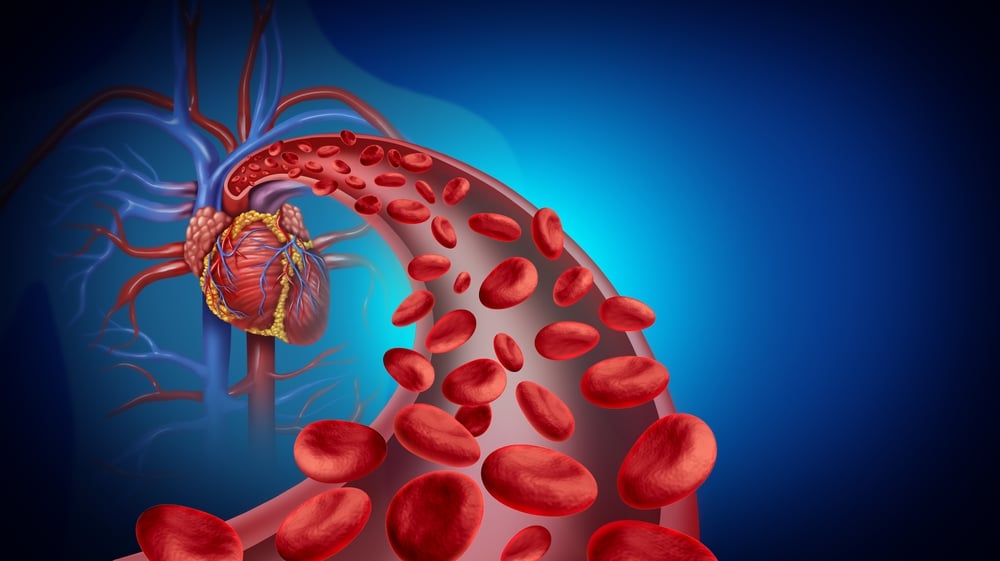
Healthy blood vessels help prevent dangerous cardiovascular diseases.
2. Some soups help protect blood vessels.
2.1 Celery soup with meatballs
Making:
- Minced lean meat is mixed with a little white pepper and onion, then rolled into small balls.
- Bring water to a boil, then add the meatballs.
- When the meat is cooked and floats to the surface, add the celery cut into 3-4 cm pieces.
- Season lightly.
Celery is a heart-healthy vegetable. Apigenin in celery helps prevent high blood pressure and dilates blood vessels. In addition, celery can lower blood cholesterol, aid in weight loss, and regulate blood pressure.
According to Traditional Chinese Medicine, celery has the effect of calming the liver, helping to lower blood pressure, reduce headaches and dizziness, and support the treatment of insomnia and arteriosclerosis. Celery and meatball soup is a delicious, low-salt dish that can improve blood circulation, which is very beneficial for the blood vessels of the elderly.
2.2 Tomato and water spinach soup
Making:
- Sauté the tomatoes in very little oil to extract the color.
- Add water and bring to a boil.
- Soak the king's vegetable (rau tiến vua) and then chop it finely before adding it to the soup.
- You can add one beaten egg.
Both tomatoes and water spinach are good foods for blood vessels. Tomatoes are excellent for cardiovascular health due to their high content of lycopene, potassium, and antioxidants, which help lower blood pressure and bad cholesterol, prevent atherosclerosis, and reduce the risk of stroke and heart attack.
Furthermore, regular consumption of king's vegetable (rau tiến vua) has been shown to reduce the risk of cardiovascular diseases such as heart attacks, myocardial infarction, strokes, and cerebral ischemia. Therefore, tomato and king's vegetable soup is a refreshing and easy-to-eat dish, very suitable for the elderly who want to improve their vascular health.
2.3 Broccoli and soft tofu soup

Making:
- Separate the broccoli into florets and blanch quickly to preserve its color.
- Boil water with sliced ginger, then add the diced soft tofu.
- Add the broccoli and cook for 2-3 minutes.
- Season lightly.
According to Traditional Chinese Medicine, broccoli has a slightly sweet taste, a cooling nature, and acts on the spleen and stomach meridians. It helps with digestion, strengthens immunity, prevents cancer, and protects cardiovascular health.
Broccoli is very good for blood vessels because it contains fiber, potassium, sulforaphane, and vitamin K, which help lower bad cholesterol and triglycerides, prevent atherosclerosis, reduce calcium buildup, dilate blood vessels, stabilize blood pressure, and protect the cardiovascular system from oxidative damage.
Broccoli and soft tofu soup is a light and refreshing dish with antioxidant properties, making it very good for the blood vessels of the elderly.
2.4 Spinach and Shiitake Mushroom Soup
Making:
- Soak the shiitake mushrooms, then slice them into strips.
- Boil water with mushrooms for 5-7 minutes.
- Add the spinach and cook quickly for 1-2 minutes.
- Season lightly with a few drops of olive oil.
Spinach is a highly nutritious vegetable. According to Traditional Chinese Medicine, it has a sweet taste and a cooling nature, with effects such as clearing heat, promoting urination, cleansing the liver, nourishing blood, and lubricating the intestines. It can be used to support the treatment of diabetes and hypertension.
Studies show that spinach is very good for blood vessels because it is rich in nitrates which help blood vessels dilate, improving circulation; it contains antioxidants, potassium, magnesium which help regulate blood pressure, and Vitamin K which prevents arterial calcification, helping to protect blood vessel walls, reducing the risk of atherosclerosis and hypertension.
In addition, shiitake mushrooms also help reduce bad cholesterol, prevent the formation of atherosclerotic plaque, stabilize blood pressure, and improve blood circulation. Spinach and shiitake mushroom soup is a sweet and refreshing dish that helps protect blood vessels and is very suitable for elderly people with high blood pressure.
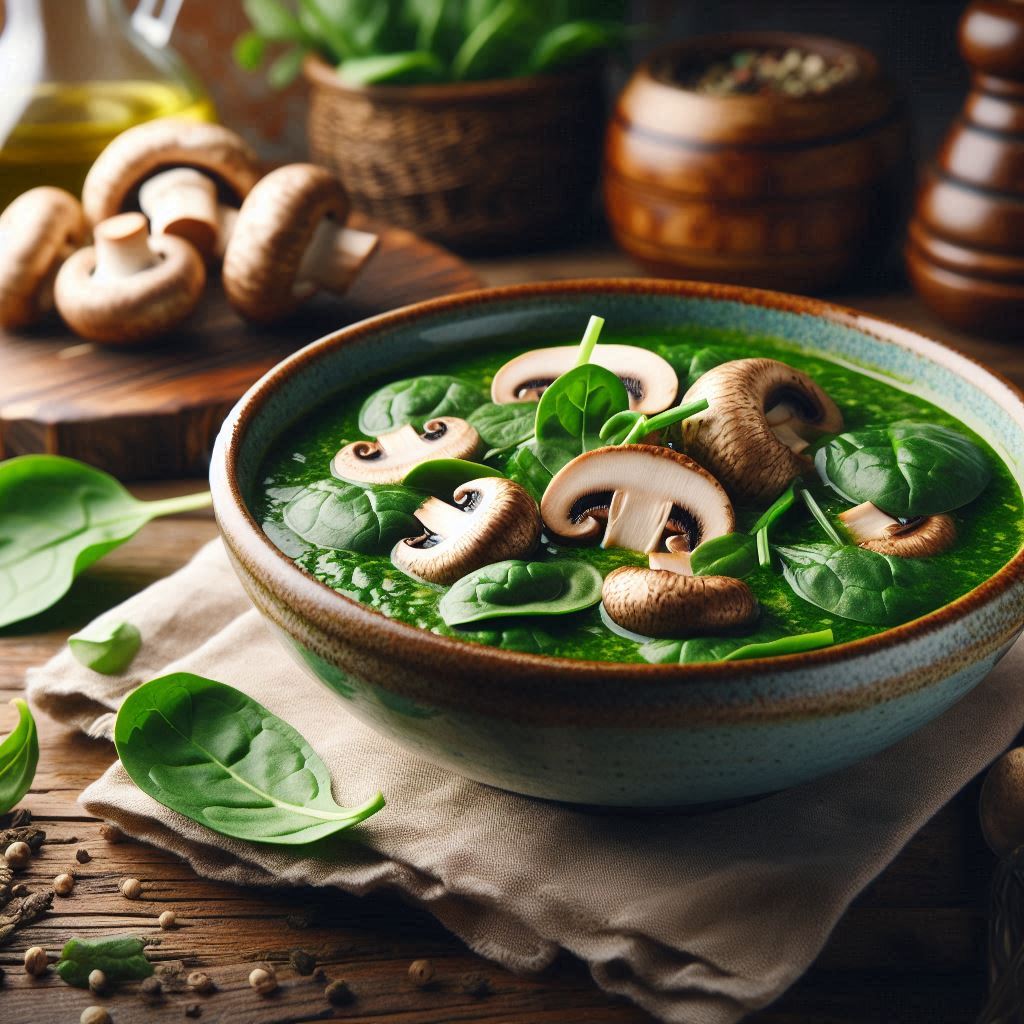
Spinach and shiitake mushroom soup is nutritious and helps dilate blood vessels.
2.5 Sweet potato, ginger, and bone broth
Making:
- Simmer the bone broth for 30-45 minutes, then strain to obtain a clear liquid.
- Cut the sweet potatoes into small cubes and cook until tender.
- Add a few slices of ginger and season lightly.
In Traditional Chinese Medicine, sweet potatoes have a sweet taste and neutral nature, acting on the spleen and kidney meridians. They are believed to nourish deficiency, replenish qi, strengthen the body, invigorate the spleen and stomach, lubricate the intestines, and nourish kidney yin. They can be used to treat various ailments such as constipation, insufficient milk production, mastitis, motion sickness, night blindness, and to support the treatment of diabetes and cardiovascular diseases.
Ginger is also a valuable medicinal herb in Traditional Chinese Medicine, with the effect of dispelling cold and warming the body. Sweet potatoes are rich in fiber, potassium, magnesium, and antioxidants such as anthocyanins, which help lower bad cholesterol, regulate blood pressure, prevent blood clots, and protect blood vessels, thereby reducing the risk of cardiovascular disease and stroke.
Studies have also shown that ginger can protect against coronary heart disease, high blood pressure, diabetes, hyperlipidemia, and cerebrovascular disease. Sweet potato, ginger, and bone broth is an easy-to-eat, low-fat dish that is very good for elderly people with weak blood vessels.
Source: https://suckhoedoisong.vn/5-mon-canh-giup-bao-ve-mach-mau-169251215150952779.htm




























































































Comment (0)