Vitamin C is one of the essential micronutrients for the development of young children. Since the body cannot synthesize or store large amounts of vitamin C on its own, children need to receive this nutrient daily through their diet.
Choosing foods rich in vitamin C not only helps prevent deficiencies but also contributes to improving children's overall health.
The benefits of vitamin C for young children
According to the U.S. National Institutes of Health (NIH), vitamin C is involved in the formation of collagen – a protein essential for the development of skin, bones, cartilage, ligaments, and blood vessels. It is also a nutrient that supports wound healing and maintains the normal growth of tissues in the body.
Vitamin C is also known for its role in boosting immunity. Adequate vitamin C intake helps immune cells function more effectively, thereby supporting the body in fighting off pathogens.
In addition, vitamin C is a powerful antioxidant that helps protect cells from damage caused by free radicals. This nutrient also contributes to increased iron absorption from plant-based foods, thereby reducing the risk of iron-deficiency anemia – a fairly common condition in children.
According to NIH recommendations, the daily vitamin C requirement is:
- Children aged 1-3 years: approximately 15 mg
- Children aged 4-8 years: approximately 25 mg
- Children aged 9-13 years: approximately 45 mg
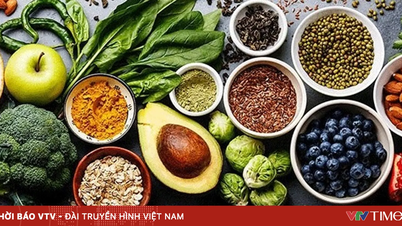
Most of the required vitamin C intake can be met through a diet rich in green vegetables and fresh fruits.
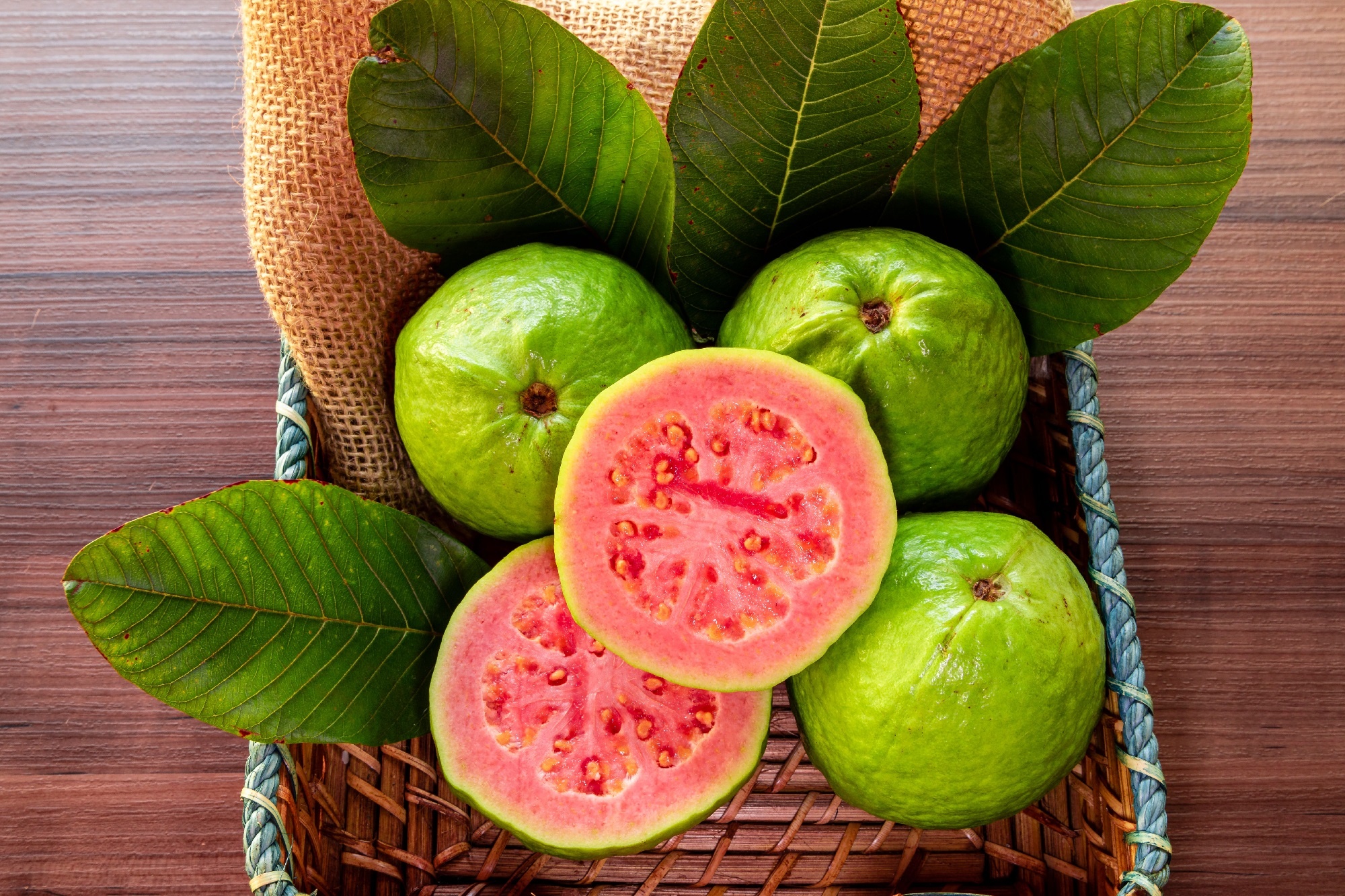 |
Guava is one of the foods very rich in vitamin C, and it's delicious, sweet, and easy for young children to eat. Photo: Shutterstock. |
What foods are high in vitamin C?



Many common foods contain abundant amounts of vitamin C and are suitable for young children if prepared properly.
Guava
According to the U.S. Department of Agriculture (USDA), 100g of guava contains approximately 228mg of vitamin C, about 2-3 times more than oranges. The vitamin C in guava helps boost the immune system, supports collagen formation, promotes wound healing, and increases iron absorption from plant sources. Ripe, soft guavas can be chopped and given to children to eat directly or made into smoothies.
Kiwi
Kiwi is also one of the fruits very rich in vitamin C. 100g of kiwi contains about 92-93mg of vitamin C, and also provides fiber, potassium, vitamin E, and folate.
The combination of vitamin C and antioxidants helps support the immune system, while the abundant fiber contributes to improved gut health. With its naturally sweet and sour taste and soft flesh, kiwi is a suitable choice to add to children's snacks.
Strawberry
Strawberries are a favorite fruit among many children due to their sweet and refreshing taste. Each 100g of strawberries provides approximately 58-59mg of vitamin C, meeting a significant portion of a child's daily needs.
Besides vitamin C, strawberries also contain plenty of anthocyanins – antioxidant compounds that give the fruit its characteristic red color – along with fiber that is beneficial for the digestive system.
Orange
Oranges have long been considered a symbol of vitamin C. According to the U.S. National Institutes of Health (NIH), a medium-sized orange can provide about 70 mg of vitamin C, enough to meet most of the daily needs of many young children.
Besides vitamin C, oranges also contain potassium, folate, and flavonoid compounds with antioxidant properties. Parents should prioritize giving children fresh oranges instead of just juice to take advantage of the natural fiber in the fruit's segments.



Broccoli
Broccoli is also a food that nutritionists recommend including regularly in children's diets. Each 100g of broccoli contains approximately 89mg of vitamin C, and also provides vitamin K, folate, and fiber.
Broccoli is one of the most nutritious vegetables, providing essential vitamins, minerals, and antioxidants necessary for children's healthy development. To minimize vitamin C loss, it should be steamed or stir-fried quickly instead of being cooked for too long.
Source: https://znews.vn/5-thuc-pham-chua-luong-vitamin-c-doi-dao-post1665487.html