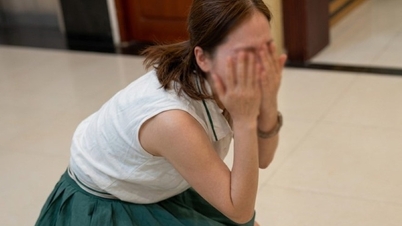
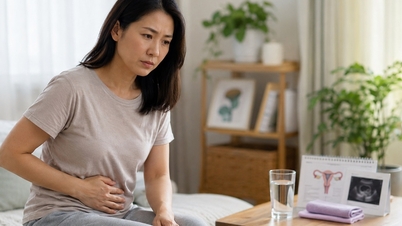
Feeling anxious about certain events or situations is a common human psychological reaction. However, for people with anxiety disorders, feelings of fear and anxiety often appear with greater intensity, are prolonged, and exceed normal levels of control.
- 1. Aromatherapy helps reduce anxiety.
- 2. Maintain social connections.
- 3. Running and physical activity help relieve negative emotions.
- 4. Avoid unhealthy habits.
- 5. Practice breathing exercises.
- 6. Doing things you enjoy fosters positive emotions.
Anxiety is not just an emotional state; it is accompanied by a range of physical, behavioral, and cognitive stressors. People with anxiety disorders may feel restless, tense, tired, have difficulty concentrating, or be easily irritated.
According to estimates by the World Health Organization (WHO), approximately 4.4% of the global population currently suffers from anxiety disorders. Alarmingly, if this condition is not identified and addressed appropriately, the risk of developing other mental health problems and unhealthy lifestyles increases, including depression, substance abuse, and self-harming thoughts and behaviors.
In reality, anxiety attacks often occur unexpectedly, at any time when individuals feel threatened, pressured, or agitated by unfavorable situations in life. In the face of these feelings of fear, stress, and discomfort, applying simple, natural methods can help soothe the mind and support more effective anxiety management.
1. Aromatherapy helps reduce anxiety.
Aromatherapy has long been used to improve mood and help reduce anxiety symptoms. Certain natural scents have a calming effect on the nervous system, thereby helping the body relax and balance emotions.
Scents like lavender or rosemary are often noted for their ability to create a sense of well-being, relieve stress, and promote a more stable mental state. Exposure to these scents in living spaces or during relaxation can help reduce feelings of anxiety during stressful times.
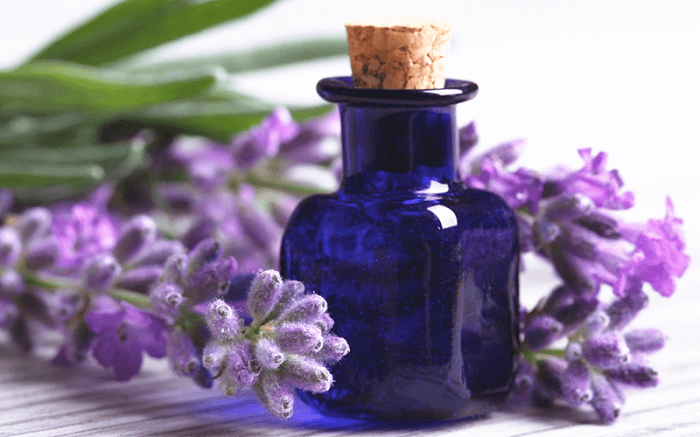
Aromatherapy treatments like lavender can help reduce anxiety and stress.
2. Maintain social connections.
Staying in touch with colleagues, friends, and family is one of the most effective ways to reduce anxiety during stressful times. Positive social relationships play a crucial role in providing mental support, especially when individuals are facing pressure or difficulties.



Activities shared with friends or family not only help people relax but also contribute to reducing stress levels. Furthermore, sharing thoughts and feelings with trusted individuals helps people gain a clearer perspective on problems and find appropriate solutions.
3. Running and physical activity help relieve negative emotions.
While exercise cannot completely eliminate stress, physical activity has been shown to reduce the intensity of negative emotions. Running, in particular, is a simple, easy-to-do form of exercise that offers numerous benefits for mental health.
Maintaining a regular exercise routine helps release excess energy, calm the mind, and support individuals in facing problems more calmly and effectively. When the body is regularly active, feelings of anxiety and restlessness tend to lessen.
4. Avoid unhealthy habits.
During stressful times, some people tend to turn to alcohol or tobacco as a temporary relief. However, experts warn that these habits can worsen anxiety.
Substance abuse often negatively impacts sleep, disrupts the body's circadian rhythm, and increases anxiety the following day. Therefore, avoiding unhealthy habits is a crucial step in managing anxiety and protecting long-term mental health.
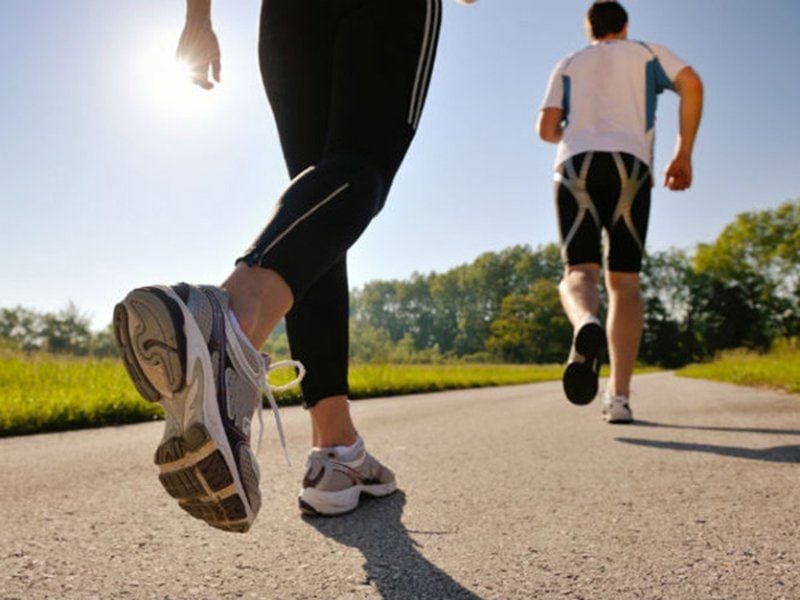
Running and physical activity help relieve negative emotions.
5. Practice breathing exercises.
Breathing exercises are considered one of the simplest yet most effective methods to help the body enter a relaxed state. When performed correctly, deep breathing can calm the nervous system and reduce anxiety symptoms in the short term.
Experts recommend taking deep breaths through your nose, holding your breath for four counts, then exhaling slowly through your mouth for four counts. Repeating this cycle until you feel calmer can help manage anxiety during periods of high stress.



6. Doing things you enjoy fosters positive emotions.
Spending time on favorite activities is an effective way to reduce anxiety during stressful periods. When individuals allow themselves to relax without feeling guilty, their bodies can release endorphins – chemicals that naturally improve mood.
Activities that bring joy, even simple ones, contribute to a feeling of well-being, helping the mind to relax and regain balance. This is a crucial factor in maintaining mental health amidst a stressful lifestyle.
Please watch the video for more information:
Source: https://suckhoedoisong.vn/6-cach-don-gian-giup-giam-lo-au-cang-thang-169260131215903089.htm