1. Benefits of pollen according to traditional medicine
Pollen is a mixture of male spores from the stamens of plants, collected by worker bees and mixed with nectar, enzymes, and secretions. Pollen is also known as bee pollen, bee pollen, or bee pollen powder.
According to traditional medicine, bee pollen has a sweet taste and neutral properties, and is used to nourish and strengthen the body, replenish qi and blood, and tonify the kidneys and regulate semen. It is a commonly used medicinal herb for cases of heart and spleen weakness, and kidney essence deficiency, manifested by symptoms such as fatigue, restlessness, irritability, dizziness, insomnia, forgetfulness, poor appetite, decreased libido, back pain, knee pain, impotence, nocturnal emissions, premature ejaculation, frequent nighttime urination, infertility, and early menopause.
Furthermore, the Shen Nong Materia Medica suggests that long-term use of bee pollen can make the body feel lighter, increase vitality, promote youthfulness, and prolong life.
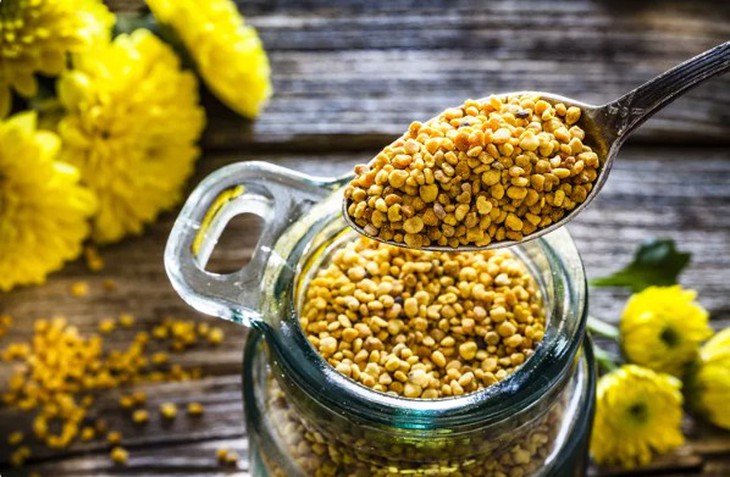
Bee pollen is often used for fatigue, poor appetite, insomnia, and other related conditions.
2. Benefits of pollen according to modern medicine
2.1 Bee pollen has antibacterial properties: Bee pollen contains flavonoids and phenolic acids, which can protect against several types of harmful bacteria such as Staphylococcus aureus, Escherichia coli, and Klebsiella pneumoniae, as well as the fungus Candida albicans. Bee pollen can help reduce gum inflammation and maintain the natural levels of beneficial bacteria in the mouth, which is why bee pollen is sometimes added to natural oral care products such as toothpaste.
2.2. May reduce uric acid levels: Uric acid is a waste product created when the body breaks down purines, naturally occurring compounds found in certain foods and beverages such as meat, seafood, and alcohol. High uric acid levels in the body, leading to hyperuricemia, can cause joint pain. Although studies are limited, pollen has shown that it may reduce uric acid levels by inhibiting enzymes that break down purines into uric acid, including xanthine oxidase (XO).
2.3. Supports Immune System Enhancement: Bee pollen has anti-inflammatory and antioxidant properties, and provides essential nutrients for immune function, so consuming this medicinal substance can support a healthy immune response. In addition, pollen contains vitamin C, which is essential for immune health, including the function of neutrophils (white blood cells that protect the body from infection and heal wounds).
Furthermore, plant compounds in pollen, such as flavonoids and carotenoids, may also support the immune response and overall health by fighting inflammation and supporting cellular function.


2.4 Potential for Brain Health Support: The effects of pollen on cognitive health are not yet fully understood. However, studies in rodents suggest that antioxidants in pollen, such as quercetin, luteolin, and apigenin, may improve memory and protect against cognitive dysfunction. This is because these compounds reduce inflammation in the brain, impacting signaling networks, neurotransmitters, and proteins.
Furthermore, pollen can increase brain-derived neurotrophic factor (BDNF), a protein essential for brain function, including learning and memory.
2.5 Pollen helps improve symptoms of prostatitis: Prostatitis is a fairly common condition in men, often causing pain or discomfort in the lower abdomen, along with a frequent urge to urinate. Some studies show that pollen may help improve these symptoms due to its anti-inflammatory properties.
In a US study, people who used bee pollen combined with vitamin B for 3 months showed better improvement in prostatitis symptoms compared to the group using bromelain – an enzyme with anti-inflammatory effects. Researchers suggest that bee pollen helps reduce inflammation in the body, thereby contributing to reduced discomfort and improved quality of life for patients.
2.6 Provides a wealth of vitamins and minerals: Pollen is rich in nutrients and contains many vitamins such as vitamins A, D, E, B1, B2, B6, C and minerals such as calcium, magnesium, phosphorus, potassium, zinc, copper, manganese, iron, and selenium. A 2-tablespoon serving of pollen provides 16% of the daily value (DV) for vitamin C and 12% of the daily value for iron. Vitamin C is essential for immune function and skin health. Iron is necessary for oxygen transport, growth, energy production, hormone synthesis, and nerve development.
2.7 A Good Source of Antioxidants: Pollen contains antioxidants, including flavonoids, carotenoids, and polysaccharides. Antioxidants protect cells from damage by neutralizing highly reactive substances called free radicals. When free radical levels exceed the body's antioxidant defenses, it can lead to oxidative stress, which is associated with tissue damage and chronic inflammation. Adding antioxidant-rich foods like pollen to your diet may help protect against health problems associated with oxidative stress, including certain cancers and heart disease.
In addition to these notable benefits, pollen contains anti-inflammatory compounds that can improve hormone-related symptoms; protect cardiovascular health; support metabolic health; and protect liver health by reducing fat accumulation in the liver.
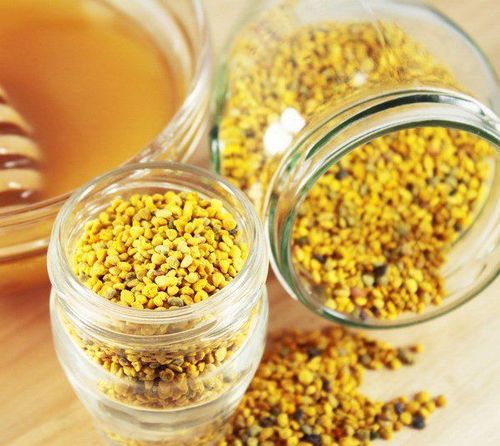
Pollen is a rich source of antioxidants.
3. What are the risks of improper pollen consumption?



Bee pollen is generally considered safe when used in appropriate amounts for up to 30 days. However, bee pollen is not safe for everyone, especially pregnant women, due to its potential to stimulate uterine contractions. Additionally, it is unclear whether bee pollen is safe for breastfeeding mothers, so its use should be avoided in this case.
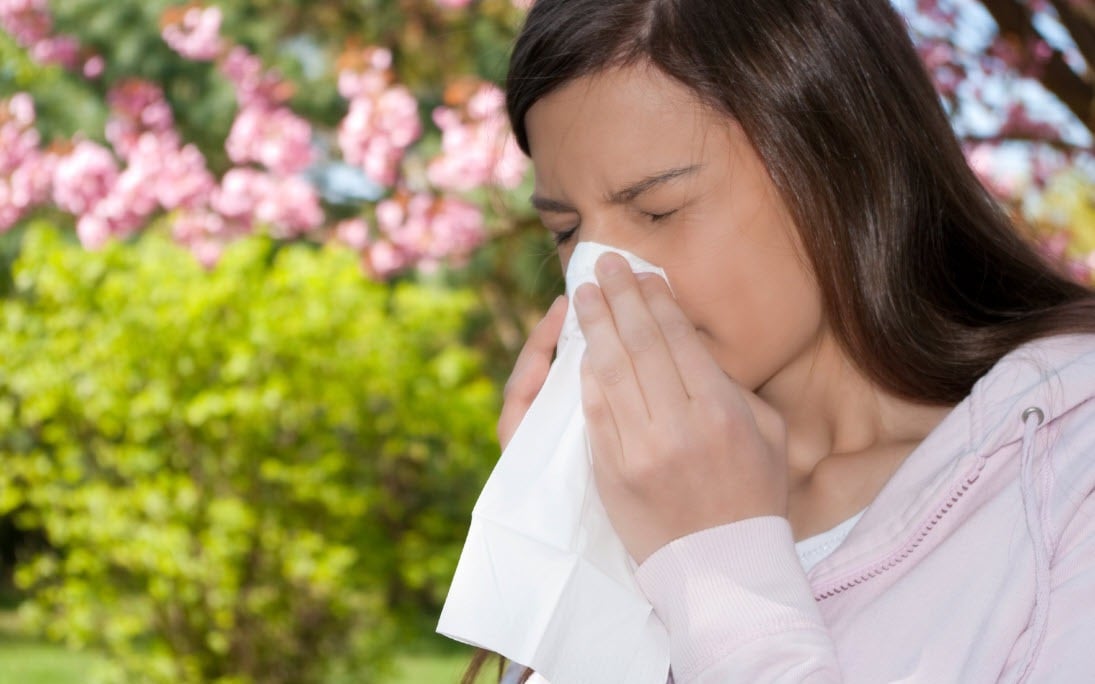
People who are allergic to pollen or bee stings should avoid eating pollen as it can trigger an allergic reaction.
Pollen is generally well tolerated. In rare cases, it can cause serious side effects such as acute hepatitis, allergic reactions, and kidney failure. Therefore, if you want to use pollen safely, you should consult a doctor before use.
Source: https://suckhoedoisong.vn/7-loi-ich-tiem-nang-cua-phan-hoa-169260619154748832.htm