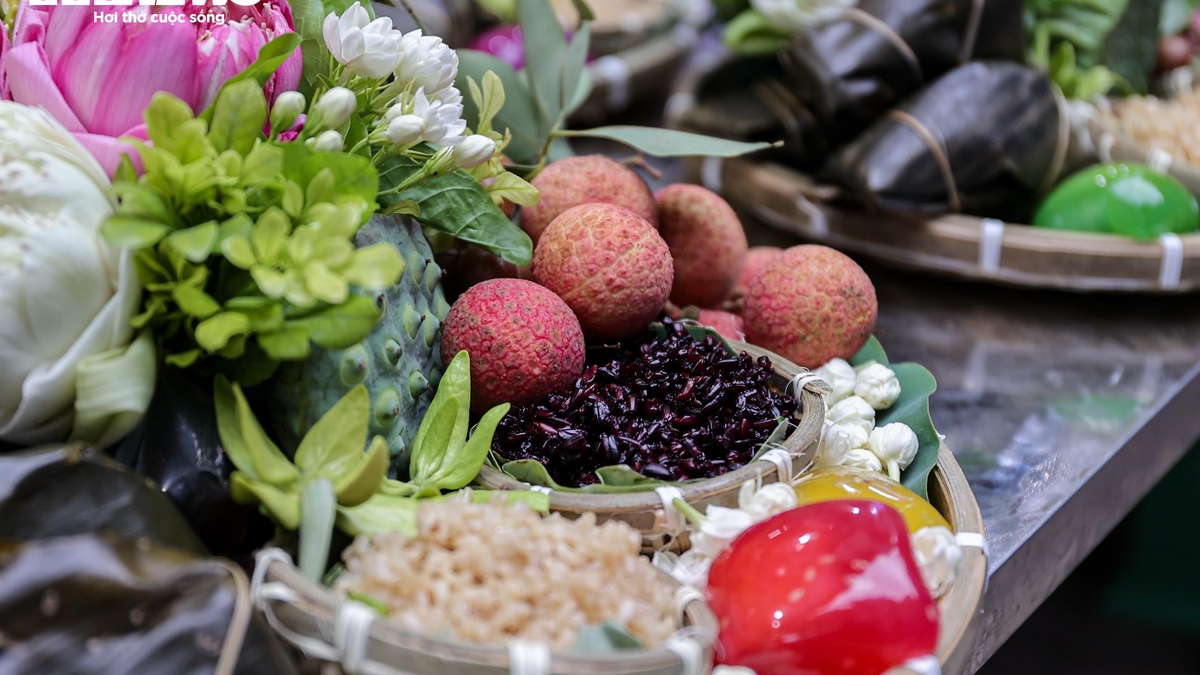
Unlike the Vietnamese glutinous rice dumplings made with lye water, the zongzi (Chinese zongzi) are larger, with a richer filling and more flavorful seasoning. The basic ingredients include glutinous rice, shiitake mushrooms, pork or pork fat, combined with salted duck eggs, dried shrimp, mung beans, lotus seeds, chestnuts, or Chinese sausage. What's special is that each Chinese community has its own way of preparing them, creating a diverse range of flavors.

The ingredients for making zongzi (rice dumplings) are quite diverse.
Cantonese people typically use mung beans, pork, Chinese sausage, and glutinous rice mixed with garlic oil and just the right amount of seasoning, creating a delicious yet not overly strong-flavored pastry. Meanwhile, Fujian-style pastries are distinguished by their dark brown color due to the glutinous rice being marinated in soy sauce and five-spice powder before wrapping. The filling often includes chestnuts, dried shrimp, salted egg yolks, and even abalone, giving them a rich and distinctive flavor.
For the Teochew people, zongzi (rice dumplings) are a delightful blend of savory and sweet flavors. Besides meat, shiitake mushrooms, and dried shrimp, the fillings often include taro, red beans, or lotus seeds, creating a unique rich and creamy taste. Hainan zongzi, on the other hand, are impressive for their enormous size, with the glutinous rice stir-fried with black pepper and soy sauce before wrapping.
Despite their many variations, all types of zongzi (rice dumplings) share the common characteristic of a fragrant, chewy outer layer and a generous filling inside, symbolizing abundance and prosperity.

The art of wrapping dumplings reflects the identity of the Chinese community.
The art of wrapping cakes carries its own unique identity.
Besides the differences in flavor, zongzi (rice dumplings) also showcase their unique characteristics through their shape. People in Fujian often wrap them in a triangular shape, people in Teochew wrap them in a pyramidal shape, while people in Guangdong prefer long or stylized square shapes.

The person wrapping the cakes also pays great attention to detail to ensure they are both beautiful and delicious.
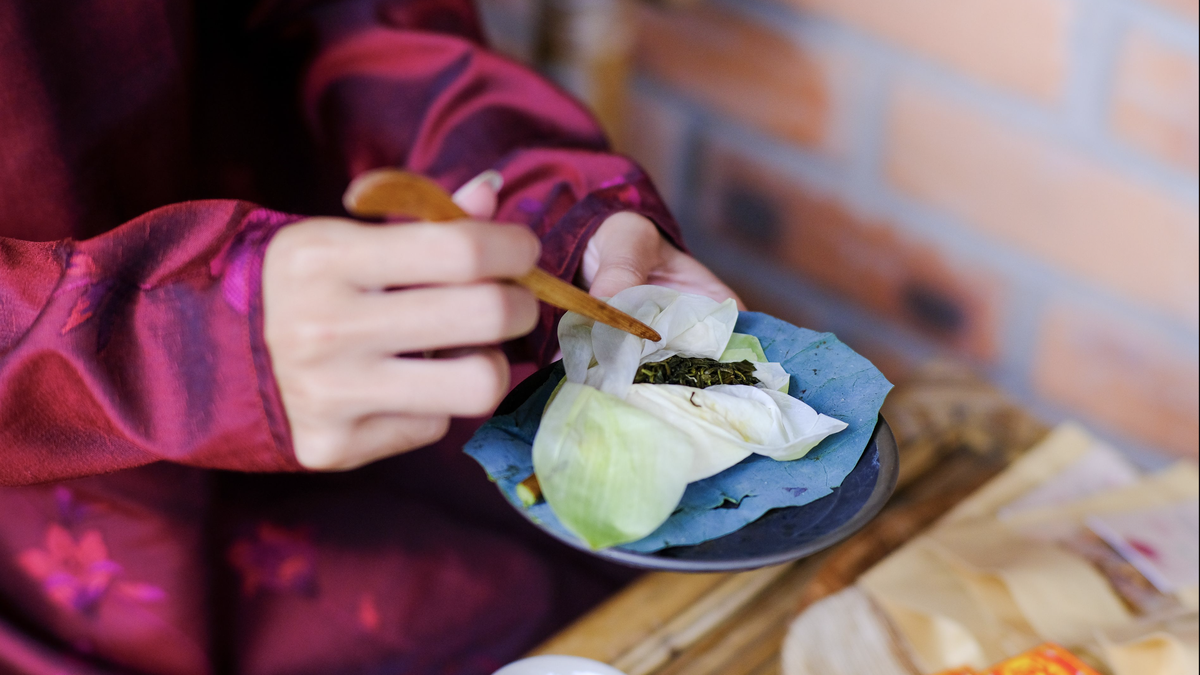
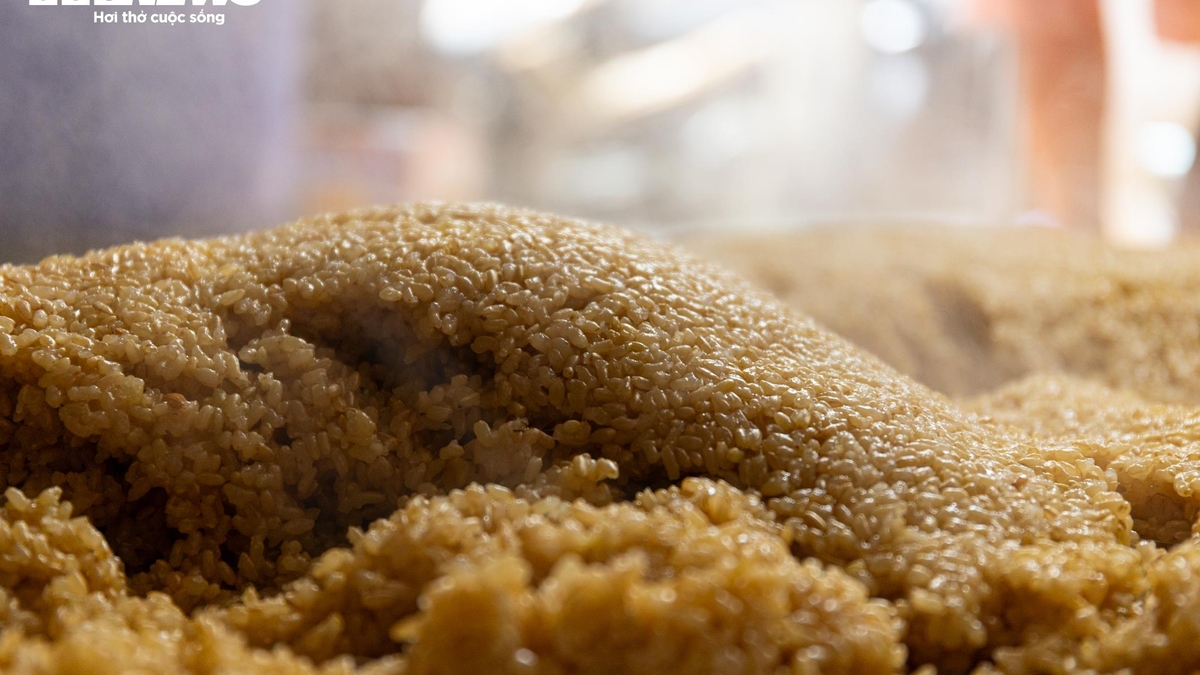
Before wrapping, the glutinous rice and beans are soaked overnight with herbs to ensure the rice grains swell evenly, become soft and pliable, and absorb the flavors. This is an elaborate preparation process, requiring meticulousness and skill from the baker. Therefore, wrapping the cakes is not only a food preparation process but also an opportunity for family members to gather, share experiences, and preserve tradition.



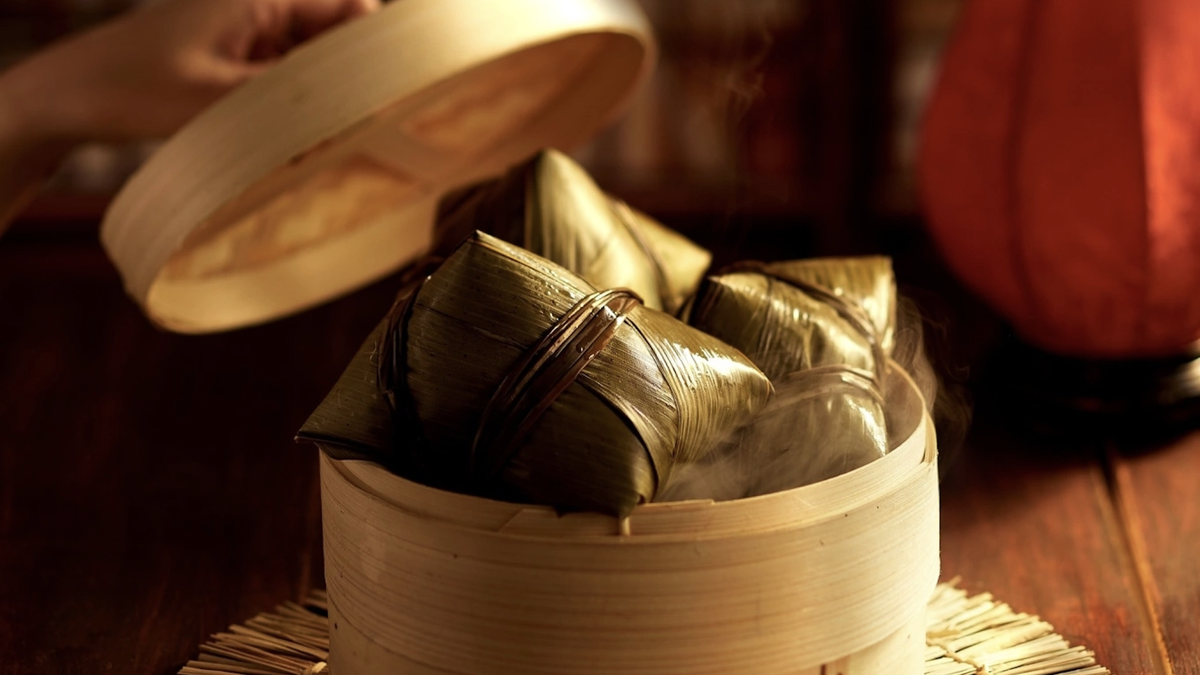
The glutinous rice dumpling (bánh ú bá trạng) after coming out of the oven.
In the lives of the Chinese community in Ca Mau, the zongzi (rice dumpling) has long transcended the meaning of a holiday dish. It is also a cherished gift for relatives and friends during the Dragon Boat Festival. Alongside rice wine, ash-water rice dumplings, fruit, boiled chicken, or roasted pork, strings of zongzi are neatly arranged on the ancestral altar as a reminder of their origins and family traditions.
Lam Khanh
Source: https://baocamau.vn/dac-sac-banh-u-ba-trang-a129899.html


![[Photo] General Secretary and President To Lam attends the 13th National Congress of the Ho Chi Minh Communist Youth Union](https://vphoto.vietnam.vn/thumb/1200x675/vietnam/resource/IMAGE/2026/06/25/1782356968989_ndo_br_1-jpg.webp)




















![[Photo] General Secretary and President To Lam attends the Central Public Security Party Committee Conference](https://vphoto.vietnam.vn/thumb/1200x675/vietnam/resource/IMAGE/2026/06/24/1782302063612_a1-bnd-9302-9166-jpg.webp)