Malabar spinach is my family's favorite summer vegetable, but I've heard it's not good for people with kidney stones. So, should we eat it regularly, and who shouldn't? (Thuy, 32 years old, Hanoi )
Reply:
Malabar spinach is a delicious vegetable and a useful medicinal herb with many health benefits. It provides many important nutrients to the body such as sodium, lipids, potassium, fiber, carbohydrates, protein, calcium, iron, and many vitamins in its leaves such as vitamins A, B6, B12, C, and D.
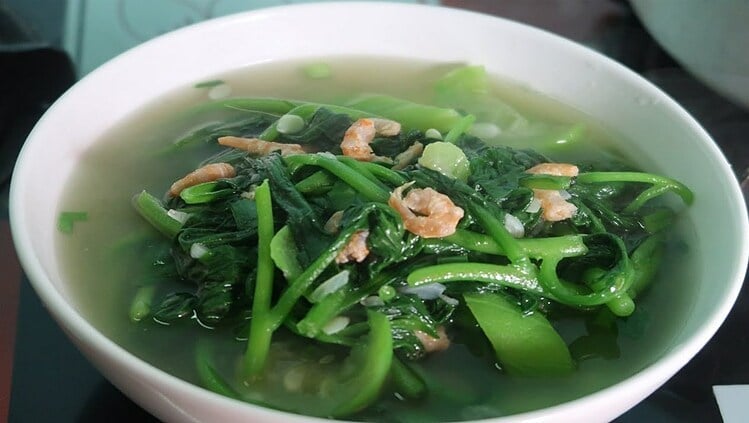
Eating just a small bowl of cooked spinach a day provides enough vitamin A and iron to meet your body's needs. The components in spinach promote digestion by adding mucilage and soluble fiber, facilitating and reducing constipation.



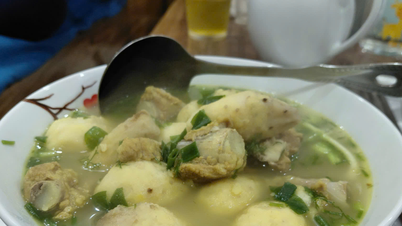
According to Traditional Chinese Medicine, Malabar spinach is cooling in nature, sour in taste, non-toxic, and has diuretic, detoxifying, skin-beautifying, and skin-healing effects. It also treats rashes, boils, and helps with anemia and heatstroke. The juice extracted from Malabar spinach can help heal burns quickly, and stewing Malabar spinach with pork trotters helps treat bone and joint pain.
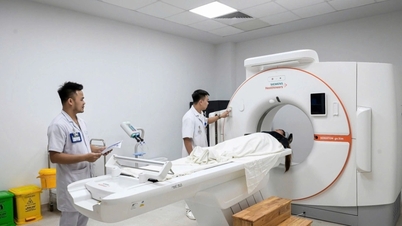
This vegetable is rich in nutrients but contains high levels of oxalic acid and purines, so eating too much can lead to the accumulation of calcium oxalate in the urine, easily causing kidney stones. High uric acid levels increase the risk of gout. Therefore, people with kidney stones or gout should limit their consumption of Malabar spinach.
Malabar spinach is used to cool the body, reduce heat, and prevent constipation, so people with diarrhea or loose stools should not eat it.
Note that dishes made with Malabar spinach should be consumed within the day after preparation, and should be reheated before each meal. Avoid leaving them overnight, as Malabar spinach can spoil and lead to food poisoning.



Doctor Huynh Tan Vu
University Medical Center of Ho Chi Minh City, Campus 3
Source link