

|
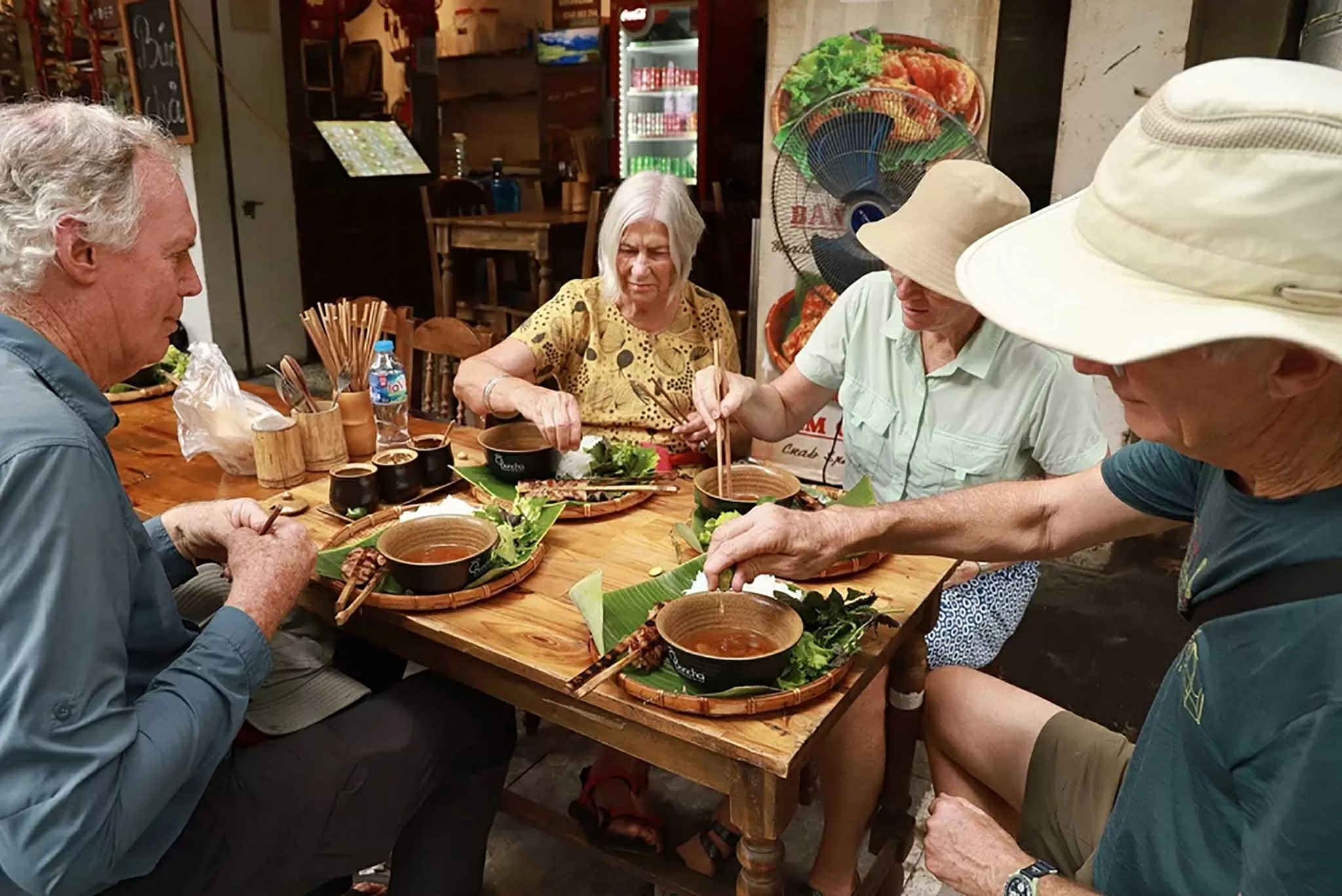
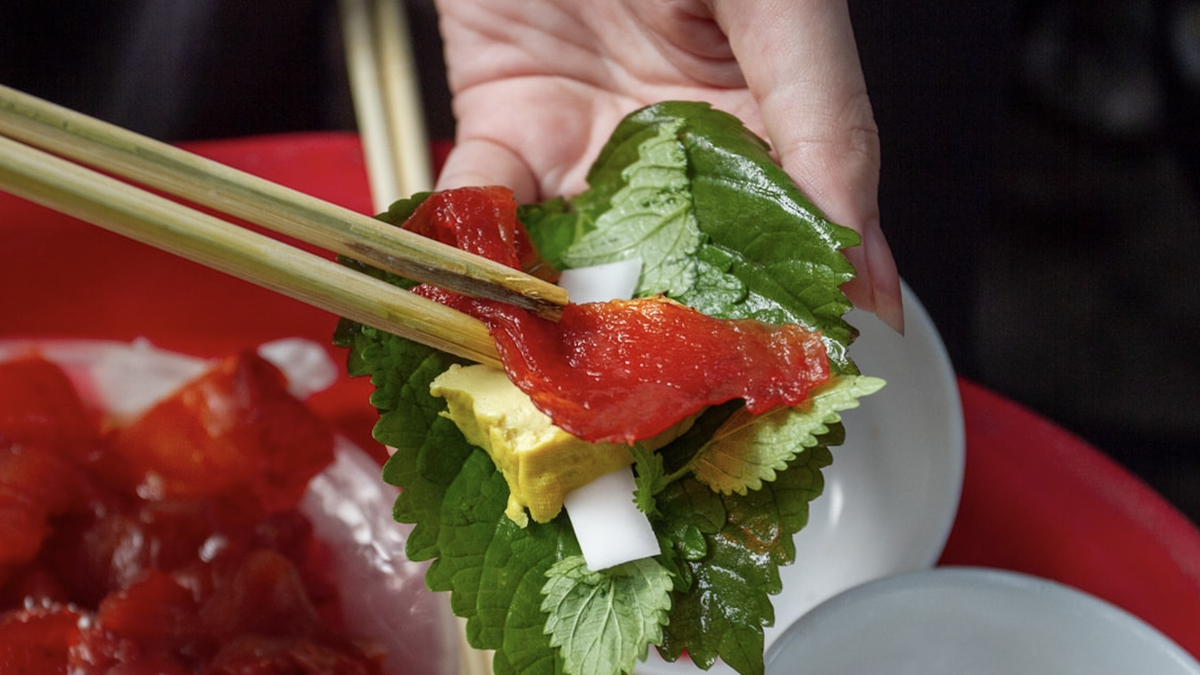
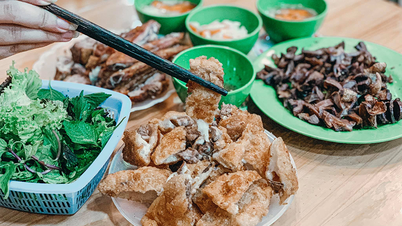
Bun cha is one of the attractive specialties that many tourists take the time to enjoy when visiting Hanoi . (Source: VNA) |
In recent years, culinary tourism has ceased to be an ancillary activity and has become one of the key factors driving the growth of the global tourism industry.
According to a report by IMARC Group, this market reached a size of US$1,090.48 billion in 2024 and is expected to increase to US$4,210.19 billion by 2033, with a compound annual growth rate of 14.46% during the period 2025-2033. Notably, the Asia-Pacific region currently accounts for 43.1% of the global market share, becoming the new center of world cuisine.
This growth stems from the demand for experiences intertwined with local culture. Tourists not only visit scenic spots but also consider enjoying the local cuisine an essential part of their trip. Furthermore, the impact of social media is increasingly evident. A survey by the global online travel platform TripAdvisor (USA) shows that 83% of travelers research restaurants, bars, or cafes online before their trip. Images on Instagram and videos on TikTok directly influence travelers' destination choices.
Modern consumer habits are undergoing significant changes. Travelers are increasingly concerned about health and sustainability. 38% of travelers are eating healthier while traveling, with this figure reaching 46% in the Asia-Pacific region. "Farm-to-table" models, organic, vegan, and gluten-free foods are becoming more popular, reflecting a trend towards combining culinary experiences with health and environmental considerations.
According to the World Tourism Organization (UNWTO), an average of 25% of tourism budgets is spent on food and beverages, a figure that can reach 35% at high-end destinations. This is a crucial source of revenue, helping to sustain small businesses, preserve traditional cuisine, and expand the local economy.
|
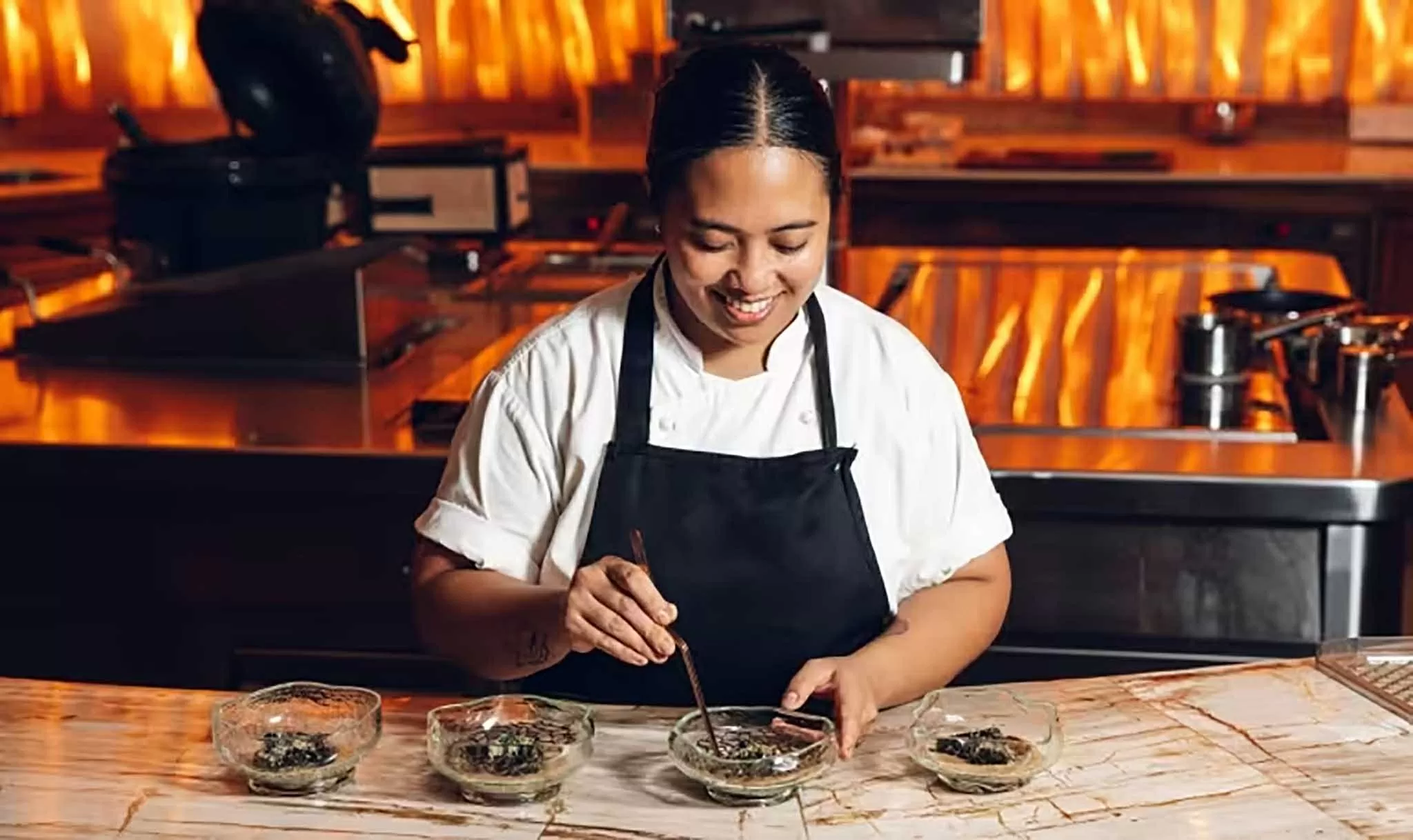
The Out of This World restaurant in the Maldives offers a zero-waste dining experience. (Photo: Out of This World) |
A highlight of world cuisine.
In the global landscape, Asia is asserting its new position with many culinary destinations becoming "shining stars." A survey of over 4,000 users after completing bookings to destinations in 2023 by the online travel platform Agoda (Singapore) showed that over 64% of travelers chose South Korea primarily for its cuisine, followed by Thailand (55%), Japan (52%), and Malaysia (49%). These figures reflect that cuisine is the top factor influencing travelers' choices in Asia.
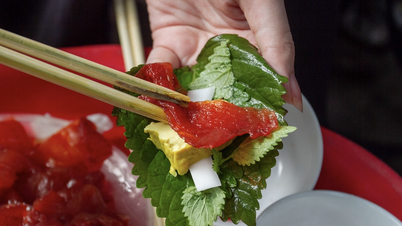
Seoul, Tokyo, and Bangkok consistently feature on the World Culinary Awards' lists of "World's Leading Culinary Cities" and "Asia's Leading Culinary Cities." In South Korea, the appeal stems from the Hallyu wave, with familiar dishes often seen in films, such as kimchi, grilled meats, fried chicken, and soy-marinated crab, especially at traditional markets like Gwangjang Market. Thailand is renowned for its vibrant food streets in Bangkok, where pad Thai, tom yum, and mango sticky rice are popular choices. Japan maintains its status as a high-end culinary destination with sushi, sashimi, ramen, izakaya culture, and kaiseki cuisine.
In Malaysia, the Michelin Guide Kuala Lumpur & Penang 2025 honors 143 restaurants, reflecting culinary diversity and multicultural identity through dishes such as nasi lemak, char kway teow, and hinava in Sabah.
Vietnam's presence on the world culinary map is becoming increasingly prominent. Hanoi was honored as "Asia's Best Culinary City Destination 2024" at the World Culinary Awards and topped TripAdvisor's list of the 25 best food destinations in the world. Hue, Hoi An, and Ho Chi Minh City are consistently recognized by TasteAtlas for their street food and the fusion of regional flavors. Familiar dishes like pho, bun cha, banh mi, and nem ran have transcended domestic boundaries, creating a global impact for Vietnamese cuisine.
|
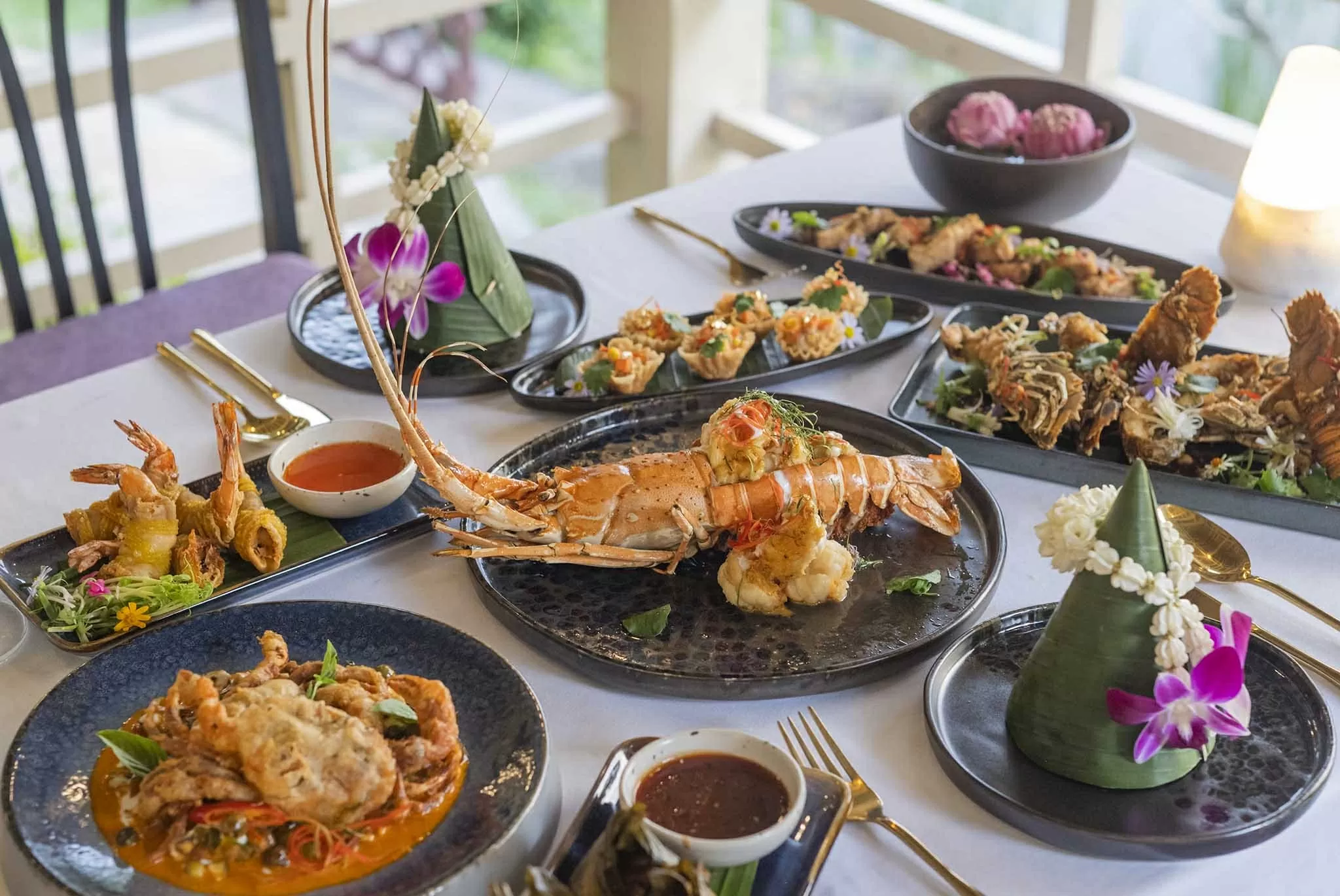
Lobster and many other signature dishes at Benjarong, a Thai restaurant in Laguna Phuket, have been awarded the Michelin Plate. (Source: Benjarong) |
Future direction
These trends indicate that Asian culinary tourism is in a strong growth phase and will continue to expand in the future. According to forecasts by Research and Markets (Ireland), the global culinary tourism market could reach US$4.21 trillion by 2033, maintaining stable growth.
Research and Markets points to three key drivers considered crucial for the coming period. First is the power of social media: TikTok and Instagram are shaping how travelers access food. For example, according to Travel and Tour World, a digital B2B integrated media platform in the travel and tourism industry, Google searches for "7-Eleven food" increased by 5000% in just one month after a video about Japanese convenience store culture went viral.
The second motivation is the desire to learn and experience. Tourists not only want to taste the food but also participate in cooking classes, workshops, and food preparation tours to better understand the local culture, acquire new skills, and contribute to preserving traditional recipes.
Finally, there's the sustainability factor. After the pandemic, concerns about health, the environment, and social responsibility have become the norm. Restaurants, food tours, and festivals are all geared towards reducing waste, using local ingredients, and creating value for the community. This is a long-term approach that helps the tourism industry develop sustainably while also creating a competitive edge internationally.
Cuisine is becoming a "soft brand" that helps Asia assert its appeal. From humble street food to high-end culinary experiences, the region both preserves tradition and constantly innovates to keep up with trends. With the widespread influence of social media, the growing demand for experiences, and a focus on sustainable development, Asia is not only an attractive destination today but is also predicted to play a central role in global culinary tourism in the future.
Source: https://baoquocte.vn/am-thuc-suc-hut-cua-du-lich-chau-a-328092.html


![[Photo] National Assembly Chairman Tran Thanh Man successfully concludes his participation in IPU-152](https://vphoto.vietnam.vn/thumb/1200x675/vietnam/resource/IMAGE/2026/04/18/1776502638199_vna-potal-chu-tich-quoc-hoi-ket-thuc-tot-dep-chuong-trinh-tham-du-ipu-152-8709975-jpg.webp)




































































Comment (0)