

The ever-increasing real estate prices transform homes, instead of being places of refuge, into invisible worries and burdens for many people.
Poor people have limited access to land resources.
We often hear the saying "A stable home leads to a successful career," and owning a home has always been considered a symbol of success and stability. However, in the current context, that dream of owning a home is becoming a very difficult problem, especially for young people and middle-income workers.
Ten years ago, having 1 billion VND would have been enough to buy a spacious two-bedroom apartment, sufficient for a family's urban life. Now, that amount is only enough to buy half a studio apartment.
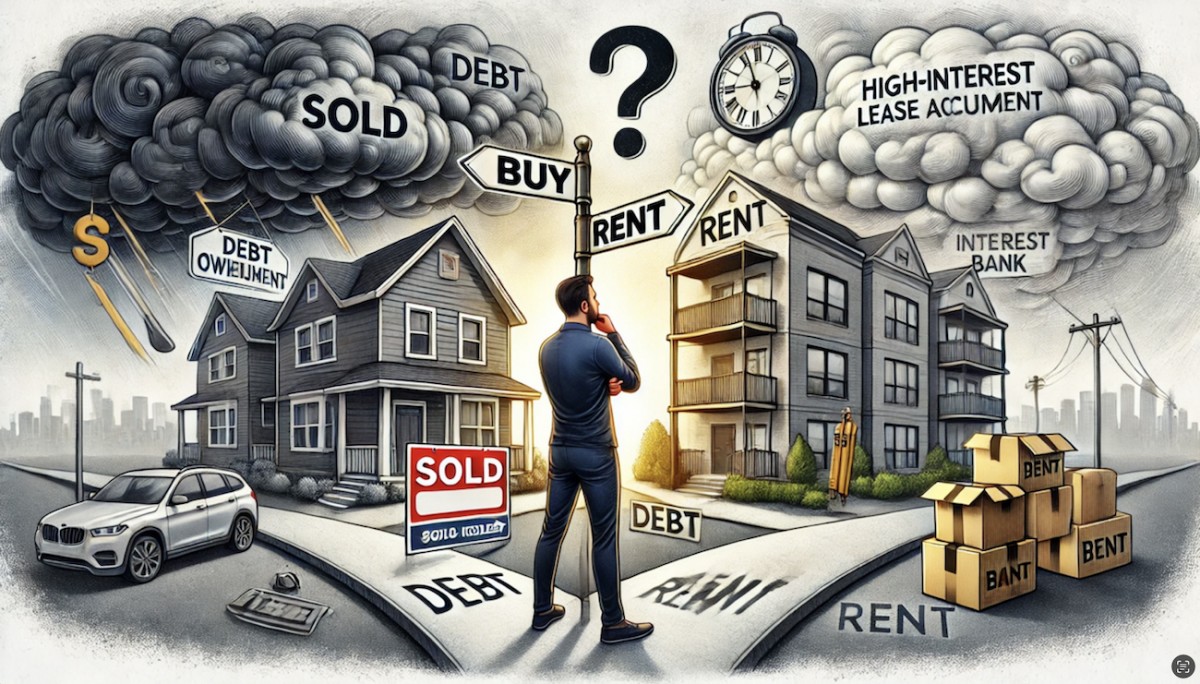 |
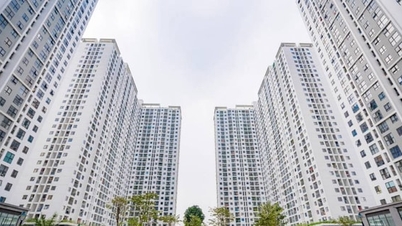
| Gritting your teeth for the dream of owning a home: Settling down or enjoying a comfortable life? (Illustrative image) |
Real estate prices have skyrocketed, while the incomes of the majority of the population have risen slowly, failing to keep pace. Some statistics show that the average increase in real estate prices over the past five years has been 60%, far exceeding the meager 6% increase in income during the same period.
The situation becomes increasingly complex as unpredictable real estate speculation, coupled with limited housing support policies, makes the dream of home ownership even more distant for ordinary workers or young families. To make that dream a reality, many are forced to sacrifice other essential needs, trapping themselves in a prolonged cycle of debt.
Is it worth sacrificing quality of life for an expensive house?
Some people have shared on real estate forums about accepting to pay only a few tens of thousands of dong for an extremely meager breakfast, raising a difficult question: Is it worth sacrificing quality of life for an expensive house in today's world?
Owning a home means no longer having to worry about the instability of renting, and it's a testament to success in the eyes of others. However, this also gives rise to many other anxieties, such as market fluctuations, interest rates, and employment. The years spent saving to achieve the dream of home ownership, which seemed like the end of an insecure period, opened a new chapter full of pressure.
Many people, after buying a house, find themselves in a state of anxiety due to the instability of the economy . A real estate crisis or a surge in bank interest rates can turn a house – once a symbol of stability – into a source of personal financial crisis.
In short, there is no single, satisfactory answer to this dilemma. Some are willing to accept the risks, while others choose the safer option amidst the current volatile environment: continuing to rent. In reality, both buying and renting have their own advantages and disadvantages; neither is a perfect solution.
Most importantly, it should suit your own circumstances and goals, as well as those of your family. For example, with around 1-2 billion VND, instead of investing everything and taking out a loan to buy a dream apartment, many people choose to rent and pursue other life goals, such as educating their children, taking care of their health, investing in profitable ventures, or simply enjoying peaceful moments. That's a choice worth considering.
Unreasonably high housing and land prices have led to many negative consequences, making it difficult for people to access housing and increasing production investment costs. Importantly, it makes it difficult for legitimate investors to access land resources. On the other hand, soaring real estate prices inevitably lead to an increase in the value of collateral assets held by banks. And, when real estate prices rise too rapidly, far exceeding their true value, banks need to be cautious about the potential for significant risks. When asset prices are artificially inflated, loans based on these inflated values become unsustainable. If the market reverses, these loans could easily become non-performing, risking a credit bubble burst. When the majority of bank capital is "frozen" in real estate, other economic sectors will have difficulty accessing credit, causing cash flow imbalances and increasing liquidity pressure. |
Source: https://congthuong.vn/can-rang-vi-giac-mo-nha-o-an-cu-hay-ganh-nang-369285.html

























































![[Video] Sunset at Lap An Lagoon – Where the sun sets over the fishing nets](https://vphoto.vietnam.vn/thumb/1200x675/vietnam/resource/IMAGE/2026/05/31/1780192137701_beach-landscape-sea-water-nature-grass-745871-pxhere-com.jpeg)



































Comment (0)