

Indian High Commissioner to South Africa Prabhat Kumar stated that India wishes to share its expertise and experience in digital technology with countries in the Southern Hemisphere to jointly implement various projects. Observers believe this could be another step demonstrating India's desire to expand its influence in a rapidly changing world .
From digital technology…
According to Commissioner Kumar, the Indian economy is growing rapidly and is currently the fastest-growing major economy in the world. In the next five years, India is expected to become the world's third-largest economy with a GDP exceeding $5 trillion.
Mr. Kumar emphasized, “We believe that the world is one family and we must share what we have with the world. This is not just a slogan. We have followed this philosophy in the past and will continue to do so in the future.” He cited India's support in providing vaccines, medicines, and medical equipment to over 150 countries during the Covid-19 pandemic as an example.
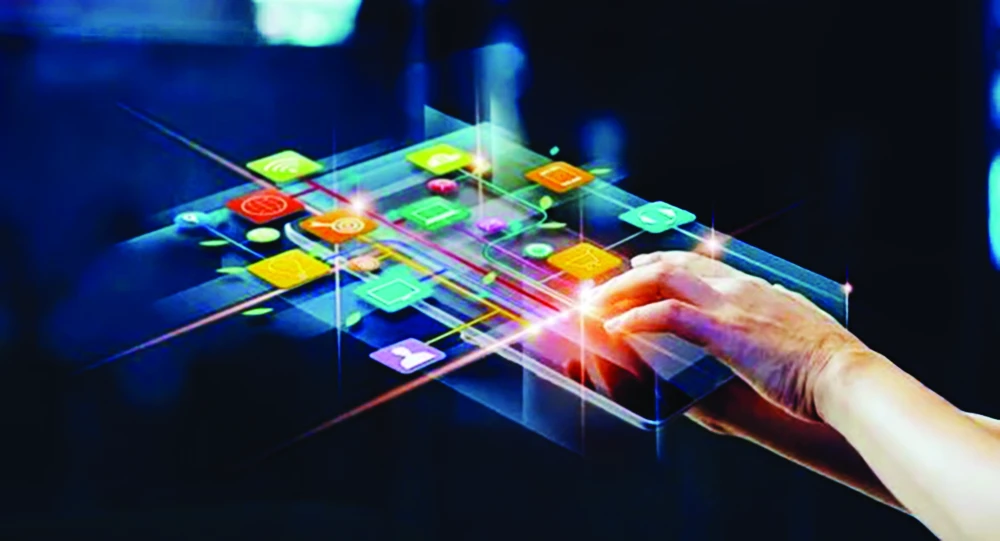
An Indian diplomat cited a report by the National Software and Services Companies Association suggesting that India's digital public infrastructure plans have the potential to propel the country to an $8 trillion economy by 2030. India has also made a name for itself through programs such as unique ID identification, digital banking, unified payment interfaces, digital vaccine distribution, and direct transfer benefits.
In addition, there are global organizations established alongside Indian initiatives such as the International Solar Alliance, the Global Biofuel Alliance, or the Disaster Resilience Infrastructure Alliance “to address energy security and climate issues”.
...to the key factor
Professor Harsh V. Pant, Vice President of the Observer Research Foundation based in New Delhi, commented: “We are in a unique moment, a moment of maximum polarization. All of this has placed India at the center of so much dialogue.” So, can India play a role as a peacemaker, a mediator between the Northern and Southern hemispheres, or even between East and West?
Philosopher Shivshankar Menon, a China expert and former Indian ambassador to Beijing, commented: “India has seized the opportunity of global changes and capitalized on the world’s volatility. To say that India’s time has come is just a cliché. I mean that India is benefiting from the fact that, as the West confronts Russia and sanctions it, many countries around the world have expressed dissatisfaction with these decisions. They don’t want to have to choose between the West and Moscow, or between Washington and Beijing. They are looking for a third option. And this world is making room for India.”
To best leverage this symbolic "platform" representing India's rising diplomatic power, Indian Foreign Minister S. Jaishankar introduced an initial concept: "Multilateralism." This concept can be understood as a method employed to best serve the interests of the nation. Refusing to take sides – a consistent Indian stance – could be used as a pretext for dialogue with all parties, and this is a novel approach.
Compiled by MINH CHÂU
Source
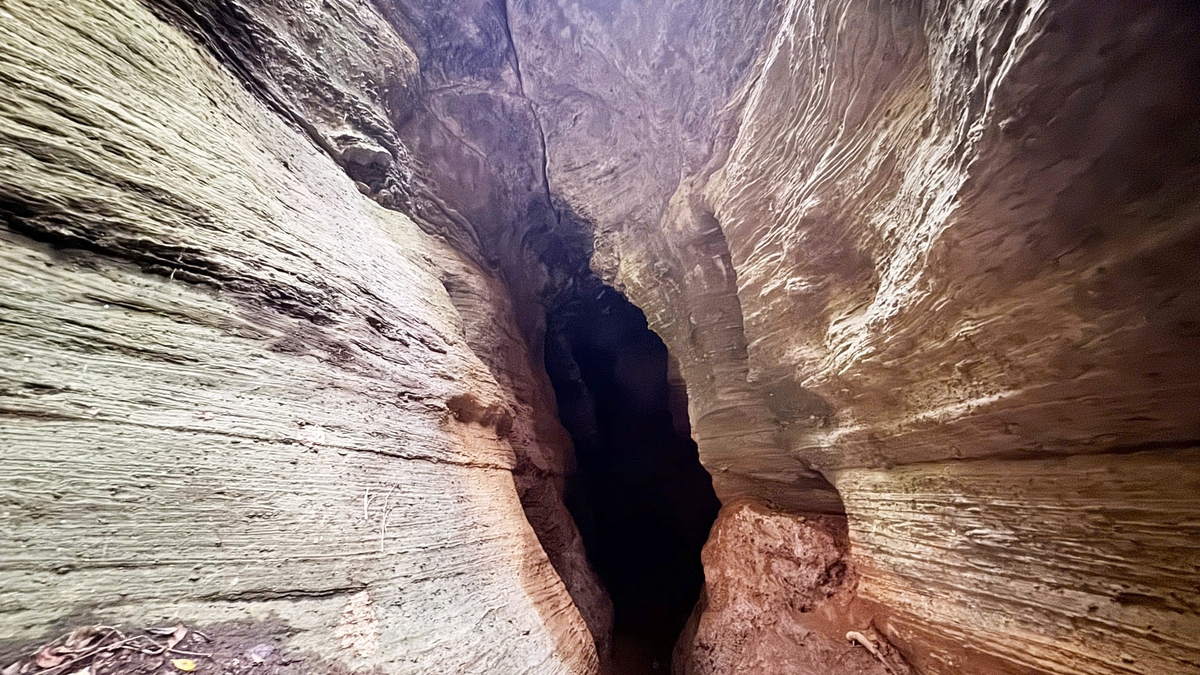
![[Photo] Capturing the moment the tide recedes at Yen Binh Son rapids - a million-year-old scenic spot in Quang Ngai.](https://vphoto.vietnam.vn/thumb/1200x675/vietnam/resource/IMAGE/2026/05/19/1779175463885_yen9-1199-jpg.webp)
![[Photo] National Assembly Chairman Tran Thanh Man attends the groundbreaking ceremony for the National Highway 1A spatial axis project.](https://vphoto.vietnam.vn/thumb/1200x675/vietnam/resource/IMAGE/2026/05/19/1779161360398_ndo_br_bnd-1412-jpg.webp)









































Comment (0)