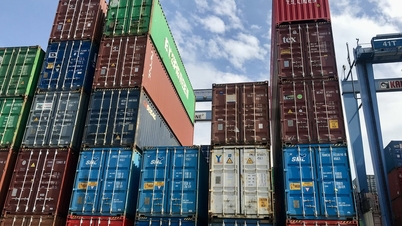
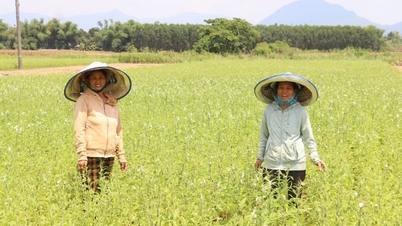
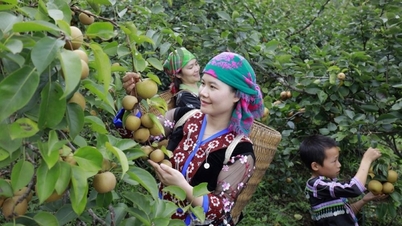
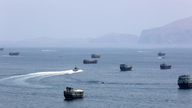
The Gulf Cooperation Council (GCC) countries currently import 70-90% of their essential food needs. The impact on shipping not only affects the energy market but also increases the risk of disruptions to the region's food supply chain.
Analysts argue that the current crisis is exposing one of the structural weaknesses of the Gulf economies , as much of their food needs still depend on international shipping routes.
The United Nations Food and Agriculture Organization (FAO) warns that if the disruptions continue for several more months, the impacts on global food supplies and agricultural production in 2026 will become more severe.

Against this backdrop, the GCC is strengthening cooperation with international organizations to bolster the resilience of the region's food system. On June 7th, GCC Secretary-General Jasem Mohamed Al-Budaiwi met with the FAO Programme Director in Saudi Arabia, Nizar Jamal Haddad, in Riyadh.
According to the GCC statement, the two sides discussed measures to enhance cooperation in agriculture and food security, including the exchange of experiences and the development of research programs to serve the strategic goals of GCC member states.
Observers believe that, in the long term, Gulf countries will have to increase investment in domestic food production, strategic reserves, and alternative transportation corridors to mitigate risks from geopolitical fluctuations.



Source: https://baotintuc.vn/kinh-te/an-ninh-luong-thuc-thach-thuc-moi-cho-vung-vinh-20260608071932754.htm