

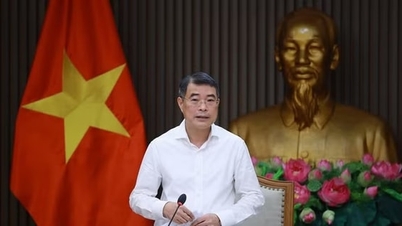
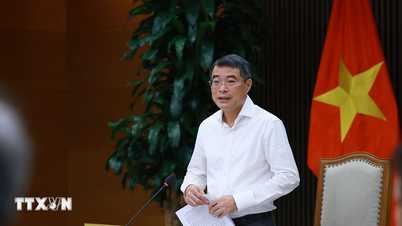
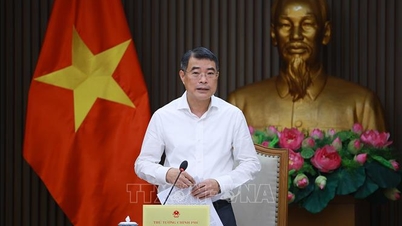
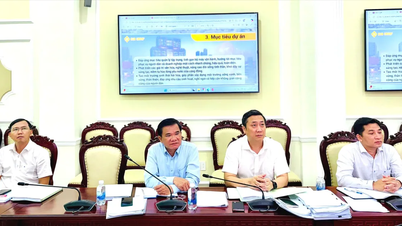
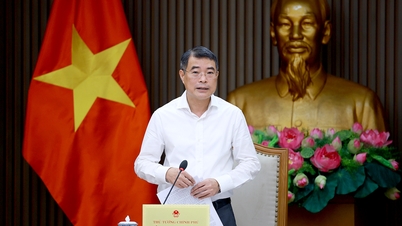
The message from the new Prime Minister , Le Minh Hung, is clear: get straight to work, review the action plan, address outstanding tasks, and finalize working regulations in a short time. The direct approach and focus on deadlines demonstrate that the new government has prioritized disciplined implementation from the very first day in office.
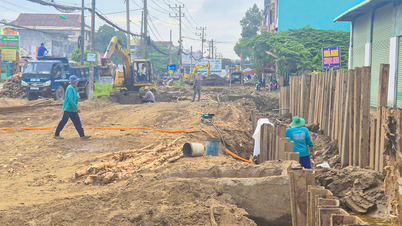
The focus of governance continues to be on implementation. Removing institutional obstacles, addressing backlog projects, unlocking resources, and substantially reducing administrative procedures are all issues that have been identified before, but this time they are accompanied by the requirement to be done thoroughly and to see clear progress in a short period of time.
Notably, the disbursement rate of public investment capital nationwide in the first quarter of 2026 is estimated to reach approximately 11% of the plan assigned by the Prime Minister (equivalent to VND 110,288.1 billion), higher than the same period in 2025, but still slower than required. This will be one of the key tasks that the newly restructured apparatus needs to prioritize.
The business community is closely monitoring these developments with specific expectations. Businesses always desire a stable business environment, consistent policy implementation, and faster processing of procedures. When operations run smoothly, businesses can proactively plan production and investment, thereby creating more impetus for growth. Therefore, the pressure to act is not only on the executive level, but must extend throughout the entire system – to each ministry, each locality, and each stage of document processing.
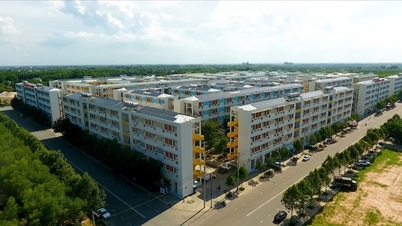
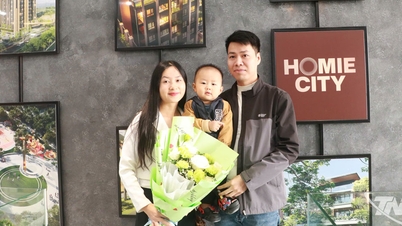
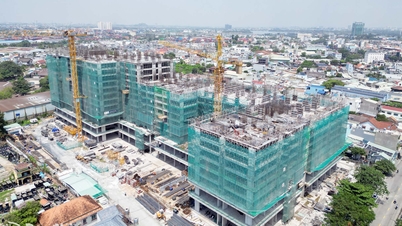
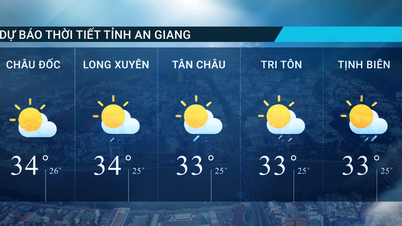
Alongside this is the issue of social welfare, with prolonged hot weather, rising living costs, and the pressure of making a living weighing on many vulnerable groups. Growth, if not accompanied by improvements in living standards, will struggle to create a sustainable foundation of consensus. Areas directly related to daily life, such as healthcare , social housing, flood control infrastructure, and public services, must be implemented thoroughly, with clear timelines and concrete results.
Only when people truly have access to better services, live in safer environments, and have their living costs reduced, will the fruits of development become tangible benefits, creating a stable foundation for longer-term progress.
For Ho Chi Minh City, its leading role places higher demands on implementation. The special mechanisms granted by the central government need to be operated effectively, creating clear changes in the investment environment, in the disbursement of public investment, and in the quality of services provided to the people. When the city moves quickly, the ripple effect will be wider.
Experience shows that the same policy will yield different results depending on where it is implemented effectively. The difference lies in the management style, the responsibility of each level, and the discipline of the system. When each step is done correctly and thoroughly, the overall system will function smoothly.
The period from 2026 to 2030 is a pivotal stage in development. The "track" has been defined by specific goals, but the journey to the destination depends on the operational capacity of the system. When actions are implemented decisively, synchronously, and thoroughly, the expectations of businesses and the consensus of the people will be transformed into driving forces for development. This is also the clearest measure of the newly restructured system: its actual effectiveness in socio-economic life.
Source: https://www.sggp.org.vn/ap-luc-hanh-dong-post847227.html

![[Photo] General Secretary and President To Lam visits and delivers a policy speech at Tsinghua University.](https://vphoto.vietnam.vn/thumb/1200x675/vietnam/resource/IMAGE/2026/04/14/1776164592318_vna-potal-tong-bi-thu-chu-tich-nuoc-tham-va-phat-bieu-chinh-sach-tai-dai-hoc-thanh-hoa-trung-quoc-8700658-5437-jpg.webp)
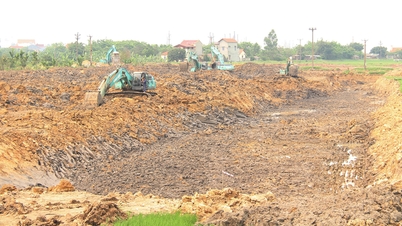
![[Image] Expediting land clearance at Alley 310 Nghi Tam to facilitate the construction of Tu Lien Bridge](https://vphoto.vietnam.vn/thumb/1200x675/vietnam/resource/IMAGE/2026/04/14/1776160406551_ndo_br_z7724148990408-9e5d4777e3c4504998b4286178b2e66e-jpg.webp)












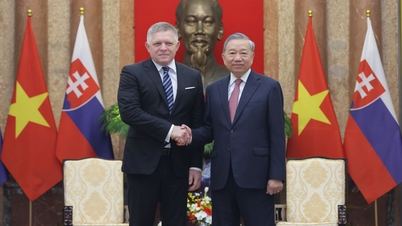
![[Photo] General Secretary and President To Lam receives Slovak Prime Minister Robert Fico](https://vphoto.vietnam.vn/thumb/1200x675/vietnam/resource/IMAGE/2026/04/13/1776080592076_a1-bnd-8227-6002-jpg.webp)
![[Photo] General Secretary and President To Lam and his wife begin their state visit to China.](https://vphoto.vietnam.vn/thumb/1200x675/vietnam/resource/IMAGE/2026/04/14/1776133794926_z7723148772587-ffefa3c4b1e54e100de1554593a862c6-jpg.webp)

































Comment (0)